
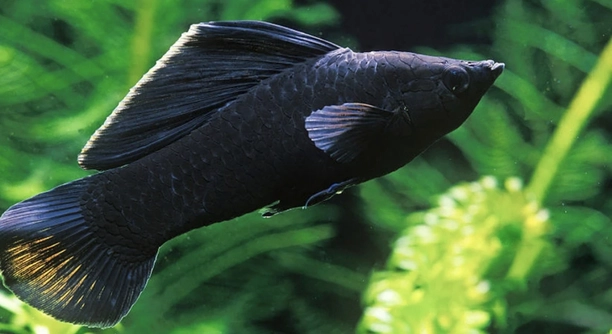
Black Mollies are gentle, lively fish that can brighten up any aquarium. Sometimes, they spend long periods hiding, leaving owners puzzled about their behavior and well-being in the tank environment.
The primary reason your black molly fry remains hidden is stress caused by sudden changes in water conditions, tankmates, or insufficient hiding spaces. Fry instinctively seek shelter to avoid predators and ensure survival during early development stages.
Learning how to reduce stress and provide a safe environment will help your fry grow healthier and more active over time.
Water Conditions and Fry Comfort
Keeping water conditions stable is very important for black molly fry. Sudden changes in temperature or pH can make them anxious, causing them to hide. Fry are very sensitive, so even small fluctuations in water hardness or chemicals like chlorine can stress them. Consistent water quality helps them feel safe and encourages normal activity. Regular water changes and careful monitoring of parameters create a healthier environment. Using a small thermometer and test kits helps ensure the water remains suitable for fry. Avoid overfeeding, as leftover food can quickly pollute the water and cause harmful bacteria growth. Hiding is a natural response, but reducing stress can increase feeding and swimming activity. Gentle filtration is also recommended to keep water moving without creating strong currents that can tire or scare the fry. Plants and floating decorations can offer additional security while keeping the tank balanced.
Monitoring water carefully allows fry to adapt comfortably and reduces prolonged hiding behavior, keeping them active and growing well.
Adding live plants and small hiding spots improves fry confidence. They feel protected and gradually explore the tank more.
Tankmates and Fry Safety
Some fish can unintentionally scare black molly fry. Aggressive or larger tankmates may cause fry to hide for extended periods. Observing interactions is key to understanding who is safe to keep together.
If fry share a tank with faster or bigger fish, stress increases. Fry need quiet areas where they can feed and rest without interference. Breeding boxes or separate nursery tanks are helpful solutions. Fry are naturally cautious, and providing multiple hiding areas reduces conflicts. Even non-aggressive fish can intimidate fry if they dominate the space or compete for food. Using floating plants, moss, or small caves gives fry freedom to explore safely. Over time, fry gain confidence when they know they have safe zones to retreat to. Regularly checking for signs of bullying or chasing ensures a balanced environment. Maintaining consistent feeding schedules and gentle observation reduces sudden disturbances that trigger hiding. Ultimately, balancing tankmates and providing protective areas allows fry to thrive without constant fear or stress.
Hiding Spots and Tank Setup
Fry need small hiding spots to feel secure. Plants, moss, or tiny caves give them a place to retreat. Without enough cover, fry may hide constantly and struggle to feed.
Providing multiple hiding areas helps fry feel safe while exploring the tank. Live plants like Java moss or floating plants create natural cover. Small decorations or breeding nets also serve as shelters. Position hiding spots near the water surface and around the bottom so fry can choose areas freely. Fry will gradually leave shelters when they feel confident, increasing activity and feeding behavior. Too few hiding areas make fry stressed, while too many can limit swimming space. A balanced setup with both open swimming zones and secure spots encourages natural behavior. Observing fry regularly helps determine if adjustments are needed. Over time, fry become more visible and interactive in a well-planned tank setup.
Proper tank setup is essential for fry comfort. Hiding spots reduce stress and support healthy growth. Fry respond positively to well-placed cover.
Feeding Practices for Black Molly Fry
Small, frequent feedings are best for fry. Overfeeding can pollute water, while underfeeding slows growth and keeps fry hidden.
Fry require tiny foods like infusoria, baby brine shrimp, or finely crushed flakes. Feeding multiple times daily ensures fry get enough nutrition without overwhelming the tank. Uneaten food should be removed quickly to prevent water quality issues. Observe how fry eat; shy fry may stay in hiding initially but come out for food as confidence grows. Rotating foods keeps fry interested and supports balanced nutrition. Fry that are hungry but safe are more likely to explore and swim freely. Feeding should be gentle, with food spread evenly to avoid competition. Clean water and appropriate feeding schedules directly impact fry health, growth, and willingness to leave hiding spots. Regular monitoring and minor adjustments help fry thrive while minimizing stress from hunger or overcrowding during feeding times.
Light and Temperature
Fry prefer gentle lighting. Bright lights can make them anxious and hide more. Using floating plants or dimmers helps create a comfortable environment.
Stable temperature is also crucial. Sudden changes can stress fry, causing them to retreat. Maintaining a consistent warmth encourages normal activity.
Observation and Behavior
Watching fry regularly helps identify problems early. Noticing patterns in hiding, feeding, and swimming can reveal stress or illness. Fry often respond to minor adjustments, like repositioning plants or adjusting tankmates. Paying attention ensures fry grow healthy and active without unnecessary stress.
Gradual Acclimation
Introducing fry slowly to new tank conditions prevents shock. Sudden changes in water, light, or tankmates often trigger hiding. Gradual adaptation improves confidence and encourages fry to explore the environment safely.
FAQ
Why does my black molly fry hide all the time?
Fry hide mainly because of stress or fear. They are very small and vulnerable, so they instinctively retreat to safe areas. Changes in water temperature, pH, or tankmates can make them anxious. Providing hiding spots and stable water conditions helps fry feel secure and reduces hiding.
How can I tell if hiding is normal or a problem?
Some hiding is natural, especially for very young fry. It becomes a concern if they rarely leave cover, avoid feeding, or appear lethargic. Consistent observation and checking water parameters help determine if stress or illness is causing excessive hiding.
What are the best hiding spots for fry?
Live plants like Java moss, floating plants, or dense decorations work well. Breeding nets or small caves can also provide safe areas. Spread hiding spots throughout the tank so fry can choose their preferred space, helping them feel confident while exploring.
How often should I feed black molly fry?
Feed small amounts multiple times a day. Fry need frequent feedings of tiny foods like infusoria, baby brine shrimp, or crushed flakes. Uneaten food should be removed quickly to maintain water quality. Overfeeding can pollute the water and increase hiding behavior.
Can tankmates affect fry behavior?
Yes, larger or faster fish may intimidate fry, causing constant hiding. Even non-aggressive tankmates can stress fry if they compete for food or dominate the space. Using a breeding box or separate nursery tank can prevent conflicts and reduce stress.
Does light affect hiding?
Bright light can make fry feel exposed and unsafe. Dim lighting or floating plants that provide shade encourages them to explore. Gentle light helps fry gradually leave hiding spots without feeling threatened.
How important is water temperature?
Stable, moderate temperatures are crucial. Sudden changes can shock fry, triggering hiding. Consistent warmth supports normal growth and activity, allowing fry to gradually become more confident in the tank.
What signs show my fry are healthy despite hiding?
Healthy fry hide occasionally but remain alert and feed well when approached. They swim actively between hiding spots, and their bodies appear full and free of deformities. Regular water testing ensures conditions support their health.
Can I reduce hiding by rearranging the tank?
Yes, providing a mix of open swimming space and secure hiding spots encourages exploration. Avoid overcrowding decorations, which can overwhelm fry. A balanced layout makes fry feel safe but allows movement for growth and feeding.
How long does it take for fry to stop hiding?
It depends on the environment and stress levels. With stable water, proper feeding, and safe hiding areas, fry usually become more active over a few weeks. Consistent care and observation are key to building their confidence.
Is overfeeding a problem for hiding fry?
Yes, leftover food can pollute the water, creating stress and encouraging fry to hide. Small, frequent feedings with careful cleanup maintain water quality and promote healthier behavior.
Are there any health issues linked to hiding?
Extended hiding can indicate stress, poor water quality, or illness. Watch for lethargy, loss of appetite, or unusual swimming. Addressing water parameters, feeding, and tankmates usually resolves minor issues. Persistent problems may require closer attention or separation from other fish.
Should I interact with fry?
Minimal interaction is best. Avoid tapping the glass or sudden movements, as fry are easily startled. Gentle observation and careful feeding help fry feel secure without unnecessary stress.
Do fry need cover even in a small tank?
Yes, even small tanks require hiding spots. Fry feel safer with places to retreat, which reduces stress and improves feeding behavior. Simple plants or small decorations can provide effective cover without taking up too much space.
How do I balance hiding spots and swimming space?
Provide enough shelters for security but leave open areas for swimming and feeding. Overcrowding the tank with decorations can limit movement and growth, while too few hiding places increase stress. A balanced tank helps fry grow healthy and active.
Can fry hide if they are sick?
Yes, illness can cause fry to hide more than usual. Look for other signs like faded color, clamped fins, or slow movements. Addressing water quality, nutrition, and observation helps prevent health problems from worsening.
Does water current affect hiding?
Strong currents can tire fry and make them seek shelter constantly. Gentle filtration keeps water clean without creating stress. Adjusting flow encourages natural swimming while allowing fry to use hiding spots as needed.
Are there any seasonal effects on fry hiding?
Temperature changes and light cycles can influence behavior. Maintaining consistent conditions regardless of season helps fry remain confident and active, reducing prolonged hiding.
What is the best way to gradually reduce hiding?
Ensure stable water, appropriate feeding, and multiple hiding spots. Observe fry regularly, provide gentle light, and avoid sudden changes. Over time, fry gain confidence and spend more time exploring the tank while remaining safe.
Can stress from the mother or adult mollies affect fry?
Yes, adult mollies can chase or eat fry, increasing hiding. Separating fry in a breeding box or nursery tank prevents stress and allows them to feed and grow without fear.
How can I monitor fry growth while they hide?
Observe small movements, feeding responses, and occasional swimming outside hiding spots. Tracking growth with gentle measurements or visual checks helps ensure fry develop properly without constant exposure.
Do black molly fry ever stop hiding completely?
Eventually, with proper care, most fry become confident enough to explore openly. Some still retreat occasionally, which is normal. Continuous stable conditions, proper feeding, and safe tankmates encourage natural activity and reduce excessive hiding over time.
How important is patience in dealing with hiding fry?
Very important. Fry develop confidence gradually. Constant observation, small adjustments, and avoiding sudden changes allow fry to feel safe and reduce stress. Patience ensures they grow healthy while learning to explore their environment naturally.
What small adjustments make the biggest difference?
Providing extra plants, gentle lighting, stable temperature, and small frequent feedings significantly reduce hiding. Minor changes in tank layout or feeding schedules can encourage fry to explore and become more active.
Is it normal for fry to hide at night?
Yes, fry are more cautious in low light. Hiding during nighttime is natural. They usually become more active during the day when feeding occurs and visibility improves.
Can overcrowding increase hiding behavior?
Yes, too many fry or other fish create stress, making fry hide more. Ensuring adequate space, hiding spots, and balanced population reduces stress and encourages normal activity.
Should I remove fry that hide too much?
Not immediately. Assess water quality, feeding, and tank conditions first. If hiding is due to stress or tankmates, relocation to a safer environment or breeding box can help fry thrive.
How long should I wait before changing tank conditions for hiding fry?
Make gradual adjustments over days or weeks. Sudden changes increase stress. Observe fry responses carefully, and only modify one factor at a time to ensure they adapt safely.
Can hiding affect fry feeding and growth?
Yes, excessive hiding can limit access to food, slowing growth. Providing multiple hiding spots near feeding areas helps fry eat safely while staying secure. Regular monitoring ensures proper nutrition and development.
What signs show hiding is due to environmental stress?
Fry hide excessively, avoid feeding, or swim erratically. Water tests may reveal pH, temperature, or chemical issues. Adjusting these factors reduces stress and encourages natural activity.
Is it normal for fry to hide after being fed?
Sometimes. Fry may return to hiding spots after eating to digest safely. This behavior is normal if fry feed well and water conditions are stable.
Do black molly fry need social interaction with other fry?
Yes, some interaction helps fry learn feeding and swimming behavior. However, overcrowding can cause stress. Balanced grouping and ample hiding spots support social learning without fear.
Can lighting adjustments alone reduce hiding?
Yes, softer lighting or shade from floating plants often encourages shy fry to explore. Combine with proper feeding and water conditions for best results.
Are there foods that encourage shy fry to come out?
Live foods like baby brine shrimp or infusoria often attract fry from hiding. Small, frequent portions and gentle introduction help fry feel safe while feeding.
How do I track fry behavior over time?
Keep a simple log of hiding patterns, feeding response, and swimming activity. Monitoring changes helps identify problems early and track progress in confidence and growth.
Can fry get used to tankmates over time?
Yes, if tankmates are non-aggressive and fry have hiding options. Gradual exposure and observation reduce stress, allowing fry to interact safely with other fish.
What is the most effective way to combine feeding and hiding spots?
Place food near shelters so fry can eat without leaving cover entirely. This encourages feeding while maintaining a sense of security, reducing stress and promoting growth.
How often should I check water parameters for hiding fry?
Daily to every other day for small tanks, especially in early stages. Stable water reduces hiding behavior and supports healthy development.
Can fry hiding indicate overpopulation?
Yes, overcrowding increases competition and stress, making fry hide more. Ensuring proper tank size, hiding spots, and population balance reduces excessive hiding.
What simple tank modifications help shy fry?
Adding a few floating plants, small caves, or gentle filtration can drastically reduce hiding. Minor layout changes create safe zones while maintaining open swimming areas.
Do fry ever stop being shy completely?
Most fry gradually become more confident, but some will remain cautious. Consistent care, stable conditions, and safe environments maximize exploration and activity.
How do I know if hiding is caused by illness?
Signs include lethargy, faded color, clamped fins, or lack of appetite. Treating water quality, nutrition, and separating sick fry helps recovery.
Should I change feeding schedules if fry hide a lot?
Adjusting to smaller, more frequent feedings often helps. Fry feel safe eating near hiding spots without overwhelming the tank. Observation ensures they get enough nutrition while reducing stress.
Can water movement patterns affect fry hiding?
Strong currents force fry to seek shelter constantly. Gentle, consistent flow allows swimming and feeding while giving fry control over their space.
Does tank size influence hiding behavior?
Yes, small tanks without enough hiding spots increase stress, while larger tanks with balanced cover encourage natural exploration. Proper tank size supports healthy behavior and growth.
How do I know if fry hiding is temporary?
If hiding decreases gradually as they feed and explore, it’s temporary. Persistent hiding may indicate stress, overcrowding, or water issues. Observing changes over days or weeks helps determine the cause.
Can temperature swings make fry hide more?
Yes, even small fluctuations can stress fry. Keeping water stable encourages confident swimming and reduces hiding. Gradual acclimation prevents sudden retreats to cover.
Are fry hiding more during tank maintenance normal?
Yes, movement, water changes, or cleaning can startle fry. Providing hiding spots before maintenance helps reduce stress and ensures they return to normal behavior quickly.
Do fry prefer certain types of plants for hiding?
Dense, fine-leaved plants like Java moss or floating plants provide ideal cover. Fry feel protected and can navigate around them safely. Placement matters more than quantity for effective shelter.
Can hiding affect social development among fry?
Excessive hiding can reduce interaction, slowing learning of feeding and swimming patterns. Balanced tank setup with safe spaces allows natural social behavior while maintaining security.
Is it normal for fry to hide even with perfect conditions?
Yes, some fry are naturally cautious. With consistent care, they gradually become active. Occasional hiding is normal and not a sign of poor health or environment.
What combination of care strategies works best for shy fry?
Stable water, gentle lighting, safe tankmates, hiding spots, frequent small feedings, and patient observation together reduce hiding. Adjusting multiple factors gradually ensures fry grow healthy and confident.
How do I balance visibility for observation and hiding for safety?
Position plants and decorations so fry can retreat while still being monitored. Open spaces for feeding and gentle lighting let you observe growth without stressing them.
Can adult mollies’ behavior influence fry hiding?
Yes, chasing or nipping by adults increases hiding. Separating fry in breeding boxes or protected zones prevents stress and allows proper growth and development.
How long should hiding be tolerated before intervention?
If hiding persists for weeks without feeding or growth, intervention is needed. Check water quality, tankmates, feeding, and shelters. Gradual changes help fry adapt safely.
Does hiding behavior change as fry grow?
Yes, older fry become more confident and swim openly. Hiding decreases with maturity, stable environment, and safe tankmates, though occasional retreats are normal.
Are there environmental cues that trigger hiding?
Sudden light changes, strong water flow, aggressive fish, or loud vibrations often trigger hiding. Adjusting these factors reduces stress and encourages exploration.
Can changing the tank layout suddenly worsen hiding?
Yes, abrupt rearrangement can stress fry. Make small, gradual changes to allow adaptation while maintaining security. Consistency helps fry feel safe and reduces excessive hiding.
Do fry need companionship while hiding?
Some interaction with other fry is helpful for feeding and swimming behavior. However, overcrowding increases stress. Balanced numbers and hiding spots support confidence and safety.
How do I know if fry hiding is improving?
Fry spend more time feeding openly, exploring the tank, and occasionally swimming outside hiding spots. Consistent observation over days or weeks shows improvement.
Can diet alone reduce hiding behavior?
Proper, frequent feeding encourages fry to leave cover, but diet works best alongside stable water, safe tankmates, and hiding spots. All factors together reduce stress effectively.
Should hiding fry be separated from others?
Only if tankmates are aggressive or fry fail to feed. Using breeding boxes or nursery tanks provides safe space without overhauling the entire tank setup.
Does tank decoration influence fry confidence?
Yes, well-placed plants, caves, and gentle lighting create safe zones that encourage fry to explore. Decorations should balance hiding and swimming space.
Can environmental enrichment reduce hiding?
Yes, small plants, moss, and open areas allow fry to explore safely. Enrichment reduces stress, encourages activity, and improves overall growth.
Are there long-term effects of excessive hiding?
Extended hiding can slow growth, reduce feeding efficiency, and limit social learning. Providing proper care and reducing stress early prevents long-term issues.
How quickly do fry adapt to new environments?
Adaptation varies, usually a few days to weeks depending on water stability, hiding spots, and tankmates. Gradual acclimation supports confidence and activity.
Does the type of food influence hiding response?
Live or highly appealing foods can coax shy fry from hiding. Regular, nutritious feeding encourages exploration while maintaining safety.
Can fry learn to come out of hiding over time?
Yes, with consistent care, proper feeding, gentle lighting, and safe tankmates, fry gradually gain confidence and explore more of the tank.
Is hiding more common in certain breeds or colors?
Some individual traits may influence shyness. Black mollies tend to hide when stressed or young, but proper care reduces excessive hiding regardless of color.
How do I maintain balance between hiding and activity?
Provide multiple hiding spots, stable water, gentle lighting, and frequent feeding. Observing fry behavior ensures they remain active while feeling safe.
Can water quality fluctuations trigger hiding even in a well-decorated tank?
Yes, sudden changes in pH, hardness, or chemicals can override comfort from decorations. Maintaining stable parameters is key for confident fry behavior.
Do fry ever hide for reasons unrelated to stress or safety?
Occasionally, fry hide to digest food or rest. This behavior is normal if they feed well, swim actively at times, and water conditions are stable.
How can I tell if hiding is behavioral or environmental?
Observe patterns: consistent hiding during certain times or after changes indicates environmental causes. Random, brief hiding is usually behavioral and natural.
Can lighting and feeding schedules work together to reduce hiding?
Yes, gentle lighting combined with small, frequent meals encourages fry to leave cover gradually, supporting healthy feeding and activity routines.
Does tank size affect hiding frequency?
Smaller tanks with limited hiding options increase stress, while larger tanks with balanced cover promote confidence and exploration. Proper tank size supports healthy development.
What’s the best approach to reduce hiding gradually?
Combine stable water, gentle lighting, frequent feeding, safe tankmates, and well-placed shelters. Observe fry and make small adjustments over time to build confidence safely.
Can fry hiding indicate too much human activity around the tank?
Yes, frequent tapping, loud noises, or sudden movements can stress fry. Minimizing disturbances encourages normal activity and reduces hiding.
Are there seasonal or temperature influences on hiding?
Yes, fry respond to environmental changes. Keeping temperature and lighting consistent year-round reduces stress and hiding behavior.
How do I track improvement in hiding fry?
Record feeding response, swimming behavior, and time spent outside shelters. Gradual increase in activity shows fry are adjusting and gaining confidence.
Can over-filtering cause fry to hide excessively?
Strong currents make fry seek shelter constantly. Adjust flow to gentle movement that cleans water but allows swimming without stress.
Is hiding more frequent in newly hatched fry?
Yes, very young fry are naturally cautious. Hiding decreases as they grow, gain confidence, and adapt to tank conditions.
Can fry hiding indicate poor nutrition?
Yes, if they avoid food or grow slowly, hiding may reflect inadequate feeding. Adjusting diet and providing safe access improves activity.
How can I combine water stability, feeding, and hiding spots effectively?
Ensure constant parameters, offer frequent small meals, and provide multiple shelters. This combination reduces stress, encourages feeding, and promotes natural exploration for healthy fry.
Do fry ever hide due to boredom?
Limited enrichment or lack of hiding spots may cause them to stay in one area. Adding plants, caves, and gentle currents encourages exploration.
Can light direction influence hiding behavior?
Yes, overhead bright lights can cause retreat. Side lighting or partial shading reduces stress and encourages exploration.
What’s the role of water changes in hiding reduction?
Regular, gradual water changes maintain quality and reduce stress. Sudden changes trigger hiding, while consistent maintenance supports confidence and activity.
How do I balance feeding, tankmates, and hiding?
Feed near shelters, separate aggressive fish, and provide safe zones. This balance encourages growth and reduces stress-induced hiding.
Can fry hiding affect long-term development?
Extended hiding limits feeding and activity, slowing growth and social learning. Proper tank setup and care prevent long-term issues.
Is it normal for fry to hide after a disturbance?
Yes, fry retreat after sudden movements, water changes, or new objects. They usually return to normal behavior once they feel safe.
Black molly fry are naturally cautious and small, so hiding is a normal part of their behavior. It helps them stay safe while they grow and develop. Fry use hiding spots to protect themselves from perceived threats, even if there are no actual predators in the tank. As an owner, it can be worrying to see them stay hidden for long periods, but understanding why they hide makes it easier to respond appropriately. Providing a consistent and calm environment, along with safe spaces, allows fry to feel more secure and gradually become more confident. Even small changes in water quality, temperature, or lighting can make a big difference, so attention to these details is important. Observing their behavior daily can help you notice subtle changes in activity and feeding patterns.
A key factor in helping fry feel comfortable is stable water conditions. Temperature, pH, and water hardness should remain consistent, as sudden fluctuations can increase stress and encourage hiding. Gentle filtration and careful feeding also contribute to a healthier environment. Fry are sensitive to overcrowding and aggressive tankmates, so creating a space where they can feed, swim, and hide freely is essential. Multiple hiding spots, such as small plants, moss, or tiny caves, allow fry to explore without feeling exposed. These areas also give shy fry a sense of security while encouraging them to gradually come out of hiding. Feeding small amounts several times a day ensures fry get enough nutrition without overwhelming the tank, which can help them build confidence over time. Monitoring water parameters, cleaning leftover food promptly, and keeping an eye on tank interactions all support the overall well-being of your fry.
Patience is one of the most important aspects of caring for black molly fry. Some fry may remain cautious for weeks, while others become more active more quickly. Allowing them to adjust at their own pace reduces stress and supports healthy growth. Gradual acclimation to light changes, new tankmates, or decorations helps fry feel safe while exploring. Providing a balance of open swimming areas and secure hiding spaces gives fry the freedom to move while still feeling protected. Over time, consistent care, proper feeding, and a thoughtful tank setup will encourage fry to spend more time swimming openly and feeding confidently. Understanding their behavior and making small adjustments can significantly reduce hiding tendencies and promote a healthier, more active tank environment. Watching fry grow and gain confidence is rewarding, and knowing that each adjustment you make supports their safety and development makes the process meaningful.

Hello,
If you enjoy the content that we create, please consider saying a "Thank You!" by leaving a tip.
Every little bit helps us continue crafting quality advice that supports the health, happiness, and well-being of pets around the world, for pets of all shapes, sizes, and species.
We really appreciate the kindness and support that you show us!