
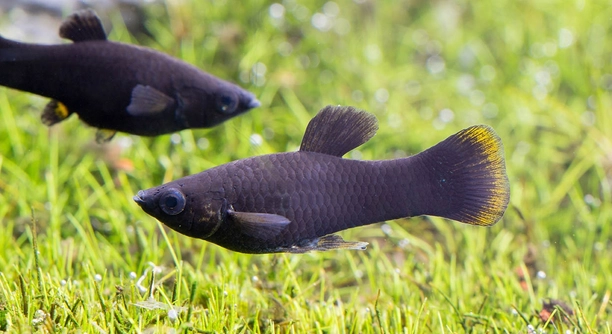
Do you ever worry that your black molly is not as lively as it should be? Many owners face challenges keeping their fish happy and healthy in a home aquarium. Temperature plays a key role in their well-being.
Black molly health is directly influenced by water temperature. Fluctuations or extremes can cause stress, weaken the immune system, and increase susceptibility to disease. Maintaining a stable temperature range is essential for their survival, growth, and reproductive success.
Proper temperature care ensures your black molly thrives, and learning common errors can prevent unnecessary stress or health problems in your aquarium.
Sudden Temperature Swings
Sudden changes in water temperature can shock black mollies, causing stress that affects their behavior and health. Even small drops or rises, like a few degrees, can make them sluggish or hide more than usual. Fish rely on a stable environment to regulate metabolism, digest food properly, and maintain strong immune responses. Rapid shifts can increase susceptibility to infections or parasites. Many aquariums experience these swings if heaters or room temperatures are inconsistent. It is important to check the water regularly and avoid placing tanks near windows, air vents, or direct sunlight, which can cause unpredictable fluctuations. Adjustments to temperature should be gradual. Using a reliable aquarium heater with a thermostat can help maintain consistency. Regular monitoring ensures that your black molly has a comfortable, stable habitat that supports growth and activity. Maintaining a steady environment also encourages natural behaviors, such as swimming in groups and exploring the tank, which indicate a healthy fish.
Sudden temperature swings stress black mollies and can lead to illness. Consistent water temperature is essential to preserve their immune function and overall vitality.
Keeping the tank away from heat or cold sources helps reduce sudden shifts. Gradual adjustments allow fish to adapt without harm, ensuring long-term stability.
Water Too Cold
Cold water slows down black molly metabolism, affecting their appetite, energy, and immune system. If the temperature drops below their preferred range, they may become lethargic, stop eating, or hide excessively. Chronic exposure can lead to growth issues and increased vulnerability to disease. Cold water also reduces the efficiency of their digestive system, which can cause bloating or nutrient deficiencies over time. Heaters with thermostats can prevent these problems and maintain a safe range. Regular checks ensure the tank stays within the optimal temperature zone. Cold water can sometimes go unnoticed if the tank is in a room with fluctuating temperatures, such as near doors or drafty windows. Ensuring stable conditions helps the fish stay active, feed well, and reproduce successfully. Observing their behavior and adjusting the temperature gradually allows mollies to remain healthy without unnecessary stress. A warm, stable environment is key for their vitality and well-being.
Avoid letting water temperatures fall below the ideal range to maintain activity and health.
Cold stress can silently affect your black mollies before obvious signs appear. Small, consistent adjustments make a big difference in preventing illness, encouraging proper feeding, and supporting growth. Using a thermometer helps track daily fluctuations, and positioning the tank away from drafts ensures more stable temperatures. Gradual heating prevents shock, while consistent warmth promotes energy, appetite, and immune strength. Understanding how cold impacts these fish allows better care decisions, ensuring they remain lively and resistant to common infections.
Water Too Hot
Hot water speeds up black molly metabolism, making them more active but also more stressed. Prolonged high temperatures can weaken their immune system, reduce oxygen levels, and cause aggressive behavior.
Excessively warm water lowers dissolved oxygen, which black mollies need to breathe properly. Stress from heat can make them more prone to infections and reduce appetite. Overheating also accelerates metabolism, leading to faster consumption of food and quicker waste buildup, which can harm water quality. If the tank temperature consistently rises above the safe range, it can cause long-term health problems, including weakened organs and stunted growth. Using a reliable thermometer and monitoring heat sources is crucial. Fans, floating ice packs, or partial water changes can help cool the tank safely. Avoid sudden drops after heating, as drastic changes can cause additional stress or shock, making mollies more vulnerable to disease. Maintaining consistent warmth within their preferred range is essential.
High water temperatures not only stress mollies but also increase the risk of oxygen depletion, which can affect survival and activity levels.
Heater Malfunctions
A malfunctioning heater can create unstable temperatures that harm black mollies. Inconsistent heat leads to stress, illness, and uneven tank conditions. Maintaining a functional heater ensures stability and health.
Heater failures are often unnoticed until fish show signs of stress, such as hiding, reduced appetite, or erratic swimming. If the water becomes too cold, metabolism slows, and the immune system weakens. If it becomes too hot, oxygen levels drop and disease risk rises. Regular checks of the heater, including backup thermostats, prevent sudden problems. It is helpful to have a thermometer separate from the heater’s display to verify accuracy. Simple maintenance, like cleaning mineral buildup and checking cords, ensures reliable operation. Replacing faulty equipment quickly avoids prolonged exposure to dangerous temperatures. Monitoring the tank daily allows immediate action if the heater fails. Consistent heating promotes normal feeding, activity, and overall well-being for black mollies.
Checking the heater regularly and using a backup can prevent temperature-related health issues.
Nighttime Temperature Drops
Nighttime can bring sudden temperature drops that affect black mollies. Without stable warmth, fish can become sluggish, stop eating, or hide for long periods.
Using a reliable heater with a thermostat prevents these fluctuations. Even small drops at night can stress the fish and weaken their immune system over time.
Direct Sunlight Exposure
Direct sunlight heats the tank quickly, causing water temperature to rise beyond safe levels. Black mollies become stressed, oxygen levels drop, and algae growth can accelerate. Proper placement of the tank away from windows or using blinds helps maintain a stable environment and protects the fish.
Inconsistent Monitoring
Regular temperature checks are necessary to avoid unnoticed fluctuations. Even a working heater cannot ensure safe conditions without daily observation. Consistent monitoring ensures black mollies remain healthy and active.
Overcrowded Tank
Too many fish in a tank raises water temperature and reduces oxygen. Black mollies can become stressed, aggressive, and more prone to illness if overcrowding persists.
What is the ideal temperature for black mollies?
The ideal temperature for black mollies is generally between 75°F and 82°F. Staying within this range ensures proper metabolism, healthy immune function, and normal activity. Temperatures outside this range can cause stress, slow growth, or increased susceptibility to disease. Maintaining consistent warmth is more important than hitting an exact number.
How do I know if my black molly is stressed from temperature?
Signs of stress include hiding, sluggish swimming, reduced appetite, and rapid gill movement. Some mollies may also become aggressive or display faded colors. Watching behavior daily helps catch temperature-related issues early. Sudden changes or extremes often cause these symptoms, and correcting the water temperature can reverse the stress.
Can black mollies survive in slightly cooler or warmer water?
Black mollies can tolerate slight variations, but long-term exposure outside their preferred range affects health. Cooler water slows metabolism and can reduce feeding, while warmer water lowers oxygen and increases stress. Occasional short-term fluctuations may be safe, but consistent conditions are crucial for their well-being.
How often should I check the water temperature?
Daily monitoring is ideal. Even a reliable heater can fail or drift in accuracy. Using a separate thermometer gives an unbiased reading. Checking the tank each day allows early detection of fluctuations and ensures mollies remain within their safe temperature range, preventing illness and stress.
What can I do if my tank temperature rises too high?
If the water gets too warm, first move the tank away from heat sources like windows or direct sunlight. Partial water changes with slightly cooler water can reduce temperature gradually. Adding a fan or adjusting the heater can help. Avoid sudden drops in temperature, as they can stress the fish further.
Can heater malfunctions harm black mollies?
Yes, heater malfunctions can cause dangerous temperature swings. A broken heater can overheat or leave water too cold, stressing or even killing fish. Regular inspection, cleaning, and using a backup heater or thermostat ensures temperature stays stable and safe for the fish.
Is it okay if the temperature fluctuates a few degrees?
Small fluctuations are normal, but large or rapid swings are harmful. Even a few degrees can stress sensitive black mollies if it happens frequently or suddenly. Gradual adjustments and consistent monitoring minimize the risk, helping the fish remain active and healthy.
Do black mollies need different temperatures at night?
Nighttime temperatures should remain stable. Sudden drops can shock mollies, slowing metabolism and weakening immunity. Using a heater with a reliable thermostat ensures that nighttime conditions remain within the safe range, preventing stress and promoting normal feeding and swimming behaviors.
Can overcrowding affect water temperature?
Yes, too many fish in a tank raises water temperature naturally. Overcrowding also reduces oxygen levels and increases stress. Keeping the tank stocked appropriately helps maintain stable temperature, healthy oxygen levels, and a calmer environment for black mollies.
How do I prevent temperature problems in a new tank?
When setting up a new tank, install a reliable heater with a thermostat and a separate thermometer. Place the tank away from drafts, windows, and heat sources. Monitor temperature daily for the first few weeks to ensure stability. Gradually introduce black mollies only after conditions are consistent and safe.
Can water conditioners or additives help with temperature stress?
Water conditioners do not directly control temperature but can reduce stress from chemical changes, toxins, or pH shifts. Maintaining stable temperature alongside clean, balanced water supports black mollies’ overall health, improving resistance to stress and disease caused by temperature fluctuations.
How long can black mollies tolerate a temperature mistake?
Short-term exposure to slightly incorrect temperatures may not immediately harm black mollies, but prolonged periods lead to stress, disease susceptibility, and weaker growth. Immediate correction of temperature problems is essential to prevent long-term health consequences and keep fish active and thriving.
Are certain black molly behaviors linked to temperature issues?
Yes. Lethargy, hiding, gasping at the surface, erratic swimming, or loss of appetite are often signs of temperature stress. Monitoring behavior helps detect problems early. Correcting water temperature, ensuring proper oxygenation, and stabilizing conditions allow mollies to recover quickly.
What equipment helps maintain stable temperature?
Reliable heaters with built-in thermostats, separate thermometers for verification, and fans or chiller systems in hot climates help maintain consistent temperatures. Regular maintenance and placement away from drafts or direct sunlight also ensure a stable, safe environment for black mollies.
Can black mollies reproduce if the temperature is off?
Temperature outside the preferred range can inhibit breeding. Too cold slows metabolism and reproductive behavior, while too hot increases stress and reduces fertility. Stable, optimal temperatures promote successful spawning, healthy fry, and active adult fish.
Is it necessary to adjust temperature for seasonal changes?
Yes. Room temperature fluctuations in summer or winter can affect the tank. Adjust heaters gradually and monitor daily to keep water within the ideal range. Sudden seasonal changes without adjustment can stress black mollies and impact their health.
How do I combine temperature control with water quality maintenance?
Stable temperature works best alongside clean water. Regular partial water changes, filtration, and monitoring pH, ammonia, and nitrate levels ensure mollies stay healthy. Unstable temperature combined with poor water quality accelerates stress, disease, and growth problems. Maintaining both factors supports overall fish well-being.
Can temperature affect black molly lifespan?
Yes, consistent exposure to unsafe temperatures can shorten lifespan. Stress weakens immunity, increases disease risk, and reduces activity. Keeping water within the ideal range ensures mollies remain active, healthy, and have a longer, more vibrant life in the aquarium.
What are the most common mistakes causing temperature issues?
Common mistakes include unreliable heaters, placing tanks in sunlight or near drafts, overcrowding, skipping daily monitoring, and sudden adjustments. Correcting these errors with consistent care, equipment checks, and proper placement prevents temperature-related stress and promotes long-term health for black mollies.
How quickly should I respond to temperature problems?
Immediate response is crucial. Even a few hours of extreme temperatures can stress mollies and compromise health. Adjust heaters, move tanks away from heat sources, or perform partial water changes as soon as issues are noticed to minimize negative effects.
Can black mollies fully recover from temperature stress?
With prompt correction and stable conditions, black mollies can recover from temporary temperature stress. Recovery includes returning to normal behavior, appetite, and activity levels. Consistent monitoring, proper care, and preventing future fluctuations help fish regain strength and remain healthy.
What daily practices help maintain ideal temperature?
Check water temperature each day, inspect heaters, verify thermometers, and monitor fish behavior. Keep the tank away from heat or cold sources and perform gradual adjustments when needed. Daily care ensures a stable environment, reduces stress, and supports the health of black mollies over time.
How do I safely lower or raise tank temperature?
Temperature adjustments should be gradual to prevent shock. Use heaters to raise temperature slowly and partial water changes or fans to cool water gradually. Avoid sudden swings, and monitor closely with a thermometer until the tank stabilizes at the desired range.
Are there signs that indicate long-term temperature issues?
Long-term issues show as stunted growth, faded colors, chronic stress behaviors, frequent disease, and poor appetite. Consistent observation and proper tank management help detect and prevent prolonged temperature problems, ensuring mollies remain healthy and active.
Can black mollies tolerate temperature differences in multi-species tanks?
Tolerance varies by species. Black mollies prefer 75°F–82°F, so other species with similar temperature needs are suitable. Mismatched species may require compromises that stress mollies or others. Maintaining a compatible temperature range for all fish is key to minimizing stress and disease risk.
How does tank size affect temperature stability?
Larger tanks maintain more stable temperatures due to greater water volume, while smaller tanks fluctuate more easily. Using heaters, thermometers, and careful placement helps stabilize smaller tanks, reducing stress and health risks for black mollies.
What is the safest way to introduce new fish regarding temperature?
Acclimate new fish by slowly adjusting them to the tank’s temperature over 15–30 minutes. Float them in a bag or container and gradually mix tank water. Sudden temperature differences can shock fish and increase mortality risk. Gradual acclimation ensures a safe transition.
Can temperature affect molly coloration?
Yes, stress from improper temperatures can dull colors, while optimal conditions enhance vibrancy. Stable, ideal temperatures promote healthy pigmentation, overall vitality, and more natural behavior, allowing black mollies to display their characteristic dark, glossy appearance.
How can I make temperature management easier?
Use reliable heaters, thermostats, backup devices, and thermometers. Place the tank away from drafts or sunlight, and perform daily checks. Consistency, combined with gradual adjustments when needed, simplifies care and ensures black mollies remain healthy and active.
What role does oxygen play alongside temperature?
Temperature affects oxygen levels; warmer water holds less oxygen. Low oxygen combined with high temperatures increases stress and risk of disease. Aeration, plants, and careful monitoring ensure mollies receive enough oxygen even when temperatures rise slightly.
Can black mollies recover from minor temperature mistakes without intervention?
They may survive minor fluctuations, but intervention speeds recovery and reduces stress. Correcting temperature, monitoring water quality, and stabilizing conditions prevent illness, improve feeding, and restore normal activity levels more quickly.
What equipment should I invest in for temperature control?
Invest in a reliable heater with thermostat, a separate thermometer, and optional chiller or fan if in a hot climate. Consistent monitoring and maintenance of this equipment ensures water remains within the safe range for black mollies.
How long does it take for black mollies to adjust to new stable temperatures?
Fish usually adjust within a few hours to a few days if changes are gradual. Quick shifts may cause stress or temporary hiding. Monitoring behavior ensures they adapt successfully, returning to normal activity, feeding, and coloration.
What habits prevent long-term temperature problems?
Daily checks, proper heater placement, gradual adjustments, and avoiding direct sunlight or drafts prevent long-term issues. Maintaining water quality and monitoring behavior ensures black mollies stay healthy and active over their lifetime.
Can temperature issues be linked to other health problems?
Yes, poor temperature management often coincides with increased disease susceptibility, poor appetite, stress behaviors, and weakened immune systems. Addressing temperature alongside water quality and nutrition minimizes risks and supports overall health.
How do I combine temperature control with feeding schedules?
Feeding should align with optimal temperatures. Cold water slows digestion, while high temperatures increase metabolism. Stable temperatures allow consistent feeding, proper digestion, and nutrient absorption, keeping black mollies healthy, active, and growing.
Are certain seasons more challenging for temperature maintenance?
Summer and winter pose challenges due to external heat or cold. Gradual adjustments, careful monitoring, and reliable equipment prevent stress from seasonal fluctuations, ensuring mollies remain active and healthy year-round.
What is the biggest mistake people make with black molly temperatures?
The most common mistake is neglecting daily monitoring and assuming heaters always work correctly. Ignoring fluctuations or sudden changes can stress fish, reduce immunity, and lead to illness. Consistent observation, proper equipment, and gradual adjustments prevent serious health problems.
How does tank decor affect temperature stability?
Rocks, plants, and decorations can buffer minor changes but do not replace proper heater and monitoring. Dense plants may shade parts of the tank, reducing hotspots, but consistent equipment and placement remain essential for stable conditions.
Can temperature stress affect molly social behavior?
Yes, stressed fish may hide, avoid group swimming, or become aggressive. Stable temperatures encourage normal social interaction, healthy schooling, and active exploration, reflecting overall well-being and reducing stress-related behavior issues.
How often should I replace heaters or thermometers?
Equipment lifespan varies, but replace heaters or thermometers showing inaccurate readings or malfunctions immediately. Regular inspection ensures reliable operation, preventing dangerous temperature swings and protecting black molly health.
What should I do if multiple temperature issues occur at once?
Prioritize stabilizing the water gradually. Check heaters, placement, and oxygen levels. Partial water changes or temporary relocation may help. Monitor fish closely for stress and correct problems systematically to restore stable conditions efficiently.
Can temperature affect black molly lifespan in small tanks?
Yes, small tanks fluctuate faster, increasing stress and disease risk. Proper equipment, regular monitoring, and careful placement reduce temperature swings, supporting health, activity, and longer lifespan for black mollies.
What is the most reliable way to maintain safe temperatures long-term?
Use a reliable heater, separate thermometer, daily monitoring, and gradual seasonal adjustments. Keep the tank away from drafts, direct sunlight, and heat sources. Combine with proper water care to create a stable environment that promotes long-term black molly health.
How does temperature interact with breeding conditions?
Stable, optimal temperatures promote spawning, egg viability, and fry survival. Fluctuating or extreme temperatures reduce reproductive activity, stress adults, and can harm eggs. Maintaining warmth within the ideal range ensures successful breeding and healthier offspring.
Can black mollies adapt to slightly higher or lower temperatures over time?
They can tolerate small variations, but long-term exposure to extremes reduces health, immunity, and growth. Gradual adjustments within the safe range allow mollies to adapt without stress, but consistency is more important than adaptation.
How do I balance temperature with filtration and aeration?
Filtration generates slight heat, while aeration can slightly cool water. Adjust heaters and monitor temperature to account for these effects. Proper balance ensures stable conditions, healthy oxygen levels, and optimal black molly health.
What are the early signs of chronic temperature stress?
Early signs include reduced activity, hiding, faded colors, slow feeding, and occasional gasping. Detecting these early allows for timely correction, preventing long-term health problems and maintaining fish vitality.
Are there temperature-related diseases common to black mollies?
Temperature stress increases susceptibility to bacterial and parasitic infections, fungal growth, and weakened immune responses. Maintaining a stable, ideal temperature reduces disease risk and promotes stronger overall health.
Can adding more plants or decorations help stabilize temperature?
Plants and decorations buffer minor fluctuations by shading or slowing heat changes but cannot replace proper equipment. They help create microhabitats but should complement heaters, thermometers, and careful monitoring.
How important is gradual adjustment when changing temperatures?
Gradual adjustments prevent shock, stress, and potential mortality. Sudden changes compromise immune systems and behavior, while slow changes allow fish to adapt safely and maintain normal feeding and swimming.
Does lighting affect water temperature significantly?
Lighting can increase temperature, especially strong aquarium lights or prolonged exposure. Monitor and adjust heaters or shading to prevent overheating, ensuring stable conditions for black mollies.
How do I know if the heater thermostat is accurate?
Compare readings from a separate thermometer. If readings differ, adjust or replace the heater. Accurate thermostats are essential for maintaining safe, stable water temperatures and protecting black molly health.
Are certain black molly types more sensitive to temperature changes?
Some hybrids or selectively bred varieties may be slightly less tolerant, but all black mollies prefer stable conditions. Sensitive fish benefit most from careful monitoring, gradual adjustments, and reliable equipment.
Can temperature issues cause long-term behavioral changes?
Yes, chronic stress from temperature extremes can lead to hiding, aggression, or poor social interactions. Stable, ideal conditions allow normal behaviors to resume, maintaining a calm, healthy aquarium environment.
How often should I perform water changes to assist temperature control?
Water changes can help cool water slightly if done gradually. Regular partial changes also maintain water quality. Avoid sudden large changes that drastically alter temperature, which can stress black mollies.
Is it necessary to have a backup heater?
A backup heater prevents sudden drops during primary heater failure. This ensures continuity, reduces stress, and protects black mollies from dangerous temperature swings, especially overnight or when owners are away.
How does tank placement influence temperature consistency?
Placement away from windows, drafts, or heat sources prevents rapid fluctuations. Consistent ambient conditions reduce stress and help heaters maintain a stable, safe temperature for black mollies.
Can temperature affect molly growth?
Yes, temperatures outside the ideal range slow metabolism and digestion, affecting growth rates. Stable, optimal temperatures support normal development, stronger immune systems, and healthier, more active fish.
How do I handle temperature during vacations or extended absences?
Ensure heaters are reliable, backup systems are in place, and someone checks the tank daily if possible. Stable temperature and proper monitoring prevent stress, illness, and potential mortality during extended absences.
Can tank size change the effect of heater malfunctions?
Yes, small tanks fluctuate faster, making heater failures more dangerous. Larger tanks buffer temperature changes better, but regular monitoring and backup heaters are still important to protect black mollies.
Are there tools to automatically alert me of temperature changes?
Temperature alarms, smart sensors, and connected devices can notify owners of fluctuations. Using these tools prevents unnoticed problems and allows quick intervention, keeping black mollies safe and healthy.
Does seasonal sunlight affect black molly tanks?
Seasonal changes can increase sunlight exposure, raising water temperature. Adjust placement, blinds, or heaters to maintain stable conditions, protecting fish from stress and overheating.
Can temperature affect molly coloration in fry?
Yes, unstable temperatures can stress fry, slow growth, and reduce pigment development. Stable warmth supports healthy growth, vibrant colors, and overall vitality during early life stages.
How do I safely acclimate fish from another tank?
Float the bag in the tank and gradually mix water over 15–30 minutes. Sudden temperature differences can shock fish. Slow acclimation ensures survival and reduces stress when introducing new black mollies.
Can filtration or aeration help reduce temperature stress?
Filtration and aeration help maintain oxygen levels, which can drop in warm water. While they don’t control temperature directly, they reduce stress from heat-related low oxygen, supporting fish health.
Is it okay to adjust temperature daily to follow room conditions?
Daily adjustments create stress. Stable, consistent temperatures are more important than matching room changes. Use heaters, placement, and shading to maintain safe ranges without daily fluctuations.
Can stress from temperature affect molly immune response?
Yes, stressed fish have weaker immune systems, making them more prone to bacterial, fungal, and parasitic infections. Maintaining stable temperature supports natural defense mechanisms and overall health.
How do I combine temperature control with feeding schedules for fry?
Stable temperatures ensure fry digest food properly and grow normally. Feeding at consistent times and monitoring water ensures safe conditions, healthy growth, and minimal stress. Gradual adjustments prevent shock and maintain development.
Are black mollies sensitive to temperature during breeding season?
Yes, breeding requires stable conditions. Fluctuations can prevent spawning, stress adults, or reduce fry survival. Maintaining optimal warmth supports reproductive behavior, egg viability, and healthy offspring.
What is the most reliable daily routine to prevent temperature issues?
Check thermometer, inspect heater, monitor fish behavior, and adjust gradually if needed. Ensure placement avoids drafts or sunlight. Combining daily checks with proper equipment
Maintaining the right temperature is one of the most important aspects of caring for black mollies. Their health depends heavily on stable water conditions, and even small fluctuations can cause stress. Stress can lead to reduced appetite, sluggish behavior, and weakened immune systems. Over time, repeated exposure to unsafe temperatures can affect growth, reproduction, and overall lifespan. Black mollies are delicate in this way, and keeping the water within their preferred range, between 75°F and 82°F, is essential. Even when the fish appear healthy, unnoticed temperature changes can gradually affect them. Regular checks and careful monitoring help prevent these issues before they become serious. It is not just about having a heater or thermometer but about observing the fish’s behavior, understanding their needs, and taking action quickly when the environment is off balance.
Using proper equipment is key to maintaining stable temperatures. A reliable heater with a thermostat ensures that water stays within the safe range. It is also helpful to have a separate thermometer to verify the heater’s accuracy. Backups or alarms can prevent problems if equipment fails. Placement of the tank matters as well. Avoiding windows, drafts, or direct sunlight prevents sudden swings caused by external conditions. Partial water changes or small adjustments can help in emergency situations, but they should always be done gradually. Rapid changes are more harmful than minor, slow fluctuations. It is also important to consider tank size, crowding, and aeration, as these factors can affect temperature stability. Larger tanks generally maintain more consistent temperatures, while smaller tanks can fluctuate more easily. Careful planning and consistent attention to these details support the health and well-being of black mollies.
Even with careful temperature control, daily observation remains essential. Watch for signs of stress, such as hiding, loss of appetite, or erratic swimming. Prompt responses to these signs, whether adjusting the heater, moving the tank, or changing water gradually, help prevent long-term damage. Temperature is not the only factor in black molly health, but it is one of the most influential. Stable water allows them to feed properly, swim actively, reproduce successfully, and resist disease. Paying attention to both equipment and behavior creates an environment where black mollies can thrive. Consistency, patience, and small adjustments when necessary provide the best chance for these fish to stay healthy and live a long, active life in an aquarium. Proper care ensures that temperature is never a limiting factor for their growth or happiness.

Hello,
If you enjoy the content that we create, please consider saying a "Thank You!" by leaving a tip.
Every little bit helps us continue crafting quality advice that supports the health, happiness, and well-being of pets around the world, for pets of all shapes, sizes, and species.
We really appreciate the kindness and support that you show us!