
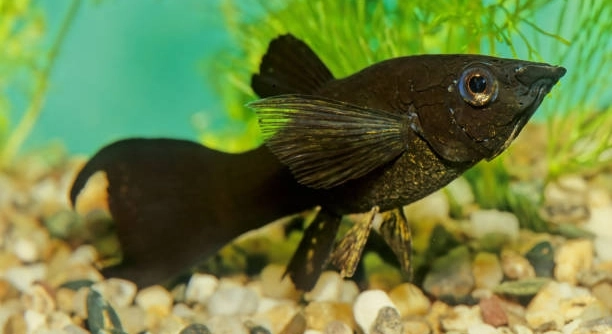
Have you ever noticed your black molly swimming gracefully in its tank, and wondered if it could continue producing fry without mating again? Many fish enthusiasts keep black mollies for their lively presence and beautiful appearance. Observing them can be relaxing.
Black mollies are capable of storing sperm from a previous mating, allowing females to produce multiple clutches of fry without mating again. This reproductive adaptation enables continued breeding for several months, depending on the female’s health and environmental conditions.
Understanding this process can help you manage your aquarium more effectively and ensure the long-term wellbeing of your fish.
How Black Mollies Store Sperm
Female black mollies have the remarkable ability to store sperm from a single mating. This means that even without a male present, they can continue producing fry for several months. The stored sperm remains viable inside specialized structures, allowing eggs to be fertilized over time. Environmental conditions, such as water temperature and diet, can influence how long a female can continue reproducing. Providing a stable and clean tank supports the female’s health and maximizes the chances of successful fry development. I have noticed in my own tank that a female black molly can produce multiple clutches from one encounter with a male, which is fascinating to watch. Regular observation helps track how often fry are produced and ensures that the tank does not become overcrowded, which could stress the fish and reduce survival rates.
This storage ability reduces the need for constant male presence, making breeding easier to manage.
Understanding sperm storage gives insight into managing breeding cycles and maintaining a healthy tank balance for black mollies. Consistent feeding with high-quality food and monitoring water parameters are key. Over time, a female may show signs of being ready to release fry, such as a swollen belly. It’s important to prepare a safe area for fry, like a breeding box or heavily planted section of the tank, to prevent adult fish from eating them. Tracking the timing of fry release also helps anticipate tank population growth. Observing interactions between the female and any remaining males can provide further insight into reproductive behavior, even if mating has already occurred. Overall, knowing how black mollies store sperm allows for better planning and ensures the female’s health is not compromised while still supporting ongoing breeding in a controlled environment.
Preparing the Tank for Fry
Keeping the tank clean and well-planted creates a safe space for newborn fry. High water quality reduces stress and increases survival rates.
Setting up a breeding area involves adding fine-leaved plants or breeding boxes to protect the fry. The water should be stable in temperature and chemistry, and feeding small, frequent meals helps the fry grow. Observing their growth ensures adjustments can be made to maintain a healthy tank environment. A separate fry tank may also be considered if the main tank becomes overcrowded. Managing light exposure and gently filtering water without strong currents prevents the fry from being swept away or stressed. Over time, these steps increase survival rates and support the female in producing healthy, thriving fry. Consistency in maintenance and feeding routines helps establish a safe, nurturing environment for both adult black mollies and their offspring.
Feeding the Fry
Fry need small, frequent meals to grow properly. Infusoria, baby brine shrimp, and finely crushed flakes are ideal. Consistent feeding ensures they develop quickly and stay healthy.
I usually start with infusoria for the first few days after birth. Once they grow slightly, I introduce baby brine shrimp, which provides protein for strong development. Gradually, I mix finely crushed flakes into their diet so they adapt to adult food. Monitoring their growth and adjusting the feeding amount prevents overfeeding and maintains water quality. Keeping a regular schedule helps the fry develop steadily while reducing stress in the tank.
Feeding routines also help prevent competition among fry. Small, even portions ensure all fry get nutrients. Observing their behavior during feeding can indicate if any are struggling or need additional care. Separating slower-growing fry temporarily can improve survival and growth rates, creating a balanced and thriving tank environment.
Managing Tank Conditions
Stable water parameters are essential for black mollies and their fry. Temperature, pH, and cleanliness directly affect survival rates and growth. Regular testing and gentle water changes maintain a healthy environment.
In my tank, I keep temperature around 77–82°F and pH between 7.0 and 8.0, which suits both adults and fry. Frequent water changes, about 20% weekly, remove waste and prevent harmful chemical buildup. I also use a sponge filter to provide gentle filtration without sucking up fry. Over time, maintaining these conditions reduces stress and disease, supporting healthy growth. Observation is key; changes in behavior or appearance often signal adjustments are needed.
Consistent lighting and minimal tank disturbances improve fry survival. Plants and hiding spaces reduce stress and allow fry to explore safely. Avoiding sudden shifts in water chemistry, temperature, or strong currents keeps the fry from being overwhelmed. Regular cleaning of substrate and monitoring water clarity also prevent harmful bacteria or algae buildup. Together, these practices ensure the tank remains a supportive environment, helping both female black mollies and their fry thrive while maintaining long-term health.
Recognizing Fry Development
Fry grow quickly, and changes are noticeable within the first few weeks. Their size and color gradually begin to resemble adult black mollies. Watching this progression is rewarding and helps track health.
Signs of strong growth include active swimming, steady appetite, and vibrant coloration. Weak or slow fry may need extra care, like separate feeding or gentler water flow. Regular observation allows early intervention to improve survival rates and ensures the tank remains balanced for all fish.
Separating Fry From Adults
Separating fry from adult mollies reduces the risk of predation. Breeding boxes or partitions in the tank provide a safe space for young fish.
I often use a small mesh divider in my tank. It keeps fry protected while still allowing water to circulate, maintaining consistent conditions. Observing fry behavior behind the divider also gives insight into their development and activity levels. Regular cleaning and careful handling prevent stress and support healthy growth.
Preventing Overcrowding
Too many fry in one tank can lead to competition and stress. Keeping populations in check is important.
Introducing a separate fry tank or selectively removing fry ensures proper space and resources.
Monitoring Female Health
Female black mollies need proper nutrition and care after producing multiple clutches. Regular feeding and clean water support recovery and continued reproductive health.
How long can a female black molly produce fry without mating again?
Female black mollies can store sperm from a single mating and use it to fertilize eggs for several months. The exact duration depends on her age, health, and tank conditions. In my experience, some females continue producing viable fry for up to six months, while others may slow down sooner. Maintaining a stable environment with proper nutrition and clean water helps extend this period. Observing the female’s behavior, such as a gradually swelling belly, can indicate when she is ready to release another batch of fry.
Can black mollies reproduce without a male present at all?
No, black mollies cannot reproduce entirely without sperm. However, the sperm stored from a previous mating allows them to continue producing fry even if a male is no longer in the tank. This adaptation can be surprising when a female suddenly gives birth long after a male has been removed. It is important to monitor tank populations, as females may continue producing multiple clutches without additional mating. Providing hiding spaces for fry ensures they survive during this time, as adult mollies may eat them if given the chance.
How often do black mollies release fry from stored sperm?
The timing between clutches can vary, but most females release fry every 25–30 days. Factors such as food availability, water quality, and stress levels can influence the interval. I noticed that with consistent feeding and low-stress conditions, the clutches tend to appear more regularly. Overcrowding or poor water quality may delay fry release or reduce survival rates. Keeping a log of fry births can help predict future clutches and plan tank space accordingly.
What signs indicate a female is ready to give birth?
A swollen or rounded belly is the most obvious sign. Other signs include darker gravid spots near the rear, decreased activity, and occasionally hiding more than usual. In my tank, I often see females seeking dense plant areas before giving birth. Preparing a breeding box or protected area in advance can prevent fry from being eaten by other fish and ensures a higher survival rate.
Do females need special care after giving birth?
Yes, females benefit from proper nutrition and calm conditions after giving birth. Feeding high-quality flakes or live foods helps her recover energy. I usually provide extra hiding spots and reduce disturbances for a few days. Monitoring water parameters during this period is also essential, as stress or poor conditions can affect her health and future breeding cycles.
Can a female store sperm indefinitely?
No, sperm storage is temporary. While it can last several months, it eventually loses viability. I’ve seen females stop producing fry after six months without re-mating. At that point, introducing a male is necessary for continued reproduction. Providing optimal tank conditions can help extend the storage period, but it cannot be permanent.
Will stored sperm produce as many fry as fresh mating?
Stored sperm can produce multiple clutches, but the number of fry may gradually decrease over time. Early clutches tend to be larger and healthier, while later ones might be smaller. Observing fry survival and growth helps determine when a new mating may be needed. Regular tank maintenance and feeding also influence the number of fry that survive each batch.
Is it possible for a female to give birth without visible mating history?
Yes, sometimes a female may produce fry even if a male hasn’t been observed recently. This is due to previously stored sperm. In my experience, it can be surprising when a female produces fry weeks after the male has been removed. Proper observation and preparation for fry care are important to ensure survival.
Do tank conditions affect sperm storage success?
Absolutely. Stable water temperature, clean water, and good nutrition are essential. Stressful conditions, like poor water quality or overcrowding, can reduce sperm viability and affect fry survival. I always make sure my tank is calm and well-maintained, which helps females use stored sperm effectively and produce healthy fry consistently.
How can I manage fry from stored sperm without overpopulating the tank?
Monitoring births and transferring fry to a separate tank or breeding box prevents overcrowding. I often move fry once they are strong enough to swim freely but small enough to avoid predation. Regular observation and maintaining proper tank ratios help balance populations and ensure the long-term health of both adults and young.
This FAQ section covers the main questions about black mollies breeding without re-mating. Observing, maintaining proper care, and understanding their reproductive abilities are key to managing fry and keeping a healthy tank.
Black mollies are fascinating fish with unique reproductive abilities. One of the most interesting aspects is their ability to store sperm from a single mating and continue producing fry without a male present. This adaptation allows them to maintain a population even in tanks with limited male presence. Over time, the female can release multiple clutches of fry, sometimes over several months. Observing this process can be both rewarding and educational, as it shows how resilient and adaptable these fish can be. Understanding this natural behavior also helps in planning tank setups and managing populations effectively, ensuring that both adults and fry have the right conditions to thrive.
Proper care is essential for black mollies, especially when managing fry. Providing a clean tank, stable water parameters, and a balanced diet supports both the female and the developing fry. Hiding spaces or breeding boxes are important to protect fry from adults, as adult mollies may eat newborns if given the chance. Regular observation helps track growth, health, and behavior, allowing adjustments to feeding or tank setup when needed. Consistent maintenance reduces stress on the fish and promotes successful breeding cycles. By paying attention to these details, it is possible to enjoy watching healthy, active fry grow and develop into strong adult black mollies.
Managing a tank with black mollies also involves planning for population control and long-term care. While the ability to store sperm is convenient, it can lead to overcrowding if not monitored carefully. Separating fry or providing additional tanks when populations grow too large ensures that each fish has enough space and resources. It is also important to monitor the female’s health, especially after multiple clutches, and provide proper nutrition and calm conditions to support recovery. Understanding how black mollies reproduce, care for fry, and respond to environmental changes allows for a healthier tank overall. With careful attention and consistent care, black mollies can thrive and reproduce successfully, making them a rewarding addition to any freshwater aquarium.

Hello,
If you enjoy the content that we create, please consider saying a "Thank You!" by leaving a tip.
Every little bit helps us continue crafting quality advice that supports the health, happiness, and well-being of pets around the world, for pets of all shapes, sizes, and species.
We really appreciate the kindness and support that you show us!