
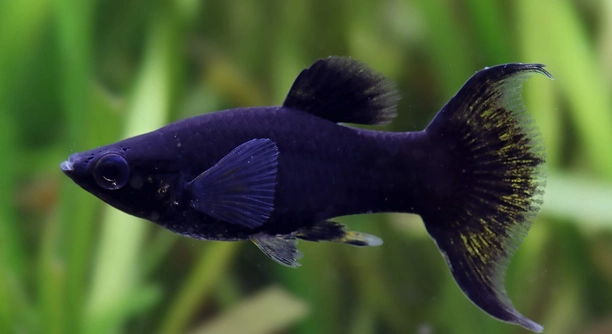
Do you ever notice your Black Molly darting across the tank, seemingly without reason? Their sudden bursts of energy can be puzzling, leaving owners unsure whether it is normal behavior or a sign of stress.
Hyperactivity in Black Mollies is typically caused by environmental stress, overfeeding, poor water quality, excessive light, insufficient space, sudden temperature changes, or the presence of other aggressive tank mates. Each factor can significantly influence their activity levels.
Understanding these causes will help you create a calmer, healthier environment for your fish and improve their overall well-being. Paying attention to these details can make a noticeable difference.
Environmental Stress
Black Mollies can become hyperactive when their environment is not stable. Sudden changes in water temperature, pH, or tank setup often trigger stress responses. Even minor disturbances, like moving decorations or frequent tapping on the glass, can increase activity. Stress makes fish more alert and prone to darting around. Keeping a consistent environment is crucial for reducing unnecessary movement. Observing your fish closely will help you notice subtle changes that might indicate discomfort. Providing hiding spots and maintaining calm lighting can also help Black Mollies feel secure. Overcrowded tanks add pressure, intensifying hyperactive behavior, so spacing and proper population control are important. Regular monitoring and gentle adjustments are key to maintaining a stable, stress-free habitat that supports normal, healthy activity.
Environmental stress is often the first factor to check when hyperactivity appears in Black Mollies. A calm, consistent tank reduces sudden bursts of movement.
Proper maintenance, including regular water testing, careful decoration placement, and avoiding sudden disturbances, ensures your Black Mollies remain healthy and relaxed. A steady routine promotes stability and reduces erratic behavior.
Overfeeding
Overfeeding can trigger rapid, erratic swimming in Black Mollies. Giving too much food overwhelms their digestive system and creates excess waste in the tank, reducing water quality. Feeding smaller, controlled portions helps regulate energy and maintains a balanced environment.
Excess food increases activity as fish compete for resources, leading to hyperactive bursts.
When Black Mollies are overfed, they may gulp air at the surface or swim aggressively. Uneaten food decomposes quickly, raising ammonia and nitrite levels, which irritates the fish and further encourages frantic swimming. Reducing portion sizes, feeding only what they can consume in a few minutes, and removing leftovers immediately are effective solutions. Overfeeding is common, but careful observation and portion control make a significant difference. Pairing this with regular water changes prevents toxic buildup and keeps activity levels normal. Monitoring feeding habits is essential for long-term health, preventing both hyperactivity and digestive issues. Maintaining this routine ensures your Black Mollies remain calm and thrive in a stable environment.
Poor Water Quality
Poor water conditions can make Black Mollies hyperactive as they try to cope with toxins or imbalanced chemistry. High ammonia, nitrite, or nitrate levels irritate their system, causing erratic swimming and restlessness. Regular water checks are essential to prevent these spikes.
Maintaining clean water is critical for Black Mollies’ health. Frequent water changes, proper filtration, and testing pH, ammonia, nitrite, and nitrate levels help stabilize the tank. Sudden changes in these parameters create stress, which increases hyperactivity. A well-maintained tank prevents disease and promotes calmer behavior. Monitoring water quality daily or weekly ensures that any issues are addressed promptly before affecting the fish.
In addition to chemical balance, removing debris, leftover food, and waste is important. Filtration should match tank size and population to handle bioload efficiently. When tanks are overcrowded or filter systems are inadequate, even regular water changes may not be enough. Observing your fish for signs of distress, combined with routine maintenance, keeps them comfortable. Stable, clean water encourages natural swimming patterns and reduces frantic activity, helping Black Mollies feel secure and thrive.
Excessive Light
Too much light can overstimulate Black Mollies, leading to constant movement and jittery behavior. Bright or prolonged lighting periods increase stress and disrupt natural activity patterns. Adjusting the lighting schedule helps regulate their behavior.
Black Mollies respond to light intensity and duration. Continuous exposure to bright light can mimic a predator-rich environment, causing heightened alertness and hyperactivity. A consistent day-night cycle is important for their natural rhythm. Using a timer to control light periods ensures they have sufficient rest and activity balance. Overly bright lighting also encourages algae growth, which can further stress fish if not managed.
Reducing light intensity and providing shaded areas with plants or decorations gives Black Mollies spaces to retreat and calm down. Maintaining around 8–10 hours of light per day simulates natural conditions without overstimulation. Observing behavior after adjustments helps confirm the ideal balance. Adequate dark periods allow proper rest, reduce erratic swimming, and improve overall health. Proper lighting also supports natural feeding patterns, making the tank a more comfortable and less stressful environment.
Insufficient Space
Limited swimming space can make Black Mollies hyperactive as they compete for room. Crowded tanks increase stress and constant movement, reducing comfort and natural behavior. Proper tank size is essential for their well-being.
Providing more space reduces competition and allows smoother swimming. Adequate tank size prevents excessive bursts of activity caused by restricted movement.
Sudden Temperature Changes
Black Mollies are sensitive to temperature fluctuations, which can trigger erratic swimming. Rapid shifts stress their system and increase activity levels, disrupting normal behavior. Maintaining stable water temperature is vital.
Aggressive Tank Mates
Aggressive fish in the same tank can cause Black Mollies to dart around constantly. Avoid mixing with territorial species.
FAQ
What are the signs that my Black Molly is hyperactive?
Hyperactivity in Black Mollies is often seen as constant darting, rapid fin movement, and erratic swimming patterns. They may seem unable to rest and often jump or swim in quick bursts. Increased surface activity, frequent changes in direction, and aggressive chasing of tank mates are common signs. Observing these behaviors over time helps distinguish normal energy from stress-induced hyperactivity.
Can water quality alone cause hyperactivity?
Yes, poor water quality is a major factor in hyperactive behavior. High ammonia, nitrite, or nitrate levels irritate the fish, triggering frantic swimming. Even slight imbalances in pH or temperature can increase stress and lead to continuous movement. Regular testing, proper filtration, and partial water changes are necessary to maintain a stable environment.
How does overfeeding contribute to hyperactivity?
Overfeeding causes digestive discomfort and increases activity as fish compete for food. Excess food decomposes, raising ammonia and nitrite levels, which also triggers stress. Feeding controlled portions and removing leftovers promptly keeps Black Mollies calmer and prevents spikes in activity. Monitoring their eating habits is essential for maintaining normal energy levels.
Can lighting affect my Black Molly’s activity?
Yes, excessive or prolonged lighting overstimulates Black Mollies, causing constant movement. Bright lights mimic a predator environment, increasing alertness. Adjusting light duration to around 8–10 hours per day, providing shaded areas, and using timers helps regulate natural activity patterns. Proper lighting promotes calm behavior and reduces stress.
Does tank size really matter for hyperactivity?
Insufficient space restricts swimming, creating stress and constant darting. Crowded tanks force fish to compete for territory, increasing erratic movements. Providing adequate space allows natural swimming patterns, reduces aggression, and lowers hyperactivity. Following general tank size guidelines based on the number of fish ensures comfort and stability.
How do sudden temperature changes influence Black Mollies?
Rapid shifts in water temperature stress their metabolism and nervous system, leading to erratic swimming. Gradual adjustments and maintaining a stable range prevent hyperactivity. Using reliable heaters and thermometers ensures consistent water conditions, keeping activity levels normal and minimizing stress.
Can tank mates cause hyperactivity?
Yes, aggressive or territorial species can force Black Mollies into constant movement. They may dart to avoid conflict or chase other fish. Choosing peaceful companions and avoiding overcrowding reduces stress-related hyperactivity, creating a calmer and safer environment for all tank inhabitants.
What routine care helps prevent hyperactivity?
Maintaining clean water, controlling feeding, providing proper lighting, and ensuring sufficient space are key. Regular observation, monitoring for stress, and making adjustments promptly prevents erratic behavior. Consistency in tank conditions and daily care encourages stable, healthy activity patterns for Black Mollies.
Is hyperactivity always a sign of illness?
Not always. While stress, poor water conditions, and overcrowding often cause hyperactivity, certain illnesses can also trigger erratic behavior. Watch for additional symptoms like fin clamping, discoloration, or unusual spots. Promptly addressing environmental factors usually reduces activity before health issues develop.
How long does it take to calm a hyperactive Black Molly?
The timeline depends on the cause. Correcting water quality, feeding routines, lighting, and tank conditions can show results within days. Gradual adjustments prevent further stress. Observing behavior during changes ensures effective management and helps maintain long-term stability in activity levels.
Black Mollies are lively and interesting fish, but hyperactivity can indicate that something in their environment needs attention. Understanding the common causes, such as stress, overfeeding, poor water quality, excessive lighting, insufficient space, sudden temperature changes, or aggressive tank mates, is key to maintaining their health. Observing behavior closely helps identify patterns and triggers. By paying attention to these factors, owners can create a more stable and comfortable environment, which supports calmer behavior. Small adjustments, like improving water quality, regulating feeding portions, or providing hiding spaces, can make a noticeable difference in their activity levels.
Consistency in daily care plays a significant role in reducing hyperactivity. Regular water testing, proper filtration, and controlled lighting schedules maintain a stable environment that supports the natural rhythm of Black Mollies. Overfeeding and leftover food should be avoided to prevent digestive issues and water contamination, which often lead to frantic swimming. Adequate tank size allows for smooth movement and prevents overcrowding, while peaceful tank mates reduce stress. Gradual temperature adjustments and monitoring overall tank conditions prevent sudden stressors from triggering erratic behavior. Following these steps helps create a calm, healthy habitat, making your Black Mollies more comfortable and less prone to hyperactive bursts.
Hyperactivity in Black Mollies is usually manageable with careful observation and consistent maintenance. It is not always a sign of illness but often a response to environmental factors. By addressing water quality, feeding routines, lighting, space, and tank companions, owners can help their fish remain healthy and balanced. Monitoring behavior over time and making adjustments as needed ensures long-term stability and reduces stress. Taking the time to understand the needs of Black Mollies not only promotes calmer activity but also supports overall well-being. With attention to detail and thoughtful care, these fish can thrive in a peaceful, well-maintained tank environment.

Hello,
If you enjoy the content that we create, please consider saying a "Thank You!" by leaving a tip.
Every little bit helps us continue crafting quality advice that supports the health, happiness, and well-being of pets around the world, for pets of all shapes, sizes, and species.
We really appreciate the kindness and support that you show us!