
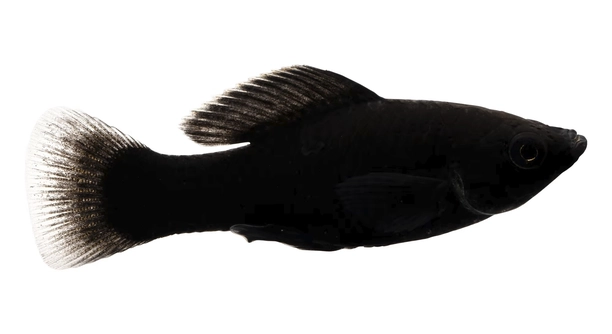
Are your Black Molly fish showing unusual behavior in the tank or spending more time alone than usual? Observing their actions closely can help ensure they remain healthy and comfortable in their aquatic environment.
Black Mollies require sufficient space to reduce stress and prevent aggressive interactions. Overcrowding can lead to erratic swimming, fin damage, and weakened immune responses. Ensuring an appropriate tank size and avoiding unnecessary crowding supports their overall well-being and longevity.
Recognizing the signs of stress and crowding early can help you maintain a harmonious and healthy aquarium environment for your fish.
Aggressive Behavior Towards Tank Mates
Black Mollies may start nipping or chasing other fish when they feel cramped. This behavior is a clear indication that your fish needs more space. Aggression can lead to injuries, torn fins, and increased stress for all tank inhabitants. Keeping an eye on interactions will help you determine when the tank is too small. Providing hiding spots and rearranging decorations may reduce tension temporarily, but overcrowding is often the root cause. By addressing space issues promptly, you can prevent long-term harm to your fish. Watching for sudden changes in behavior, like frequent chasing or territorial displays, is key. Mollies are naturally social but require enough room to coexist peacefully. Stress from overcrowding can also weaken their immune systems, making them more prone to disease. Taking action early ensures a calmer and healthier tank environment, allowing all fish to thrive.
Aggression often decreases after increasing tank space or reorganizing the layout, restoring balance and reducing stress.
Proper tank management includes monitoring behavior consistently and adjusting stocking levels as needed. Regular observation allows timely intervention. Mollies are sensitive to their surroundings, and even small improvements in space can significantly impact their comfort. Consistent care ensures long-term harmony and prevents escalation of aggressive tendencies. Incorporating plants, rocks, or other structures gives fish safe areas to retreat, minimizing conflict. When tank mates have sufficient room, social interactions remain healthy and natural. Maintaining a stable environment, including water quality and temperature, also supports peaceful behavior. Over time, attentive care fosters a thriving, balanced community where Black Mollies can display natural behaviors without stress or injury. Observing your fish daily helps detect early warning signs and make adjustments before problems escalate.
Excessive Hiding
When Black Mollies hide for long periods, it often signals discomfort or stress. Limited swimming space can cause them to seek refuge behind plants or decorations. Extended hiding may indicate that the tank is overcrowded or that dominant fish are preventing them from accessing open areas. Even if other water parameters are ideal, restricted space can still create anxiety. Providing ample swimming room and safe zones encourages natural exploration and activity. Over time, Mollies that previously hid frequently will become more confident and engage more actively in the tank. It is important to ensure that hiding spots do not restrict movement for other fish, maintaining a balanced environment for all.
Creating enough room and maintaining consistent care encourages Mollies to explore freely and reduces hiding tendencies.
To prevent excessive hiding, focus on both tank size and layout. A tank that allows sufficient distance between fish reduces tension and stress. Rearranging plants or decorations can open new pathways and swimming areas, encouraging activity. Monitoring the number of fish relative to the tank’s capacity ensures each Molly has personal space. Combining visual barriers with open areas helps fish regulate social interactions. Keeping water quality stable complements space management, reducing additional stressors. Gradually, Mollies gain confidence and spend more time swimming visibly. This balance improves overall health and supports natural behavior patterns, making the tank a calmer, more active environment. Consistent observation allows adjustments to prevent overcrowding issues before they affect well-being.
Rapid Gill Movement
Rapid gill movement in Black Mollies can indicate stress from overcrowding. When water becomes crowded, oxygen levels drop slightly, making it harder for them to breathe comfortably. Observing this behavior early helps prevent health issues related to prolonged stress and poor water circulation.
Crowding in the tank can cause Mollies to breathe faster due to increased competition for oxygen. Even with proper filtration, too many fish in a limited space reduces the efficiency of oxygen distribution. Mollies may stay near the water surface or close to filters where oxygen is slightly higher. Continuous rapid gill movement can lead to fatigue and weaken their immune system. Ensuring enough space and maintaining optimal water flow allows them to breathe easily and reduces stress, which is essential for their long-term health and vitality.
Addressing rapid gill movement involves both monitoring tank population and improving water circulation. Removing excess fish or upgrading the tank can restore comfort. Aeration devices or adjusting filter output also help increase oxygen levels, reducing strain on the fish. Consistent observation allows you to identify early signs of stress and prevent illness. Over time, Mollies regain calm behavior, normal breathing patterns, and display more active, healthy swimming, ensuring a balanced and safe environment for all inhabitants.
Lethargy and Reduced Activity
Lethargy in Black Mollies is often caused by limited space. When they cannot swim freely, their activity levels drop. Even healthy fish may become sluggish if the tank is overcrowded or poorly arranged.
Reduced activity can be a sign of stress from competition and lack of personal space. Mollies may spend more time resting in corners or hiding instead of swimming actively. Overcrowding prevents proper exercise, leading to weaker muscles and slower metabolism. Providing more swimming room encourages movement and helps maintain their health. Regular observation helps you notice even subtle changes in activity.
Encouraging movement requires assessing tank population and layout. Removing excess fish or rearranging decorations creates open areas for swimming. Plants and other structures should allow freedom of movement while still offering safe zones. Consistent feeding schedules and water quality maintenance also support activity levels. Over time, Mollies regain energy, swim more confidently, and interact naturally with tank mates. Maintaining space and monitoring behavior ensures your fish stay lively, healthy, and display their natural, active behavior.
Loss of Appetite
A Black Molly that suddenly stops eating may be stressed from overcrowding. Limited space can make them feel threatened or anxious, reducing their interest in food. Observing feeding behavior helps identify whether the issue is environmental or health-related.
Even minor tank crowding can cause a Molly to eat less. Stress from competition or lack of personal space affects their digestive system. Adjusting tank population and providing calm areas can help restore normal appetite.
Clamped Fins
Clamped fins, where the fins stay close to the body, are a common stress response. Mollies experiencing limited space often display this behavior to protect themselves from aggressive tank mates.
Erratic Swimming
Erratic swimming, including sudden darting or rubbing against surfaces, signals discomfort. Overcrowded conditions force Mollies to navigate tight spaces, increasing stress and risk of injury. Observing patterns helps determine if space is the main issue.
How much space does a Black Molly need?
A single Black Molly needs at least 10 gallons of water to swim comfortably. Adding more Mollies requires increasing the tank size proportionally. Overcrowding can lead to stress, aggression, and health problems. Each fish benefits from enough personal space to swim freely, explore, and rest without feeling threatened. Plants, decorations, and hiding spots should be arranged to create open swimming areas while still providing safe zones. Monitoring their behavior is essential to determine if the space is adequate. If Mollies show signs of stress, lethargy, or aggression, it is likely that the tank is too small or too densely populated.
Can tank decorations cause stress even if the size is sufficient?
Yes, overcrowded or poorly arranged decorations can make a tank feel cramped. Even in a large tank, Mollies may struggle to find open areas to swim if plants, rocks, or ornaments block movement. This can cause hiding, clamped fins, or erratic swimming. Strategic placement of decorations allows fish to retreat when needed while leaving enough room for free movement. Rearranging the layout occasionally can also stimulate exploration and reduce boredom, which helps maintain natural behaviors and reduces stress levels.
How can I tell if my Black Molly is stressed from lack of space?
Stress signs include aggression, hiding, rapid gill movement, clamped fins, lethargy, reduced appetite, and erratic swimming. Observing behavior daily is important. Even minor changes can indicate discomfort from overcrowding or insufficient swimming space. Healthy Mollies swim actively, interact naturally with tank mates, and maintain a normal appetite. When stress signs appear, it’s important to assess both tank population and layout. Providing adequate swimming areas, adjusting the number of fish, and creating a balanced environment with open and sheltered spaces can alleviate stress. Continuous observation helps ensure long-term health and comfort for your fish.
Is water quality affected by overcrowding?
Yes, overcrowding can strain filtration systems, leading to higher ammonia and nitrate levels. Poor water quality increases stress and susceptibility to disease. Frequent water changes, proper filtration, and monitoring parameters such as pH, temperature, and hardness are necessary. Adequate space allows better circulation, reducing waste accumulation and maintaining a stable environment.
Should I separate aggressive Mollies?
If aggression persists despite adequate space, separating aggressive individuals may be necessary. Temporary separation allows stressed fish to recover and prevents injuries. Using a breeding net or partitioned tank can help until the aggressive behavior subsides. Long-term management may involve reducing the number of aggressive males or reorganizing the tank layout to minimize territorial conflicts.
How can I improve a tank that feels crowded?
Start by reducing the number of fish or upgrading to a larger tank. Rearrange decorations to create open swimming areas while maintaining safe zones. Adding plants or ornaments that break line of sight can help reduce aggression. Improving water circulation and maintaining optimal water quality also supports a healthier environment. Consistently observing behavior helps identify which adjustments are most effective.
Can overcrowding affect breeding?
Yes, Mollies in cramped conditions may avoid breeding or display higher aggression during mating. Females can become stressed, leading to fewer fry and increased risk of injury. Providing ample space, hiding spots, and calm areas encourages natural mating behavior and increases the chances of successful reproduction.
How often should I monitor my tank for space-related stress?
Daily observation is recommended. Check behavior, feeding patterns, swimming activity, and fin condition. Early detection of stress signs allows for prompt adjustments in tank population or layout. Maintaining a routine schedule for water changes, filtration checks, and observation ensures that your Mollies remain comfortable and healthy over time.
Ensuring your Black Mollies have enough space is essential for their health and happiness. Overcrowding can lead to stress, aggression, and even illness. Observing their behavior daily helps you spot early signs of discomfort, such as hiding, clamped fins, or reduced activity. Mollies that feel cramped may also show rapid gill movement or erratic swimming. These behaviors are clear indicators that their environment is not ideal. By providing enough room, you allow them to swim freely, interact naturally with tank mates, and rest without feeling threatened. Proper tank size, thoughtful decoration placement, and monitoring the number of fish are all simple but effective ways to maintain a balanced and comfortable environment for your Mollies.
Stress from limited space not only affects behavior but also overall health. A cramped tank increases competition for oxygen and resources, which can weaken the immune system. This makes Black Mollies more susceptible to infections and reduces their lifespan. Even if water quality is perfect, the psychological stress of overcrowding can cause long-term harm. Maintaining personal space for each fish helps prevent aggression and ensures everyone has access to swimming areas and hiding spots. Adding plants, rocks, or ornaments can improve the environment, but these must be arranged so they do not block swimming paths. The goal is to create an environment where Mollies feel safe while still being able to move freely. Taking these precautions supports natural behavior, reduces stress, and promotes overall well-being.
Providing the right environment requires attention to both tank size and layout. A well-maintained tank with sufficient space allows Black Mollies to thrive and display their natural behaviors. Regular observation is key to noticing changes in activity, appetite, or interactions with other fish. Small adjustments, such as removing excess fish, rearranging decorations, or adding safe hiding spots, can significantly improve comfort and reduce stress. Over time, these changes lead to more active, healthier, and happier fish. Keeping your Mollies’ needs in mind ensures a calm and balanced tank where each fish has room to grow, explore, and enjoy a safe aquatic environment. Consistency in monitoring and maintaining the tank is the foundation for long-term success in caring for Black Mollies.

Hello,
If you enjoy the content that we create, please consider saying a "Thank You!" by leaving a tip.
Every little bit helps us continue crafting quality advice that supports the health, happiness, and well-being of pets around the world, for pets of all shapes, sizes, and species.
We really appreciate the kindness and support that you show us!