
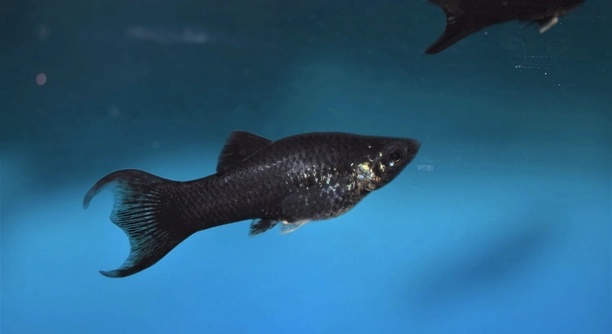
Black Molly Fry are small, active fish that often display interesting and subtle behaviors. Observing them closely can reveal patterns in swimming, feeding, and interactions with other fish in the tank. These details help understand their daily routines.
Key behaviors to notice in Black Molly Fry include swimming patterns, social interactions, feeding responses, and resting habits. Observing these behaviors systematically allows aquarists to assess fry health, environmental preferences, and early signs of stress or developmental issues.
Recognizing these behaviors ensures healthier fry and a more balanced aquarium environment for both young and adult fish.
Recognizing Feeding Patterns
Black Molly Fry are eager eaters, but their feeding behavior can reveal a lot about their health. Healthy fry will quickly swim toward food when it is introduced, showing active interest without hesitation. Uneven feeding or lack of response may indicate stress or illness. It is important to provide small, frequent meals suitable for fry, such as finely crushed flakes or specialized fry food. Observing how they compete for food can also show social hierarchy and energy levels. Fry that consistently lag behind or miss feeding opportunities may need separate care or adjustments in tank conditions. Overfeeding can lead to water quality issues, which directly affect fry behavior and survival. Keeping the tank clean and monitoring feeding closely ensures that all fry receive proper nutrition, helping them grow steadily. Regular observation during feeding times provides insight into growth patterns, alertness, and general well-being.
Feeding patterns also help identify which fry are stronger and more active. Careful attention ensures balanced growth.
Tracking these feeding details over weeks helps aquarists adjust diet schedules, correct overcrowding issues, and prevent potential health problems. It also allows for noticing subtle differences in behavior between individual fry. Consistent feeding and observation can improve survival rates and overall vitality.
Observing Social Interactions
Fry often form small groups and interact with each other in subtle ways. Watching how they approach or avoid one another can indicate comfort and adaptation to the tank environment.
Black Molly Fry establish social structures even at an early age. Dominant fry may chase or gently push others, while shy fry stay on the outskirts. Observing these interactions helps determine tank dynamics and whether the group is stressed or relaxed. Aggressive behavior in some fry can signal overcrowding or competition for food, requiring intervention. Social behavior also affects feeding success, as more timid fry might need separate feeding spots to thrive. Regularly monitoring interactions allows aquarists to notice signs of illness or abnormal behavior, such as isolation or erratic swimming. Adjusting the tank environment, like adding plants or hiding spots, can reduce stress and improve social balance. Understanding these dynamics early helps maintain a stable and healthy fry population, contributing to long-term growth and well-being.
Identifying Swimming Habits
Fry swim constantly, exploring their environment. Patterns like circling the tank, staying near surfaces, or hiding near decorations reveal comfort levels and energy.
Regular swimming in open areas shows healthy growth and strong muscle development. Fry that dart quickly or twitch may be stressed or reacting to sudden changes in water quality. Observing these movements helps identify dominant and weaker fry, which can influence feeding and care routines. Slow or lethargic swimming can indicate illness, poor nutrition, or overcrowding. Fry often explore new spaces, testing boundaries, which contributes to spatial awareness and reduces stress over time. Monitoring swimming habits daily allows early adjustments in tank conditions.
Consistent observation also helps track growth, as stronger fry show more coordinated and confident movements than weaker ones. Swimming habits are key indicators of overall health.
Monitoring Resting Behavior
Fry require rest periods throughout the day, often pausing near plants or tank corners. These moments are important for growth and energy conservation.
Observing where fry choose to rest reveals comfort and safety preferences. Fry that frequently hide may be stressed, while those resting openly indicate a calm environment. Resting periods are also crucial for energy recovery after active swimming and feeding. Environmental factors such as water temperature, lighting, and tank layout affect how fry rest. Consistent patterns suggest a stable habitat, whereas irregular rest may signal disturbance. Adjusting light cycles or providing additional shelter can improve fry well-being. Monitoring these periods ensures that all fry receive proper downtime for development and activity balance.
Tracking resting behavior helps predict feeding efficiency and alertness during active periods, contributing to long-term health and survival rates. Observing these subtle cues strengthens care routines.
Noticing Color Changes
Fry gradually develop darker tones as they grow. Early spotting of these changes can indicate proper nutrition and health.
Sudden fading or uneven coloring may signal stress, illness, or water quality issues. Monitoring these shifts helps ensure a healthy tank environment.
Tracking Growth Rates
Fry grow at different speeds, and careful measurement can identify slower or stunted individuals. Consistent observation helps detect nutrition or health problems early.
Tracking growth allows adjustments in feeding, tank space, and water conditions. Stronger fry develop coordinated swimming and more vibrant coloration, while slower-growing fry may need extra care. Monitoring growth trends ensures balanced development and prevents long-term issues in the tank.
Observing Hiding Preferences
Some fry prefer staying near plants or decorations. These choices indicate comfort, stress levels, and environmental suitability.
How often should I feed Black Molly Fry?
Fry need frequent, small meals to grow properly. Offering food two to three times a day helps them get enough nutrients without polluting the water. Use finely crushed flakes, powdered fry food, or specially formulated baby fish pellets. Watch how they respond—active swimming toward food is a good sign of health. Uneaten food should be removed after a few minutes to prevent water contamination, which can lead to stress or disease. Adjust portion sizes as the fry grow, ensuring all receive proper nutrition without overfeeding the tank.
What signs indicate that Black Molly Fry are stressed?
Fry that stay hidden, swim erratically, or fail to eat are often stressed. Stress can result from overcrowding, poor water quality, sudden temperature changes, or aggressive tankmates. Monitoring water parameters like ammonia, nitrite, and nitrate levels is essential to prevent stress. Providing hiding spots such as plants or small decorations can reduce anxiety. Regular observation of swimming patterns, color changes, and interactions helps detect stress early. Addressing these issues promptly ensures fry maintain healthy growth and social behavior, avoiding long-term developmental or health problems.
How can I tell if the fry are healthy?
Healthy fry swim actively, respond to food quickly, and have vibrant coloration for their stage of development. They maintain steady growth and show normal social interactions with other fry. Clear eyes, smooth scales, and consistent body shape are additional indicators. Observing them during feeding, resting, and swimming periods gives a good overall picture of health. Sudden changes, like lethargy or unusual swimming, may indicate illness or poor environmental conditions. Consistent care, clean water, and proper nutrition support ongoing health, making it easier to spot potential problems before they become serious.
Is it necessary to separate weaker fry from stronger ones?
Separating slower-growing fry can prevent bullying and improve survival rates. Stronger fry often outcompete weaker ones during feeding, limiting access to nutrition. Using a small breeding tank or dividing sections within the main tank helps ensure all fry receive proper care. Observation is key—if a fry is consistently hiding or missing meals, separation may be necessary. Providing extra food for weaker individuals and maintaining water quality encourages balanced growth. Over time, separated fry can catch up in size and join the main group once they are stronger, reducing stress for both groups.
How do I maintain water quality for fry?
Water quality directly affects growth, behavior, and survival. Regular partial water changes, testing parameters like pH, ammonia, nitrite, and nitrate, and avoiding overfeeding are essential steps. Fry are sensitive to changes, so introducing new water slowly helps prevent shock. Keeping a filter that provides gentle water flow ensures proper oxygenation without disturbing fry. Avoid using strong chemicals or abrupt treatments, as these can harm delicate fry. Observation of swimming, resting, and feeding behavior often reflects water quality; unusual signs can indicate an immediate need for action. Clean, stable water conditions create the best environment for healthy fry development.
Can I mix Black Molly Fry with other fish?
Mixing fry with other fish should be done cautiously. Larger or aggressive species may see fry as food. Fry do best with their own kind or other small, peaceful fish. If mixing is necessary, provide plenty of hiding spots and closely monitor interactions. Tank size and population density play a role—overcrowding can stress fry and reduce survival. Gradual introductions, consistent feeding, and observing social behaviors help ensure the fry are safe. It is often easier to raise fry separately until they grow larger, reducing risk and allowing healthier development in a controlled environment.
What equipment is essential for raising Black Molly Fry?
A small, secure tank with gentle filtration is necessary for fry. Heater to maintain stable water temperature, thermometer to monitor conditions, and test kits for ammonia, nitrite, and nitrate are important. Fine mesh nets or separators may be required for moving fry safely. Plants or decorations provide hiding places, reducing stress. Proper lighting supports healthy behavior without overstimulating the fry. Feeding tools like small spoons, tweezers, or syringes allow precise food placement. Keeping the tank clean, monitoring water quality, and observing behavior consistently ensures the fry thrive. Investing in essential equipment simplifies care and improves survival rates.
How long does it take for Black Molly Fry to mature?
Fry typically start showing adult features within six to eight weeks, depending on diet, water quality, and genetics. Size, coloration, and fin development gradually improve over time. Monitoring growth rates and adjusting care practices ensures fry reach maturity healthily. Consistent feeding, clean water, and minimal stress accelerate development. Noticing milestones like first coloration patterns or coordinated swimming helps track progress. Slower growth may require extra attention, including feeding adjustments or temporary separation from faster-growing fry. Patience and careful observation allow fry to develop naturally, resulting in strong, healthy adult mollies ready for social and breeding behaviors.
Black Molly Fry require close attention and consistent care to thrive. Observing their behavior closely provides valuable insight into their health, growth, and comfort in the tank. Paying attention to details such as feeding response, swimming patterns, resting habits, and color development helps identify potential issues early. Even small changes in behavior can indicate stress, illness, or environmental problems. By keeping a careful eye on these signs, aquarists can take timely action to support the fry’s well-being. Proper nutrition and clean water are fundamental, but understanding their behavior adds an extra layer of care that ensures steady growth and stronger, healthier fish.
Maintaining a stable and suitable environment is equally important for raising fry successfully. Tank conditions, such as temperature, water quality, and space, directly influence behavior and development. Fry that are stressed due to overcrowding or poor water quality may hide, swim erratically, or lose interest in food. Providing adequate hiding spots, maintaining consistent lighting, and performing regular water changes helps create a calm environment where fry can explore, feed, and rest naturally. Social interactions among fry also play a role in their growth and confidence. Watching how they interact allows aquarists to identify which fry may need additional care or separation to prevent bullying and ensure equal access to resources. Observing these subtle behaviors ensures all fry have the best opportunity to develop fully.
Consistent observation and attention to detail make raising Black Molly Fry a manageable and rewarding process. Recording their behaviors, growth rates, and responses to different conditions helps aquarists refine care routines and improve survival rates. Monitoring feeding, swimming, resting, and hiding behaviors provides a complete picture of their health and adaptation. Small adjustments, like modifying feeding schedules, tank layout, or water parameters, can have a significant impact on overall fry well-being. Over time, understanding these behaviors allows for better preparation as fry grow into adult mollies, resulting in a healthier, more stable tank environment. By staying attentive and proactive, aquarists can support the natural development of their Black Molly Fry, ensuring they grow into strong, active, and well-adjusted fish.

Hello,
If you enjoy the content that we create, please consider saying a "Thank You!" by leaving a tip.
Every little bit helps us continue crafting quality advice that supports the health, happiness, and well-being of pets around the world, for pets of all shapes, sizes, and species.
We really appreciate the kindness and support that you show us!