
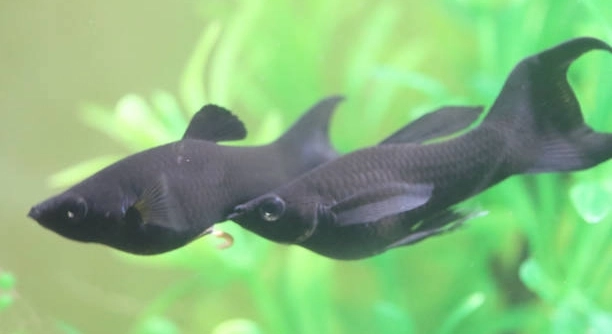
Do you ever notice your black molly eating more than usual and wonder if it could be harmful? Overfeeding is a common mistake among fish owners that can quietly affect your pet’s health. It often starts small but grows over time.
Overfeeding black molly fish can lead to multiple health problems, including digestive issues, obesity, poor water quality, and increased susceptibility to disease. Consistently giving more food than needed disrupts their natural balance and can shorten their lifespan significantly.
Understanding these risks will help you care for your black molly more effectively and maintain a healthier, cleaner tank environment for your fish.
Digestive Problems
Overfeeding black molly fish often leads to digestive issues. When they eat more than their bodies can process, food sits in the stomach too long, causing bloating and constipation. This slows their metabolism and can make swimming difficult. Uneaten food that sinks to the bottom can start to rot, affecting water quality. Poor water conditions, in turn, stress the fish, making them more prone to illness. Feeding in small, measured amounts allows their digestive system to function properly. Observing your fish after feeding can help you notice signs like swelling, lethargy, or unusual behavior. It is better to feed twice a day in small portions rather than giving a large amount at once. Healthy digestion supports energy, coloration, and overall wellbeing. Maintaining a balanced diet with occasional live or frozen food ensures variety without overwhelming their system. Avoiding overfeeding keeps both the fish and tank environment stable and safe.
Feeding excessive amounts of food disrupts normal digestion, leading to bloating, constipation, and general discomfort in black molly fish. Proper portion control is essential.
Monitoring feeding routines carefully helps prevent digestive complications and keeps the fish active, happy, and healthy in their tank.
Water Quality Issues
Excess food quickly deteriorates water quality.
When black molly fish are overfed, leftover food breaks down, producing ammonia and nitrites that are harmful. High levels of these chemicals can cause fin rot, gill damage, and stress. Maintaining clean water is crucial for fish health, so overfeeding undermines this balance. Regular water changes and careful feeding help keep ammonia levels low. Uneaten food can also encourage algae growth, further harming water conditions and reducing oxygen levels. Over time, this makes the tank environment unstable, increasing the risk of illness. Using a small feeding schedule reduces waste and keeps the tank cleaner. Even healthy fish can struggle in poor water conditions, so prevention is easier than treatment. Observing food consumption and adjusting portions ensures less waste, a stable environment, and stronger, healthier fish. Managing both feeding and tank maintenance is essential for long-term care and vitality of black molly fish.
Obesity
Overfeeding black molly fish leads to rapid weight gain. Excess fat can make swimming harder and stress their internal organs.
Obese fish have a higher risk of heart problems, fatty liver disease, and reduced lifespan. Fat buildup slows metabolism and can make movement sluggish, affecting feeding behavior and social interaction. Overweight fish are more prone to infections because their immune system weakens under stress. Controlling portions and feeding only what they can consume in a few minutes prevents unnecessary weight gain. Observing your fish daily helps catch early signs of obesity, such as rounded bodies or difficulty swimming. A balanced diet with occasional protein treats ensures they get nutrients without excess calories. Consistent monitoring of tank food reduces both health risks and water contamination.
Keeping black molly fish at a healthy weight supports their energy, coloration, and overall wellbeing, allowing them to live a longer and more active life.
Swim Bladder Problems
Overfeeding can directly impact a fish’s swim bladder, making it difficult to maintain buoyancy. Uneaten food and digestive buildup press on the organ, causing irregular swimming and floating near the surface.
Fish with swim bladder issues may tilt sideways, float upside down, or sink to the bottom. The condition can lead to stress, reduced appetite, and vulnerability to secondary infections. Avoiding excess feeding and providing high-quality, easily digestible food helps prevent these problems. Fasting one day a week allows the digestive system to clear, reducing pressure on the swim bladder. Observing feeding habits ensures no uneaten food accumulates, keeping both the fish and tank healthier. Adding small amounts of vegetables, like blanched peas, can relieve minor constipation that affects buoyancy. Careful management of feeding routines minimizes swim bladder complications and supports consistent swimming behavior. Regular maintenance and portion control make the tank safer for all inhabitants.
Poor Water Circulation
Overfeeding black molly fish can affect water movement. Excess food sinks and settles, slowing circulation and reducing oxygen distribution.
Poor circulation can stress fish, especially at the bottom of the tank. Debris buildup increases ammonia levels, creating an unhealthy environment and making daily maintenance more challenging.
Increased Disease Risk
Excess food promotes bacterial and fungal growth in the tank. This weakens black molly immune systems, making them more susceptible to infections. Overfed fish often develop fin rot, clouded eyes, or other illnesses. Regular monitoring and careful feeding help maintain stronger, healthier fish and a cleaner tank environment.
Stress and Aggression
Overfeeding can lead to stress and increased aggression among black molly fish. Competition for leftover food may cause chasing, nipping, and tension within the tank community.
FAQ
How do I know if I am overfeeding my black molly?
If you notice leftover food sinking to the bottom, cloudy water, or your fish appearing bloated, these are signs of overfeeding. Fish should consume all food within two to three minutes. Adjusting portion sizes and observing their behavior helps prevent excess feeding.
How often should I feed black molly fish?
Feeding twice a day in small portions is ideal. Each feeding should be just enough that the fish finish eating within a few minutes. Overfeeding can lead to digestive problems, water quality issues, and stress, so careful measurement is important.
Can overfeeding cause swim bladder issues?
Yes, excess food and digestive buildup can press on the swim bladder, causing buoyancy problems. Fish may float upside down, tilt sideways, or have difficulty swimming. Fasting one day a week and offering easily digestible food can help prevent these problems.
What types of food are best to prevent overfeeding?
High-quality flake or pellet food formulated for black molly fish works best. Supplementing with occasional live or frozen food like brine shrimp adds nutrition without overloading their digestive system. Blanched vegetables like peas can help with digestion.
How does overfeeding affect tank water?
Excess food decays, producing ammonia and nitrites that are toxic to fish. Poor water quality stresses fish and encourages algae growth. Regular water changes, careful feeding, and removing uneaten food help maintain a clean and healthy tank.
Can overfeeding cause obesity in black molly fish?
Yes, overfed fish gain excess fat, which can lead to slower movement, organ stress, and shorter lifespan. Monitoring daily feeding, portion control, and occasional fasting helps maintain a healthy weight and energy level.
What are the signs of digestive problems caused by overfeeding?
Signs include bloating, constipation, and lethargy. Fish may struggle to swim or lose appetite. Ensuring small, controlled portions and feeding easily digestible food reduces the risk of digestive issues.
How can I reduce aggression caused by overfeeding?
Overfeeding can make fish competitive over leftover food. Feeding measured portions that are quickly consumed and maintaining a clean tank minimizes conflicts and stress among fish.
What is the best way to correct overfeeding mistakes?
Stop feeding for a day or two to allow the fish to digest excess food. Remove leftover food from the tank, perform partial water changes, and resume a controlled feeding schedule to restore balance.
How important is monitoring daily feeding?
Daily observation is critical. Watching how much your black molly eats and how it behaves ensures early detection of health or water issues. Consistency in feeding amounts prevents long-term problems and supports their overall wellbeing.
Can overfeeding shorten the lifespan of black molly fish?
Yes, long-term overfeeding leads to obesity, organ stress, and poor water quality, all of which reduce lifespan. Maintaining proper feeding practices, clean water, and balanced nutrition helps black mollies live longer, healthier lives.
How do I prevent algae growth from overfeeding?
Remove uneaten food promptly and feed only what fish can finish quickly. Regular water changes and avoiding excess nutrients in the tank prevent algae overgrowth, keeping the environment safe and healthy for black mollies.
Is occasional overfeeding harmful?
A single accidental overfeeding is usually not critical if it is followed by normal feeding schedules. However, repeated overfeeding causes cumulative health and water quality issues. Consistent portion control is key to long-term fish health.
Can stress from overfeeding affect breeding?
Yes, stress weakens fish and reduces breeding success. Maintaining proper feeding, clean water, and minimal tank tension encourages healthier behavior and improves the chances of successful reproduction.
What tools can help prevent overfeeding?
Measuring spoons or small feeding cups can control portion size. Timers or scheduled routines ensure consistency. Observing fish behavior and tank cleanliness also provides feedback to adjust feeding amounts effectively.
How do I balance nutrition without overfeeding?
Offer a mix of high-quality flakes, occasional live or frozen protein, and small amounts of vegetables. Feed in controlled portions, monitor intake, and fast one day weekly to maintain digestive health and prevent excess calorie accumulation.
Can overfeeding affect other fish in a community tank?
Yes, excess food can harm all tank inhabitants by degrading water quality and increasing stress. Controlled feeding ensures a balanced environment, reducing disease risk and promoting harmony among fish.
How quickly should I react to signs of overfeeding?
Immediate action is best. Remove leftover food, check water quality, adjust portion sizes, and observe fish behavior. Quick response prevents long-term health problems and maintains a stable tank environment.
Are there signs that indicate long-term effects of overfeeding?
Chronic bloating, obesity, lethargy, swim bladder problems, and poor coloration indicate long-term overfeeding. Maintaining proper feeding routines and tank cleanliness can reverse some effects and prevent further damage.
How does fasting help prevent overfeeding problems?
Fasting allows the digestive system to clear, reduces pressure on the swim bladder, and lowers the risk of obesity. A single day each week without food is safe for black mollies and supports overall health.
What is the recommended portion for black molly fish?
Feed only what they can consume in two to three minutes. This ensures adequate nutrition while preventing leftover food that could harm water quality and the fish’s health.
How important is water testing with overfeeding concerns?
Testing ammonia, nitrite, and nitrate levels is essential when overfeeding occurs. High levels indicate water quality problems that can stress or harm fish. Regular monitoring allows timely intervention and safer tank conditions.
Can overfeeding cause fin or gill issues?
Yes, poor water quality from leftover food can lead to fin rot, gill damage, and increased susceptibility to infections. Controlling feeding and maintaining clean water prevent these health problems.
How do I adjust feeding for multiple black mollies?
Divide portions so each fish gets enough without excess. Observe each fish during feeding to ensure all are eating, and remove any leftover food immediately to maintain water quality.
What role does diet variety play in preventing overfeeding issues?
Providing a balanced diet with flakes, protein, and vegetables prevents nutritional imbalances and keeps fish satisfied. A varied diet reduces the risk of digestive problems, obesity, and stress caused by monotonous overfeeding.
Are smaller feedings better than fewer large feedings?
Yes, small frequent feedings mimic natural grazing and reduce leftover food. This approach supports digestion, prevents water quality issues, and maintains a healthy weight and active behavior in black molly fish.
How do I know if overfeeding has caused permanent damage?
Chronic obesity, swim bladder deformities, and persistent health problems may indicate lasting effects. While some issues can be managed with proper care, early prevention is always more effective than treatment.
Can overfeeding affect molly coloration?
Yes, poor water quality and obesity from overfeeding can dull colors. Proper feeding, clean water, and balanced nutrition help maintain the vibrant appearance of black mollies.
What is the safest feeding routine for black mollies?
Feed small amounts twice daily, fast one day a week, and remove uneaten food promptly. Observe intake, maintain clean water, and provide a balanced diet to prevent overfeeding problems and support long-term health.
How often should I clean the tank when overfeeding occurs?
Partial water changes every two to three days may be necessary if overfeeding happens. Removing debris and monitoring ammonia levels restores water quality and reduces stress on fish.
Are overfeeding issues more common in small tanks?
Yes, limited water volume amplifies the effects of leftover food. Small tanks require stricter portion control and frequent cleaning to prevent rapid water deterioration and health problems.
Can overfeeding be completely prevented?
Yes, with careful monitoring, portion control, regular water changes, and observing fish behavior, overfeeding can be avoided. Consistency is key to maintaining a healthy tank and thriving black mollies.
Does temperature affect how overfeeding impacts fish?
Higher water temperatures increase metabolism, causing faster digestion but also faster decay of uneaten food. Feeding smaller portions and monitoring water quality is crucial, especially in warmer tanks.
How do I combine fasting and nutrition for the best results?
Feed normally for six days, offering balanced portions and varied food. On the seventh day, fast to allow digestion to reset. This prevents obesity, digestive problems, and swim bladder issues, keeping black mollies healthy.
What are the long-term benefits of proper feeding habits?
Maintaining portion control, a balanced diet, and clean water promotes longevity, vibrant coloration, healthy digestion, and active behavior. Black mollies thrive, and the tank remains stable, reducing stress and disease risk over time.
How can I train myself to avoid overfeeding?
Measure portions, set a feeding schedule, and observe fish closely. Using tools like spoons or cups and limiting feeding time helps prevent accidental overfeeding and ensures consistent care.
Can overfeeding affect breeding behavior?
Yes, overfed or stressed fish may show reduced spawning activity. Proper feeding, clean water, and a calm tank encourage healthier reproductive behavior in black mollies.
Is overfeeding more harmful than underfeeding?
Overfeeding often has more immediate negative effects on water quality, health, and lifespan. While underfeeding can stunt growth, overfeeding causes obesity, digestive issues, stress, and toxic water conditions, making portion control critical.
How do I balance feeding with tank maintenance?
Feed small portions, remove leftovers, test water regularly, and perform partial changes as needed. A balance of careful feeding and tank upkeep prevents health problems and ensures a thriving aquatic environment.
Can black mollies recover from overfeeding mistakes?
Yes, with proper portion control, fasting days, water maintenance, and observation, many issues can be reversed or managed. Quick action improves recovery and long-term health for your fish.
How can I monitor tank health alongside feeding?
Check water parameters, observe fish behavior, and remove leftover food daily. Combining careful feeding with regular maintenance ensures stable conditions, stronger immunity, and overall wellbeing of black mollies.
Are there specific signs that indicate overfeeding in juvenile mollies?
Juveniles may show bloating, slower growth, lethargy, or swim bladder issues. Feeding smaller portions and ensuring easy digestion helps young fish grow healthy without overfeeding risks.
What is the relationship between overfeeding and algae blooms?
Excess nutrients from uneaten food promote algae growth. Algae reduces oxygen levels and creates an unstable environment. Careful feeding and removing waste prevent overgrowth and maintain a clean, safe tank.
How does overfeeding impact social behavior in black mollies?
Competition for leftover food can increase chasing, nipping, and stress. Proper portioning, small frequent feedings, and a clean tank minimize aggression and improve social harmony.
How can I prevent recurring overfeeding problems?
Set a consistent feeding schedule, measure portions, observe fish behavior, maintain clean water, and provide occasional fasting. Regular monitoring and controlled routines prevent repeated overfeeding issues.
What is the effect of overfeeding on black molly longevity?
Long-term overfeeding leads to obesity, organ stress, digestive issues, and poor water quality, all of which reduce lifespan. Maintaining proper feeding habits supports longer, healthier lives for black mollies.
How do I combine feeding variety with portion control?
Offer high-quality flakes as the main diet, supplement with live or frozen protein, and provide occasional vegetables. Feed measured amounts to prevent leftovers while ensuring proper nutrition for black mollies.
Can overfeeding cause long-term stress in black mollies?
Yes, repeated overfeeding stresses fish through poor water quality, obesity, and digestive strain. Controlled portions, fasting days, and clean water help reduce chronic stress and maintain health.
How do I teach others in the household proper feeding habits?
Explain portion limits, feeding schedules, and signs of overfeeding. Demonstrating proper techniques and leaving clear instructions ensures consistent care and prevents accidental overfeeding.
Is it better to underfeed slightly than risk overfeeding?
Yes, slightly underfeeding is safer. Fish can tolerate small deficits better than excess, which causes health issues and water quality problems. Consistent, measured feeding ensures safe, healthy conditions.
What long-term strategies prevent overfeeding?
Measure portions, maintain feeding schedules, remove leftovers, monitor water quality, observe fish behavior, and incorporate fasting days. These strategies ensure balanced nutrition, reduce health risks, and keep the tank stable for black mollies.
How do I adjust feeding if my black mollies are overweight?
Reduce portion size, provide easily digestible food, introduce fasting days, and monitor water quality. Gradual adjustments prevent stress while helping fish lose excess weight safely and regain energy.
How does tank size influence overfeeding risk?
Smaller tanks are more sensitive to leftover food and waste buildup. Careful portioning, frequent cleaning, and monitoring water parameters are essential to prevent rapid water deterioration and fish health problems.
What is the easiest way to track feeding amounts?
Use a small spoon, feeding cup, or pre-measured containers. Record the daily amount and observe how quickly the fish consume it to ensure no leftovers accumulate.
Can overfeeding affect tank plants?
Yes, decomposing food increases nutrients, causing algae blooms that compete with plants. Controlled feeding reduces nutrient spikes, supporting healthier plant growth and tank balance.
How important is consistency in feeding times?
Consistency trains fish to expect food, reduces stress, and prevents overeating. Regular schedules make it easier to monitor intake and maintain proper portions for optimal health.
Can overfeeding indirectly affect other aquatic life like snails or shrimp?
Yes, leftover food can change water chemistry and oxygen levels, affecting other tank inhabitants. Maintaining controlled feeding and cleaning prevents negative impacts on all aquatic life.
How do I know if portion adjustments are working?
Fish remain active, water quality is stable, and uneaten food is minimal. Monitoring these signs confirms that portion control is effective and the tank environment is healthy.
Are there tools to remind me not to overfeed?
Timers, feeding charts, and portion-measuring tools help maintain proper routines. Visual cues and schedules reduce the chance of accidental overfeeding, ensuring consistent care for black mollies.
Can overfeeding affect coloration in juvenile and adult fish differently?
Yes, overfed juveniles may show stunted growth and duller colors, while adults may experience color fading due to stress and poor water conditions. Proper feeding supports vibrant coloration throughout life stages.
How do I maintain portion control during holidays or absences?
Ask someone to feed measured portions or use an automatic feeder. Pre-measured amounts prevent overfeeding while you are away, maintaining consistent care for your fish.
Does water temperature change feeding needs?
Yes, higher temperatures increase metabolism, requiring slightly smaller, more frequent meals. Cooler temperatures slow metabolism, so fish may need less food. Adjust feeding based on behavior and consumption.
What are the most common mistakes that lead to overfeeding?
Feeding too much at once, frequent snacks, ignoring leftovers, and not observing fish behavior are common errors. Measuring portions and monitoring tank conditions prevent these mistakes.
How can fasting days improve fish health?
Fasting allows digestion to clear, reduces swim bladder pressure, prevents obesity, and lowers waste buildup. Scheduled fasting maintains long-term health and prevents common overfeeding problems.
Is overfeeding more likely with multiple fish?
Yes, competition can encourage excessive feeding. Carefully measuring portions and observing all fish ensures everyone eats adequately without leaving excess food that harms water quality.
How often should I re-evaluate feeding routines?
Regularly check feeding portions every few weeks or after adding new fish. Adjust based on consumption, growth, and tank conditions to maintain balance and prevent overfeeding issues.
Can overfeeding affect fish behavior beyond aggression?
Yes, lethargy, reduced swimming, and disinterest in food can result. Maintaining proper portions supports natural activity, social behavior, and overall wellbeing in black molly fish.
How do I safely transition from overfeeding to proper feeding?
Gradually reduce portions, remove leftover food, perform partial water changes, and introduce fasting days. Monitor fish health and behavior during the transition to ensure safety and adaptation.
How long does it take for overfeeding effects to show?
Some effects, like leftover food and water quality issues, appear within a day. Digestive problems, swim bladder issues, or obesity may develop over weeks if overfeeding continues.
Can proper feeding reverse mild swim bladder or digestive issues?
Yes, adjusting portions, fasting, and providing easily digestible food often resolves minor swim bladder or digestive problems, restoring normal swimming and digestion.
What is the relationship between feeding quantity and tank cleanliness?
More food leads to more waste and leftover debris, degrading water quality. Controlled portions reduce cleaning needs and maintain a healthier, safer environment for black mollies.
How do I encourage natural grazing behavior without overfeeding?
Feed small, frequent portions and allow fish to consume naturally. Supplement with occasional vegetables or protein to simulate natural feeding while avoiding excess calories.
Can black mollies signal when they are overfed?
Signs include bloating, lethargy, floating issues, and leftover food. Observing these indicators helps you adjust feeding to prevent further health problems.
How do I combine feeding strategies with tank aeration and filtration?
Feeding appropriate portions minimizes waste, complementing filtration and aeration systems. Clean water reduces stress, disease risk, and ensures efficient oxygen distribution throughout the tank.
How can I track improvement after correcting overfeeding?
Monitor fish weight, activity, color, digestion, and tank water quality. Consistent observation over weeks confirms that portion control and maintenance have restored health and balance.
Does overfeeding impact molly social hierarchy?
Yes, leftover food can cause competition and stress, altering interactions. Controlled feeding maintains balance and reduces aggression, supporting stable social behavior among tank mates.
Are there signs that indicate permanent digestive damage?
Chronic bloating, persistent constipation, or abnormal swimming may suggest lasting digestive effects. Early intervention and portion control reduce the risk of permanent damage.
How do I prevent overfeeding when introducing new fish?
Adjust portions to accommodate all fish, observe feeding behavior, and remove uneaten food promptly. Gradually increase portions only if all fish consistently consume the food without leftovers.
Can overfeeding affect juvenile growth rates?
Yes, both underfeeding and overfeeding can stunt growth. Balanced portions, quality nutrition, and proper water conditions ensure healthy development without the negative effects of overfeeding.
Is there a risk of overfeeding with frozen or live foods?
Yes, offering too much protein-rich food can overwhelm digestion and pollute water. Feed small amounts appropriate to the number of fish and remove leftovers immediately.
How do I balance feeding with other tank maintenance tasks?
Feed measured portions, remove debris, monitor water quality, and perform regular partial changes. Integrating feeding with maintenance keeps the tank clean and fish healthy.
Can overfeeding cause long-term behavioral changes?
Yes, repeated over
Overfeeding black molly fish can quietly affect their health and the tank environment. Many fish owners unintentionally provide too much food, thinking it is better to be generous. However, excess feeding can lead to digestive problems, swim bladder issues, and obesity. It also directly impacts water quality, as uneaten food decays and produces harmful chemicals like ammonia and nitrites. These chemicals stress the fish and make them more susceptible to disease. Even small amounts of leftover food over time can accumulate, creating an unhealthy environment for both the fish and any other aquatic life in the tank. Monitoring the amount of food given and observing how much the fish consume within a few minutes is key. Feeding small, controlled portions allows black mollies to eat what they need without overwhelming their digestive system or polluting the water. Overfeeding may seem harmless at first, but it has a cumulative effect that can compromise the overall health of the tank.
Proper feeding routines help black mollies maintain a healthy weight and stay active. Obesity is a serious concern when fish are overfed, as excess fat affects movement, organ function, and overall lifespan. Fish that are overweight may have difficulty swimming, reduced appetite, or slower metabolism. They also become more prone to infections because stress and poor nutrition weaken their immune system. Providing a balanced diet that includes high-quality flake or pellet food, along with occasional live or frozen treats, is essential for nutrition without overloading their system. Blanched vegetables, like peas, can aid digestion and help prevent constipation or swim bladder problems. Fasting one day a week can give the digestive system a break, reduce fat accumulation, and help maintain buoyancy. Observing behavior, body shape, and appetite regularly is an effective way to ensure your black mollies remain healthy and active.
Maintaining a clean and stable tank environment works hand-in-hand with careful feeding. Overfeeding contributes to debris buildup, algae growth, and fluctuations in water parameters that increase stress and disease risk. Removing uneaten food, performing partial water changes, and monitoring ammonia, nitrite, and nitrate levels help create a safe space for black mollies. Proper portion control combined with consistent maintenance supports overall wellbeing, vibrant coloration, and natural behavior. Establishing a feeding schedule and sticking to small, measured amounts prevents many of the common problems caused by overfeeding. Taking these steps ensures black mollies live longer, healthier lives, and the tank remains balanced, safe, and enjoyable for all aquatic life.

Hello,
If you enjoy the content that we create, please consider saying a "Thank You!" by leaving a tip.
Every little bit helps us continue crafting quality advice that supports the health, happiness, and well-being of pets around the world, for pets of all shapes, sizes, and species.
We really appreciate the kindness and support that you show us!