
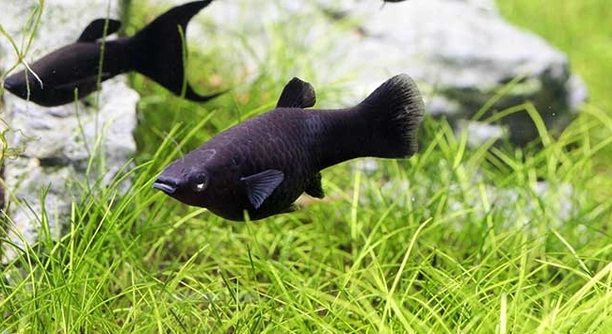
Black Mollies are lively freshwater fish often admired for their shiny black scales and peaceful nature. Observing their daily habits can be both relaxing and fascinating, especially when they gather around feeding time. Their behavior after meals can be subtle.
Black Mollies often pause briefly after feeding to digest their food. This pause is a natural response, allowing their digestive system to process nutrients efficiently. Short periods of reduced movement after eating are normal and indicate healthy digestion.
Watching these pauses more closely can reveal patterns in their daily activity and overall well-being, offering insight into proper care and feeding habits.
Understanding Black Molly Feeding Habits
Black Mollies are active fish that respond quickly during feeding. They often swim to the surface to grab floating flakes or pellets. After a meal, it’s common to see them pause near plants or decorations. This stillness is part of their natural routine. Mollies digest more efficiently when they have calm periods after eating, which helps prevent bloating or digestive issues. Observing where they rest after feeding can also indicate comfort levels in the tank. A fish that hides or becomes unusually inactive might be stressed or ill. Providing a balanced diet, including occasional vegetables or protein-based foods, supports healthy digestion. The tank environment, such as clean water and proper temperature, also plays a role in their post-feeding behavior. Feeding small amounts multiple times a day is better than one large meal, allowing Mollies to absorb nutrients steadily. Watching their habits over time helps you maintain their health and activity levels consistently.
Pausing after feeding is normal and should not be a cause for concern. It supports proper digestion and energy management.
By noting how long they remain still, you can fine-tune feeding routines and ensure they are comfortable. Observing patterns also helps identify any sudden changes in health. Consistent care encourages natural behavior and a more vibrant tank environment, making them easier to monitor and enjoy. Small adjustments to diet and environment often lead to noticeable improvements in activity and overall well-being. Paying attention to these details allows you to catch minor issues before they develop into larger problems. Tracking feeding responses also provides insight into individual fish preferences, helping you plan meals that are both nutritious and appealing. Over time, understanding these habits strengthens your ability to provide the best care for your Black Mollies, ensuring they remain active, healthy, and stress-free in their habitat.
Common Post-Feeding Behaviors
After eating, Black Mollies may hover, swim slowly, or rest near plants or rocks. This behavior is typical and helps with digestion.
Some Mollies might nibble occasionally after a pause, but most remain still for a few minutes. This quiet period is important for their health. It allows the digestive system to process food without strain, preventing bloating or discomfort. Fish that skip this pause or overeat may develop minor digestive problems. Tank setup, including water flow and temperature, can influence how long they remain still. Observing individual fish shows variation in behavior, reflecting age, metabolism, or activity level. Providing space and hiding spots encourages them to rest safely. Feeding small amounts gradually rather than a single large portion supports this natural pattern. Over time, you’ll notice that consistent feeding routines lead to predictable post-feeding behavior, making it easier to maintain a healthy tank. Attention to these details also ensures all fish get enough food without stressing others, contributing to a balanced and calm environment.
Signs of Healthy Digestion
A Black Molly that pauses after feeding usually shows healthy digestion. Smooth swimming, regular breathing, and calm resting indicate the fish is processing its food properly. Minor movement during pauses is normal and reflects comfort in its environment.
Pausing also helps prevent overfeeding issues like bloating. Watching how long a Molly stays still after a meal gives insight into its digestive efficiency. Some fish may rest longer depending on metabolism or recent activity. Changes in behavior, such as excessive hiding or erratic swimming, could indicate stress or illness. Consistent observation ensures that small problems are caught early, supporting long-term health and vitality in the tank. This is especially important in community tanks where other fish may influence behavior. Adjusting food type, portion size, or feeding frequency can make a big difference in maintaining comfort and digestion.
Maintaining water quality is also crucial. Poor water conditions can affect digestion and lead to illness. Mollies in clean, well-filtered tanks show steady post-feeding behavior. Overfeeding or feeding inappropriate food can disrupt this pattern. Providing a mix of flakes, pellets, and occasional vegetables keeps them balanced. Observing their routine helps identify the right feeding approach for each fish. Some Mollies eat quickly, while others nibble slowly, so paying attention ensures all get adequate nutrition.
Factors Influencing Pausing Behavior
Tank size, temperature, and activity level can affect how long a Molly pauses after feeding. Smaller tanks or warmer water may make fish more active, reducing pause time.
Other fish in the tank influence behavior. Aggressive or fast eaters can cause Mollies to eat quickly and pause longer afterward to recover. Stress from frequent handling or sudden changes in water chemistry may also extend rest periods. Feeding type matters: heavier foods like protein-rich pellets can require longer digestion than lighter flakes. Over time, patterns emerge showing which environmental conditions and food types work best for your Mollies. Observing each fish individually allows adjustment of feeding schedules and portion sizes, ensuring healthy digestion and comfort. This attention to detail fosters a calmer, more balanced tank environment, benefiting all inhabitants.
Post-Feeding Rest Spots
Black Mollies often choose plants, rocks, or corners of the tank to rest after eating. These spots offer security and calm, allowing the fish to digest without disturbance from other tank mates.
Some Mollies may hover mid-water or near the surface. Their choice depends on personality, comfort, and tank layout, but all locations serve the same purpose: supporting proper digestion and reducing stress.
Adjusting Feeding Routines
Feeding smaller amounts multiple times a day helps Mollies digest efficiently. Overloading the tank can lead to overeating and extended rest periods, which may stress the fish. Observing how long they pause after different meal sizes helps determine the optimal portion for each fish.
Observing Individual Differences
Each Black Molly may show slightly different post-feeding behavior. Age, metabolism, and health influence how long they rest. Tracking these differences helps provide better care. Regular observation ensures that all fish stay healthy and active while adjusting feeding practices to meet their individual needs.
Tank Environment Influence
Water temperature, flow, and cleanliness impact digestion and resting behavior. Mollies in stable, well-maintained tanks pause normally, while stressors can lengthen or shorten these periods.
FAQ
Do Black Mollies always pause after feeding?
No, not all Black Mollies pause in the same way. While most will slow down or rest briefly after a meal, some remain more active. Age, metabolism, tank temperature, and recent activity influence how long they pause. Younger or highly active Mollies may resume swimming quickly. Observing their behavior over time helps understand individual patterns.
How long should a Black Molly pause after eating?
Typically, a Black Molly pauses anywhere from a few minutes to around 15 minutes after feeding. This brief rest allows digestion without stress. Longer periods of inactivity may indicate overfeeding, illness, or water quality issues. Short pauses are natural, and variations occur depending on the type of food or the fish’s energy level.
Can feeding too much affect their resting behavior?
Yes, overfeeding can lengthen the pause or cause discomfort. Excess food can strain the digestive system, leading to bloating and reduced activity. Feeding small amounts multiple times a day is better than giving one large portion. Observing their pause after meals helps adjust feeding quantities for healthier digestion.
Do all tank conditions influence post-feeding behavior?
Yes, temperature, water flow, and cleanliness play a big role. Mollies in stable, clean tanks show predictable pauses. Sudden changes in water chemistry or high flow can make them swim more and shorten rest periods. Providing hiding spots and plants also encourages safe resting behavior.
Is it normal for Mollies to nibble after pausing?
Yes, occasional nibbling after a pause is normal. They may take small bites of leftover food or plant matter while digesting. This is part of their natural routine. Constant nibbling or refusal to eat could indicate stress or health problems, so monitoring patterns is important.
Do Black Mollies pause differently in community tanks?
Yes, the presence of other fish affects their behavior. Fast or aggressive feeders may make Mollies eat quickly and then rest longer. Quiet tanks allow more predictable pauses. Watching individual fish helps ensure all Mollies receive enough food and can digest comfortably without stress from tank mates.
Can diet type affect pause duration?
Definitely. Heavier foods like protein pellets may require longer digestion, causing a longer pause. Lighter foods, like flakes or vegetables, are processed faster. A balanced diet with occasional variety helps maintain normal behavior and prevents digestive strain. Observing how each type of food affects rest helps fine-tune feeding routines.
When should I worry about their post-feeding behavior?
You should be cautious if a Black Molly refuses to move for long periods, shows bloating, or behaves erratically. These signs could indicate digestive issues, stress, or illness. Early observation and proper adjustments in feeding, water quality, or tank setup often prevent more serious problems.
Do Black Mollies ever skip resting entirely?
Some may skip or shorten resting periods occasionally, especially when excited or active. As long as it’s infrequent and the fish remains healthy, it’s normal. Consistent skipping or unusual activity can signal stress or discomfort in the tank environment. Regular monitoring ensures overall well-being.
Can observing pauses help improve care?
Yes, noting how long and where Mollies pause after eating provides insight into tank comfort, feeding efficiency, and individual fish needs. Adjusting portion sizes, food type, and environment based on these observations supports digestion, health, and a calmer, happier tank overall.
Are there signs that the pause is too long or unusual?
A pause longer than 30 minutes, combined with lethargy, bloating, or hiding, is unusual. This may indicate digestive issues, poor water quality, or illness. Prompt evaluation of feeding practices, water parameters, and overall health helps address potential problems before they worsen.
Do Black Mollies interact with each other during pauses?
Occasionally, they may swim near each other or stay close while resting. This is normal social behavior and doesn’t usually interfere with digestion. Aggressive interactions during resting times are rare but should be monitored to prevent stress.
Can observing post-feeding behavior indicate overall health?
Yes, regular pauses after feeding, combined with steady swimming and normal activity, indicate good health. Changes in pause duration, resting spots, or activity levels often reveal stress, dietary issues, or illness, allowing early intervention and better care.
How can I encourage healthy post-feeding behavior?
Maintain clean water, proper temperature, and a calm environment. Feed appropriate amounts of a balanced diet and provide hiding spots. Observing patterns and adjusting feeding routines ensures Mollies pause naturally, digest efficiently, and stay healthy over time.
Is it common for older Mollies to pause longer?
Yes, older Mollies may take longer to digest meals. Metabolism slows with age, so pauses can be slightly extended. This is normal as long as the fish remains active otherwise and shows no signs of stress or illness.
Final Thoughts
Black Mollies are gentle, adaptable fish that display subtle but important behaviors, especially after feeding. Observing their post-feeding pauses can tell you a lot about their health and comfort in the tank. These pauses are not a sign of laziness; rather, they are a natural part of digestion. Like many fish, Mollies need a brief period to process their food properly. During this time, they may hover near plants, rocks, or corners, and sometimes remain mid-water. Each fish is slightly different, so the exact duration and behavior during these pauses can vary. Younger or more energetic Mollies may resume swimming quickly, while older or slower-metabolism fish may rest a bit longer. Paying attention to these small differences allows you to better understand each fish’s needs and ensures they receive the proper care.
Providing a consistent feeding routine is essential to supporting healthy post-feeding behavior. Small, frequent meals are generally better than a single large feeding, as they prevent overeating and reduce stress on the digestive system. A balanced diet including flakes, pellets, and occasional vegetables or protein-based foods keeps Mollies active and healthy. Observing how they react to different food types and portion sizes helps you fine-tune feeding practices. Environmental factors also play a key role. Clean water, stable temperatures, and adequate hiding spots encourage natural resting behavior. Mollies are sensitive to changes in water quality or tank conditions, and even minor stressors can alter their normal patterns. By maintaining a well-balanced tank and monitoring their reactions, you support both their digestion and overall health.
Understanding post-feeding behavior in Black Mollies also helps identify early signs of potential problems. If a fish consistently refuses to move, appears bloated, or behaves unusually after meals, it may indicate digestive issues, stress, or illness. Regular observation allows you to notice these changes quickly and take corrective action, whether adjusting diet, improving water quality, or providing additional hiding spots. Tracking their habits over time not only ensures that each fish remains healthy and comfortable but also strengthens your ability to provide proper care. Paying attention to these simple behaviors gives insight into their well-being and promotes a calm, balanced tank environment where Mollies can thrive. Healthy post-feeding pauses are a sign that your fish are comfortable, digesting properly, and living in conditions that support their natural behavior. Consistency in care, feeding, and observation builds a routine that benefits both the fish and the overall tank ecosystem, making maintenance easier and more predictable.

Hello,
If you enjoy the content that we create, please consider saying a "Thank You!" by leaving a tip.
Every little bit helps us continue crafting quality advice that supports the health, happiness, and well-being of pets around the world, for pets of all shapes, sizes, and species.
We really appreciate the kindness and support that you show us!