
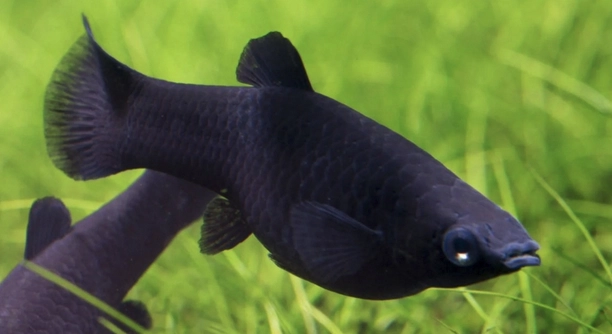
Black Molly fish are a popular choice for home aquariums due to their striking black coloration and lively behavior. Many aquarists wonder how tank setup affects their well-being, including the impact of visual boundaries on stress levels.
Black Mollies do benefit from visual boundaries within their tanks. Providing barriers such as plants, rocks, or dividers can reduce stress by limiting constant exposure to tank mates and reflections, supporting natural territorial behaviors and enhancing overall comfort in their environment.
Understanding how these boundaries affect Black Mollies can improve their behavior, health, and interactions, creating a more balanced and peaceful aquarium environment for all inhabitants.
Why Visual Boundaries Matter for Black Mollies
Black Mollies are sensitive to their surroundings. Open spaces without hiding spots can increase stress and lead to aggressive behavior or constant swimming, which wastes energy. Visual boundaries like plants, rocks, or aquarium ornaments give them areas to retreat and feel secure. When boundaries are placed strategically, fish can establish personal spaces, reducing tension among tank mates. Overcrowded or barren tanks often trigger stress-related illnesses. Observing how your Mollies behave around barriers helps identify whether they need more coverage. Boundaries also encourage natural behaviors like exploring, grazing, and hiding. Even small dividers or floating plants can create zones that give each fish a sense of ownership in the tank. Placement near the tank’s corners or edges can enhance the effect. The goal is to balance open swimming areas with sheltered zones to maintain a calm, healthy environment. Consistent observation allows adjustments based on how your fish interact with these structures.
Visual boundaries help reduce stress while promoting natural behavior and territorial comfort.
Adding visual breaks in the tank encourages peaceful interactions and creates a healthier, more balanced environment for your Black Mollies.
Types of Visual Boundaries for Black Mollies
Plants are the most common and effective boundaries. Tall or bushy live plants like Java fern, Amazon sword, or hornwort provide hiding spaces and break up line-of-sight between fish. Artificial plants can serve the same purpose if maintenance is a concern. Rocks, caves, or driftwood create sturdy shelters and natural-looking divisions within the aquarium. Floating plants, such as duckweed or water lettuce, offer surface coverage that reduces light intensity and visual exposure. Tank dividers or strategically placed ornaments can separate territorial or aggressive fish, minimizing conflicts. Even a combination of these elements works well, providing variety and stimulation for the fish. Observing how Black Mollies respond to different structures allows you to customize the tank layout effectively.
Providing visual boundaries ensures each fish has a sense of security.
Experimenting with plants, rocks, and floating elements helps mimic a natural habitat, encourages healthy behaviors, and reduces stress. A thoughtful layout supports exploration, resting areas, and peaceful coexistence among your Black Mollies. Over time, these boundaries can prevent constant chasing, minimize injuries, and create a more harmonious tank atmosphere. Adjusting placement based on fish movement patterns ensures the environment remains engaging without overcrowding, supporting both mental and physical health. Combining vertical, horizontal, and floating barriers offers multiple zones and retreat options. The choice of materials can be tailored to aesthetic preferences while prioritizing fish welfare. Regular monitoring of fish behavior ensures the boundaries continue to serve their purpose, allowing timely modifications when necessary. A well-structured tank encourages calm, reduces aggressive tendencies, and ultimately fosters a thriving, vibrant community of Black Mollies.
How to Place Visual Boundaries
Boundaries should be placed to create hiding spots without isolating fish completely. Corners, near filters, or along the back wall are ideal. Avoid blocking open swimming areas, but ensure each fish has access to shelter to reduce stress and support natural movement patterns.
Proper placement of plants, rocks, and ornaments is key for Black Mollies. Tall plants along the tank’s back and sides provide cover while keeping the center open for swimming. Small caves or rock clusters can create private zones, preventing constant chasing. Floating plants break the line-of-sight and soften lighting. It’s important to observe fish behavior after rearranging the tank to ensure boundaries are effective. Minor adjustments can make a noticeable difference in comfort and social interactions.
Adjusting boundaries over time allows you to respond to changes in fish behavior or tank population. Black Mollies may shift territories or explore new areas, and flexible placement ensures they remain secure. Rotating or trimming plants, repositioning rocks, or adding small ornaments helps maintain interest and comfort. Each adjustment should be gradual to prevent sudden stress. A well-placed combination of visual barriers balances open swimming areas with safe retreats. Over time, this strategy reduces aggression and encourages healthy activity. Observing how fish use each space allows continuous optimization, keeping the tank calm and dynamic.
Signs Your Black Mollies Need More Boundaries
If fish dart constantly, hide excessively, or chase others frequently, it indicates insufficient visual boundaries. Stress can manifest as color fading or frayed fins, signaling discomfort.
Behavioral changes are clear indicators of stress from a lack of boundaries. Black Mollies may repeatedly swim along tank walls, nipping at tank mates, or avoiding certain areas entirely. They may lose appetite or show lethargy, which signals anxiety and insecurity. Adding plants, rocks, or floating barriers can provide necessary hiding spots. Watch how fish interact with new structures, noting reductions in chasing or increased use of shelters. Consistent observation helps determine whether boundaries are effective and if adjustments are needed to maintain a calm environment.
Monitoring interactions helps maintain a peaceful tank and supports long-term health. Gradually increasing boundary density or repositioning barriers can resolve territorial disputes. Properly placed visual breaks prevent stress-related illness and enhance natural behaviors like grazing, exploring, and resting. Observing Black Mollies’ color intensity, swimming patterns, and social interactions provides insight into comfort levels. Overcrowding or excessive aggression can be mitigated by adding vertical or horizontal barriers. Floating plants and tall structures offer additional refuge, balancing light and reducing exposure. Regularly reassessing fish behavior ensures that the tank remains both stimulating and safe, supporting overall well-being.
Common Mistakes with Visual Boundaries
Overcrowding the tank with too many barriers limits swimming space and increases stress. Placing all hiding spots in one area can create territorial disputes.
Using artificial decorations that have sharp edges or unstable structures can injure fish. Boundaries should be safe, stable, and distributed evenly throughout the tank to provide balance and comfort.
Adjusting Boundaries Over Time
As Black Mollies grow or the tank population changes, boundaries may need repositioning. Observing fish behavior helps determine if hiding spots or visual breaks need addition or relocation. Gradual adjustments ensure fish remain comfortable without causing sudden stress. Regular monitoring is essential to maintain harmony and health.
Benefits of Visual Boundaries
Visual boundaries improve mental well-being, reduce aggression, and encourage natural behaviors. Fish can explore safely, rest, and interact with minimal stress.
FAQ
Do Black Mollies always need visual boundaries?
Not all tanks require extensive boundaries, but most Black Mollies benefit from them. Even minimal structures like a few plants or small rocks can reduce stress and give them places to retreat. The key is balance—enough cover to feel secure without restricting swimming space. Observing how fish behave around barriers helps you decide the right amount.
Can visual boundaries prevent aggression?
Yes. Aggression often occurs when fish cannot establish personal space. Barriers break line-of-sight and create zones, reducing constant chasing and conflicts. Strategic placement of plants, caves, or ornaments allows each fish to claim an area, promoting peaceful interactions and healthier social dynamics.
Are live plants better than artificial ones?
Both can be effective, but live plants offer additional benefits such as oxygenation, water filtration, and natural grazing opportunities. Artificial plants work well if maintenance is a concern or for tanks with strong fish that may damage delicate live plants. Combining both types can maximize comfort and visual interest.
How many visual boundaries are enough?
There is no fixed number, but the goal is to provide multiple zones for hiding, resting, and swimming freely. A combination of tall plants, rocks, and floating coverage usually works well. Placement should ensure that no fish feels trapped while still allowing territories to form naturally.
Where should boundaries be placed in the tank?
Corners, along the back, and near filters are effective spots. Avoid blocking the middle swimming area. Spread barriers to create distinct zones so fish can explore safely and retreat when needed. Regular observation allows adjustment based on fish behavior.
Can too many boundaries stress Black Mollies?
Yes. Overcrowding the tank with decorations or plants can restrict swimming space, limit visibility, and cause anxiety. Boundaries should provide shelter and zones without making the tank feel cramped. Maintaining open areas alongside cover creates a balanced environment.
Do boundaries help with breeding?
Boundaries can create private zones for breeding pairs, reducing interference from other fish. Plants, caves, or ornaments offer shelter for fry and encourage natural breeding behaviors while keeping parents less stressed.
Do Black Mollies need visual boundaries in small tanks?
Even in small tanks, boundaries are useful. Small plants or low-profile decorations can provide hiding spots without taking up too much space. Properly placed, they reduce stress and support natural behavior even in limited environments.
How often should I adjust boundaries?
Adjust boundaries gradually based on fish growth, behavior changes, or tank population shifts. Sudden rearrangements can stress fish. Observation is key to knowing when a tweak is needed to maintain comfort and harmony.
Can floating plants be effective visual boundaries?
Yes. Floating plants reduce light intensity, break line-of-sight, and provide a sense of shelter from above. They also encourage natural grazing behavior while offering a soft visual barrier for more timid fish.
Do visual boundaries affect water flow?
Some structures may alter water circulation, but this is usually minor. Ensure filters and pumps maintain adequate flow to prevent stagnant zones. Proper placement allows both boundaries and water movement to coexist effectively.
Will all Black Mollies use the same hiding spots?
Not necessarily. Each fish may claim different zones depending on personality or dominance. Providing multiple boundaries ensures everyone has a retreat, reducing conflicts and allowing shy or weaker fish to feel safe.
Do visual boundaries influence feeding behavior?
Boundaries can reduce competition at feeding times by giving fish space to eat without constant interruption. Shy or smaller fish may access food more easily when they have nearby shelter to retreat to after eating.
Can I use decorations I already own as boundaries?
Yes, as long as they are safe, stable, and free of sharp edges. Rocks, ceramic ornaments, or sturdy plastic decorations can create zones and hiding spots. Always monitor fish to ensure the structures are used properly and do not cause harm.
Do boundaries need to be changed frequently?
Not frequently, but occasional adjustments keep the environment stimulating and comfortable. Rotating plants, adding small ornaments, or repositioning rocks can refresh zones while maintaining security for the fish.
Are visual boundaries more important for some fish than others?
Yes. Black Mollies are active and social but can be stressed by constant exposure or aggression. Boundaries support calmer interactions, whereas some more solitary fish may require fewer structures. Tailoring the setup to your tank’s species mix is essential.
Can visual boundaries reduce disease risk?
Indirectly, yes. Less stress and aggression result in stronger immune responses. Fish that feel secure are less likely to injure themselves or others, lowering the chances of infection. Boundaries contribute to a healthier, more resilient population.
What signs show that boundaries are working?
Fish will explore more freely, rest in safe zones, and show reduced chasing or color fading. Calm swimming, healthy appetite, and regular social interactions indicate that boundaries are effective and contribute to well-being.
Is it necessary to have both vertical and horizontal boundaries?
Yes. Vertical plants or rocks break sightlines, while horizontal or low-level structures create floor-level zones. Combining these types allows fish to choose retreats based on their mood, size, and social status, supporting natural behavior and reducing stress.
How do boundaries affect shy Black Mollies?
Shy fish benefit the most. Boundaries give them places to hide while observing the environment safely. This encourages gradual interaction with tank mates and helps them build confidence without being overwhelmed by more dominant fish.
Can visual boundaries help in mixed-species tanks?
Absolutely. Boundaries prevent aggressive encounters between different species and give timid fish places to escape. They help establish territories for multiple types of fish, maintaining peace and reducing stress-related problems.
Do I need to clean boundaries regularly?
Yes. Plants, rocks, and ornaments can collect algae and debris. Regular cleaning prevents water quality issues while keeping hiding spots safe and comfortable. Avoid harsh chemicals to protect both fish and live plants.
Can boundaries be decorative and functional?
Yes. Decorative rocks, driftwood, and plants can enhance the tank visually while serving as visual breaks. Functionality and aesthetics can coexist, providing comfort and creating a pleasant environment for both fish and observers.
How long does it take for boundaries to show results?
Behavioral improvements can be seen within days to weeks. Fish often explore more, chase less, and display calmer interactions once they feel secure. Continued observation ensures boundaries remain effective as the tank population or layout changes.
Do Black Mollies ignore boundaries sometimes?
Occasionally, especially if they feel confident or curious. Some fish may swim openly despite available hiding spots. Boundaries are most useful during stress, aggression, or when shy fish need safe zones.
Black Mollies are active and social fish that respond well to a thoughtfully arranged tank. Visual boundaries play an important role in maintaining a calm and balanced environment. They provide shelter, reduce stress, and allow fish to establish personal spaces. Without boundaries, fish may become anxious, constantly swim without rest, or display aggressive behavior toward tank mates. Adding simple elements like plants, rocks, or floating decorations creates zones that allow each fish to feel secure while still being able to explore and interact with the group. Observing how your Black Mollies respond to these structures is key to understanding their needs and ensuring a peaceful aquarium environment.
Proper placement of visual boundaries is as important as the boundaries themselves. Corners, back walls, and areas near filters or decorations often work best, offering protection without blocking swimming space. A combination of vertical and horizontal boundaries provides multiple levels of cover, encouraging natural behaviors like grazing, exploring, and resting. Floating plants can offer additional refuge and help reduce light intensity, which can be beneficial for more timid fish. Boundaries should not overcrowd the tank, as too many structures can restrict movement and create stress instead of reducing it. Regular adjustments based on fish behavior, growth, and tank population ensure that the layout continues to meet the fish’s needs. Small changes, such as repositioning rocks or trimming plants, can make a noticeable difference in comfort and social dynamics.
The benefits of visual boundaries extend beyond immediate comfort. Fish that feel secure are more likely to maintain healthy activity levels, proper feeding habits, and vibrant coloration. Boundaries help reduce chasing and conflicts, support shy or smaller fish, and even create private zones for breeding or fry protection. By observing behavior and adjusting boundaries when necessary, tank owners can promote a more harmonious environment. A well-structured tank with appropriate visual breaks encourages natural interactions, reduces stress, and contributes to the long-term health of Black Mollies. With careful planning and attention to their responses, visual boundaries can make a significant difference in creating a balanced and thriving aquarium for these lively fish.

Hello,
If you enjoy the content that we create, please consider saying a "Thank You!" by leaving a tip.
Every little bit helps us continue crafting quality advice that supports the health, happiness, and well-being of pets around the world, for pets of all shapes, sizes, and species.
We really appreciate the kindness and support that you show us!