
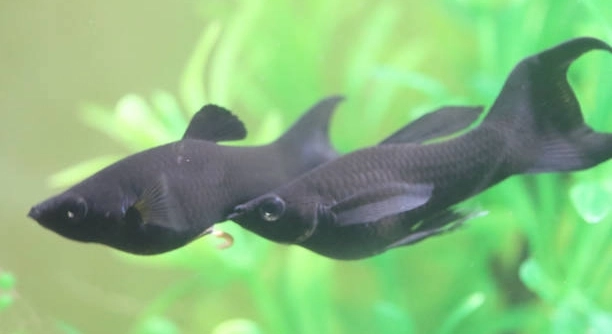
Do you enjoy watching your Black Molly swim gracefully, yet notice sudden changes in behavior that seem puzzling or concerning? These small shifts in activity and mood can leave owners feeling unsure about what is happening.
Black Mollies often react to changes in their environment, diet, or tank conditions. Alterations in water temperature, pH levels, feeding schedules, or tank mates can trigger stress or confusion, impacting their behavior and overall well-being.
Recognizing these subtle changes early helps ensure your Black Molly stays healthy and comfortable in its environment, avoiding stress and promoting a balanced, thriving habitat.
Sudden Water Temperature Changes
Black Mollies are sensitive to shifts in water temperature. Even a few degrees can affect their swimming patterns, appetite, and mood. I’ve noticed that when the water is slightly colder than usual, my Molly tends to hide more and swim less actively. Rapid changes can stress their system, making them sluggish or even causing temporary color loss. Maintaining a consistent temperature within the recommended range of 24–28°C is essential. Using a reliable heater and thermometer helps prevent unexpected fluctuations. If you recently performed a water change or adjusted the heater, it is normal for your Molly to seem confused. Giving them time to acclimate and observing their behavior closely can reduce stress. Small changes like adding a new decoration can also impact their comfort if the temperature is uneven across the tank. Consistency in water conditions ensures they remain healthy, active, and display their usual social behavior.
Gradual temperature adjustments are safer than sudden shifts. Monitoring your tank helps your Molly feel stable and confident.
Keeping the water stable requires regular checks. Consistent warmth prevents erratic swimming and supports proper digestion, activity, and overall health. Observing your Black Molly during temperature changes can also provide insight into their tolerance and comfort levels. Simple tools like digital thermometers or gradual heater adjustments make maintaining a consistent environment manageable. Over time, your Molly will respond less anxiously to minor changes if the tank remains stable. Even seasonal shifts in room temperature can affect your fish, so it’s important to check water daily. By ensuring a balanced environment, you support not only physical health but mental well-being. A calm, predictable habitat reduces stress-related behaviors such as hiding, darting, or refusing food. With patience and consistency, you can create an environment where your Black Molly thrives and exhibits natural, active behavior.
Changes in Diet
Sudden changes in diet can confuse Black Mollies. They may refuse food or swim nervously around the tank when introduced to new flakes, pellets, or vegetables.
Introducing new foods should be gradual. Mixing familiar items with new options allows your Molly to adjust without stress.
Black Mollies have delicate digestive systems, and abrupt dietary shifts can lead to confusion, stress, or digestive issues. I noticed that when switching brands of flakes too quickly, my Molly would nibble but leave most uneaten, sometimes hiding afterward. Slowly combining new foods with what they already know helps them accept changes comfortably. Offering a variety of vegetables, protein sources, and occasional treats ensures proper nutrition. Observing which foods they prefer can help you create a balanced feeding routine. Proper portioning prevents uneaten food from polluting the tank, which could stress your fish further. Over time, a gradual introduction of new items strengthens their adaptability and reduces negative reactions. This careful approach promotes healthy digestion, steady energy levels, and consistent behavior, keeping your Black Molly active and confident in their environment.
Introduction of New Tank Mates
Adding new fish can make Black Mollies nervous. They may swim erratically, hide, or avoid certain areas of the tank.
Black Mollies are territorial and cautious. When a new fish is introduced, they need time to assess whether the newcomer is a threat. I’ve observed that my Molly would patrol the tank more frequently and sometimes chase smaller fish when a new species arrived. Providing hiding spots and rearranging decorations can help reduce territorial disputes. Keeping new fish in quarantine before introducing them also minimizes stress and the risk of disease. Watching interactions closely ensures everyone adapts smoothly.
Gradually introducing tank mates allows Black Mollies to feel secure. Over time, they learn to coexist and establish a social hierarchy without unnecessary aggression. Observing their responses helps you adjust tank arrangements and maintain harmony. Careful planning of new additions keeps stress levels low and promotes healthy interaction within the aquarium.
Sudden Changes in Lighting
Abrupt changes in lighting can disorient Black Mollies. They may dart or hide when exposed to brighter or dimmer light than usual.
Lighting affects natural behaviors like feeding, resting, and exploring. I noticed my Molly would retreat to shaded areas whenever the overhead light was replaced with a brighter bulb. Consistency is key—gradually adjusting brightness or simulating natural day-night cycles helps them adapt. Using a timer ensures predictable lighting, reducing stress and confusion. Sudden power outages or moving the tank can also unsettle them. Observing your fish during lighting adjustments lets you spot stress early and make necessary changes.
Proper lighting routines support Black Mollies’ overall well-being, including appetite, activity, and coloration. Maintaining a stable schedule prevents erratic swimming, hiding, or refusal to feed. Over time, predictable lighting allows your Molly to settle into natural daily rhythms, improving confidence and reducing stress. Controlled lighting enhances tank aesthetics and ensures the fish thrive physically and mentally, making the aquarium a comfortable environment for all inhabitants.
Overcrowded Tank
Too many fish in the tank can stress Black Mollies. They may hide, swim nervously, or compete aggressively for space.
Providing adequate space and monitoring the number of fish helps maintain a calm environment. I noticed my Molly became less active when the tank was crowded, highlighting the importance of proper stocking.
Water Quality Fluctuations
Black Mollies are sensitive to water quality changes. Poor filtration, high ammonia, nitrite, or nitrate levels can confuse and stress them. Regular testing and water changes keep their environment stable. I once observed my Molly staying near the surface when nitrate levels spiked, showing how quickly they react to changes. Consistent maintenance, proper filtration, and monitoring chemical levels are crucial for their health. Maintaining a stable pH and clean water prevents erratic behavior, lethargy, and loss of appetite. Over time, a well-maintained tank reduces stress, allowing Mollies to swim confidently and display natural behaviors.
Moving Tank Decorations
Rearranging decorations can unsettle Black Mollies. They rely on familiar landmarks and hiding spots, and sudden changes can cause stress or confusion.
Why is my Black Molly hiding more than usual?
Black Mollies often hide when they feel stressed or unsafe. Changes in water temperature, tank mates, or decorations can make them retreat. I’ve noticed my Molly hiding behind plants whenever I rearranged the tank, and it took a few days for her to feel comfortable again. Providing consistent water conditions, enough hiding spots, and stable lighting helps reduce hiding behavior. Stress from sudden changes is temporary if the environment is stable.
Why is my Black Molly refusing food?
Refusal to eat is often linked to stress, illness, or dietary changes. Introducing new foods too quickly can confuse them. I switched my Molly’s flakes suddenly, and she ignored her food for a day. Gradually mixing new items with familiar foods allows them to adjust without losing appetite. Also, ensure water quality is optimal because poor conditions can reduce feeding interest.
Why is my Black Molly swimming erratically?
Erratic swimming usually signals stress, water quality issues, or temperature fluctuations. I observed my Molly darting around after a recent water change that left the temperature slightly off. Checking ammonia, nitrite, and nitrate levels, as well as maintaining stable temperatures, often resolves this behavior. Overcrowding or introducing new tank mates can also cause similar reactions. Providing a calm, well-structured tank environment minimizes sudden, erratic movements.
Why has my Black Molly changed color?
Color changes are often stress-related or due to environmental shifts. I noticed my Molly’s black coloring faded slightly after a new, brighter light was installed. Stable water parameters, consistent lighting, and proper nutrition usually restore vibrant coloration. Some minor changes can also be natural as fish age, but sudden pale or dull colors often indicate stress or illness.
How can I help my Black Molly adjust to new tank mates?
Introducing new fish gradually reduces stress. I observed my Molly swimming nervously when a new fish was added suddenly. Using a divider or rearranging decorations gives both the old and new fish time to get accustomed without confrontation. Observing interactions closely and providing plenty of hiding spaces helps establish a peaceful social dynamic.
Why does my Black Molly hide after I clean the tank?
Tank cleaning can temporarily unsettle Black Mollies due to sudden changes in surroundings or water conditions. I noticed my Molly staying behind decorations after a major water change. Ensuring gradual water replacement, maintaining temperature consistency, and leaving some familiar landmarks intact helps them readjust faster.
What signs indicate my Black Molly is stressed?
Stress manifests in hiding, reduced appetite, erratic swimming, color fading, or clamped fins. I once saw my Molly exhibit all these signs after a sudden heater failure. Monitoring behavior daily and maintaining stable water conditions helps prevent stress. Addressing any environmental issues promptly is essential to keep your fish healthy and active.
How often should I test water for my Black Molly?
Testing water at least once a week is ideal. I check temperature, pH, ammonia, nitrite, and nitrate levels weekly. Consistent monitoring allows early detection of potential problems, keeping Mollies healthy. Frequent testing ensures adjustments can be made before stress or illness develops, supporting long-term wellbeing.
Why does my Black Molly seem confused after changing decorations?
Black Mollies rely on familiar landmarks for security. Sudden rearrangements can make them appear lost or nervous. I’ve noticed my Molly hovering near old spots even after moving objects. Gradual changes, leaving some familiar areas intact, and providing hiding spaces help them adapt quickly.
How do I reduce stress when making changes to the tank?
Introduce changes gradually and monitor responses. I typically adjust water temperature, lighting, or decorations slowly. Keeping a calm, predictable environment with proper feeding and hiding spots helps Black Mollies feel secure. Observing their reactions and making small, measured adjustments prevents confusion and promotes confidence.
Black Mollies are sensitive and observant fish, responding quickly to changes in their environment. Even small adjustments in water temperature, lighting, tank decorations, or diet can make them confused or stressed. I have noticed that whenever I rearrange their tank or introduce new foods too quickly, my Molly becomes cautious and hides more often. These behaviors are natural and indicate that the fish is trying to adapt to its surroundings. Maintaining a consistent environment with gradual changes is key. Providing familiar hiding spots, stable water conditions, and a regular feeding schedule allows them to feel secure and comfortable in their habitat.
Attention to water quality is essential for keeping Black Mollies healthy. Poor water conditions, sudden fluctuations in pH, ammonia, nitrite, or nitrate levels can affect their behavior and overall well-being. I have found that testing the water weekly and performing regular water changes reduces stress and prevents erratic swimming, color loss, and appetite problems. Using reliable tools like thermometers, water test kits, and timers for lighting helps maintain a stable environment. Proper filtration, moderate tank stocking, and controlled feeding schedules also play a significant role in minimizing stress and keeping the fish active. Consistent monitoring and proactive care ensure that Black Mollies can thrive in a comfortable and safe setting.
Understanding the unique needs of Black Mollies allows owners to respond appropriately when changes occur. Whether it is introducing new tank mates, switching foods, or cleaning the tank, gradual adjustments help prevent confusion and anxiety. I have observed that Mollies adjust more easily when changes are slow and predictable, showing confidence in their swimming and curiosity toward their environment. Observing their behavior closely, maintaining a stable tank, and addressing stressors quickly contributes to long-term health and happiness. With patience and consistent care, Black Mollies can display their natural colors, energetic movements, and social behaviors, making them a rewarding and enjoyable addition to any aquarium.

Hello,
If you enjoy the content that we create, please consider saying a "Thank You!" by leaving a tip.
Every little bit helps us continue crafting quality advice that supports the health, happiness, and well-being of pets around the world, for pets of all shapes, sizes, and species.
We really appreciate the kindness and support that you show us!