
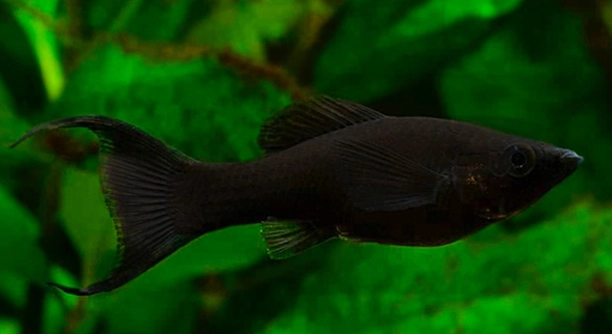
Are your Black Molly fish slowing down in a way that feels unusual, making you wonder what could be influencing their calm and sluggish behavior as they swim through their tank each day at home.
Black Molly fish often become sluggish due to water quality imbalances, including improper temperature, low oxygen, high ammonia, fluctuating pH, excessive nitrates, hard water, and inadequate filtration. These factors strain their physiological functions, reducing mobility and vitality within the environment.
These water factors shape your Black Molly’s behavior, giving insight that helps support steadier energy and create a healthier space.
Temperature Imbalance
Temperature shifts can affect your Black Molly quickly, especially when the water cools or heats beyond their comfort zone. Stable warmth supports their activity, helping them move with ease and confidence. When the temperature becomes unpredictable, their bodies react by slowing down, trying to conserve energy while adjusting to the stress. This often leads to reduced swimming, less interest in food, and a general sense of discomfort that becomes noticeable over time. Keeping a steady temperature gives your fish the support they need and helps prevent unnecessary strain. Regular monitoring helps you understand how their environment shapes their behavior in subtle ways that matter.
Maintaining the right temperature range helps support their energy levels and encourages steady movement through the tank.
A reliable heater and consistent checks can stabilize their environment, allowing your Black Molly to feel secure and active throughout the day. This small adjustment can create meaningful improvement in their overall wellness and comfort.
Low Oxygen Levels
Low oxygen makes Black Molly fish breathe harder, slow their movement, and gather near the surface where oxygen is more available.
Improving oxygen levels supports your fish by giving them the conditions they need to stay active and comfortable. Strong water movement from air stones or filters helps oxygen spread throughout the tank, giving them the support they need to swim steadily. When oxygen becomes limited, your Black Molly conserves energy, which leads to sluggish behavior and reduced interaction with its surroundings. A well-oxygenated environment helps maintain consistent behavior, keeps stress low, and encourages healthier routines. Regularly checking equipment and keeping the water clean ensures oxygen flows evenly, helping your fish stay strong and responsive.
High Ammonia Levels
High ammonia creates immediate stress for your Black Molly, slowing its movements as it tries to cope with the irritation. Even small spikes can weaken its energy, making it less willing to swim, explore, or interact with the tank environment.
Ammonia affects the gills first, making it harder for your fish to breathe comfortably. This strain forces your Black Molly to conserve energy, leading to slower behavior and long periods of stillness. Clean water plays an important role in preventing this problem, especially when waste builds up faster than the tank can process it. Regular water changes, a stable cleaning routine, and avoiding overfeeding help maintain balance, allowing your fish to stay active.
Strong filtration keeps ammonia under control, giving your fish a safer space to move confidently. Testing the water helps you notice changes early, allowing you to make adjustments before your Black Molly begins showing signs of stress or reduced energy.
Fluctuating pH Levels
Fluctuating pH disrupts your Black Molly’s comfort, pushing its body to adapt to constant changes that drain energy and reduce movement. Even mild shifts slow its activity, creating tension that becomes noticeable when your fish lingers in calmer areas of the tank.
Stable pH levels help your fish stay balanced and responsive. Sudden changes can irritate their gills and skin, forcing them to use more energy than usual to cope. This draining effect shows up in sluggish swimming, lower interest in food, and a clear decrease in their usual activity. Consistent testing helps you understand what is happening in the water, giving you the chance to correct imbalances before they affect your fish. Adjusting pH slowly, keeping water conditions steady, and avoiding rapid changes during maintenance all help maintain a healthier environment.
Excessive Nitrates
Excessive nitrates build up over time, making your Black Molly feel tired and less active as its body struggles to handle the strain. This often leads to slower swimming, weaker appetite, and a clear drop in overall energy.
Regular water changes and strong maintenance habits help keep nitrates under control. Clean water supports steadier behavior and prevents the gradual decline that happens when nitrates rise without notice, giving your fish a healthier space to move comfortably.
Hard Water Conditions
Hard water places extra stress on your Black Molly, affecting its gills and making it harder to stay active. Over time, the minerals can create discomfort, reduce movement, and influence the way your fish interacts with its surroundings. Gradual adjustments and consistent monitoring help create a more comfortable balance.
Inadequate Filtration
Weak filtration allows waste to linger, slowing your Black Molly as it tries to cope with the poor conditions. Clean, moving water helps your fish stay active, steady, and more responsive in its environment.
FAQ
Why does my Black Molly suddenly become slow even when the water looks clean?
Your Black Molly can slow down even in clear water because visual clarity does not reflect actual water quality. Ammonia, nitrites, and nitrates have no color, so the water can appear fine while still holding harmful levels. Temperature shifts, fluctuating pH, or low oxygen also affect activity without changing the water’s appearance. Regular testing helps reveal hidden imbalances that influence behavior. Even small environmental changes can make your fish conserve energy and move less. A stable setup with consistent monitoring helps prevent sudden slowdowns and keeps your Black Molly feeling more comfortable.
Can a small tank make my Black Molly sluggish?
A small tank can limit movement and trap waste more quickly, leading to poor conditions that affect your fish’s energy. When water parameters shift too fast or space becomes tight, stress builds. Stress lowers activity, weakens appetite, and encourages your fish to withdraw. A larger, stable tank gives your Black Molly room to swim and helps water remain balanced for longer periods. Strong filtration and regular maintenance support better activity, especially when paired with appropriate space that allows your fish to move freely.
How often should I test the water to prevent sluggish behavior?
Testing the water at least once a week provides helpful insight into ammonia, nitrites, nitrates, and pH levels. More frequent tests are useful after adding new fish, increasing feeding, or making changes to filtration. Consistent testing helps you notice subtle shifts before they affect your Black Molly. When parameters trend upward or downward, small corrections can be made right away. This steady approach helps keep the environment safe and supports regular activity. A simple testing routine can prevent many of the issues that would otherwise slow your fish’s movement.
Can my Black Molly become sluggish from stress alone?
Stress can slow your Black Molly even when water conditions appear acceptable. Loud noises, sudden movement near the tank, aggressive tank mates, or overcrowding each contribute to tension. Stress affects behavior, lowers energy, and reduces interest in food. Over time, these reactions become more noticeable, making your fish appear slow or uninterested in its surroundings. Creating a calm space, choosing gentle tank mates, and avoiding overcrowding helps reduce tension. A peaceful environment allows your Black Molly to feel more secure and active.
Do feeding habits influence how active my Black Molly is?
Feeding habits play a role in your Black Molly’s energy level. Overfeeding increases waste, which affects water quality and leads to sluggish behavior. Underfeeding weakens the fish, lowering activity and strength. Balanced portions, fed consistently, help keep your Black Molly energized. Uneaten food should be removed to prevent water issues. When feeding is steady and measured, it supports healthy digestion and encourages consistent movement throughout the day.
Can lighting affect my Black Molly’s activity level?
Lighting influences energy and comfort. Strong or harsh lighting can overwhelm your fish, leading to slower movement as it tries to stay in darker areas. Too little light can reduce activity, making your Black Molly feel uncertain or less motivated to explore. A balanced light cycle helps support natural behavior. Soft, steady lighting encourages comfort and promotes healthy swimming patterns. Keeping lights on a timer provides a predictable routine that helps reduce stress.
How long does it take for a sluggish Black Molly to recover once conditions improve?
Recovery depends on how long the water issues or stress factors were present. Many Black Molly fish begin improving within a day once conditions stabilize. More serious imbalances require several days of steady care before activity returns to normal. Clean water, proper temperature, good oxygen levels, and calm surroundings support faster recovery. Gentle observation helps you notice progress and adjust care as needed. A stable routine gives your fish the best chance to regain energy and return to its usual behavior.
Final Thoughts
Caring for a Black Molly becomes much easier once you understand how closely its behavior connects to the water it lives in. Sluggish movement is often the first clear sign that something in the tank needs attention, whether it is temperature, oxygen, pH, or waste levels. These conditions shape the daily comfort of your fish, and even small changes can influence how freely it swims or how steady its energy remains. Paying attention to these details helps you create an environment where your Black Molly can stay active and calm, without needing to push against unnecessary strain. As you monitor the water more often, you gain a clearer sense of how each adjustment matters. This awareness becomes a comforting guide that makes caring for your fish feel natural and steady, giving both you and your Black Molly a more peaceful experience.
Water quality plays a larger role than many people realize, especially when issues develop slowly over time. Ammonia and nitrates rise without changing how the water looks, and pH can shift after simple routine tasks like top offs or cleaning. These gradual changes can weaken your fish in small ways until the signs become obvious. When you know what to watch for, it becomes easier to prevent these problems rather than reacting to them. You begin recognizing patterns in your tank, noticing how your Black Molly behaves when conditions are ideal and how it responds when something shifts out of balance. This understanding strengthens the connection you have with your fish, giving you confidence in the care you provide. The more consistent your routine becomes, the healthier your tank stays, and the more stable your Black Molly’s behavior remains.
Supportive care is not only about fixing problems but also about maintaining a calm and reliable environment. A steady temperature, clean water, gentle lighting, and proper filtration all work together to create a balanced space that helps your fish thrive. These choices offer your Black Molly the comfort it needs to feel secure and active, making it easier for you to enjoy watching it move with ease and confidence. As you continue caring for your tank, you will notice how small efforts lead to meaningful improvements in your fish’s well-being. A balanced habitat not only prevents sluggish behavior but also supports long-term health, giving your Black Molly a stable home where it can grow and live peacefully.

Hello,
If you enjoy the content that we create, please consider saying a "Thank You!" by leaving a tip.
Every little bit helps us continue crafting quality advice that supports the health, happiness, and well-being of pets around the world, for pets of all shapes, sizes, and species.
We really appreciate the kindness and support that you show us!