
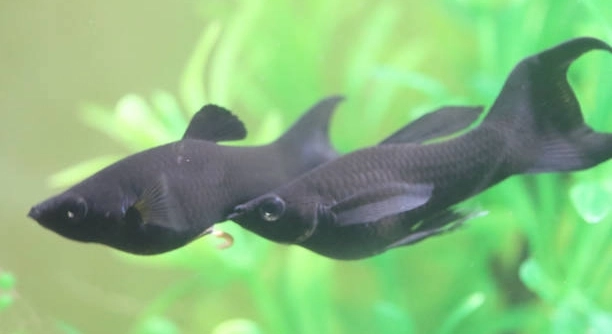
Caring for small aquarium fry can feel overwhelming, especially when unexpected behaviors appear in the tank. Observing your black molly fry gather tightly together might feel confusing as you try to understand their natural instincts.
Black molly fry commonly pile together due to stress, environmental shifts, or an instinctive need for safety. Grouping provides warmth, reduces predation risk, and stabilizes their behavior. Poor water quality, inadequate hiding spaces, and sudden disturbances can strengthen clustering response.
Learning what drives their behavior helps you understand their needs better, guiding you toward supporting their growth and maintaining development.
Understanding Why Fry Cluster
Black molly fry often gather because it makes them feel secure, especially when the tank feels unfamiliar or too open. When I see fry forming tight groups, it usually signals something in their environment needs a closer look. They rely on each other for comfort, and their small size makes them sensitive to changes that adult fish handle more easily. Keeping their surroundings calm, stable, and predictable helps them relax, allowing them to spread out instead of staying pressed together. Soft filtration, steady lighting, and gentle handling of the tank can make a big difference. Clean water and proper feeding also help them feel safe enough to move around more freely. When everything in their space feels balanced and supportive, their behavior shifts, and they begin to explore the tank with more confidence. Paying attention to these simple cues helps me respond before stress becomes a problem.
Some fry cluster when they sense movement, noise, or sudden shifts in the tank, so reducing disturbances can help them stay calm.
A steady environment encourages healthier behavior, giving the fry room to grow without unnecessary stress. With predictable care and gentle conditions, their confidence improves, and they begin to use the whole tank instead of hiding in tight groups.
Common Tank Factors to Check
Many fry react to unstable water conditions by piling together, so testing the tank regularly is important.
A deeper look at their care often reveals simple adjustments that improve how they behave in the tank. Temperature swings, leftover food, or overcrowding can make young fish feel uneasy, and I try to correct these issues before they affect the whole group. Stable warmth, regular water changes, and light feeding help keep their space comfortable. Small hiding spots made from plants or decorations can encourage them to spread out since they feel protected without needing to cluster. Strong filters or fast currents can cause extra stress, so keeping water movement gentle is helpful. I also make sure the tank is not too bright, since harsh lighting can push fry into tight groups. When these basic elements stay consistent, the fry become more active, feed better, and show healthier growth patterns. Small improvements can create a calm space that supports their development and reduces the need for constant huddling.
Creating a Safer Space for Fry
Providing stable water conditions helps fry feel secure, and I always monitor temperature and cleanliness closely. Small changes in their surroundings can affect them fast, so keeping everything steady reduces their need to cluster for comfort.
Adding plants, gentle decorations, and shaded areas encourages fry to spread out and explore without feeling exposed. I keep the lighting soft and make sure the filter flow stays slow enough for them to navigate easily. When they have multiple hiding options, they rely less on each other for safety, and their movement becomes more natural. A calm environment supports healthier behavior.
Feeding lightly but often helps keep the water cleaner and makes fry feel more confident while moving around the tank. I avoid overfeeding since excess food can create stress. Clean water, quiet surroundings, and consistent care improve their activity level and keep them from grouping tightly in one spot.
Recognizing Stress Behaviors Early
Stress in fry often shows through clustering, jittery swimming, or hesitating before exploring. I watch closely for sudden changes since these signs usually mean something in the tank needs attention. Catching issues early helps prevent bigger problems and keeps their growth steady.
Cleaning debris, maintaining clear water, and keeping external noise low all help reduce stress. I avoid making sudden changes to the tank and try to adjust things slowly so the fry stay comfortable. When their environment remains predictable, they relax more easily and start moving with better confidence. Regular observation helps me understand their patterns and allows me to respond quickly when something seems off.
Adjusting Tank Maintenance
Regular tank care helps fry feel safer, and I try to keep their water as clean as possible without making sudden changes. Small, steady water adjustments keep them calm and reduce the clustering that often comes from unstable conditions.
I also avoid stirring up debris or shifting decorations too quickly, since abrupt movement can make fry anxious. Gentle maintenance keeps their environment predictable and allows them to explore instead of staying pressed together in one spot.
Providing Proper Nutrition
Healthy fry behave more confidently, and balanced feeding supports that. I offer small meals throughout the day so they can eat without stress or competition. Overfeeding can pollute the tank fast, so keeping portions light protects the water and helps the fry stay active. Clean water, steady feeding, and calm surroundings support their natural development and reduce their need to gather tightly when they feel unsure.
Maintaining Gentle Lighting
Soft lighting helps fry feel secure, especially when they are still adjusting to their surroundings. Harsh or sudden brightness can push them into tight groups, so I keep the light consistent and low enough to make their space feel calm and steady.
FAQ
Why do black molly fry pile together?
Black molly fry pile together mainly for safety and comfort. I’ve noticed that when they feel threatened, stressed, or uncertain, clustering is instinctive. It helps them stay warm, reduces stress, and provides a sense of security. Changes in water, sudden movements, or new additions to the tank can trigger this behavior. Observing them closely can help identify environmental factors that need adjustment to encourage more independent swimming.
Is clustering a sign of illness?
Not always. While clustering is usually normal behavior for fry, it can sometimes indicate stress or poor water conditions. I pay attention to other signs like lethargy, pale coloring, or lack of appetite. These symptoms, combined with huddling, often point to water quality issues, overcrowding, or inadequate nutrition. Regular testing and proper maintenance usually prevent these problems and keep the fry healthy.
How can I reduce fry stress in my tank?
Maintaining stable water conditions, gentle filtration, and consistent feeding schedules are key. I avoid sudden changes in temperature or decorations, and I provide hiding spots with plants or small structures. Quiet surroundings also help, as fry are sensitive to external movement or vibrations. Observing them daily lets me notice subtle stress behaviors before they escalate.
What tank conditions encourage fry to spread out?
Clean water, moderate temperatures, and soft lighting are essential. I make sure the tank isn’t overcrowded and that the flow from filters is gentle. Adding multiple hiding spots, like small plants or smooth decorations, gives fry a sense of security while exploring. When these conditions are stable, clustering decreases naturally, and fry appear more active.
Can fry learn to be less clustered over time?
Yes. I’ve seen fry gradually spread out as they grow more confident and the environment remains stable. Providing regular, consistent care and reducing stressors helps them adjust. Over time, as they sense the tank is safe, they rely less on each other for warmth or protection and explore more freely.
Does lighting affect clustering?
Definitely. Bright or sudden light changes can make fry feel exposed, so I keep lighting soft and steady. Shaded areas from plants or decorations also help them feel secure. When the light remains consistent and gentle, clustering behavior reduces, and fry seem calmer and more active.
How often should I feed black molly fry?
Small, frequent meals are best. I usually feed several times a day in tiny portions so they can eat without competing or overfeeding. Overfeeding can pollute the water and increase stress, which encourages clustering. Light, balanced meals combined with clean water keep them healthy and active.
Are hiding spots necessary for fry?
Yes, they are very helpful. I use small plants, smooth decorations, or even floating covers to provide safe zones. Hiding spots make fry feel protected, which reduces the instinct to huddle together. Fry are naturally cautious, and these safe areas allow them to explore without constantly relying on each other for security.
What should I do if clustering continues despite good conditions?
If fry still cluster after maintaining water quality, gentle lighting, and providing hiding spots, it may simply be instinctive behavior. I continue to observe them, ensuring they eat well and show no signs of illness. Gradually, as they grow and gain confidence, clustering usually decreases naturally without further intervention.
Can overcrowding worsen clustering?
Yes, too many fry in a tank increases stress, which encourages piling together. I make sure their tank size suits their numbers and remove excess fry if needed. Proper space allows them to move freely, explore, and feel less need to rely on tight groups for security.
How long does clustering behavior typically last?
Clustering is most common in the first few weeks after birth. I’ve seen fry begin to spread out as they grow larger and stronger, usually after two to four weeks. Consistent care, stable water conditions, and a calm environment help them gain confidence faster.
Does water temperature influence clustering?
Yes, temperature plays a significant role. I maintain a steady, moderate temperature appropriate for black molly fry. Sudden drops or fluctuations can increase huddling, as fry seek warmth and comfort in groups. Stable temperatures help them stay active and reduce stress-related clustering.
Can fry clustering indicate aggression among tank mates?
Sometimes. If older fish or other species in the tank chase or disturb the fry, they may huddle for protection. I separate fry from larger or more aggressive fish until they are strong enough to swim independently. Providing enough hiding spaces also reduces stress from aggression and encourages healthier behavior.
Is monitoring fry behavior important?
Absolutely. Watching fry daily helps me spot stress, illness, or environmental problems early. Clustering, paired with other unusual behaviors, often indicates something needs attention. Regular observation allows quick action to correct issues, ensuring their health, growth, and safety.
How does water quality specifically impact clustering?
Poor water quality, including high ammonia, nitrites, or sudden pH changes, increases stress, causing fry to pile together. I test the water frequently and perform small, consistent water changes to keep conditions stable. Healthy water reduces stress and encourages fry to spread out naturally.
Do fry huddle more at night?
Yes, nighttime can increase clustering. Fry often group together when resting or in lower light to feel secure. I make sure the tank has gentle lighting and safe hiding spots so they can rest calmly without excessive stress. This natural behavior usually decreases as they grow and feel safer.
How can I encourage exploration without stressing them?
I provide multiple hiding areas, gentle currents, soft lighting, and minimal disturbances. I also keep feeding light and regular so they feel safe moving around. Gradual adjustments and patience allow fry to explore the tank confidently while keeping stress low.
Are there signs that clustering is dangerous?
Clustering becomes concerning if fry show signs of illness, extreme lethargy, poor appetite, or discoloration. I check water parameters, ensure proper nutrition, and watch for bullying from other fish. Early intervention prevents serious health issues and keeps the fry developing normally.
Can fry ever stop clustering completely?
Some fry continue to cluster occasionally due to instinct, but consistent care, safe environments, and proper feeding reduce it significantly. I’ve noticed most fry begin to move independently as they grow, relying less on huddling for warmth or security.
How do I balance hiding spots and swimming space?
I arrange plants and decorations so fry have safe zones but also open areas to swim. Too many hiding spots can limit exploration, while too few increase stress. Proper balance encourages activity, confidence, and reduces unnecessary clustering.
Does fry size affect clustering?
Yes, smaller, younger fry tend to cluster more. As they grow larger and stronger, their confidence improves, and they feel less need to stay in groups. I monitor their growth and adjust the environment to support independent movement.
Can frequent handling increase clustering?
Yes, excessive movement near the tank or stirring water can stress fry, causing them to huddle. I limit disturbances and handle the tank gently, which helps fry feel safer and encourages normal activity.
How long should I expect clustering to reduce after improving conditions?
With steady care, improved water quality, hiding spots, and gentle handling, I usually see clustering decrease within a week or two. Fry start to explore more actively and spread out as they feel secure in their environment.
Is fry clustering the same in all species?
Behavior varies by species, but black molly fry often show noticeable clustering due to their size and instincts. Understanding species-specific needs helps guide care and reduces stress-driven huddling.
What is the best way to observe fry without stressing them?
I watch from a distance and avoid tapping the glass or sudden movements. Slow observation allows me to notice behavior patterns and identify issues without causing additional stress. Fry are sensitive, and gentle monitoring encourages natural movement and confidence.
Does water flow influence clustering?
Strong currents can push fry together, making them feel unsafe. I maintain gentle flow so they can swim freely and feel secure. Minimal disturbance from water movement encourages natural exploration and reduces tight grouping.
Can clustering affect fry growth?
Extended stress from constant clustering can impact feeding and energy, slowing growth. I focus on providing a stable, safe environment, balanced nutrition, and minimal stressors to ensure healthy development and encourage natural, independent movement.
Do fry cluster more in new tanks?
Yes, new tanks often trigger huddling due to unfamiliar surroundings. I acclimate fry slowly, provide hiding spots, and maintain gentle conditions to help them adjust and feel comfortable exploring over time.
How can I tell if fry are comfortable in the tank?
Comfortable fry swim freely, feed actively, and show minimal stress behaviors. I watch for reduced clustering, steady swimming, and normal coloring as indicators that the environment meets their needs.
Are there seasonal effects on clustering?
Temperature fluctuations, lighting changes, or seasonal feeding schedules can influence stress and clustering. I maintain stable conditions year-round to minimize these effects and support consistent behavior and growth.
Can fry learn to respond to tank mates?
Yes, as fry grow, they recognize other fish and learn to interact safely. I separate aggressive fish and ensure ample hiding spots, which helps fry adjust without excessive clustering or stress.
What daily practices reduce clustering most effectively?
Regular water checks, gentle handling, soft lighting, and consistent feeding help maintain a calm environment. Observing fry behavior and responding to small stress signs early keeps them active and confident.
How does overcrowding affect long-term behavior?
Persistent overcrowding increases stress, encourages constant clustering, and may stunt growth. I adjust tank populations to maintain adequate space, improving comfort and natural behavior over time.
Is it normal for fry to huddle during feeding?
Yes, fry sometimes cluster near food, but I monitor to ensure it doesn’t become overcrowding or stress. Small, spaced feedings reduce competition and encourage more even distribution.
Can stress from clustering lead to illness?
Prolonged stress weakens immune systems, making fry more prone to disease. I maintain stable, clean conditions and proper nutrition to prevent stress-related health issues.
Do fry respond to human presence?
They notice movement but usually huddle if they feel threatened. I move slowly and avoid tapping the glass, which allows observation without increasing stress.
How often should I check water parameters?
Daily or every other day is ideal for fry tanks. Consistent monitoring prevents conditions that trigger clustering or stress and ensures optimal growth.
Can clustering indicate developmental issues?
Occasionally, weak or slower-growing fry cluster more. I monitor individual behavior and separate fry if needed to ensure safety and proper development.
Is fry clustering affected by tank size?
Smaller tanks increase clustering due to limited space and higher stress. I use appropriately sized tanks to give fry room to move and explore safely.
How do I know when fry are ready to be more independent?
When fry swim confidently, explore the tank, and feed without clustering excessively, I know they are gaining independence. Stable conditions and gentle care support this transition.
Does temperature fluctuation cause instant clustering?
Even small drops or spikes can trigger immediate huddling. I maintain a consistent temperature to prevent stress-induced grouping and encourage normal behavior.
Can fry clustering be completely prevented?
Not entirely. Some clustering is natural, especially in very young fry. The goal is reducing stress and ensuring healthy development while allowing some instinctive behavior.
Are all black molly fry equally prone to clustering?
Individual temperament varies, but generally, all black molly fry cluster when young. Careful observation helps identify which fry need extra attention.
What is the safest way to move fry without increasing clustering?
I use gentle netting or small containers, moving them slowly and minimizing water disturbance. Calm handling reduces stress and keeps clustering behavior under control.
How do I balance feeding, lighting, and hiding spots together?
Providing light meals, soft lighting, and multiple safe spaces creates a calm environment. I adjust each factor gradually to encourage natural exploration without triggering excessive huddling.
Does fry clustering affect water circulation?
Large groups can disturb water flow locally, but gentle filtration and proper tank design prevent issues. I monitor flow and adjust equipment to maintain calm, consistent circulation.
Are there signs that clustering is normal versus stress-related?
Normal clustering is short-term and disappears when fry feel safe. Stress-related clustering is prolonged, paired with lethargy, poor appetite, or erratic swimming, indicating environmental or health issues that need attention.
How does tank decor influence clustering?
Sparse tanks push fry together for safety, while well-planted, gently decorated tanks give multiple safe zones. I arrange decor to encourage movement and reduce stress-driven huddling.
Can fry adjust to larger groups of tank mates?
Yes, gradually. I introduce them slowly and provide hiding spaces to prevent constant clustering. Over time, fry learn to coexist without excessive huddling.
What is the most common mistake that increases clustering?
Rapid water changes, overcrowding, bright lighting, or insufficient hiding spots all stress fry. I focus on gradual adjustments and balanced conditions to reduce unnecessary clustering.
How important is patience in reducing clustering?
Extremely. Fry need time to adjust to their environment. I stay consistent with care and watch closely, allowing them to gain confidence naturally while minimizing stress-driven huddling.
Can clustering behavior be reversed once established?
Yes, with stable water, proper hiding areas, gentle handling, and consistent feeding. I’ve seen fry that initially clustered heavily begin to swim freely and explore with confidence over time.
Do fry cluster differently in groups versus pairs?
Fry generally feel safer in larger groups, but overcrowding increases stress. I maintain a balance, giving them security while ensuring enough space to move freely.
How does feeding schedule affect clustering?
Irregular feeding can increase stress and huddling. I feed small, consistent meals, which keeps fry confident and active throughout the day.
Are certain decorations better than others for reducing clustering?
Soft plants, smooth rocks, and small hiding spots work best. Sharp or tall decorations may stress fry, pushing them to huddle. I choose decor that promotes safety and exploration.
Does water chemistry change clustering habits?
Yes, unstable pH or high ammonia encourages huddling. I maintain consistent parameters to keep fry comfortable and reduce instinctive piling together.
Can clustering be a temporary response to environmental changes?
Absolutely. Fry often cluster during tank adjustments, new equipment, or temporary stressors. Once conditions stabilize, clustering usually decreases naturally.
How long should fry be observed for clustering issues?
Daily observation during the first few weeks is critical. I track behavior, feed, and water quality to address stress factors promptly and support healthy development.
Does fry density affect clustering more than tank size?
Both matter, but overcrowding has a stronger impact. High density increases stress, while a properly sized tank with fewer fry encourages more independent swimming and confidence.
What’s the role of gentle water flow in reducing clustering?
Slow, consistent flow helps fry navigate without feeling overwhelmed. Too strong a current pushes them together, so I adjust filters to create calm movement that supports exploration.
Can fry clustering indicate feeding competition?
Yes, when food is scarce or portions too large, fry may cluster around meals. I feed small, evenly distributed amounts to reduce competition and stress.
Do fry cluster more at certain tank levels?
They often cluster near surfaces or corners when feeling insecure. Providing hiding spots at different levels encourages even distribution and reduces stress-driven grouping.
Are fry more likely to cluster in newly hatched groups?
Yes, newly hatched fry instinctively pile together for warmth and protection. I ensure gentle conditions and safe spaces to allow gradual independence as they grow.
Can stress from handling during water changes increase clustering?
Yes. I handle the tank slowly, change small amounts of water, and avoid sudden movements. Minimizing stress helps fry stay relaxed and reduces huddling behavior.
How important is hiding spot placement for reducing clustering?
Placement is crucial. I position hiding areas in accessible locations so fry feel secure while exploring. Proper arrangement encourages movement and prevents constant reliance on clustering for safety.
Do fry respond differently to plants versus artificial decor?
Natural plants provide both shelter and a sense of security, while smooth artificial decor can offer safe spots. I use a combination to create multiple secure areas that encourage active swimming.
Can fry adapt to a community tank without excessive clustering?
Yes, with gradual introduction, sufficient hiding spots, and gentle conditions. I monitor interactions closely and separate fry if necessary to prevent stress-driven huddling.
Does water temperature stability outweigh other factors in clustering?
It is one of the most important factors. I maintain steady temperatures to reduce stress, promote exploration, and prevent instinctive piling due to sudden environmental changes.
How long do fry typically need hiding spots before clustering decreases?
Most fry begin to spread out within a week or two if safe zones are available and environmental conditions remain stable. Consistent care accelerates the reduction of clustering.
Does fry size affect how quickly they stop clustering?
Smaller, younger fry cluster more and take longer to explore independently. As they grow and strengthen, their confidence improves, and clustering naturally decreases.
Can fry clustering affect adult fish behavior?
Occasionally, adult fish may chase or stress fry, increasing huddling. I monitor interactions and provide adequate space and hiding spots to protect young fry.
Are there specific signs that clustering is stress-related versus instinctive?
Stress-related clustering persists with other symptoms like lethargy, poor appetite, or erratic swimming. Instinctive huddling occurs briefly for warmth or protection and decreases as fry gain confidence.
How does water hardness influence clustering?
Extreme hardness can stress fry, causing tight grouping. I maintain moderate, stable conditions suited for black molly fry to promote healthy behavior and independent swimming.
Can fry clustering indicate competition for oxygen?
Yes, in poorly aerated tanks, fry may huddle in areas with higher oxygen levels. I ensure proper aeration to reduce stress and encourage even distribution.
Do fry respond to human presence differently when stressed?
Stressed fry are more likely to huddle or hide when humans approach. I move slowly and observe without sudden actions to avoid increasing clustering behavior.
What role does tank shape play in clustering?
Long, narrow tanks may encourage huddling at ends, while wider tanks give fry space to distribute evenly. I consider tank dimensions when setting up environments to reduce stress-driven clustering.
How can I tell if clustering is natural for the species?
Observing the fry under calm, ideal conditions shows whether clustering is instinctive or stress-induced. Normal huddling decreases as they feel secure and confident in the tank.
Does filtration type matter for clustering?
Yes, strong currents or aggressive filters can increase huddling. I use gentle, even filtration to create calm water flow that supports natural movement and reduces stress.
Can fry huddle due to seasonal temperature changes?
Yes, even small shifts can trigger clustering. I maintain consistent water temperature year-round to prevent
Final Thoughts
Observing black molly fry huddling together can seem concerning at first, but this behavior is often natural and instinctive. Fry rely on each other for safety, warmth, and comfort, especially during their early stages of life. When they cluster tightly, it is usually their way of coping with an environment that feels uncertain or stressful. As a caretaker, recognizing this behavior as normal in small amounts helps reduce unnecessary worry. While clustering may sometimes indicate issues like poor water quality or overcrowding, in most cases, it is simply part of their early development and survival instincts. By observing them carefully and maintaining a stable environment, I have noticed that fry gradually begin to explore more independently. Paying attention to their behavior and responding with calm, steady adjustments to the tank encourages healthier habits and growth.
Maintaining proper tank conditions is essential for reducing stress and encouraging fry to spread out naturally. Consistent water temperature, clean water, gentle filtration, and soft lighting all contribute to a comfortable environment. I find that providing small hiding spots throughout the tank gives fry options for protection while still allowing room for exploration. Regular, light feeding prevents overcrowding at food sources and keeps the water cleaner, further supporting their well-being. Even small changes in the tank, like sudden movements, new equipment, or abrupt water changes, can trigger temporary clustering, so gradual adjustments are always preferable. Observing fry daily allows me to notice subtle signs of stress or environmental issues before they escalate. Over time, fry gain confidence, move around more freely, and rely less on huddling for security. A consistent approach to care and attention to detail makes a significant difference in their development.
Understanding black molly fry behavior also requires patience and awareness. While it is natural to want them to spread out quickly, their instincts often guide them to cluster until they feel secure. I have learned that giving them time, maintaining stable conditions, and providing options for safety leads to more confident, active fry. Stress-related huddling decreases gradually as they grow, and their behavior begins to reflect a balanced environment. It is important to remember that each group of fry may behave slightly differently, depending on their temperament and surroundings. Some may cluster more than others, and some may explore sooner. By monitoring their behavior, addressing stressors, and ensuring their needs are consistently met, I can support healthy growth and development. Creating a calm, predictable, and supportive tank environment is key to helping black molly fry thrive while gradually reducing their instinctive clustering behavior.

Hello,
If you enjoy the content that we create, please consider saying a "Thank You!" by leaving a tip.
Every little bit helps us continue crafting quality advice that supports the health, happiness, and well-being of pets around the world, for pets of all shapes, sizes, and species.
We really appreciate the kindness and support that you show us!