
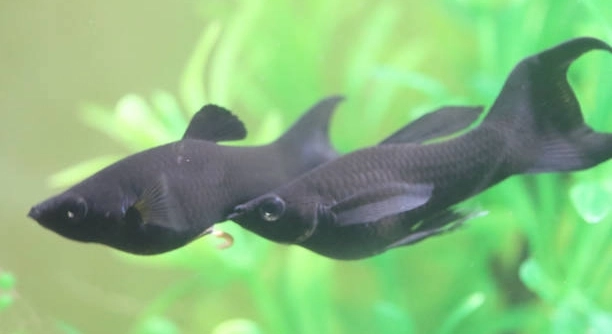
Black Mollies are lively and social fish, but they can feel lonely if left alone in a tank. Observing their behavior can help owners understand their emotional state and provide the care they need for a happy environment.
When lonely, Black Mollies often swim aimlessly or hide more than usual. They may reduce eating, show signs of stress, or display restless movements. Recognizing these behaviors early allows owners to adjust tank conditions and social groupings appropriately.
Paying attention to these signals can help ensure your Black Molly stays healthy and engaged in its aquarium life. Small changes make a noticeable difference.
Swimming in Circles
When a Black Molly is lonely, you may notice it swimming in tight circles or pacing along the edges of the tank. This repetitive movement is often a sign of stress or boredom. They naturally thrive in groups, so isolation can cause them to behave unusually. Observing your fish closely can help you identify these patterns. Changes in swimming are not always obvious at first, but subtle signs like short bursts of speed or lingering near the surface may indicate discomfort. Ensuring the tank is properly decorated with plants and hiding spots can reduce stress. Additionally, maintaining clean water and a stable temperature helps mollies feel secure. If you notice persistent circular swimming, it may be time to consider adding more compatible tank mates. This behavior is an important signal, showing the fish’s need for social interaction and mental stimulation. Addressing it promptly can prevent further health issues and improve their overall wellbeing.
Swimming in circles is a clear behavioral indicator of loneliness or stress in Black Mollies.
Providing a stimulating environment and social companionship encourages natural swimming patterns, improving mood and reducing repetitive, stressful behaviors.
Hiding Frequently
Black Mollies that feel lonely often hide more than usual. They may spend hours behind plants or decorations, avoiding open areas of the tank.
Frequent hiding is a protective response and a signal the fish needs more interaction.
These fish instinctively seek cover when they feel unsafe or stressed. In a solitary environment, hiding becomes more pronounced. Hiding too often can lead to reduced feeding, slower growth, and weakened immune response. It is important to monitor the tank for adequate lighting, gentle water flow, and secure spaces. Adding live plants, caves, or driftwood can make the tank feel safer and encourage more natural activity. Observing the fish daily helps track changes in behavior and detect early signs of loneliness. Over time, combining environmental enrichment with compatible companions can reduce excessive hiding and promote confidence. The key is to balance safety with engagement, allowing Black Mollies to explore while feeling secure. A properly arranged habitat supports social behavior and overall health.
Reduced Appetite
Lonely Black Mollies often eat less or ignore food completely. Changes in appetite are one of the earliest signs of stress or isolation in these fish.
A reduced appetite can lead to weakened health and slower growth. When a Black Molly is alone, it may feel unsafe or unmotivated to forage. Even if food is offered regularly, the fish might only nibble or swim away. Ensuring the tank has a proper social setup and hiding places can help improve feeding habits. Introducing compatible tank mates encourages natural behavior and stimulates interest in food. Monitoring eating patterns daily is important, as sudden changes can indicate stress or illness. Providing a balanced diet and observing interactions between fish can reduce loneliness-induced appetite loss, promoting better overall health and resilience. Small adjustments to the tank environment often make a noticeable difference in feeding behavior.
Consistently low appetite without other symptoms usually points to social stress rather than a medical problem.
Increased Aggression
Lonely Black Mollies can sometimes show unexpected aggression toward tank mates or even their own reflection. This behavior often stems from frustration or stress caused by isolation.
Aggression can appear as chasing, nipping, or sudden darting movements. When a Black Molly lacks companionship, it may redirect its energy toward any movement in the tank. Even in a small group, one lonely fish can provoke tension. Maintaining a balanced number of compatible fish reduces aggression. Observing interactions helps identify which fish may be stressed. Adjusting tank layout with hiding spots and visual barriers can minimize conflict. Feeding multiple small meals and monitoring dominant behaviors also supports a calmer environment. Recognizing aggression as a sign of loneliness rather than inherent temperament allows owners to respond appropriately. Addressing it early prevents injury and promotes harmony in the aquarium.
With proper management, these aggressive tendencies usually decrease once the fish has social stimulation and a stable environment.
Lethargy
Lonely Black Mollies often appear less active, resting at the bottom or hovering in one spot. Their usual energetic swimming decreases noticeably when they lack companionship or stimulation.
Prolonged lethargy can affect overall health. Lack of movement may reduce appetite and weaken the immune system, making the fish more vulnerable to illness. Encouraging interaction through compatible tank mates or gentle environmental changes can help restore normal activity levels. Adding plants, decorations, and small hiding spaces keeps the fish engaged and reduces stress. Observing their behavior daily ensures that any changes in energy are addressed promptly.
Surface Gasping
Black Mollies may spend more time at the water surface, appearing to gasp for air. This behavior can indicate stress linked to loneliness.
Surface gasping often occurs when the fish feels insecure or anxious. A well-maintained tank with proper oxygenation and gentle water flow can reduce this behavior.
Frequent Fin Clamping
Lonely Black Mollies may keep their fins tightly close to their body. Clamped fins are a stress response and a visible sign of discomfort or insecurity.
Unusual Color Changes
When stressed or lonely, Black Mollies can develop dull or faded coloration. This shift in appearance signals their emotional state and overall well-being.
How can I tell if my Black Molly is lonely?
A lonely Black Molly often shows changes in behavior such as swimming in circles, hiding more, or clamping its fins. Appetite may decrease, and energy levels can drop noticeably. Observing interactions with other fish or the environment can help identify loneliness. Frequent surface gasping or unusual aggression are also signs.
What can I do if my Black Molly seems lonely?
Adding compatible tank mates is usually the most effective solution. Black Mollies are social fish and thrive in small groups. Ensure the tank has enough space, decorations, and hiding spots to reduce stress. Proper water conditions, including temperature and cleanliness, also support social behavior. Feeding regularly and providing mental stimulation can help reduce signs of loneliness.
How many Black Mollies should I keep together?
A small group of three to five is generally recommended. This allows social interaction without overcrowding. Overcrowding can cause stress and aggression, while too few can lead to loneliness. Observing how they interact helps determine if the number of fish is appropriate. Each tank is different, so adjustments may be needed based on size and layout.
Can a lonely Black Molly recover without new tank mates?
Some behavior can improve through environmental enrichment. Adding plants, hiding spots, and decorations provides stimulation and reduces stress. Gentle changes like rearranging décor or introducing visual barriers can encourage natural activity. However, social interaction is vital for long-term wellbeing, so adding companions is usually necessary for full recovery.
Why does my Black Molly swim near the surface constantly?
Surface swimming can indicate stress, low oxygen, or loneliness. Black Mollies are social fish, and isolation may cause them to stay near the surface. Ensuring proper aeration, gentle water flow, and adding companions can reduce this behavior. Observing water quality and tank temperature is also important to rule out environmental causes.
Are color changes in my Black Molly a problem?
Dull or faded coloration often reflects stress or emotional discomfort, including loneliness. Ensuring social interaction, a clean tank, and stable water conditions can help restore natural color. Nutrition also affects vibrancy, so feeding a balanced diet contributes to a healthy appearance. Regular observation helps catch these changes early.
What signs show my Black Molly is stressed versus just being shy?
Stress from loneliness usually includes multiple behaviors: clamped fins, hiding, reduced appetite, erratic swimming, and aggression. Shyness might appear as occasional hiding but with normal swimming and eating patterns. Tracking behavior over time clarifies whether loneliness is the cause. Small environmental changes may help shy fish feel comfortable, but persistent stress needs attention.
How long does it take for a lonely Black Molly to adjust to new tank mates?
Adjustment can vary from a few days to several weeks. Initially, fish may hide or show mild aggression. Gradually, they begin exploring and interacting normally. Providing ample space, decorations, and feeding opportunities eases the transition. Observing closely during this period ensures a safe integration without injury or prolonged stress.
Can loneliness cause health problems in Black Mollies?
Yes, prolonged loneliness can lead to weakened immunity, poor appetite, and increased vulnerability to disease. Stress behaviors like constant hiding, fin clamping, or aggression can exacerbate health issues. Promptly addressing social needs and maintaining proper tank conditions helps prevent long-term problems.
Is it okay for a Black Molly to be alone temporarily?
Short periods alone usually do not cause harm if the fish has a stimulating environment and proper care. However, extended isolation can trigger behavioral changes and stress. Ensuring companionship and environmental enrichment as soon as possible helps maintain natural activity and emotional well-being.
How can I prevent loneliness in Black Mollies from the start?
Always keep Black Mollies in small groups and provide a spacious, well-decorated tank. Maintain clean water, stable temperature, and regular feeding. Observing interactions and adding companions early prevents isolation. Creating an environment that encourages social behavior and exploration is key to healthy, happy fish.
Black Mollies are naturally social fish that thrive in groups, and their behavior can change noticeably when they feel lonely. Signs like swimming in circles, hiding frequently, clamped fins, or reduced appetite are not just random actions—they are signals that your fish needs more attention or companionship. Understanding these behaviors helps you provide better care and ensures your Black Mollies remain healthy and active. Even small changes in the tank environment, such as adding plants, hiding spots, or decorations, can make a noticeable difference in reducing stress and encouraging natural activity. Observing your fish daily allows you to identify problems early before they affect overall health, which is especially important since prolonged loneliness can lead to weakened immunity and other health issues.
Creating a proper social environment is essential for Black Mollies. Keeping them in small groups of compatible fish encourages natural behaviors like schooling, foraging, and interacting with one another. Overcrowding can be harmful, but too few companions can result in stress or boredom. Alongside social interaction, maintaining water quality, stable temperature, and regular feeding routines supports their emotional and physical health. Providing a balanced diet ensures they have the energy to remain active and vibrant, which also reduces the likelihood of unusual behaviors like surface gasping or lethargy. Observing subtle changes, such as shifts in coloration or minor differences in activity levels, can help you detect stress early and respond appropriately, either by adjusting the tank environment or introducing new tank mates.
Ultimately, preventing loneliness in Black Mollies is about paying close attention to their environment and interactions. Ensuring they have space to swim, safe places to hide, and companions to interact with creates a healthier and more engaging habitat. These steps reduce stress and promote natural behaviors, helping your fish remain energetic, colorful, and healthy. Loneliness is often preventable, but it requires careful planning and consistent care. By noticing their signals, adjusting their surroundings, and providing the right companions, you can ensure your Black Mollies thrive. Regular observation, a balanced environment, and understanding their social needs will make a significant difference in their well-being and quality of life, giving them a more fulfilling and natural experience in your aquarium.

Hello,
If you enjoy the content that we create, please consider saying a "Thank You!" by leaving a tip.
Every little bit helps us continue crafting quality advice that supports the health, happiness, and well-being of pets around the world, for pets of all shapes, sizes, and species.
We really appreciate the kindness and support that you show us!