
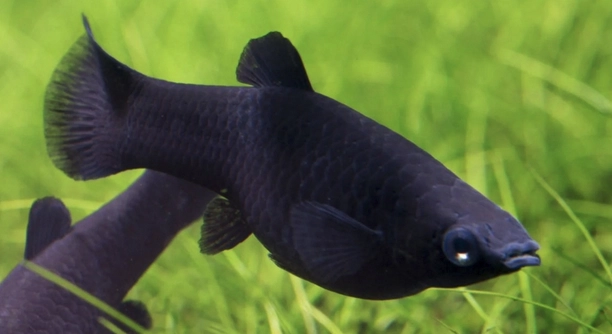
Black Mollies are active and lively fish, but sometimes they may stop moving around the tank. This can worry owners who are unsure if it is a normal pause or a sign of something serious in the aquarium.
When a Black Molly refuses to move, the cause is often linked to water quality, temperature fluctuations, stress, or illness. Maintaining proper tank conditions and observing behavior closely are essential steps to address this inactivity effectively.
Learning the reasons behind a Black Molly’s stillness can help prevent bigger health problems. Following practical solutions ensures your fish stay healthy and comfortable in their environment.
Check Water Quality
Water quality is one of the most important factors for Black Mollies. Poor water conditions can make them lethargic and stop them from swimming. Make sure to test for ammonia, nitrite, and nitrate levels regularly. Sudden changes in pH or hardness can also stress the fish. Filtration is essential to keep the water clean and oxygenated. Perform partial water changes weekly to remove waste and maintain stability. Avoid overfeeding, as leftover food decomposes quickly and affects water chemistry. Mollies thrive in slightly alkaline water with stable temperature. Observing fish behavior after cleaning the tank can help determine if water quality was the issue. If the fish begin moving normally, it is likely that improving water conditions solved the problem. Keeping a consistent maintenance schedule reduces the chances of inactivity caused by poor water.
Regular water testing and cleaning create a safer, more stable environment for Black Mollies to swim and thrive daily.
Maintaining water quality also includes monitoring temperature closely. Black Mollies prefer temperatures between 75°F and 82°F. Drastic shifts, even a few degrees, can lead to stress and inactivity. Using a reliable heater and thermometer ensures consistency. Avoid placing the tank near direct sunlight or drafts, as these can create rapid temperature fluctuations. Introducing new fish should be done carefully to prevent sudden changes in water chemistry. In addition to chemical parameters, oxygen levels are crucial. Adding an air stone or ensuring adequate surface agitation helps maintain oxygenation. Overcrowding can reduce swimming space and increase waste, worsening water quality. Observing your Mollies during routine checks helps detect subtle changes in activity. If one fish becomes lethargic, it may indicate a developing issue in the tank. Regular attention to water quality provides a healthy, active environment and prevents many common problems associated with Black Mollies.
Reduce Stress
Stress can make Black Mollies stop swimming and hide in corners. Avoid sudden movements near the tank and loud noises, as these can frighten fish.
Providing plants, hiding spots, and gentle tank lighting creates a calm environment. Mollies respond well to consistent routines and minimal disturbances, which encourages them to swim actively.
Stress often arises from overcrowding, aggressive tank mates, or sudden changes in feeding schedules. Overcrowded tanks limit swimming space and increase competition for resources, which can make Black Mollies retreat and remain still. Aggressive fish may chase or nip at them, causing fear and reduced activity. Even subtle changes, like moving decorations or cleaning the tank at unusual times, can trigger stress. Maintaining a calm environment with plenty of hiding places and proper spacing helps Mollies feel secure. Feeding should be consistent, with high-quality food suitable for their diet. Observing their behavior daily allows you to notice signs of stress early, such as rapid gill movement, clamped fins, or hiding. Addressing stress immediately improves activity levels, overall health, and the well-being of all tank inhabitants.
Check Temperature
Black Mollies are sensitive to temperature changes. Keep the water between 75°F and 82°F, using a reliable heater and thermometer. Sudden drops or spikes can make them sluggish and stop swimming.
Temperature fluctuations can stress Mollies, slowing their metabolism and activity. Cold water reduces digestion and energy levels, while overly warm water lowers oxygen availability. Placing the tank away from windows, air vents, and direct sunlight helps maintain stability. Gradual adjustments are safer if changes are needed. Consistent monitoring ensures your fish remain comfortable and active.
Using a heater with a thermostat prevents unexpected drops, while a thermometer confirms accuracy. Avoid placing the tank near doors or areas with drafts, as rapid temperature swings occur there. Black Mollies show visible signs of stress when the water is outside their preferred range, such as hiding, clamped fins, or resting at the bottom. Adjusting slowly and consistently keeps them moving and healthy, reducing the risk of illness caused by sudden temperature stress.
Observe Feeding Habits
Black Mollies may stop moving if they are not eating properly. Feed small amounts consistently to encourage activity and growth.
Overfeeding or underfeeding can affect energy levels. Leftover food decomposes, reducing water quality, while insufficient food can weaken them. Offer a balanced diet of flakes, pellets, and occasional live or frozen food to support activity.
Feeding should be done in small, measured portions once or twice a day. Observe whether the fish are eating actively or ignoring food, as this indicates health issues. Mollies may refuse food due to stress, poor water conditions, or illness. Rotating protein-rich options like brine shrimp or daphnia with regular flake food helps maintain interest and proper nutrition. Ensuring the tank is clean and free of excess waste improves their desire to eat. Proper feeding routines promote consistent activity, strengthen the immune system, and prevent lethargy associated with poor nutrition.
Examine Tank Mates
Aggressive or overly active tank mates can cause Black Mollies to stay still. Choose peaceful species that coexist well and avoid constant chasing or nipping.
Overcrowding increases stress, making Mollies hide or remain motionless. Ensure enough space and proper hiding spots for each fish to feel secure.
Check for Illness
Signs of illness include clamped fins, discoloration, or unusual spots. Sick Mollies often rest at the bottom and lose interest in food. Observing these symptoms early helps prevent worsening conditions and allows for timely treatment.
Maintain Proper Lighting
Lighting affects Mollies’ activity levels. Use consistent, moderate light cycles to encourage normal movement and feeding patterns.
FAQ
Why is my Black Molly staying at the bottom of the tank?
This usually happens because of stress, poor water quality, or illness. Mollies often rest at the bottom when they feel unsafe or uncomfortable. Check water temperature, pH, ammonia, and nitrite levels. Providing hiding spots and removing aggressive tank mates can help them feel secure and start swimming normally again.
How can I tell if my Black Molly is sick?
Look for clamped fins, faded colors, spots, or unusual growths. Loss of appetite and sluggish movement are also common signs. Observing behavior closely allows early detection. Isolate sick fish if needed and consult proper treatment options, such as adjusting water parameters or using appropriate medications.
Can water temperature make my Molly stop moving?
Yes. Black Mollies thrive between 75°F and 82°F. Water that is too cold slows their metabolism, while overly warm water reduces oxygen levels. Using a reliable heater and thermometer and avoiding sudden temperature swings keeps them active and healthy.
Does stress cause Black Mollies to freeze in one spot?
Stress is a major factor in inactivity. Loud noises, sudden movements, aggressive tank mates, or frequent tank changes can make Mollies stay still. Creating a calm environment with plants, decorations, and consistent routines helps reduce stress and encourages normal swimming behavior.
Could poor water quality be the reason my Molly won’t swim?
Absolutely. High levels of ammonia, nitrites, or nitrates can make fish lethargic. Regular water testing and weekly partial water changes are important. Avoid overfeeding, clean the tank properly, and use a good filtration system to maintain stable, healthy water conditions.
How often should I feed my Black Molly to keep it active?
Feed small portions once or twice daily. Overfeeding can pollute the water, while underfeeding leads to weakness. Rotate between flakes, pellets, and occasional live or frozen foods. Observing their interest in food also gives clues about their health and energy levels.
Can tank decorations affect my Molly’s activity?
Yes, they can. Too few hiding spots or sharp, crowded decorations may cause stress, while natural plants and gentle hiding places make them feel secure. Proper tank layout gives them space to swim freely and reduces chances of inactivity due to fear.
Do Black Mollies need specific companions to stay active?
Peaceful tank mates help keep Mollies relaxed. Avoid aggressive or highly active fish that chase or nip. Mollies do better with similarly sized, calm species, which reduces stress and encourages normal swimming and social behavior.
What should I do if my Molly refuses to eat?
Refusal to eat is often a sign of stress, illness, or poor water conditions. Check water quality and temperature, ensure calm tank surroundings, and offer a mix of high-quality flakes, pellets, and live foods. Isolating the fish temporarily can also help restore appetite.
How can I prevent my Black Molly from becoming inactive in the future?
Maintain clean water, stable temperature, and proper feeding routines. Avoid overcrowding and aggressive tank mates. Provide plants, hiding spots, and moderate light cycles. Regular observation of behavior helps catch issues early, keeping your Mollies active, healthy, and comfortable in their environment.
Can lighting impact my Black Molly’s movement?
Yes. Consistent and moderate light cycles regulate activity levels. Too bright or too dim lighting can stress Mollies, causing them to hide or stay still. A regular day-night cycle helps maintain normal swimming, feeding, and resting behaviors.
Is it normal for a Black Molly to rest sometimes?
Occasional resting is normal. Mollies may pause to digest food or relax. Problems arise when resting turns into prolonged inactivity, often caused by stress, illness, poor water quality, or temperature fluctuations. Monitoring behavior helps determine whether it’s normal or a sign of a problem.
Can adding live plants improve my Black Molly’s activity?
Yes. Live plants provide hiding spots, reduce stress, and create a more natural environment. They also improve water quality slightly by producing oxygen. This combination encourages Mollies to explore, swim, and interact with their tank more actively.
How do I safely introduce new fish to prevent my Molly from stopping movement?
Acclimate new fish slowly by floating them in a bag, gradually mixing tank water over an hour. This prevents sudden changes in water chemistry. Introducing peaceful, compatible species minimizes stress, keeping your Black Molly confident and active in its environment.
What’s the best way to monitor my Black Molly’s health daily?
Observe swimming patterns, feeding behavior, fin condition, and coloration each day. Note any unusual hiding, clamped fins, or loss of appetite. Maintaining a small log can help detect subtle changes early, allowing quick action before inactivity becomes a serious problem.
Black Mollies are active and lively fish, but sometimes they may stop moving, which can be worrying. Many factors can influence their activity, including water quality, temperature, stress, feeding habits, tank mates, and illness. Each of these aspects plays a role in how comfortable and healthy your fish feel. Paying attention to them regularly can make a big difference. Consistent observation and maintenance help ensure that your Black Mollies stay active and happy in their environment. Even small changes, like adjusting the water temperature slightly or improving the tank layout with more hiding spots, can encourage movement and reduce stress.
Water quality is one of the most important factors for keeping Black Mollies healthy. Poor water conditions, high ammonia, nitrites, or nitrates can make them lethargic. Regular testing and weekly partial water changes help maintain a stable environment. A reliable filtration system keeps the water clean and oxygenated, which is essential for their energy and overall well-being. Temperature also affects their activity. Mollies prefer a range between 75°F and 82°F, and sudden fluctuations can slow their metabolism. Using a heater and thermometer and placing the tank away from drafts or direct sunlight helps keep the temperature consistent. Combined with proper feeding routines, clean water, and moderate lighting, these measures create an environment where Mollies feel safe, comfortable, and motivated to swim.
Stress, illness, and tank conditions all interact to affect a Black Molly’s behavior. Aggressive tank mates or overcrowding can cause stress, while sickness may show as clamped fins, discoloration, or loss of appetite. Observing daily behavior and making adjustments, such as isolating sick fish, providing more hiding spots, or offering a balanced diet, can prevent prolonged inactivity. Mollies benefit from peaceful companions, stable routines, and plants or decorations that give them security. While occasional resting is normal, prolonged stillness usually indicates that something needs attention. By keeping the tank clean, stable, and well-maintained, and by monitoring their health closely, you can address potential issues early. These practices ensure that your Black Mollies remain active, healthy, and comfortable in their home for a long time.

Hello,
If you enjoy the content that we create, please consider saying a "Thank You!" by leaving a tip.
Every little bit helps us continue crafting quality advice that supports the health, happiness, and well-being of pets around the world, for pets of all shapes, sizes, and species.
We really appreciate the kindness and support that you show us!