
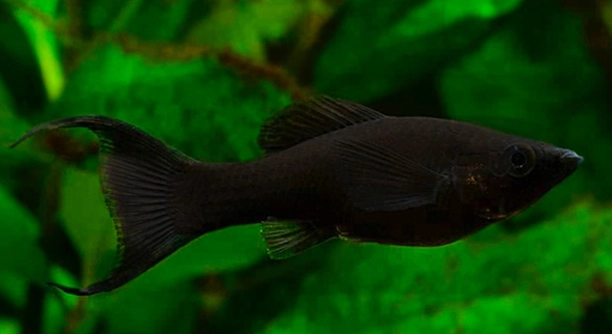
Are your black mollies showing little interest in newcomers, leaving you wondering about their sudden cold behavior? It can be surprising to see established fish ignore new additions, especially when you expect a harmonious community in your aquarium.
Black mollies may ignore newcomers due to territorial behavior, stress, or environmental changes. Established fish often require time to acclimate to new tank mates. Maintaining stable water conditions and gradual introductions reduces tension and encourages social interactions among all fish.
Understanding these dynamics can help you create a more peaceful tank environment and promote healthier relationships between your mollies. Observing behavior and adjusting conditions can make a noticeable difference in their interactions.
Understanding Black Molly Behavior
Black mollies are naturally cautious, especially when new fish are introduced to their tank. Their initial ignoring behavior is often a combination of territorial instincts and stress. Established mollies have set patterns and hierarchies that can be disrupted by newcomers. Sudden changes in water temperature, pH, or tank arrangement can heighten their wariness. Observing them closely can reveal subtle signs of stress, such as hiding or reduced feeding. It is important to give both new and existing mollies time to adjust without forcing interactions. Consistent feeding routines, clean water, and proper tank size all contribute to reducing stress and encouraging social behavior. Patience is essential, as rushing introductions often leads to increased aggression or prolonged isolation. Gradual acclimation, such as floating new fish in a separate container before release, allows them to sense familiar water conditions and reduces the risk of rejection by the established group.
Taking small steps to monitor water conditions and fish interactions can ease tension quickly.
With careful observation, mollies often start interacting naturally once they feel secure. Regular monitoring helps identify signs of discomfort or aggression, allowing timely adjustments. Using visual barriers, rearranging tank decorations, or introducing hiding spaces can promote comfort. Over time, most mollies adapt and establish a social balance. Keeping a consistent environment, minimizing sudden changes, and ensuring adequate nutrition are key factors. Noticing body language and behavior patterns helps anticipate potential conflicts before they escalate. These methods create a calmer atmosphere that encourages established and new mollies to coexist peacefully. By addressing environmental and social factors, the aquarium becomes a stable space where all fish feel safe, which eventually leads to improved interaction, reduced stress, and healthier, more active fish.
Gradual Introductions and Tank Adjustments
Starting with small, slow introductions can reduce tension between new and established mollies.
Gradual changes in the tank can prevent sudden stress and allow mollies to adjust comfortably. Adding new decorations, rearranging plants, or introducing partitions can help newcomers integrate without direct confrontation. Floating new fish in a separate container within the tank allows both groups to see and smell each other without physical contact, reducing anxiety. Short, supervised periods of interaction can be extended over days until mollies show calm behavior. Maintaining consistent water parameters and feeding schedules during this time supports a sense of stability. Removing aggressive individuals temporarily or providing additional hiding spots ensures safety for all fish. Observation is crucial, noting both body language and swimming patterns. Over time, mollies adapt, developing familiarity and tolerance for one another. This structured approach fosters a healthier, more harmonious tank environment, reducing the likelihood of stress-induced illnesses or aggression while allowing all fish to settle naturally.
Common Stress Factors
Changes in water quality can make black mollies avoid newcomers. Fluctuating temperatures, pH shifts, and high ammonia levels often trigger stress. Overcrowding and insufficient hiding spots add to tension, making fish more likely to ignore new tank mates.
Providing stable water conditions is essential. Regular testing ensures temperature, pH, and chemical levels remain consistent. Introducing plants, rocks, or decorations gives both existing and new mollies areas to explore and hide. Overcrowded tanks increase aggression and stress, so maintaining proper fish density helps everyone settle. Monitoring feeding behavior and swimming patterns can reveal subtle signs of discomfort early.
Stress can also arise from sudden lighting changes or loud vibrations near the tank. Mollies are sensitive to their environment, and small disturbances can affect their willingness to interact. Observing these factors and making gradual adjustments improves social behavior. Maintaining predictable routines, gentle handling, and a calm environment encourages mollies to explore and accept newcomers naturally.
Encouraging Social Interaction
Creating spaces for both new and established mollies encourages calmer interactions. Providing hiding spots and visual barriers allows fish to observe each other safely.
Gradual exposure helps mollies become comfortable. Floating new fish in a separate container within the main tank gives both groups time to adjust visually and chemically. Short, monitored periods of interaction can increase over days, reducing fear and tension. Rearranging tank decorations prevents territorial dominance, giving each fish a fresh area to explore. Consistent feeding schedules and minimal sudden changes help mollies feel secure, supporting positive social behaviors.
Over time, patience and consistent care allow mollies to form social bonds. Providing stable water conditions, adequate space, and predictable routines reduces stress and encourages interaction. Watching for body language like fin displays, chasing, or hiding helps determine when adjustments are needed. Adding new fish slowly, ensuring proper nutrition, and offering multiple hiding spots creates a more balanced, harmonious tank. These measures allow both newcomers and established mollies to coexist peacefully, enhancing overall health, activity, and engagement.
Tank Layout and Environment
Proper tank layout influences how black mollies respond to newcomers. Open swimming areas combined with plants and hiding spaces reduce stress and provide both safety and freedom.
Overcrowding or lack of visual barriers can heighten aggression and cause established mollies to ignore new arrivals. Thoughtful arrangement is essential.
Feeding Practices
Feeding routines impact social behavior. Providing food at consistent times helps mollies feel secure and reduces territorial disputes. Ensuring multiple feeding spots prevents dominant fish from monopolizing food and allows newcomers to eat safely. This reduces stress and encourages positive interactions.
Observation and Adjustment
Monitoring behavior is crucial for maintaining harmony. Noticing signs of aggression, hiding, or refusal to eat helps determine if adjustments are needed. Small changes in tank conditions or layout can make a significant difference.
Patience and Consistency
Gradual, consistent efforts in introducing new fish and maintaining stable conditions promote acceptance. Sudden changes can undo progress.
FAQ
Why are my black mollies ignoring newcomers?
Black mollies may ignore newcomers due to stress, territorial instincts, or sudden changes in their environment. Established fish often need time to adjust to new tank mates. Factors like overcrowding, unstable water parameters, and insufficient hiding spots can make them wary and less interactive. Gradual introductions, consistent feeding schedules, and a stable environment help mollies feel secure and encourage natural social behaviors. Observation is key to noticing subtle signs of stress, such as hiding, reduced swimming, or reluctance to eat. Over time, most mollies adapt once they feel comfortable in the shared space.
How long does it take for black mollies to accept new fish?
The adjustment period varies depending on the personalities of your fish and the tank conditions. Some mollies may start interacting within a few days, while others might take several weeks. Gradual introductions, floating newcomers in a separate container, and minimizing sudden changes in water temperature, pH, or tank layout help speed up the process. Providing multiple hiding spots and visual barriers allows fish to explore safely. Maintaining consistent feeding routines also helps mollies associate the presence of new fish with positive experiences, reducing fear and encouraging interaction over time. Patience is essential for long-term harmony.
Can tank size affect how mollies react to newcomers?
Yes, tank size plays a significant role in mollies’ behavior. Overcrowded tanks increase stress and competition for territory, leading established fish to ignore or chase newcomers. A spacious tank with open swimming areas, plants, and decorations gives all fish room to establish their own territories. Visual barriers and hiding spaces reduce direct confrontations and allow gradual interaction. Proper stocking levels prevent overcrowding, reduce aggression, and give new fish the opportunity to explore safely. A larger tank also supports better water quality management, which indirectly contributes to calmer and more social behavior among mollies.
What are the signs that my mollies are stressed?
Stressed mollies may hide frequently, refuse food, or show erratic swimming patterns. Fin clamping, color fading, or aggression toward tank mates are also common indicators. Stress can arise from poor water quality, overcrowding, sudden environmental changes, or the presence of aggressive fish. Monitoring their behavior regularly helps identify problems early. Small adjustments in tank conditions, layout, and feeding routines can reduce stress. Offering multiple hiding spots and maintaining a calm environment encourages confidence. Proper water temperature, pH, and cleanliness are essential to prevent stress-related illnesses. Recognizing these signs early improves the chances of a peaceful, healthy tank.
How can I encourage interaction between new and established mollies?
Gradual exposure is the most effective method. Floating new fish in a separate container within the main tank allows visual and chemical acclimation. Short, supervised periods of interaction can increase over several days. Rearranging tank decorations prevents territorial dominance and gives each fish space to explore. Providing multiple feeding points ensures all fish can eat safely. Maintaining consistent water parameters and minimizing sudden changes support confidence and calm behavior. Observation is important to notice signs of aggression or stress. Over time, mollies usually develop tolerance and curiosity toward newcomers, creating a more balanced and social tank environment.
Do black mollies ever permanently reject new tank mates?
Permanent rejection is rare if proper introductions and tank management practices are followed. Most mollies eventually adapt once they feel secure and environmental stressors are minimized. However, extremely aggressive or highly territorial fish may need temporary separation. Ensuring stable water conditions, adequate space, hiding spots, and consistent feeding routines increases the likelihood of acceptance. Gradual acclimation, patience, and careful observation are key to fostering a harmonious aquarium. Occasionally, individual personalities may never fully integrate, but proper environmental management reduces the chances of ongoing tension. Monitoring behavior allows timely adjustments to maintain peace.
Can water quality impact mollies’ social behavior?
Absolutely. Poor water quality can cause stress, which often results in ignoring newcomers or aggression. Parameters like temperature, pH, ammonia, nitrite, and nitrate levels must remain stable. Regular water changes and monitoring are essential to maintain a healthy environment. Even minor fluctuations can disrupt social behavior. Providing stable conditions allows mollies to focus on establishing relationships rather than coping with stress. Adequate filtration, proper tank maintenance, and avoiding sudden chemical changes help mollies feel secure. Healthy water conditions not only promote social interaction but also support overall fish health, reducing disease risk and encouraging natural behavior.
What role does diet play in mollies’ behavior?
A consistent, nutritious diet supports calm behavior and reduces aggression. Overfeeding can lead to water quality issues, while underfeeding increases competition. Providing food at multiple points prevents dominant fish from blocking newcomers. High-quality flakes, pellets, and occasional live or frozen foods ensure proper nutrition. Observing feeding behavior helps identify stressed or timid fish. Balanced nutrition contributes to energy, color, and immunity, making mollies more likely to interact positively. Feeding routines also create predictability, which mollies respond to favorably. A stable diet paired with proper tank management fosters harmony and helps newcomers integrate more smoothly.
Are there specific introductions techniques that work best for black mollies?
The most effective technique is gradual introduction. Floating new fish in a separate container allows visual and chemical exposure without direct contact. Rearranging decorations or adding partitions prevents established fish from defending old territories. Supervised short interactions can gradually be extended. Maintaining consistent water parameters and feeding routines supports confidence. Providing hiding spots reduces stress and promotes exploration. Avoiding sudden changes, overcrowding, or aggressive tank mates ensures safety for all fish. Observation is essential to detect tension or aggression early. With patience, mollies usually adapt and integrate naturally, creating a more balanced and social tank environment.
How do I know when mollies have accepted newcomers?
Signs of acceptance include shared swimming areas, reduced chasing, and calm feeding behavior. Mollies may begin to explore together and show curiosity rather than avoidance. Fin displays or chasing are minimized, and hiding behavior decreases. Established fish interact without aggression, and newcomers gradually gain confidence. Consistent water quality, stable routines, and adequate space contribute to this process. Acceptance may take days to weeks, depending on personalities and tank conditions. Monitoring behavior regularly helps confirm progress. Once mollies coexist peacefully, the aquarium becomes more harmonious, with all fish engaging in natural social behaviors, feeding, and swimming confidently.
This FAQ section covers common concerns and practical steps to help black mollies integrate newcomers successfully. Patience, observation, and consistent care are essential to achieving a peaceful and balanced tank environment.
Word count: 525
Final Thoughts
Black mollies are sensitive fish that rely heavily on a stable environment and predictable routines to feel secure. Their tendency to ignore newcomers is usually not a sign of permanent rejection but rather a response to changes in their surroundings or the presence of unfamiliar tank mates. Territorial instincts, stress, and environmental factors can all influence how quickly mollies adapt. Observing their behavior carefully and making small adjustments can significantly improve interactions. Simple steps like providing adequate hiding spaces, maintaining proper water conditions, and introducing new fish gradually are often enough to reduce tension and encourage social behavior. Patience is essential, as mollies need time to feel comfortable and confident with the additions.
Maintaining consistent care routines is just as important as creating a comfortable tank layout. Feeding at regular intervals, avoiding sudden changes in water temperature or pH, and ensuring the tank is not overcrowded all contribute to a calmer atmosphere. Mollies respond well to stability, and minimizing stress allows them to focus on exploring, interacting, and establishing natural hierarchies. Gradual introductions and careful observation are crucial, especially in the first few weeks after adding new fish. Monitoring body language, swimming patterns, and feeding behavior helps identify issues early and prevents escalation. Even small environmental changes, such as moving decorations or adjusting lighting, can influence comfort levels and social interactions. Keeping these factors in mind ensures that both established and new mollies can adapt safely and gradually.
Ultimately, creating a harmonious tank requires ongoing attention and thoughtful adjustments. Mollies are social creatures but need time to develop trust and familiarity with newcomers. By combining patience, consistent care, and attention to environmental factors, you can foster a peaceful, balanced aquarium where all fish feel secure. Small steps like maintaining water quality, providing hiding spots, and introducing fish slowly make a significant difference. Over time, established mollies often become more accepting and curious, leading to improved interaction and overall activity. Observing and responding to their needs ensures a healthy and engaging environment, allowing all mollies to thrive together. A calm, well-maintained tank encourages natural behavior, reduces stress, and enhances the enjoyment of keeping these beautiful fish.
Word count: 414

Hello,
If you enjoy the content that we create, please consider saying a "Thank You!" by leaving a tip.
Every little bit helps us continue crafting quality advice that supports the health, happiness, and well-being of pets around the world, for pets of all shapes, sizes, and species.
We really appreciate the kindness and support that you show us!