
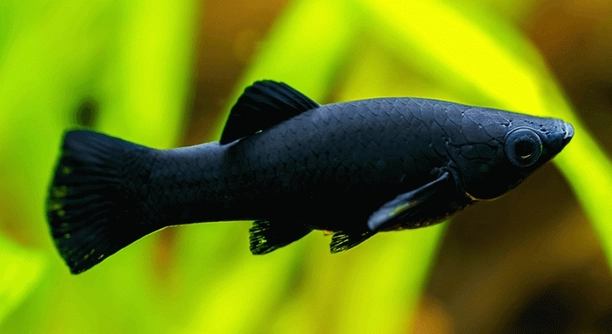
Do you ever notice your black molly swimming with its fins tightly clamped against its body? This behavior can be unsettling for fish owners. Understanding the reasons behind fin clamping can help maintain a healthy and comfortable aquarium environment.
Fin clamping in black mollies is typically caused by poor water conditions, stress, disease, or nutritional deficiencies. Identifying the underlying factor is essential, as it directly affects the fish’s health, behavior, and overall well-being in a controlled aquatic environment.
Recognizing these issues early can prevent further complications. We will explore the main causes and offer insight into keeping your black mollies healthy and comfortable.
Poor Water Quality
Poor water quality is a major factor in black molly fin clamping. High levels of ammonia, nitrites, or nitrates can irritate their gills and stress the fish. Inconsistent temperature, low oxygen, or improper pH levels also contribute to discomfort. Mollies are sensitive to sudden changes, so regular water testing is essential. Uneaten food and decaying plants worsen water conditions, creating an unhealthy environment. Providing a clean, stable habitat helps your fish feel secure. Filtration and partial water changes are effective ways to maintain balance. Stress from poor water quality weakens the immune system, making mollies more prone to disease. Observing your fish for lethargy or unusual swimming patterns can indicate issues. Adjusting water parameters gradually prevents shock. A properly cycled tank reduces harmful compounds. Maintaining a consistent cleaning schedule ensures a comfortable space for your mollies. Avoid overcrowding, as it increases waste and stress. Proper water care supports vibrant fins and active swimming behavior, promoting long-term health.
Regular maintenance is key. Even small water issues can cause fin clamping and other health problems if ignored.
Consistency in water quality improves overall fish health. Filtration, partial changes, and monitoring parameters help mollies thrive and reduce stress-related behaviors.
Stress from Tankmates
Aggressive or overly active tankmates can trigger fin clamping in black mollies. Constant chasing or competition for food makes them retreat.
Stress-induced fin clamping results from social pressure in the aquarium. Aggressive fish, overcrowding, or sudden environmental changes create anxiety, causing mollies to withdraw. Tank arrangement and hiding spots can reduce stress.
Black mollies are naturally social but require compatible companions. Introducing peaceful fish and providing space minimizes conflict. Overcrowding leads to competition for food and territory, increasing anxiety and clamping. Environmental disturbances like sudden loud noises, bright lights, or rapid temperature shifts also elevate stress. Observation is critical: frequent hiding, reduced activity, or color changes signal discomfort. Providing plants, caves, or decorations creates safe zones. Maintaining stable routines for feeding and light cycles fosters a calm environment. Gradual introductions of new tankmates prevent immediate stress. Stress management directly impacts fin health and overall vitality. Supporting a harmonious tank environment keeps mollies active, confident, and reduces fin clamping.
Poor Diet
A lack of essential nutrients can cause black molly fins to clamp. Inadequate protein, vitamins, or fiber leads to weakened fins and reduced immunity.
Feeding a varied diet is crucial. Black mollies require high-quality flake or pellet food enriched with vitamins, alongside occasional live or frozen options like brine shrimp and bloodworms. Overreliance on one type of food can result in deficiencies, affecting fin health and overall energy. Vegetables such as blanched spinach or zucchini provide necessary fiber and support digestion. Balanced nutrition strengthens the immune system, helping mollies resist stress and disease. Frequent monitoring of eating habits ensures each fish receives enough food, reducing competition and improving health outcomes. Supplementing with quality nutrients promotes vibrant fins, active swimming, and overall well-being in the aquarium environment.
A poor diet not only weakens fins but also impacts behavior, making mollies more susceptible to illness and environmental stressors.
Disease and Parasites
Fin clamping is often linked to bacterial, fungal, or parasitic infections. Early detection is essential for effective treatment.
Common infections like fin rot cause tissue damage and curling. Parasites such as ich or gill flukes irritate the skin and gills, prompting the fish to clamp fins. Waterborne bacteria thrive in unclean tanks, and weak immunity worsens susceptibility. Treatment involves isolating affected fish, improving water quality, and using appropriate medications. Observation for spots, discoloration, or unusual swimming is critical for timely intervention.
Prevention is equally important. Quarantining new fish, maintaining clean water, and monitoring diet minimize disease risk. Healthy black mollies are less likely to exhibit fin clamping, ensuring active, confident swimming and long-term vitality.
Sudden Temperature Changes
Rapid shifts in water temperature stress black mollies and trigger fin clamping. Even small fluctuations can make them retreat and become inactive.
Maintaining a stable temperature with a reliable heater and thermometer prevents stress. Avoid placing the tank near drafts, vents, or direct sunlight to minimize sudden changes.
Low Oxygen Levels
Insufficient oxygen in the water forces black mollies to conserve energy, often leading to fin clamping. Proper aeration and water movement are essential to maintain a healthy environment.
Regularly checking oxygen levels and adding air stones or filters ensures mollies remain active and comfortable.
Chemical Irritants
Chlorine, heavy metals, and cleaning residues can irritate mollies’ gills and skin. Exposure to these chemicals often results in fin clamping.
Using water conditioners and avoiding harsh cleaning agents protects the fish. Routine monitoring prevents accidental contamination and keeps the tank safe.
Why is my black molly clamping its fins all the time?
Black mollies clamp their fins when stressed, sick, or uncomfortable. Common reasons include poor water quality, sudden temperature changes, low oxygen, or aggressive tankmates. Nutritional deficiencies and infections also play a role. Consistently observing the fish can help identify patterns linked to their environment or diet.
How can I improve my black molly’s water conditions?
Test water regularly for ammonia, nitrite, nitrate, and pH levels. Perform partial water changes weekly and remove uneaten food or debris. Use a reliable filtration system and maintain a stable temperature. Adding live plants can improve oxygen levels and provide hiding spots, reducing stress. Avoid overcrowding the tank.
Can diet really affect fin clamping?
Yes, poor nutrition weakens fins and immune response. Mollies need a balanced diet of high-quality flakes or pellets, enriched with vitamins. Include occasional live or frozen foods like brine shrimp, daphnia, or bloodworms. Blanched vegetables such as zucchini or spinach provide fiber and support digestion, keeping mollies healthy.
How do I know if fin clamping is due to disease?
Look for other symptoms like faded colors, spots, frayed fins, or unusual swimming. Bacterial infections like fin rot, fungal growth, and parasites such as ich or gill flukes often accompany fin clamping. Prompt treatment includes isolating affected fish, improving water quality, and using targeted medications.
Can stress from tankmates cause fin clamping?
Absolutely. Aggressive or overly active fish can chase mollies, causing anxiety. Overcrowding or competition for food also increases stress. Providing plants, decorations, and adequate space reduces conflict. Introducing new tankmates gradually and choosing peaceful species helps mollies feel secure and lowers the chance of fin clamping.
Is temperature fluctuation really dangerous for black mollies?
Yes. Rapid temperature changes can shock mollies and trigger fin clamping. Use a stable, reliable heater and thermometer to monitor conditions. Avoid placing the tank near vents, heaters, or windows to prevent sudden fluctuations. A stable environment supports their immune system and overall activity.
How important is oxygenation for preventing fin clamping?
Low oxygen makes mollies conserve energy, leading to clamped fins. Aeration from air stones, filters, or surface agitation ensures proper oxygen levels. Regular monitoring of dissolved oxygen and water movement keeps mollies active and reduces stress. A well-oxygenated tank supports healthy behavior and overall health.
Can chemicals in tap water harm my mollies?
Yes. Chlorine, chloramines, and heavy metals irritate gills and skin, causing fin clamping. Always treat tap water with a water conditioner before adding it to the tank. Avoid cleaning the tank with soaps or detergents. Routine checks prevent accidental contamination and maintain a safe environment for mollies.
How long does it take for fins to recover after clamping?
Recovery depends on the underlying cause. If fin clamping is due to water quality, stress, or diet, improvements may be seen in a few days to weeks. Disease-related clamping may take longer, requiring treatment. Consistent care and observation are crucial for full recovery.
Can I prevent fin clamping entirely?
While it may not be completely avoidable, maintaining stable water conditions, a balanced diet, proper tankmates, and adequate oxygen greatly reduces the risk. Regular monitoring and early intervention at the first signs of stress or illness help keep black mollies healthy and active.
This FAQ addresses the most common concerns about black molly fin clamping, offering clear steps to maintain a safe and comfortable aquarium environment.
Black mollies are sensitive fish that display fin clamping when something in their environment or routine is affecting their comfort or health. This behavior is often a signal rather than a permanent condition, and understanding what triggers it is key to helping your fish recover. Common factors include poor water quality, stress from aggressive tankmates, temperature fluctuations, low oxygen, nutritional deficiencies, and diseases or parasites. Each of these elements affects mollies differently, but all share the potential to cause discomfort and change in behavior. Observing your fish closely, maintaining a consistent environment, and addressing any negative factors quickly can prevent fin clamping from becoming a long-term problem.
Water quality is one of the most important aspects of black molly care. Regular testing and maintenance ensure ammonia, nitrites, and nitrates stay at safe levels. Partial water changes, proper filtration, and careful monitoring of pH and temperature create a stable environment that reduces stress and supports healthy fins. Overcrowding and leftover food can deteriorate water quality quickly, so it is important to manage both population and feeding habits. A tank with stable conditions allows black mollies to swim freely, display normal behavior, and maintain bright, healthy fins. Additionally, maintaining oxygen levels through proper aeration and water movement ensures your fish are not struggling to breathe, which can also contribute to fin clamping.
Nutrition and disease prevention are equally important in supporting fin health. Feeding a varied diet that includes high-quality flakes or pellets, live or frozen foods, and occasional vegetables helps prevent deficiencies that could weaken fins and reduce immunity. Monitoring for signs of disease, such as discolored or frayed fins, unusual swimming patterns, or spots, allows for timely treatment and prevents fin clamping from worsening. Introducing new fish gradually and choosing compatible, peaceful tankmates reduces social stress. Environmental stability, careful feeding, and attentive observation form the foundation of healthy, active black mollies. By addressing these key factors, fish owners can ensure their mollies remain comfortable, active, and free from prolonged fin clamping.

Hello,
If you enjoy the content that we create, please consider saying a "Thank You!" by leaving a tip.
Every little bit helps us continue crafting quality advice that supports the health, happiness, and well-being of pets around the world, for pets of all shapes, sizes, and species.
We really appreciate the kindness and support that you show us!