
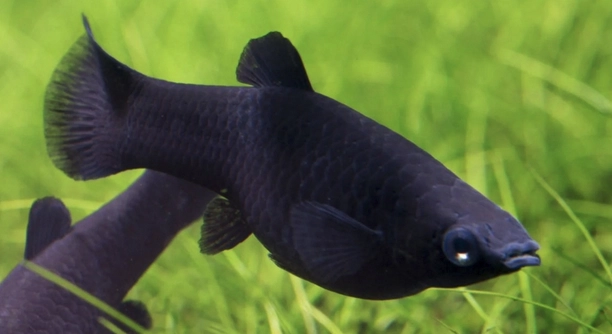
Do you enjoy observing your aquarium but notice some fish seem more social than others? Black Mollies are a popular choice for many home aquariums due to their calm nature and striking appearance. Their interactions can be fascinating to watch.
Black Mollies naturally display social behavior and often swim in pairs or small groups. This tendency provides them with security and promotes normal activity patterns, which is essential for their well-being in both home and natural environments.
Understanding their social dynamics can improve your aquarium setup and help ensure your Black Mollies thrive in a balanced environment. Observing their natural pairing habits can reveal much about their comfort and behavior.
Understanding Black Molly Social Behavior
Observing Black Mollies in your tank can reveal much about their natural instincts. These fish are inherently social and feel more secure when swimming with others. In small groups, they display more active and confident behaviors. Pairs often form bonds, not unlike a natural companionship, which can reduce stress. Black Mollies that are isolated may appear skittish or spend more time hiding among plants and decorations. Their movement patterns often reflect their comfort level, with paired or grouped fish exploring more freely, showing natural curiosity, and interacting with their surroundings. Providing a balanced environment with enough space, hiding spots, and compatible companions allows these fish to display their social tendencies fully. Observing how they pair off or swim in small clusters can guide adjustments to your aquarium setup, ensuring both their physical and emotional well-being. This awareness is important for any tank owner looking to maintain a healthy aquatic habitat.
Keeping Black Mollies in pairs or small groups can enhance their overall activity and reduce stress, improving health.
Providing proper tank space and observing social interactions ensures Black Mollies remain active and display natural behaviors. Pairing them thoughtfully can improve their quality of life and promote balanced swimming patterns. It is important to monitor fish behavior, adjusting tank conditions as needed to maintain harmony. Small environmental changes, like adding plants or rearranging decorations, can encourage natural interactions. Feeding routines should also be considered, as paired fish may eat more confidently and evenly. Recognizing their social tendencies allows you to maintain a dynamic, engaging aquarium. Over time, these fish develop predictable swimming patterns, and pairing them correctly can prevent dominance or aggression issues. Maintaining water quality, temperature, and proper filtration is equally crucial, as social behavior can be impacted by environmental stressors. A balanced approach ensures these fish thrive in both behavior and health, creating a peaceful and visually appealing tank for observation and enjoyment.
Pairing Strategies for Black Mollies
Pairing fish of similar size and temperament helps maintain harmony in the tank.
Selecting compatible Black Mollies requires attention to size, age, and gender to prevent stress or aggression. Keeping more than one pair in larger aquariums can replicate natural schooling behavior. Introducing new fish gradually reduces tension and allows them to adapt to their environment. Observing initial interactions ensures the pairs are compatible and adjust to the tank without conflict. Environmental enrichment, like plants and hiding spots, supports social bonds and reduces territorial behavior. Proper feeding and water conditions further enhance pairing success, ensuring balanced growth and activity. Strategically placing fish based on observed behavior can create a stable and cohesive group dynamic.
When pairing Black Mollies, it is essential to consider their natural tendencies and tank setup. Providing sufficient space and visual barriers can reduce conflicts, allowing pairs to form comfortably. Introducing new fish in stages helps establish bonds without overwhelming the existing inhabitants. Monitoring interactions during feeding and swimming ensures compatibility and reduces stress. Environmental enrichment, such as floating plants or varied substrates, encourages exploration and social engagement, promoting healthier behavior. Consistent water conditions and nutrition support overall well-being, preventing illness and fostering longevity. Recognizing subtle cues, like chasing or tail fin flaring, allows intervention before aggression escalates. Properly paired Black Mollies display more natural swimming patterns, shared territory usage, and synchronized movements. Adjusting tank conditions based on behavior creates a harmonious environment that mimics natural social structures. Observing these dynamics over time enables better management of multiple pairs, ensuring a balanced, thriving aquarium.
Tank Environment for Black Mollies
Proper tank setup is essential for Black Mollies to thrive. A spacious tank with hiding spots and plants encourages natural swimming patterns and reduces stress. Temperature, pH, and water quality must be monitored regularly to maintain a healthy environment.
A well-planned tank supports the social behavior of Black Mollies. They prefer moderate lighting, gentle water flow, and consistent temperatures between 24-28°C. Plants, rocks, and decorations create visual barriers, which help reduce aggression and allow pairs to establish their space. Regular water changes and filtration maintain cleanliness, preventing disease and promoting active swimming. Monitoring interactions among the fish helps identify any signs of stress or territorial disputes early, allowing adjustments to the environment. Ensuring compatibility with tank mates also plays a role in maintaining harmony.
Tank size greatly influences Black Molly behavior. Small, overcrowded tanks can lead to stress, hiding, and reduced activity. A larger tank allows pairs to swim freely, explore, and display natural social behaviors. Providing multiple hiding spots and open areas ensures each fish feels secure. Observing their interactions in different areas of the tank helps assess comfort and pairing success. Adjusting decorations or rearranging plants can prevent dominance issues and encourage movement throughout the tank. A balanced environment supports health, reduces aggression, and allows Black Mollies to thrive socially, physically, and behaviorally over time.
Feeding Habits of Black Mollies
Black Mollies require a balanced diet of flake foods, vegetables, and occasional protein sources. Feeding twice daily ensures energy and supports growth.
Their feeding habits influence social dynamics and overall health. Black Mollies may compete for food if portions are insufficient, causing stress or aggression. Providing a mix of high-quality flake food, blanched vegetables like spinach or zucchini, and occasional live or frozen foods ensures proper nutrition. Feeding in different areas of the tank prevents dominant fish from monopolizing food, allowing shy individuals to eat comfortably. Observing their behavior during feeding helps identify any health concerns or hierarchy issues, and adjusting portions or frequency can improve harmony. Balanced feeding supports active swimming, vibrant coloration, and natural pair interactions.
Overfeeding or inconsistent feeding can disrupt both health and social behavior. Excess food can decay, affecting water quality, while insufficient food may lead to aggression or competition. Black Mollies respond well to varied diets, and rotating food types prevents nutritional deficiencies. Monitoring their weight, growth, and coloration provides insight into their overall well-being. Feeding routines also reinforce natural patterns, as fish learn to anticipate meal times and display active foraging behavior. A structured feeding schedule, combined with quality food and proper tank conditions, promotes a healthy, balanced environment. Well-fed Black Mollies are more likely to swim confidently in pairs and engage in normal social interactions, maintaining stability in the tank.
Pairing Male and Female Black Mollies
Male and female Black Mollies can form stable pairs when introduced carefully. Observing initial interactions helps prevent aggression and ensures compatibility in the tank.
Males may display chasing behavior, which is natural. Providing sufficient space and hiding spots allows females to avoid stress. Careful observation during the first days helps maintain harmony and supports healthy pair formation.
Observing Behavior in Pairs
Black Mollies in pairs often swim closely and mirror each other’s movements. This behavior indicates comfort and social bonding. Watching these patterns helps identify which pairs are stable and which may require adjustments in the tank environment.
Common Signs of Stress
Signs of stress include hiding, reduced swimming, and loss of appetite. Monitoring these behaviors allows early intervention to restore comfort and well-being in the tank.
FAQ
Do Black Mollies always swim in pairs?
Black Mollies naturally enjoy the company of others, but they do not always swim strictly in pairs. They often form small groups or shoals, which provides security and encourages natural activity. In smaller tanks, they may pair up temporarily, but social behavior can vary depending on the number of fish, tank size, and environmental conditions. Observing your Black Mollies’ swimming patterns over time can help determine their preferred social structure.
Can Black Mollies be kept alone?
Keeping a single Black Molly is possible, but it is not ideal. These fish are social by nature and often become stressed or inactive when isolated. A lone Black Molly may hide more frequently, swim less actively, and lose color vibrancy. Pairing them or keeping them in small groups encourages natural behaviors and promotes mental and physical health. If keeping a single fish, extra attention to stimulation, tank enrichment, and regular interaction is necessary to maintain well-being.
How many Black Mollies should be in a tank?
The ideal number depends on tank size, but a small group of three to six is generally recommended for a standard 20-gallon tank. Larger tanks can accommodate more, allowing natural social behavior to occur without overcrowding. Overcrowding leads to stress, aggression, and competition for food. Ensuring enough swimming space, hiding spots, and environmental enrichment helps maintain harmony among pairs or groups. Regular observation allows you to adjust the number if conflicts arise or if the fish seem uncomfortable.
Do male and female Black Mollies behave differently?
Yes, males often display more active chasing or courtship behavior, while females tend to be calmer. Males may compete for attention, especially in the presence of a female. Providing sufficient space and hiding areas helps females avoid stress from persistent males. Over time, pairs or small groups establish a stable dynamic where males interact without constant aggression, and females maintain healthy activity levels. Observing these behaviors helps identify compatible pairs and prevents long-term stress.
How do I encourage Black Mollies to pair naturally?
Allowing the fish to choose their partners without forcing pairing is most effective. Maintain a spacious, enriched tank with plants and decorations to provide privacy and reduce stress. Observing initial interactions can help ensure compatibility. Avoid introducing aggressive or overly dominant individuals, as this can prevent natural pairing. Consistent feeding, stable water conditions, and a calm environment support social bonding and encourage natural pair formation. Adjusting the environment slightly based on their behavior can help pairs settle comfortably.
What are signs that a Black Molly pair is compatible?
Compatible pairs often swim close together, mirror each other’s movements, and show minimal aggression. Both fish maintain normal appetite and activity levels. They share space without one dominating the other, and they explore the tank confidently. Observing these patterns over days or weeks can confirm stability. If aggression, chasing, or frequent hiding occurs, the pair may not be compatible and adjustments in pairing or tank setup may be necessary.
Can Black Mollies switch partners?
Yes, Black Mollies may switch partners if their environment changes or if new fish are introduced. Stress, overcrowding, or dominance disputes can also lead to changes in pairings. Providing enough space and observing social dynamics ensures transitions are smooth and reduces stress for all fish. Stable tank conditions and proper feeding routines support peaceful re-pairing and natural social behavior.
Do environmental factors affect pairing behavior?
Absolutely. Tank size, hiding spots, water quality, and temperature all influence social behavior. Overcrowding, poor water conditions, or lack of enrichment can lead to aggression or stress, disrupting pair formation. Maintaining a clean, well-structured tank encourages natural swimming patterns and strengthens social bonds. Adjusting plants, decorations, and feeding practices based on observation ensures pairs remain stable and healthy.
How long does it take for Black Mollies to form pairs?
Pair formation varies depending on individual fish personalities and tank conditions. Some may pair within a few days, while others take several weeks to establish comfort and trust. Providing a calm environment, proper spacing, and minimal disturbances helps speed up the process. Observing daily behavior ensures compatibility is developing naturally without causing stress or aggression.
Can other fish affect Black Molly pairing?
Yes, tank mates influence social behavior. Aggressive or overly active species can interfere with pairing, while peaceful companions often coexist without disruption. Observing interactions during feeding and swimming ensures all fish maintain harmony. Choosing compatible tank mates helps Black Mollies form and sustain natural pairs, supporting healthy social dynamics and reducing stress.
How does feeding influence pair behavior?
Balanced feeding prevents competition and reduces stress among pairs. Overfeeding can degrade water quality, while underfeeding may trigger aggression or dominance struggles. Providing food in multiple areas and varying types, including flake, vegetable, and occasional protein sources, ensures all fish eat comfortably. Structured feeding routines reinforce natural foraging behavior and help pairs remain active and healthy.
Can Black Mollies become aggressive in pairs?
Occasionally, aggression may occur, especially if a male dominates a female or if territory is limited. Providing sufficient space, hiding spots, and plants reduces conflict. Observing early warning signs, like chasing or fin flaring, allows intervention before stress escalates. Adjusting tank conditions, removing overly aggressive individuals, or rearranging the environment helps maintain peaceful pair interactions.
Do Black Mollies need a specific gender ratio for pairing?
A balanced ratio of males to females prevents excessive aggression and ensures successful pairing. Too many males can lead to persistent chasing, while too few may limit natural social interactions. Observing behavior and adjusting the ratio if stress appears ensures harmony. Proper spacing, hiding spots, and feeding routines support a healthy balance between genders and promote stable pair formation.
How can I monitor pair health?
Regular observation of swimming patterns, coloration, appetite, and interactions indicates overall well-being. Changes in behavior, such as hiding, reduced movement, or fin damage, suggest stress or health issues. Maintaining clean water, proper feeding, and environmental enrichment supports both physical and social health. Noting subtle shifts helps address problems early, ensuring pairs remain active and stress-free.
What are long-term benefits of proper pairing?
Stable pairs display natural swimming patterns, reduced stress, and higher activity levels. They are more likely to breed successfully, maintain vibrant coloration, and engage in normal behaviors. Observing and supporting healthy pairings over time ensures a dynamic, balanced tank where Black Mollies thrive socially, physically, and emotionally, creating a visually appealing and harmonious environment.
How often should I adjust the tank for pair comfort?
Adjustments should be made based on observed behavior. Minor changes, such as adding plants or rearranging hiding spots, can improve comfort and reduce stress. Avoid frequent or drastic changes, which may disrupt pairs. Monitoring interactions, feeding, and movement patterns guides appropriate adjustments, ensuring stable social dynamics and a healthy environment for Black Mollies.
Final Thoughts
Black Mollies are fascinating fish that naturally exhibit social behavior, often forming pairs or small groups in the aquarium. Observing them closely can reveal patterns of movement, interaction, and comfort that indicate how well they are adjusting to their environment. In pairs, they often swim together, mirror each other’s movements, and maintain a calm demeanor. This pairing behavior not only reflects their social instincts but also plays a key role in their overall health and well-being. Providing the right tank conditions, including sufficient space, hiding spots, and compatible companions, allows Black Mollies to display these natural behaviors more fully. Over time, watching their interactions can help you identify which pairs are stable, which may need adjustments, and how environmental factors influence their comfort. Recognizing their natural tendencies ensures that their social needs are met, which in turn helps prevent stress, aggression, and behavioral issues. A stable, well-maintained tank supports both their physical and emotional health.
Maintaining proper water conditions is essential to supporting social behavior and overall health in Black Mollies. Temperature, pH, and water quality need regular monitoring and maintenance to prevent stress and illness. Stressful conditions can interfere with natural pairing, reduce activity levels, and even impact coloration. Providing a tank with plants, decorations, and open swimming areas allows pairs to feel secure while maintaining freedom of movement. Observing their behavior during feeding and daily activity helps identify subtle signs of stress or discomfort early. Small adjustments, such as rearranging plants, adding hiding spots, or modifying the tank layout, can make a significant difference in promoting stable pair interactions. Feeding routines also play a critical role, as balanced diets given in a structured manner reduce competition and ensure all fish remain healthy. Encouraging natural behavior through proper care, observation, and environmental adjustments helps Black Mollies thrive in their aquatic habitat.
Social compatibility and observation are key factors in keeping Black Mollies happy and healthy. Male and female interactions can vary, and careful monitoring helps maintain harmony in the tank. Understanding their behavior, including chasing, pairing, and group dynamics, allows you to make informed decisions about tank setup and fish management. Over time, stable pairs will show confident swimming, natural exploration, and healthy interactions, which enhances the visual appeal of the aquarium. Adjustments based on observed behavior, such as providing additional space or modifying the number of fish, help maintain balance and prevent stress-related issues. When tank conditions, feeding routines, and social dynamics are managed effectively, Black Mollies can live comfortably, display vibrant colors, and form long-lasting social bonds. Supporting these behaviors with patience, observation, and proper care ensures a thriving, dynamic, and harmonious aquatic environment for both the fish and their caretaker.

Hello,
If you enjoy the content that we create, please consider saying a "Thank You!" by leaving a tip.
Every little bit helps us continue crafting quality advice that supports the health, happiness, and well-being of pets around the world, for pets of all shapes, sizes, and species.
We really appreciate the kindness and support that you show us!