
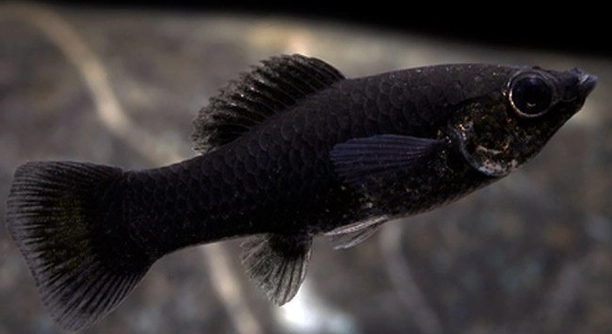
Do you ever find yourself wanting to create a more comfortable environment for your Black Molly fish? Adding plants to their tank can transform it into a space that feels safe and natural for them to thrive.
Incorporating live or artificial plants in a Black Molly aquarium enhances their comfort by providing hiding spots, reducing stress, improving water quality, and promoting natural behaviors. Proper plant selection supports overall health and contributes to a balanced aquatic ecosystem.
The benefits of plants go beyond decoration, creating a harmonious space for your Black Molly to live peacefully and flourish.
Providing Hiding Spots for Security
Black Mollies are naturally cautious fish. In a bare tank, they can feel exposed and stressed. Adding plants creates sheltered areas where they can retreat and feel safe. Tall plants or dense clusters allow them to hide when they sense movement outside the tank or when other fish swim too close. These areas reduce their stress levels, which is important for maintaining a healthy immune system. Plants like Java fern, Anubias, and Amazon sword are excellent options because they provide coverage without requiring excessive maintenance. Placement matters as well. Position taller plants near tank corners or along the back wall, and use shorter plants in the foreground to create a layered effect. This arrangement mimics natural habitats and encourages natural swimming patterns. Overcrowding the tank with plants is not necessary; even a few well-placed clusters can dramatically improve their sense of security. By providing these hiding spots, you encourage your Black Mollies to exhibit calmer and more natural behaviors.
Sheltered areas help Black Mollies feel safe, reducing stress and improving their overall behavior in the tank environment.
Plants also encourage exploration. Fish can swim around and through plant clusters, which keeps them active and engaged. This reduces boredom and promotes natural movement patterns. Over time, you may notice that your Mollies appear more relaxed and less prone to sudden darting movements. In addition, hiding spots can support breeding behaviors, as females often seek dense foliage to lay eggs. By thoughtfully arranging plants, you create zones for both activity and rest. Careful selection ensures that plants do not obstruct swimming space while still offering protection. Observing how your Black Mollies interact with the plants can help you adjust placement for maximum comfort. Even simple changes, like adding a small floating plant or a few stems near the surface, can improve their sense of security. Ultimately, a tank with adequate hiding spots promotes both mental and physical well-being.
Improving Water Quality Naturally
Live plants absorb nitrates and other waste products, which helps maintain cleaner water. This reduces the frequency of water changes and creates a more stable environment for your Black Mollies. Even hardy plants like Anubias or Java moss contribute to filtration by taking up excess nutrients. As plants grow, they compete with algae for resources, naturally keeping algae levels in check. Proper lighting and occasional trimming ensure plants remain healthy and continue to support water quality. While artificial plants do not provide filtration, they still offer physical space that can influence water flow, allowing for improved circulation and oxygen distribution. The combination of live plants and proper tank maintenance creates a healthier environment, which reduces stress and promotes longevity.
Cleaner water contributes directly to Black Mollies’ health, keeping them active and less prone to illness.
Plants play an essential role in maintaining a balanced tank ecosystem. Nitrate buildup can harm fish over time, causing slow growth or weakened immunity. Including a variety of plants with different growth rates ensures consistent nutrient absorption. For example, fast-growing plants like hornwort or water wisteria can quickly take up excess nutrients, while slower-growing species maintain long-term stability. Placement also affects water movement; dense areas slow flow, while open areas allow circulation, preventing stagnant zones. Healthy plants also provide oxygen during photosynthesis, supporting respiration for fish. A well-planned mix of floating, mid-level, and rooted plants ensures both filtration and swimming space. Even small contributions from plants help stabilize pH levels and reduce chemical fluctuations. Ultimately, integrating plants into the tank reduces dependence on mechanical filtration and creates an environment that closely resembles natural habitats, benefiting both water quality and the Black Mollies’ overall health.
Encouraging Natural Behavior
Plants provide areas for Black Mollies to swim freely while exploring. They create vertical and horizontal spaces, allowing fish to navigate the tank naturally. Swimming through plants mimics their natural habitat, promoting activity and reducing stress.
Exploring plant clusters encourages Black Mollies to display natural behaviors like grazing, hiding, and patrolling. Grazing on biofilm that grows on leaves supplements their diet and keeps them active. Moving between open areas and sheltered spots provides exercise, helping maintain strong muscles and healthy fins. Fish that interact with their environment are less likely to develop boredom-related behaviors such as chasing tank mates or hiding excessively. Plants also offer resting zones where fish can pause while staying alert to their surroundings. Observing these behaviors demonstrates how plants positively influence both mental and physical well-being.
Including different plant types enhances natural interaction. Floating plants offer shade and a sense of security, while rooted plants allow grazing and exploration. This combination ensures Black Mollies can exhibit a range of behaviors, from hovering near the surface to hiding among stems. Structured placement encourages swimming in patterns similar to wild habitats, helping fish maintain stamina. Additionally, plants reduce aggressive tendencies by providing multiple territories, limiting conflict among tank mates. Healthy, well-placed plants support curiosity and confidence, letting Black Mollies feel at ease. A thoughtfully arranged environment helps maintain overall tank harmony and encourages consistent activity.
Reducing Stress Levels
Dense plant coverage lowers stress by offering constant hiding spots. Black Mollies can retreat when they feel threatened or overwhelmed, creating a calmer environment.
Stress directly affects immune function, appetite, and growth in Black Mollies. When fish have access to plants, they feel secure and exhibit fewer erratic movements. Constant exposure to open, unprotected areas increases cortisol levels, which can lead to illness over time. Plants allow fish to rest while remaining alert, balancing activity and relaxation. Even subtle changes, like introducing floating leaves or short plant clusters, reduce visible signs of stress such as darting, clamped fins, or loss of color. Monitoring their behavior around plants helps identify which areas provide comfort and which may need adjustment.
Providing multiple plant types in various locations creates zones of safety. Taller plants in corners and mid-height plants across the tank reduce line-of-sight exposure, giving each fish a private space. Floating plants create shaded regions, softening light intensity and further calming the fish. Arranging plants strategically also reduces dominance conflicts by offering multiple territories. Healthy, low-maintenance plants like Java fern and Anubias ensure consistent coverage, while fast-growing plants like hornwort quickly fill empty areas. Over time, Black Mollies appear more confident, exploring both open areas and plant clusters. This environment helps them maintain natural behavior patterns, improves overall well-being, and supports long-term health.
Providing Shade and Comfort
Floating and tall plants create shaded areas that reduce bright light exposure. Black Mollies feel more relaxed in these softer, diffused lighting conditions, which mimic their natural environment.
Shaded zones help regulate activity levels and provide resting spots. Mollies often retreat under leaves during peak light periods, lowering stress and preventing overstimulation in the tank.
Supporting Breeding Behavior
Plants offer safe, concealed areas for females to lay eggs and for fry to hide. Dense foliage encourages natural reproductive behaviors and increases survival chances of young fish.
Enhancing Tank Aesthetics
A well-planted aquarium looks lively and vibrant. The natural greenery complements Black Mollies’ dark coloration, creating a visually pleasing and balanced environment.
Reducing Aggression
Plants create physical barriers between fish, lowering territorial disputes and aggressive interactions. This contributes to a calmer and more harmonious tank environment.
FAQ
What types of plants are best for Black Mollies?
Black Mollies thrive with hardy, low-maintenance plants that tolerate a wide range of water conditions. Java fern, Anubias, and Amazon sword are excellent choices because they provide hiding spots without needing constant care. Fast-growing plants like hornwort or water wisteria help absorb excess nutrients and reduce algae growth. Floating plants, such as duckweed or frogbit, offer shade and create softer light conditions, which mollies enjoy. Including a mix of rooted, mid-level, and floating plants ensures both coverage and swimming space, encouraging natural behaviors while maintaining a balanced tank ecosystem.
Can Black Mollies live without plants?
Yes, Black Mollies can survive in a tank without plants, but their overall comfort and well-being may be compromised. A bare tank increases stress because they lack hiding spots and shade, making them feel exposed. Without plants, they have fewer areas to explore or rest, which can lead to boredom and increased aggression among tank mates. Plants also play a role in water quality management by absorbing nutrients and supporting oxygen levels. While artificial decorations can provide some security, live plants offer additional benefits that contribute to the fish’s mental and physical health.
How many plants should I add to a Black Molly tank?
The number of plants depends on tank size and layout. A balanced approach is best: enough plants to provide hiding spots and shade without overcrowding swimming space. For smaller tanks, 5 to 7 well-placed plants can create sufficient coverage. Larger tanks can accommodate more clusters to ensure multiple territories. Consider plant height and type when arranging them, with taller plants in the background and shorter ones in the foreground. Floating plants can cover open water areas, creating shaded zones. Observing how your mollies interact with plants will help determine if adjustments are needed for optimal comfort.
Do live plants improve water quality for Black Mollies?
Yes, live plants absorb nitrates and other waste products, reducing toxins in the water and maintaining a healthier environment. They also compete with algae for nutrients, helping prevent overgrowth. Plants produce oxygen during photosynthesis, supporting fish respiration and overall tank stability. While plants do not replace regular maintenance, they reduce the frequency of water changes and help stabilize water parameters, which contributes to the long-term health of your Black Mollies. Even a few well-chosen plants can make a significant difference in water quality and stress reduction.
Can Black Mollies eat the plants in the tank?
Black Mollies are omnivores and may nibble on soft or tender plant leaves, especially if they are hungry or seeking extra nutrition. Hardy plants like Anubias or Java fern are less likely to be eaten because of their tougher leaves. Providing a balanced diet with flakes, pellets, and occasional vegetables can reduce the tendency to graze on plants. If nibbling occurs, it generally does not harm the plants significantly, especially if you choose robust species and rotate food sources to satisfy their dietary needs.
How do plants affect Black Mollies’ behavior?
Plants encourage natural behaviors such as grazing, hiding, and exploring. Fish swim through clusters, using them for shelter or rest, which reduces stress and promotes mental stimulation. Plant arrangements also limit territorial disputes, as multiple hiding zones create smaller, less competitive areas. Over time, mollies in planted tanks appear calmer, more active, and display healthier coloration. Well-planned plant placement supports both physical activity and security, contributing to overall tank harmony.
Do Black Mollies prefer live or artificial plants?
While mollies interact with both, live plants provide more benefits. They contribute to water quality, oxygen levels, and biofilm growth for grazing. Artificial plants can provide hiding spots but lack filtration and oxygen support. A combination of live and artificial plants is acceptable if maintenance or lighting limitations exist, ensuring mollies still receive coverage and comfort.
How often should I trim or maintain plants in a Black Molly tank?
Regular trimming keeps plants healthy and prevents overgrowth that could block swimming space. Fast-growing plants may need weekly attention, while slow-growing species require less frequent trimming. Removing decaying leaves promptly prevents water quality issues. Maintaining a balanced layout ensures mollies can move freely while still benefiting from shelter, shaded areas, and grazing surfaces.
Are floating plants beneficial for Black Mollies?
Yes, floating plants provide shade and reduce light intensity, creating calmer zones in the tank. They also break the line of sight, which reduces stress and aggression among fish. Floating plants allow mollies to hover underneath for resting or hiding and contribute to oxygen levels and nutrient absorption. They are a simple addition that significantly improves comfort.
Can plants help with aggressive tank mates?
Plants act as physical barriers and create multiple territories, reducing confrontations between aggressive or territorial fish. Dense foliage provides retreat spaces for mollies to escape intimidation, lowering stress and preventing injury. Even partial coverage helps diffuse aggressive behavior and creates a calmer environment for all tank inhabitants.
What are the best ways to introduce plants to a new Black Molly tank?
Introduce plants before or during the addition of fish to establish a stable environment. Rinse plants thoroughly to remove pests or chemicals. Arrange taller and bushier plants at the back or corners, with smaller plants in the foreground. Floating plants can be added to reduce light intensity and create shaded zones. Observing fish behavior after introduction helps adjust placement for comfort and security.
Do plants help with breeding Black Mollies?
Yes, plants provide secure areas for females to lay eggs and for fry to hide. Dense clusters increase survival rates by giving young fish protection from adults. Floating plants, moss, and tall stems allow hiding spots, encouraging natural reproductive behavior and higher offspring survival.
Can I use substrate plants with Black Mollies?
Substrate plants like crypts and swords root in gravel or sand and create natural hiding spots. They improve tank aesthetics, provide grazing surfaces, and contribute to water quality by absorbing nutrients. Proper placement ensures fish have both swimming space and shelter.
Are there any plants Black Mollies should avoid?
Very delicate plants with thin leaves may be nibbled excessively. Highly toxic or treated plants should never be added. Stick to hardy, non-toxic species that tolerate varying water conditions to maintain both fish comfort and plant longevity.
How do plants affect Black Mollies’ long-term health?
Plants lower stress, provide hiding spots, improve water quality, and encourage natural behaviors. A planted environment reduces aggression, prevents boredom, and supports proper growth and immune function. Over time, mollies in well-planted tanks tend to live longer, display brighter colors, and maintain more stable behavior compared to those in bare tanks.
How should I balance open swimming space with plant coverage?
Leave at least 50% of the tank open for swimming, arranging plants along the back, sides, and corners. Floating or mid-level plants create shaded zones without obstructing movement. This balance ensures mollies can explore, hide, and rest while maintaining adequate exercise space.
Can plants reduce algae growth in a Black Molly tank?
Yes, healthy plants absorb nutrients that algae would otherwise use, reducing its spread. Fast-growing plants are particularly effective at outcompeting algae, while regular maintenance and proper lighting prevent overgrowth. This natural control helps maintain tank cleanliness and reduces stress for the fish.
Do plants require special lighting for Black Mollies?
Most hardy plants tolerate standard aquarium lighting used for mollies. Moderate lighting supports growth without encouraging excessive algae. Floating plants can adjust light penetration, providing shaded areas. Choosing plants compatible with existing light ensures a healthy environment without complex adjustments.
How do I monitor if plants are benefiting my Black Mollies?
Observe fish behavior for reduced stress, natural swimming, grazing, and resting in plant clusters. Healthy plants should have vibrant leaves and steady growth. If fish appear calmer and more active, plants are effectively improving their comfort and overall well-being.
Can adding too many plants be harmful?
Overcrowding can limit swimming space and restrict water flow, causing stress or uneven oxygen distribution. Maintain a balance between coverage and open areas. Pruning and thoughtful placement prevent overcrowding while still offering shelter, shade, and grazing surfaces.
Do Black Mollies interact differently with floating versus rooted plants?
Yes, rooted plants provide grazing and hiding near the substrate, while floating plants create shaded areas and soft lighting near the surface. Both types complement each other, allowing mollies to display varied natural behaviors throughout the tank environment.
How long does it take for plants to impact Black Mollies’ comfort?
Benefits are noticeable within days to weeks, depending on plant size and placement. Fish quickly adapt to new shelter, shade, and exploration areas, showing calmer behavior, reduced stress, and increased interaction with their environment over time.
Can artificial plants provide similar comfort benefits?
Artificial plants offer hiding spots and visual barriers but do not improve water quality or produce oxygen. They can complement live plants when lighting or maintenance limits exist but are less effective at supporting long-term health and natural behaviors.
How often should I rearrange plants for optimal comfort?
Rearrangement is rarely needed once a stable layout is established. Minor adjustments may improve swimming paths or create new hiding zones, but frequent changes can stress the fish. Observe behavior before making changes to maintain comfort.
Are there specific plant care tips for Black Molly tanks?
Trim dead leaves promptly, monitor nutrient levels, and ensure adequate lighting. Avoid chemicals harmful to fish. Regular maintenance supports plant growth, which in turn maintains comfort and water quality for Black Mollies.
Can plants influence Black Mollies’ color and vitality?
Yes, reduced stress, shaded zones, and access to natural grazing areas help mollies display brighter coloration and maintain better overall health. A planted tank supports vitality and activity levels over time.
Do Black Mollies prefer dense or sparse planting?
A mix of dense clusters for hiding and open areas for swimming works best. Dense zones offer security, while open areas allow exercise and natural movement patterns, supporting overall well-being.
Can plants help Black Mollies during illness or recovery?
Yes, shaded areas and hiding spots allow fish to rest and reduce stress during illness. Improved water quality from live plants also supports recovery and reduces additional health risks.
Are there signs plants are improving Black Mollies’ comfort?
Calmer swimming, use of hiding spots, reduced aggression, increased grazing, and overall brighter coloration indicate mollies feel secure and comfortable in a planted environment.
Is it better to introduce plants before or after adding Black Mollies?
Introducing plants before or alongside fish allows them to settle in and establish shelter immediately. This ensures a comfortable environment and reduces stress for new arrivals.
Can plants help juvenile Black Mollies thrive?
Yes, plants provide shelter and grazing areas for fry, protecting them from adults and allowing natural behaviors. This promotes growth, survival, and development in young fish.
Do specific plant placements matter for Black Mollies?
Yes, positioning taller plants at the back and corners and shorter plants in the foreground creates layered zones. Floating plants soften light at the surface. Thoughtful placement ensures shelter, shade, and open swimming space for balanced comfort.
Are some plants more effective at reducing stress than others?
Yes, dense, bushy plants like Amazon sword or Java moss create more security than sparse or delicate species. Fast-growing plants quickly fill empty spaces, providing instant hiding spots and shaded areas.
How do plants interact with other tank maintenance practices?
Plants complement filtration and regular water changes by absorbing nutrients, producing oxygen, and reducing algae. They work alongside routine cleaning, providing additional stability to the aquatic environment.
Can adding plants improve social interactions among Black Mollies?
Yes, multiple hiding zones reduce competition and territorial disputes. Fish are calmer and less aggressive, which fosters more peaceful social interactions and better overall tank harmony.
Do Black Mollies use plants at night?
Yes, plants provide resting spots and shelter during nighttime. Floating leaves and dense foliage allow fish to feel secure while resting, supporting natural sleep and reducing nighttime stress.
Can plants help with feeding behavior?
Yes, biofilm on plant leaves supplements diet, encouraging natural grazing. Plants create zones where mollies feel safe while eating, reducing stress and promoting consistent feeding behavior.
Are certain water parameters needed for plants and Black Mollies together?
Black Mollies tolerate a range of conditions, and hardy plants usually adapt to the same water parameters. Moderate lighting, stable temperature, and balanced nutrients support both fish and plant health.
Can plants prevent Black Mollies from hiding too much?
Yes, structured placement encourages exploration. Fish feel safe when shelter is available but still have open spaces for swimming, balancing hiding behavior and activity.
How do plants affect tank oxygen levels for Black Mollies?
Live plants produce oxygen during photosynthesis, particularly during the day, supporting respiration and maintaining stable oxygen levels. Floating plants can increase surface oxygen exchange.
Do Black Mollies prefer certain plant textures?
Hardier leaves like Anubias and Java fern are less likely to be damaged, while softer leaves provide grazing opportunities. A mix satisfies comfort and feeding instincts.
How do I introduce new plants without stressing Black Mollies?
Rinse new plants thoroughly, place them gradually, and avoid sudden rearrangement. Observing fish behavior ensures they adapt comfortably to changes.
Can plants help mollies adjust to new tanks?
Yes, plants provide immediate shelter and shaded areas, reducing stress during acclimation. They create a familiar, protective environment that supports natural behavior.
Are live plants always better than artificial for Black Mollies?
Live plants provide additional benefits like filtration, oxygen, and biofilm. Artificial plants can supplement hiding spots but do not contribute to water quality or natural grazing opportunities.
How do I combine plant types effectively?
Use rooted, mid-level, and floating plants to create layers. Taller plants at the back, mid-level clusters in the middle, and floating leaves at the surface ensure coverage, shade, and open swimming space for balanced comfort.
Can plants reduce mortality in Black Mollies?
Yes, by lowering stress, offering shelter, supporting natural behaviors, and improving water quality, plants contribute to healthier fish and increased survival rates over time.
Do plants help Black Mollies interact with tank mates?
Yes, plants reduce aggression and provide private zones, improving interactions. Fish can coexist with less conflict and more comfort in a planted environment.
Are certain plants toxic to Black Mollies?
Avoid treated or chemically coated plants. Stick to hardy, non-toxic species like Java fern, Anubias, and Amazon sword to ensure safety and comfort.
Do Black Mollies eat algae from plants?
Yes, grazing on algae and biofilm growing on plant leaves supplements their diet and encourages natural foraging behavior, supporting activity and mental stimulation.
Can plants help prevent fin damage?
Yes, soft plant clusters provide safe swimming areas, reducing collisions with tank decorations or aggressive fish. This lowers the risk of torn fins or injuries.
How do I ensure plants thrive with Black Mollies?
Choose hardy species, provide moderate light, monitor nutrients, and trim dead leaves. Healthy plants maintain comfort, improve water quality, and encourage natural behaviors.
Are there long-term benefits to planting a Black Molly tank?
Yes, plants reduce stress, support health, improve water quality, encourage natural behavior, and enhance aesthetic appeal. Long-term, they create a stable, comfortable environment for all fish.
Do Black Mollies prefer dense plant arrangements or open spaces?
A mix of dense clusters and open swimming areas is ideal. Dense clusters provide security, while open areas allow exploration, exercise, and natural swimming patterns.
How do plants affect water temperature?
Plants can slightly stabilize temperature by shading water and reducing heat fluctuations from lighting, creating a more comfortable environment for Black Mollies.
Can plants support fry development in a Black Molly tank?
Yes, dense foliage offers hiding places for fry, protecting them from adults and increasing survival chances. Fry can graze on biofilm and stay safe while growing.
Are there maintenance differences for planted Black Molly tanks?
Planted tanks require monitoring of plant health, occasional trimming, and nutrient balance. However, live plants reduce algae, improve water quality, and support fish comfort, complementing regular maintenance routines.
Do plants influence Black Mollies’ lifespan?
Yes, reduced stress, better water quality, and natural behavior support overall health. Mollies in well-planted tanks tend to live longer and remain more active.
Can artificial plants fully replace live plants?
No, artificial plants offer hiding spots but lack filtration, oxygen production, and grazing surfaces. A mix with live plants provides maximum comfort and long-term benefits.
Do plants reduce bullying in mixed-species tanks?
Yes, multiple hiding zones and visual barriers created by plants reduce aggression and competition, helping mollies coexist peacefully with other fish.
How can I tell if my Black Mollies enjoy the plants?
Fish exploring plant clusters, resting under leaves, grazing biofilm, and displaying calmer behavior indicate they feel secure and benefit from the planted environment.
Can plants help with seasonal lighting changes?
Floating plants provide shade and buffer sudden light intensity changes, reducing stress during seasonal or lighting adjustments in the tank.
Are some plants easier for beginners with Black Mollies?
Yes, hardy, low-maintenance species like Anubias, Java fern, and Amazon sword thrive in varied water conditions and require minimal care, making them ideal for beginners.
How do plants influence Black Mollies’ feeding patterns?
Plants create grazing opportunities and sheltered zones, allowing mollies to feed calmly. Biofilm and algae on leaves supplement their diet, encouraging natural foraging behavior.
Do Black Mollies prefer wide-leaved or narrow-leaved plants?
A mix works best. Wide leaves provide shade and resting spots, while narrow leaves offer swimming paths and grazing surfaces. Both support comfort and activity.
Can plants reduce stress from sudden movements outside the tank?
Yes, dense foliage and shaded zones allow mollies to retreat, lowering stress from external disturbances and promoting a sense of security.
Are slow-growing or fast-growing plants better for Black Mollies?
Both types have benefits. Fast-growing plants absorb excess nutrients quickly, while slow-growing plants provide consistent coverage. A combination ensures stable water quality and shelter.
Do Black Mollies interact with plants differently at night?
Yes, they often rest under leaves or hide in foliage during the night, feeling secure while conserving energy and avoiding stress.
Can plants help with aggressive tankmates over time?
Yes, structured plant arrangements provide multiple territories and visual barriers, reducing conflict and supporting calmer social behavior among all fish.
How often should I check plant health in a Black Molly tank?
Weekly observation is sufficient. Remove dead leaves, trim overgrowth, and monitor for algae to maintain plant health and continue supporting fish comfort.
Do plants help maintain stable pH in Black Molly tanks?
Yes, live plants absorb nutrients and reduce chemical fluctuations, contributing to a more stable pH environment, which benefits fish health.
Can plants affect water hardness for Black Mollies?
Most hardy plants tolerate the same hardness range as mollies. They do not significantly alter hardness but help stabilize overall water chemistry.
Are there signs of plant stress that impact Black Mollies?
Yellowing leaves, decaying foliage, or excessive algae
Adding plants to a Black Molly tank is more than a decorative choice; it is an investment in their comfort, health, and overall well-being. Plants provide hiding spots, shaded areas, and safe zones that reduce stress and allow fish to behave naturally. Black Mollies are active and curious, and having a variety of plants gives them places to explore while still feeling secure. Even simple additions like a few floating plants or a small cluster of rooted species can make a noticeable difference. Over time, you may notice calmer behavior, more consistent feeding, and brighter coloration, all of which are signs that your fish are benefiting from a more natural environment. Plants also create vertical and horizontal layers, giving fish multiple zones to use depending on their mood or level of comfort. This balance between open swimming space and shelter is important because it allows mollies to exercise while still having access to protection when needed.
Live plants also play an essential role in maintaining water quality, which is directly linked to the health of Black Mollies. They absorb excess nutrients, reducing the buildup of nitrates and minimizing the risk of algae overgrowth. This natural filtration helps maintain a stable environment and reduces the frequency of water changes, making tank maintenance simpler and more effective. Floating plants, moss, and rooted species all contribute to improved oxygen levels, supporting respiration and keeping the fish active. Additionally, plants provide surfaces for biofilm and algae to grow, which mollies can graze on, supplementing their diet naturally. The presence of plants encourages a more balanced ecosystem within the tank, reducing the need for constant intervention and helping fish adapt to their surroundings in a healthy way. By incorporating plants thoughtfully, you are creating a habitat that closely resembles the natural conditions these fish would experience in the wild.
The benefits of adding plants extend beyond immediate comfort and water quality. A well-planted tank promotes long-term health by reducing stress, encouraging natural behaviors, and limiting aggression among tank mates. Plants offer both physical and psychological support for Black Mollies, giving them zones to hide, rest, and play. Different plant types and placements allow for variation in light, space, and shelter, which keeps fish engaged and reduces boredom. Over time, these elements contribute to stronger immune systems, improved growth, and better overall vitality. Even artificial plants, while lacking the filtration benefits of live plants, can provide essential hiding spots and structure, making them a useful addition if live options are limited. Ultimately, a tank with well-considered plant arrangements creates a more harmonious and comfortable environment. Black Mollies not only survive in such a setting—they thrive, displaying natural behavior, vibrant coloration, and consistent energy. The combination of improved habitat, mental stimulation, and water quality makes planting a worthwhile and effective way to support their long-term happiness and well-being.

Hello,
If you enjoy the content that we create, please consider saying a "Thank You!" by leaving a tip.
Every little bit helps us continue crafting quality advice that supports the health, happiness, and well-being of pets around the world, for pets of all shapes, sizes, and species.
We really appreciate the kindness and support that you show us!