
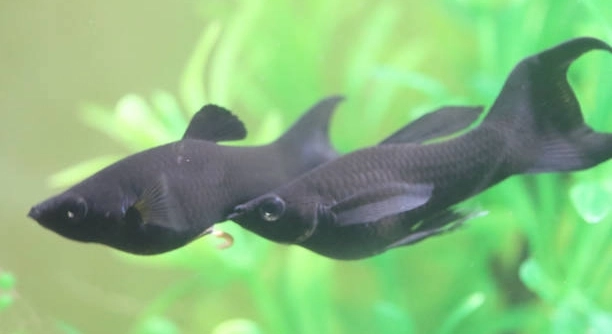
Have you ever noticed your black molly lingering near the water surface, moving slowly and seeming less active than usual? It can be concerning, especially if you are used to seeing them swim energetically around the tank.
A black molly floating near the top is often caused by swim bladder issues, poor water quality, or stress. Imbalances in oxygen, temperature, or diet can affect buoyancy, leading the fish to float unnaturally and struggle to maintain normal swimming behavior.
Knowing the reasons behind this behavior helps you take the right steps for care and adjustment, ensuring your black molly stays healthy and comfortable in its environment.
Common Causes of Floating Behavior
Black mollies can float near the top for several reasons, often related to their environment or health. Poor water quality is a major factor, as high levels of ammonia or nitrites stress the fish. Swim bladder disorders are another common reason, affecting buoyancy and making it difficult for the fish to move normally. Overfeeding can also lead to digestive problems, which may force your molly to stay near the surface to breathe more easily. Temperature changes in the tank can affect their metabolism, causing sluggish movement and floating. Stress from overcrowding or aggressive tank mates can worsen the situation, making your molly more prone to unusual behaviors. Observing their movements, breathing, and appetite can help identify which issue might be present. Correcting water parameters, adjusting feeding habits, and ensuring a calm environment usually improves buoyancy. Regular tank maintenance and careful observation are key to preventing recurring problems.
Water quality and diet play the biggest role in your molly’s swimming issues.
Taking steps like testing water, feeding smaller amounts, and keeping the tank stable helps mollies regain normal buoyancy. Monitoring behavior closely ensures early intervention.
Identifying Swim Bladder Issues
Swim bladder problems often cause your black molly to float unevenly, tip sideways, or struggle to dive.
Swim bladder disorders can arise from bacterial infections, constipation, or poor nutrition. Feeding too much dry food or low-fiber diets may lead to bloating. Infections can occur when the immune system is weak, often from stress or poor water conditions. Symptoms include floating at the top, difficulty staying upright, and irregular swimming patterns. Isolating affected fish can prevent spreading potential infections. Treating swim bladder problems may involve adjusting diet, feeding cooked peas, or using medications prescribed for fish. Observing the fish during feeding and noting changes in swimming will help track recovery. Ensuring a balanced diet, proper water temperature, and stable tank conditions significantly reduces the risk of recurring swim bladder issues. Regular maintenance and preventive care keep your molly healthy and active in the tank.
Water Quality and Tank Conditions
Poor water conditions often make black mollies float near the surface. High ammonia, nitrite, or nitrate levels irritate their gills and affect breathing. Low oxygen levels in the tank can also cause them to stay at the top.
Testing water regularly helps identify harmful chemical levels. Chlorine, pH swings, or leftover food can stress fish. Frequent water changes, removing debris, and using a proper filtration system maintain a safe environment. Ensuring water temperature remains stable prevents sudden metabolic stress that affects swimming. Keeping the tank clean and balanced supports healthy behavior and buoyancy, allowing mollies to swim naturally without struggling or floating awkwardly.
Overcrowding worsens water quality and increases stress. Each molly needs adequate space to swim freely. Adding aeration improves oxygen levels, reducing floating behavior. Regular monitoring of conditions helps spot problems before they affect health.
Feeding and Nutrition
Overfeeding or low-quality food often leads to swim bladder issues in black mollies. Excess food in the tank can cause bloating and constipation.
Balanced diets with high-quality flake, frozen, or live foods support digestion and buoyancy. Feeding small portions prevents overloading the digestive system. Occasionally adding fiber, like blanched peas, can help relieve constipation and improve swimming. Uneaten food should be removed promptly to prevent water contamination, which can further stress fish. Feeding schedules and portion control are crucial for maintaining proper buoyancy and overall health. A stable diet reduces the chance of floating near the surface, promoting active movement throughout the tank.
Introducing a mix of plant-based and protein-rich foods ensures proper nutrition. Variety prevents digestive problems and keeps mollies energetic.
Stress and Tank Environment
Stress from aggressive tank mates or sudden changes in the tank can make black mollies float at the top. Crowded tanks and constant chasing increase anxiety, affecting buoyancy and overall health.
Providing hiding spots and a calm environment helps mollies feel secure. Stable water parameters and gentle handling reduce stress, allowing them to swim normally and maintain balance.
Temperature Fluctuations
Sudden temperature changes affect metabolism and buoyancy. Water that is too cold slows digestion, while water that is too warm increases activity and oxygen demand. Maintaining a stable temperature within the ideal range for black mollies prevents floating behavior and supports consistent swimming patterns.
Observing Behavior
Watching how your molly swims and interacts with tank mates helps identify underlying issues. Changes in behavior often indicate health or environmental problems.
FAQ
Why is my black molly floating at the top but still moving?
If your molly is floating yet still swimming, it is often related to minor swim bladder issues or temporary stress. Overfeeding, water temperature changes, or slight water quality problems can make them buoyant. Adjusting feeding portions, checking tank conditions, and ensuring stable temperature usually resolves this behavior.
Can low oxygen make my black molly float?
Yes, low oxygen levels in the tank can force mollies to the surface where oxygen concentration is higher. Adding aeration, using air stones, or improving water circulation helps mollies get sufficient oxygen and return to normal swimming patterns.
Is constipation causing floating issues?
Constipation from overfeeding or a low-fiber diet can cause swim bladder pressure, making your molly float or struggle to dive. Feeding small portions, soaking dry food, or giving blanched peas occasionally relieves digestive issues and restores buoyancy.
Do water changes affect floating behavior?
Sudden large water changes or poor water parameters can stress mollies and cause floating. Regular, partial water changes help maintain chemical balance, reducing stress. Always match temperature and water parameters to the tank when performing changes to avoid shock.
Can illness make my black molly float?
Yes, bacterial or parasitic infections can affect buoyancy. Symptoms include lethargy, clamped fins, or unusual swimming. Isolating the affected fish and treating with appropriate medications, while maintaining clean water, helps recovery. Early detection improves treatment success.
Does tank size matter for floating?
Overcrowded tanks increase stress and decrease water quality, often causing floating behavior. Each black molly needs adequate space to swim. Providing enough room and hiding areas prevents stress-related buoyancy issues.
How long will it take for my molly to recover?
Recovery depends on the cause. Minor constipation or stress may resolve within a few days, while infections or severe swim bladder problems might take weeks. Consistent care, proper feeding, and stable tank conditions speed recovery.
Should I separate my floating molly?
Separating a floating molly can be beneficial if illness or aggressive tank mates are involved. Use a quarantine tank with similar water conditions to reduce stress and monitor progress while treating any health issues.
Can diet prevent floating problems?
A balanced diet prevents most buoyancy issues. Including high-quality flake, frozen, or live foods with occasional fiber-rich options supports digestion. Avoid overfeeding and remove uneaten food promptly to keep water clean and mollies healthy.
What signs indicate serious health problems?
Persistent floating, inability to dive, rapid breathing, clamped fins, or lack of appetite signal serious health concerns. Immediate water testing, observation, and possible veterinary advice help address these issues before they worsen.
Are black mollies prone to floating problems?
Yes, black mollies are slightly prone to swim bladder and digestive issues. Careful feeding, maintaining stable water conditions, and monitoring behavior prevent most floating problems and ensure healthy swimming patterns.
Does water temperature affect floating?
Temperature impacts metabolism and digestion. Sudden drops slow activity, while high temperatures increase oxygen demand. Keeping water stable within the ideal range helps prevent floating due to stress or metabolic imbalance.
Can stress alone cause floating?
Stress from aggressive tank mates, loud vibrations, or frequent handling can make mollies float. Reducing stressors, adding hiding spots, and ensuring calm tank conditions allow mollies to regain normal buoyancy.
Is it normal for mollies to float sometimes?
Occasional floating can happen due to minor digestion or brief environmental changes. If it becomes frequent or persistent, it usually indicates an underlying issue that requires attention. Monitoring behavior and tank conditions helps identify problems early.
How can I prevent future floating issues?
Maintain clean water, stable temperature, balanced diet, and proper tank size. Regular observation allows early detection of swim bladder, digestive, or stress-related problems, keeping mollies healthy and active.
Are all floating behaviors caused by swim bladder issues?
Not always. Floating can result from stress, poor water quality, low oxygen, temperature changes, or illness. Swim bladder problems are common, but looking at the overall environment and behavior gives a clearer picture.
Should I change my feeding routine?
Adjusting feeding can improve buoyancy. Feed smaller, frequent portions, and include fiber-rich foods. Avoid overfeeding and remove leftover food promptly to reduce digestive and water quality problems, supporting natural swimming.
When should I seek help from an expert?
If floating persists despite proper care, or if you notice other symptoms like rapid breathing, lethargy, or loss of appetite, seek advice from an aquatic veterinarian or experienced fish keeper. Early intervention improves recovery chances.
Do tank decorations affect floating?
Providing hiding spots and open swimming areas helps reduce stress. Decorations alone don’t cause floating, but a cramped or poorly arranged tank can increase anxiety and contribute indirectly to buoyancy problems.
Is it normal for black mollies to gulp air?
Gulping air occasionally is normal, especially at the surface where oxygen is higher. Frequent air gulping, combined with floating, may indicate low oxygen or swim bladder issues that need attention.
Can water hardness or pH cause floating?
Extreme water hardness or pH swings can stress mollies, affecting buoyancy. Maintaining stable, moderate conditions within black molly preferences helps prevent floating caused by environmental stressors.
Does fasting help floating issues?
A short fasting period can relieve digestive-related buoyancy problems. Skipping one feeding day allows the digestive system to clear, reducing pressure on the swim bladder and improving swimming.
How do I monitor progress?
Observe swimming patterns, appetite, and buoyancy daily. Note changes in behavior after water adjustments, feeding changes, or treatment. Keeping a small log helps track improvements and identify recurring issues.
Can temperature and diet work together to prevent floating?
Yes, stable temperature supports metabolism, while a balanced diet prevents digestive problems. Together, they minimize stress on the swim bladder and help mollies swim normally.
Are black mollies the only fish that float like this?
No, floating due to swim bladder, stress, or water quality issues can affect many freshwater fish. Mollies are more sensitive, making observation and care important to prevent buoyancy problems.
Does tank lighting affect floating?
Lighting alone usually doesn’t cause floating, but sudden changes or overly bright lights can stress mollies. Gradual adjustments and consistent lighting schedules help reduce stress-related buoyancy issues.
Can I treat floating at home?
Many causes can be managed at home by adjusting feeding, water quality, temperature, and stress. Persistent or severe cases may require professional treatment to ensure the molly’s health.
Is floating always a sign of something serious?
Not always. Temporary floating can result from minor digestion or brief environmental changes. Persistent floating combined with other symptoms indicates a problem that requires attention.
Can other fish affect my molly’s buoyancy?
Yes, aggressive tank mates or overcrowding increase stress and can indirectly cause floating. Ensuring compatible tank mates and enough space reduces stress and supports normal swimming.
How often should I check my tank?
Regular monitoring of water parameters, temperature, and fish behavior is essential. Weekly testing and daily observation help detect issues early, preventing floating and other health problems.
Can I prevent constipation naturally?
Providing high-fiber foods like blanched peas, along with varied flake or live foods, keeps digestion regular and reduces swim bladder pressure, preventing floating.
Does water flow affect floating?
Moderate water flow improves oxygenation and encourages exercise, helping mollies maintain buoyancy. Too strong a current can stress them, while stagnant water may reduce oxygen and cause floating.
Can stress from handling cause floating?
Yes, frequent or rough handling increases stress and may affect buoyancy. Minimizing direct contact and moving fish gently supports normal swimming behavior.
Is it normal for mollies to float after eating?
Temporary floating after a large meal can happen due to digestion. If it persists, it indicates an issue with diet, water quality, or swim bladder health.
Do temperature swings overnight affect mollies?
Sudden drops or rises in temperature overnight can stress mollies and affect buoyancy. Using a stable heater and avoiding drafts helps maintain consistent conditions.
Can black mollies recover fully from swim bladder issues?
Yes, with proper care, diet adjustments, and water management, most mollies recover and return to normal swimming. Persistent or severe cases may need extended treatment.
Are floating issues more common in younger or older fish?
Both ages can be affected. Young mollies may have weaker swim bladders, while older mollies can develop health issues affecting buoyancy. Regular care prevents most problems at any age.
How long should I monitor changes before taking action?
Observe for a few days after adjusting diet or water conditions. Persistent floating beyond this period or worsening symptoms requires intervention or professional advice.
Can adding plants help?
Live plants improve oxygen levels and provide hiding spaces, reducing stress and supporting normal swimming, which can prevent floating behavior.
Do black mollies float more in small tanks?
Yes, limited space increases stress, reduces oxygen, and worsens water quality, making floating more likely. Providing a spacious tank with good filtration improves health and swimming.
Can I use medications preventively?
Preventive medications are not usually necessary. Focus on water quality, diet, and tank stability to avoid swim bladder and stress-related floating.
Is floating more common after moving fish to a new tank?
Yes, relocation causes stress and changes in water parameters, temporarily affecting buoyancy. Gradual acclimation and matching water conditions help mollies adjust and swim normally.
Can lighting, temperature, and diet work together to prevent floating?
Consistent lighting, stable temperature, and balanced diet reduce stress and metabolic problems. Together, they support healthy swimming patterns and minimize floating behavior.
How do I know when floating is serious?
Persistent floating, inability to dive, lethargy, clamped fins, or loss of appetite indicates a serious issue. Early action prevents complications and improves chances of recovery.
Can small water changes help?
Yes, frequent small water changes maintain chemical balance, reduce stress, and improve oxygen, helping mollies regain normal buoyancy.
Does overcrowding affect floating immediately?
Overcrowding stresses fish quickly, reducing oxygen and increasing competition for food. Mollies may float at the surface while trying to cope with limited space and water quality.
Are black mollies sensitive to water chemistry?
Yes, they prefer stable, moderate pH and hardness. Sudden changes can stress them, affecting buoyancy and overall health.
Can I correct floating with diet alone?
Diet helps if constipation or digestive issues are the cause. If floating results from stress, temperature, or illness, addressing those factors is necessary for full recovery.
Do mollies need a quarantine tank for floating issues?
Quarantine helps isolate ill or stressed mollies, reducing disease spread and allowing focused care while adjusting diet, water, and treatment.
How often should I feed to prevent floating?
Small, frequent feedings prevent digestive overload and reduce swim bladder pressure. Removing uneaten food ensures clean water and healthier swimming.
Can water pH swings cause sudden floating?
Yes, rapid pH changes stress mollies, sometimes causing them to float. Maintaining stable water chemistry supports healthy behavior.
Does age affect floating recovery?
Younger fish often recover quickly, while older mollies may need more time. Consistent care accelerates improvement for all ages.
Can stress from tank cleaning cause floating?
Rough or sudden cleaning can stress mollies. Gentle handling and gradual water adjustments help maintain normal swimming patterns.
Are floating problems preventable?
Most floating problems are preventable with stable water conditions, proper diet, adequate space, and reduced stress. Regular monitoring ensures early detection and intervention.
Do black mollies float more in colder water?
Cold water slows metabolism, sometimes leading to floating. Keeping temperature within the ideal range supports digestion and buoyancy.
Can fish recover from chronic floating?
Recovery depends on cause. Chronic cases from ongoing stress or illness require consistent intervention, proper care, and sometimes medication to restore normal swimming.
Is occasional floating normal?
Occasional floating due to digestion or minor stress is normal. Persistent or worsening floating signals underlying issues requiring attention.
Do tank mates influence floating behavior?
Yes, aggressive or fast-moving fish can stress mollies, causing them to float or hide. Compatible tank mates reduce stress and encourage healthy swimming.
Can adding aeration fix floating?
Aeration improves oxygen, helping mollies regain buoyancy. It doesn’t treat swim bladder disease but supports recovery from stress or low oxygen conditions.
How quickly should I act when noticing floating?
Immediate observation, water testing, and minor adjustments help prevent serious health problems. Early action increases recovery chances and keeps mollies active.
Can stress, diet, and water conditions combine to cause floating?
Yes, these factors often interact. Poor diet, low oxygen, unstable temperature, or stress together increase the likelihood of buoyancy problems. Addressing all elements ensures healthier mollies.
Does lighting changes alone cause floating?
Lighting changes may stress mollies briefly but rarely cause persistent floating. Combined with other stressors, it can contribute to buoyancy issues.
Are black mollies more prone to floating than other mollies?
They are slightly more sensitive to water conditions and diet, making floating more noticeable. Careful maintenance prevents most issues.
Can I prevent floating by controlling temperature only?
Temperature control helps, but diet, water quality, and stress management are equally important to prevent floating and maintain overall health.
How long does it take to see improvement?
Improvement varies with cause. Minor digestive or stress-related floating may resolve in a few days, while illness or chronic swim bladder issues take longer. Consistent care is essential.
Is floating always visible immediately?
Sometimes floating develops gradually. Subtle changes in swimming or buoyancy may appear before obvious floating, making regular observation important.
Does water hardness affect recovery?
Extreme hardness can slow recovery. Maintaining moderate hardness within black molly preferences supports digestion and swim bladder function, improving buoyancy over time.
Can adding plants, aeration, and hiding spots together help?
Yes, these elements reduce stress, improve oxygen, and support normal swimming. A well-arranged tank promotes recovery from floating and prevents recurrence.
Are black mollies prone to recurring floating?
Yes, if water quality, diet, or stress issues persist. Maintaining stable conditions prevents repeated buoyancy problems.
Should I change the feeding schedule if floating persists?
Adjusting feeding, including smaller portions and occasional fasting, often reduces digestive-related floating. Consistency and observation ensure the schedule supports buoyancy.
Does stress recovery take longer than digestive recovery?
Yes, stress-related floating may take longer to resolve because it requires environmental stability, proper tank mates, and calm handling over time.
Can I use temperature, diet, and water changes together for recovery?
Yes, combining stable temperature, balanced diet, and regular water maintenance addresses multiple causes of floating and accelerates recovery.
Do black mollies need monitoring after recovery?
Yes, ongoing observation ensures floating does not return and helps maintain healthy swimming patterns, preventing future problems.
Can persistent floating indicate a serious internal issue?
Persistent floating combined with lethargy or poor appetite often signals serious health problems like infections or organ issues. Early intervention is crucial.
Are there preventive measures for all floating causes?
Yes, stable water, balanced diet, adequate space, compatible tank mates, aeration, and consistent observation prevent most floating issues in black mollies.
Does tank location matter for floating?
Placement away from vibrations, direct sunlight, or drafts reduces stress, supporting normal swimming and preventing floating caused by environmental disturbances.
Can black mollies adapt to minor water changes without floating?
Gradual adjustments allow adaptation, minimizing stress. Sudden changes may still cause temporary floating, so slow acclimation is recommended.
How often should I check oxygen levels?
Weekly or more frequent checks are useful, especially in crowded or heavily planted tanks. Proper oxygen prevents floating from low oxygen stress.
Does tank decoration placement matter?
Yes, decorations that provide hiding spaces and open swimming areas reduce stress. Avoid clutter that limits movement and increases floating risk.
Can temperature spikes during the day cause floating?
Yes, sudden daytime spikes can stress mollies, affecting buoyancy. Stable heaters and monitoring prevent temperature-related floating.
Are black mollies resilient to minor floating episodes?
Yes, brief floating due to digestion or mild stress usually resolves quickly with proper care. Persistent episodes need attention.
Can adding ice water temporarily help floating?
No, sudden cold water shocks stress fish. Adjust temperature gradually to support buoyancy and health.
Does water circulation affect recovery?
Proper circulation distributes oxygen, removes waste, and supports metabolism, helping mollies regain normal swimming patterns.
Can floating be a sign of aging?
Older mollies may develop weaker swim bladders or slower metabolism, leading to occasional floating. Proper care minimizes impact.
Do all black mollies respond the same to floating issues?
Individual tolerance varies. Some recover quickly, while others need more time. Observation and tailored care are essential.
Can adding probiotics help digestion-related floating?
Yes, probiotics in food or water can support gut health and reduce swim bladder pressure, improving buoyancy.
Is floating more common in new tanks?
Yes, new tanks often have unstable water chemistry, causing stress and temporary floating. Monitoring and gradual acclimation help mollies adjust.
How do I track minor floating changes?
Note swimming patterns, feeding behavior, and position in the tank daily. Small observations reveal trends before serious issues develop.
Are floating issues seasonal?
Temperature and environmental changes in different seasons can influence floating, especially in unheated or unregulated tanks.
Can multiple minor factors cause floating together?
Yes, diet, stress, temperature, water quality, and tank mates can combine, leading to floating even if each factor alone is minor.
Should I treat floating immediately or wait?
Minor, temporary floating may self-correct, but persistent or worsening behavior requires prompt attention to prevent health decline.
Does tank size influence recovery speed?
Larger, stable tanks with good water flow and space allow faster recovery from floating, reducing stress and oxygen competition.
Are floating problems reversible?
Most are reversible with proper diet, water conditions, and stress reduction. Severe or prolonged issues may need additional intervention.
Can I rely on visual checks only?
Visual checks help, but water testing and monitoring feeding, temperature, and behavior provide a complete picture for preventing floating.
Do black mollies need specialized care to prevent floating?
They need standard freshwater care: clean water, balanced diet, stable temperature, and low stress. Specialized measures are rarely needed unless issues arise.
**Can floating affect other
Black mollies floating near the surface can be worrying, but it is often a sign that something in their environment or health needs attention. Many common causes, such as water quality, diet, temperature, and stress, can affect their buoyancy. Understanding these factors helps you respond effectively. Maintaining a clean tank is one of the simplest ways to prevent floating. Regular water testing, partial water changes, and proper filtration keep chemical levels balanced and oxygen levels sufficient. Mollies are sensitive to ammonia, nitrites, and sudden changes in pH, so staying on top of water parameters is important. Observing your fish daily can help you notice small changes in behavior before they turn into bigger problems.
Diet also plays a large role in keeping mollies healthy and preventing buoyancy issues. Overfeeding or feeding low-quality food can lead to constipation, which may affect swim bladder function. Feeding smaller portions several times a day, offering a mix of flake, frozen, or live foods, and occasionally including fiber-rich foods like blanched peas helps support digestion. Removing uneaten food promptly not only reduces the risk of floating but also keeps the water cleaner. A balanced diet helps mollies maintain energy and healthy swimming patterns. Paying attention to how your molly reacts to different foods and adjusting portions as needed is a simple yet effective way to prevent problems.
Stress is another factor that can influence floating behavior. Aggressive tank mates, sudden changes in the tank, or overcrowding can cause anxiety, which may make mollies stay near the surface. Providing hiding spaces, keeping a calm environment, and maintaining stable water temperature all reduce stress and support normal behavior. Even minor changes in lighting or water flow can affect how mollies feel, so gradual adjustments are better than sudden changes. Combining proper diet, clean water, stable temperature, and a low-stress environment creates the conditions your black molly needs to swim naturally and remain healthy. By monitoring their behavior and responding quickly to signs of discomfort, you can ensure your fish live a comfortable, active life in the tank. Regular care and observation are the keys to preventing floating and promoting long-term well-being.

Hello,
If you enjoy the content that we create, please consider saying a "Thank You!" by leaving a tip.
Every little bit helps us continue crafting quality advice that supports the health, happiness, and well-being of pets around the world, for pets of all shapes, sizes, and species.
We really appreciate the kindness and support that you show us!