
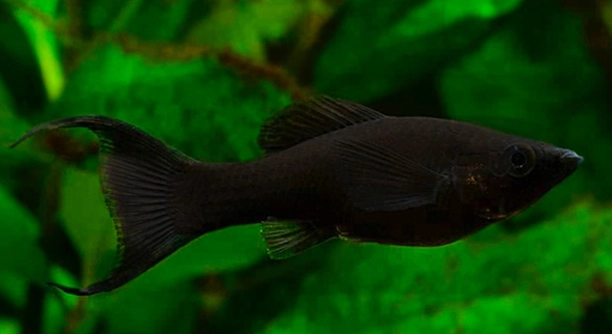
Do you ever notice your Black Molly swimming sluggishly after a sudden water change or temperature drop? Watching them struggle can be worrying, especially when you want your tank to be a safe, healthy environment.
Black Mollies can recover from tank shock if stress factors are quickly addressed. Providing stable water conditions, proper nutrition, and minimal disturbances allows their immune system to regain strength and supports gradual recovery over several days.
Maintaining consistent care and monitoring your fish closely can make a significant difference in helping them regain vitality and confidence in their environment.
Causes of Tank Shock in Black Mollies
Tank shock in Black Mollies usually occurs when their environment changes too quickly. Sudden temperature shifts, high ammonia or nitrite levels, and rapid water changes can all stress them. Even a slight pH swing or overcrowding can make them uneasy. Stress weakens their immune system, leaving them more vulnerable to disease.
When the water conditions are unstable, Black Mollies often hide or become lethargic.
It’s important to remember that even small details matter. Adding too many new fish at once can overwhelm them. Sudden changes in diet or introducing chemicals without proper acclimation can trigger stress. Observing their behavior daily helps detect early signs of trouble. Maintaining a consistent routine for feeding, cleaning, and monitoring water parameters gives them stability. Black Mollies are sensitive but resilient if changes are gradual. Ensuring proper tank size, regular water tests, and gentle handling minimizes the risk. A steady, calm approach prevents severe shock, allowing the fish to adjust comfortably.
Steps to Help Black Mollies Recover
Immediate care after shock can save a fish’s life.
Start by stabilizing the water conditions. Ensure temperature, pH, and chemical levels are consistent. Reduce handling and avoid sudden changes in feeding. Small, frequent feedings with nutritious food help restore energy.
Next, create a calm environment. Remove aggressive tank mates temporarily and provide hiding spots with plants or decorations. Monitor for any signs of illness such as clamped fins or unusual swimming patterns. Maintaining partial water changes carefully over several days helps remove toxins without adding stress. Supplements like electrolytes can aid recovery. Patience is key, as recovery can take time depending on the severity of the shock. Keep the tank quiet, lights dimmed, and avoid unnecessary disturbances. Observing your Black Mollies daily ensures any setbacks are noticed immediately, allowing for quick intervention. With steady care, most Black Mollies regain health and begin swimming confidently again, showing active feeding and normal behavior as signs of successful recovery.
Monitoring Behavior After Tank Shock
Black Mollies may act differently after stress. Watch for lethargy, clamped fins, or hiding more than usual. Sudden darting or staying at the surface can indicate discomfort or poor water conditions.
Tracking behavior helps detect small changes before they become serious. Note how often they eat, swim, or interact with other fish. Sometimes they may isolate themselves temporarily, which is normal if the tank is stable. Avoid moving them or disturbing decorations during this time. Feeding small portions frequently can encourage appetite without overloading the tank. Observing daily lets you adjust water conditions or care routines quickly, ensuring they recover safely. Consistency is key for regaining confidence.
Stress can also trigger minor injuries from collisions or chasing. Keep an eye out for torn fins or faded color. If these appear, partial water changes and a calm environment support healing. Avoid adding new fish or heavy filtration changes during recovery. Even subtle improvements, like increased activity or normal swimming patterns, signal their system is stabilizing. Maintaining quiet and gentle handling speeds recovery while reducing additional stress.
Adjusting Tank Conditions for Recovery
Temperature, pH, and ammonia levels must remain stable after shock. Sudden changes can worsen their condition.
Regular testing and small adjustments prevent further stress. Use a reliable thermometer and test kit daily. Partial water changes help keep toxins low without shocking the fish. Avoid strong currents or bright lighting during recovery. Soft, consistent filtration ensures water stays clean without creating turbulence. Adding plants or floating decorations provides hiding spots, helping fish feel secure. Observing color, appetite, and swimming patterns daily informs whether conditions need tweaks. Keeping food light but nutritious supports energy levels. Maintaining a calm, stable environment reduces stress and encourages healing naturally.
Balancing water chemistry is essential. Black Mollies are sensitive to nitrites and ammonia spikes, which can worsen shock effects. If water parameters drift, a controlled partial change with dechlorinated water is safer than a full replacement. Avoid drastic temperature adjustments; even a few degrees can be harmful. Monitoring oxygen levels is also important, as stressed fish require steady oxygenation. Using gentle aeration or a sponge filter ensures circulation without creating turbulence. By keeping the environment predictable and calm, Black Mollies regain energy, reduce hiding behavior, and return to normal feeding routines, showing clear signs of recovery.
Diet Adjustments After Tank Shock
Feed small, frequent meals to stressed Black Mollies. Heavy feeding can overwhelm their system, so focus on easily digestible foods.
High-quality flake, frozen, or live foods help restore energy. Avoid overfeeding, which can affect water quality and slow recovery. Consistency in timing supports their routine.
Hydration and Electrolytes
Adding electrolytes or aquarium supplements can help stressed fish regain strength. These support gill function and overall vitality, especially after water changes. Regular use during recovery helps Black Mollies maintain proper hydration and reduces additional stress on their bodies.
Reducing Stress Factors
Keep tank activity low. Loud noises, sudden movements, or bright lights can increase stress and delay recovery. Monitor interactions with other fish to prevent bullying.
Observation and Patience
Healing takes time, and recovery varies. Watch for appetite, color, and activity changes. Early intervention ensures minor issues do not escalate. Regular monitoring helps track improvement and signals when extra care is needed.
FAQ
How long does it take for a Black Molly to recover from tank shock?
Recovery time varies depending on the severity of the stress and the care provided. Mild shock may see improvements in 2–3 days, while more severe cases can take a week or longer. Consistent water quality, proper feeding, and minimal disturbances speed recovery. Patience is key, as pushing changes too quickly can slow progress.
Can a Black Molly die from tank shock?
Yes, if stress is severe and left untreated, tank shock can be fatal. Rapid temperature changes, high ammonia, or extreme pH swings can overwhelm their immune system. Immediate intervention, stabilizing water conditions, and reducing stress significantly improve survival chances.
What signs indicate a Black Molly is recovering?
Signs of recovery include improved swimming activity, normal feeding, brighter coloration, and less hiding. They begin exploring the tank again and interacting more with other fish. Reduced clamped fins and calmer behavior are positive indicators.
Should I isolate a Black Molly after tank shock?
Isolation isn’t always required unless other fish are aggressive or the stressed Molly is too weak to compete for food. If used, a quarantine tank with stable water conditions, hiding spots, and minimal disturbances can support recovery. Monitor daily for appetite and energy.
What foods help Black Mollies recover faster?
Easily digestible foods like high-quality flakes, frozen brine shrimp, or daphnia are ideal. Small, frequent meals prevent overloading the digestive system while providing energy. Avoid overfeeding, as excess food can pollute the water and create additional stress.
Do water changes help after tank shock?
Partial water changes can help remove toxins like ammonia or nitrites but should be done carefully. Avoid large or sudden changes. Use dechlorinated water at the same temperature and pH to prevent additional shock. Frequent, gentle changes support healing.
Can supplements improve recovery?
Yes, electrolytes and general aquarium supplements can help stressed fish maintain hydration and support gill function. Use as directed and avoid overuse. They are especially helpful after water changes or if the fish shows signs of weakness or low activity.
How can I prevent tank shock in the future?
Maintaining stable water parameters, gradual water changes, proper acclimation for new fish, and avoiding overcrowding reduce risk. Regular testing for ammonia, nitrites, and pH ensures a stable environment. Monitoring behavior daily helps detect minor issues before they escalate.
Is it normal for a Molly to hide for several days?
Yes, hiding is a natural stress response. If the tank environment is stable and the fish is eating, this behavior usually decreases over time. Ensure hiding spots are available and avoid disturbing them, which allows them to regain confidence gradually.
When should I seek professional help?
If your Black Molly shows no improvement after a week, refuses food, has severe clamped fins, or develops visible injuries or white spots, a veterinarian or experienced aquarist should be consulted. Prompt advice can prevent complications and improve recovery outcomes.
Can other fish affect recovery?
Yes, aggressive or overly active tank mates can stress a recovering Molly. Observe interactions and consider temporary separation if bullying occurs. Peaceful companions and minimal disturbances create the best conditions for regaining strength.
Does temperature play a role in recovery?
Absolutely. Maintaining a stable temperature within the recommended range (around 75–82°F) supports metabolism and immune function. Sudden fluctuations can worsen stress and slow recovery, so gradual adjustments are critical if changes are needed.
Are there any long-term effects after tank shock?
Some Mollies may become more cautious or shy temporarily, but with proper care, they usually return to normal behavior. Repeated stress events, however, can weaken the immune system, making them more susceptible to disease. Consistent care prevents long-term problems.
How do I know if my Molly is still stressed?
Signs include hiding constantly, clamped fins, loss of appetite, erratic swimming, or staying at the surface. Monitoring daily allows early interventions. Adjust water conditions, reduce disturbances, and ensure proper feeding to help them recover fully.
Can tank decorations impact recovery?
Yes, providing hiding spots with plants or decorations helps a stressed Molly feel secure. Avoid overcrowding or sharp objects that can injure weakened fish. A calm, familiar environment encourages confidence and faster recovery.
Is feeding live food better than flakes for recovery?
Live foods like brine shrimp or daphnia can stimulate appetite and provide extra protein, aiding recovery. Flakes are fine too if high-quality and easily digestible. Offering a mix can encourage eating while preventing digestive issues from overeating.
How often should I monitor water parameters during recovery?
Daily monitoring of temperature, pH, ammonia, nitrite, and nitrate is recommended during recovery. Minor fluctuations can stress a Molly, so catching them early helps maintain a stable environment. Adjustments should be small and gradual to avoid further shock.
Does light intensity affect recovery?
Bright lights can increase stress. Dimmed lighting or providing shaded areas with plants can make the tank more comfortable. Gradually returning to normal light levels helps the fish feel secure while maintaining natural day-night cycles.
Can stress lead to disease after tank shock?
Yes, stress weakens the immune system, making Black Mollies more susceptible to infections like fin rot or ich. Maintaining stable conditions, proper nutrition, and minimal disturbances reduces the risk of secondary illnesses. Early detection and treatment are essential.
Is it necessary to change the tank filter after shock?
Not always. Cleaning or replacing a filter can be stressful if done abruptly. Regular maintenance is important, but avoid major changes during recovery. Gentle cleaning without disturbing water flow is sufficient to maintain water quality safely.
Final Thoughts
Black Mollies are delicate fish that can experience tank shock from sudden changes in their environment. Whether it’s a quick temperature shift, a sudden water change, or high levels of ammonia or nitrites, these stressors can affect their behavior, appetite, and overall health. Observing your fish closely after any significant change is important. Early signs of stress may include hiding, clamped fins, lethargy, or unusual swimming patterns. By paying attention to these behaviors, you can intervene quickly, which increases the chances of a full recovery. Small, consistent adjustments to their environment can make a big difference in reducing stress and supporting their health.
Providing a calm and stable tank environment is key to helping Black Mollies recover. This includes keeping the water temperature, pH, and chemical levels consistent. Partial water changes, gentle filtration, and minimal disturbances create a secure space for the fish to regain strength. Adding hiding spots, such as plants or decorations, can also help reduce stress and give them confidence to explore again. Nutrition plays an important role as well. Feeding small, frequent meals of easily digestible, high-quality food ensures they get the energy needed for recovery. Avoid overfeeding, as leftover food can affect water quality and create further stress. Supplements like electrolytes can also support hydration and overall well-being during the recovery process.
Patience and careful observation are essential when caring for a Black Molly after tank shock. Recovery takes time, and each fish may respond differently depending on the severity of the stress and their individual resilience. Keep a close eye on swimming behavior, appetite, and coloration to track improvements. Avoid introducing new fish, sudden environmental changes, or excessive handling until they return to normal behavior. By maintaining stable conditions, providing proper nutrition, and reducing stressors, most Black Mollies can regain strength and resume normal activity. With consistent care and attention, these fish can thrive again, demonstrating resilience and adaptability even after a stressful event.

Hello,
If you enjoy the content that we create, please consider saying a "Thank You!" by leaving a tip.
Every little bit helps us continue crafting quality advice that supports the health, happiness, and well-being of pets around the world, for pets of all shapes, sizes, and species.
We really appreciate the kindness and support that you show us!