
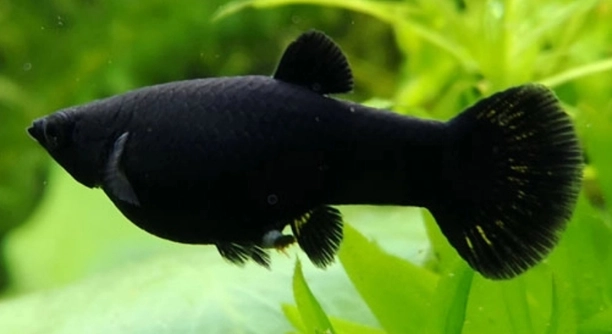
Keeping Black Molly fish active in your home aquarium can be both fun and rewarding. These small, lively fish respond well to care routines, tank setup, and feeding habits that encourage consistent movement and healthy behavior.
Ensuring Black Mollies remain active involves maintaining stable water conditions, providing a balanced diet, offering enough swimming space, including live plants, regulating light exposure, performing regular tank maintenance, and monitoring social interactions within the tank.
Following these simple habits can help you enjoy a lively, thriving aquarium environment for your Black Mollies.
Stable Water Conditions
Keeping the water stable in your Black Molly tank is one of the most important things for their activity. Temperature should stay around 75–82°F, with pH levels between 7.0 and 8.5. Sudden changes in temperature or chemistry can stress the fish, causing them to hide or swim less. Using a reliable heater and thermometer helps maintain consistency. Regular water testing ensures the environment stays within safe limits. Partial water changes, about 20–30% weekly, help remove waste and maintain balance. Avoid adding too many new fish at once, as overcrowding can quickly destabilize the water. A properly cycled tank reduces ammonia and nitrite spikes, which directly affect energy levels. Black Mollies are sensitive to fluctuations, and stable conditions keep them exploring the tank. Even small changes, like introducing a new decoration or rearranging plants, should be done gradually. Observing the fish daily can alert you to early signs of stress before activity levels drop.
Maintaining consistent water quality keeps Black Mollies healthy and energetic. Sudden changes can make them inactive or hide more often.
Gradual adjustments to water conditions are key. Testing the water regularly, monitoring temperature, and performing controlled water changes create a stable environment. Overcrowding or rapid changes can reduce activity, while consistent care encourages regular swimming and interaction. Black Mollies thrive when their surroundings are predictable, allowing them to explore plants, decorations, and swimming space without fear. The fish will appear more vibrant, feed more eagerly, and show natural behaviors like chasing bubbles or interacting with other tank mates. Stability also reduces disease risks, which can drain energy and disrupt activity. Small, consistent efforts in water maintenance make a noticeable difference in keeping your fish lively and alert.
Balanced Diet
Feeding Black Mollies the right diet is essential for keeping them active. A mix of high-quality flakes, pellets, and occasional live or frozen foods gives them proper nutrition. Avoid overfeeding, which can lead to sluggish behavior and poor water quality.
A varied diet supports energy and healthy growth in Black Mollies. It prevents boredom and keeps them moving.
Consistency in feeding schedules also helps. Providing food once or twice daily in small amounts ensures they consume everything without leftovers. Live foods, like brine shrimp or daphnia, stimulate natural hunting behaviors and add excitement to their routine. Supplementing with vegetables, such as blanched spinach or zucchini, supplies essential vitamins and fiber. Observing your fish during feeding times lets you notice which foods they prefer and ensures all individuals are eating properly. A healthy diet directly influences swimming activity, social interaction, and overall vitality. Over time, well-fed Black Mollies become more energetic and display brighter colors, signaling that their dietary needs are met effectively. Proper nutrition works hand in hand with water quality to sustain a lively aquarium environment.
Adequate Swimming Space
Providing enough space for Black Mollies to swim keeps them active and reduces stress. Crowded tanks make them hide or swim less, while open areas encourage exploration and natural behaviors.
A tank that is at least 20 gallons for a small group gives sufficient room. Adding decorations or plants should not block open swimming paths. Open space allows them to chase bubbles, interact with other fish, and maintain proper exercise. Swimming freely also supports muscle development and digestion. When the fish have room to move, they display brighter colors and more energetic behavior. Overcrowding can lead to aggression or lethargy, so it’s better to have fewer fish in a larger area. Careful planning of tank layout ensures that each Black Molly has access to hiding spots without restricting movement. Observing their behavior will show if the space is adequate or needs adjustment.
A spacious environment allows Black Mollies to explore naturally and stay lively. Restricting movement can lower activity and overall health.
Live Plants and Hiding Spots
Live plants and hiding spots reduce stress and stimulate natural behaviors in Black Mollies. They provide security, territory, and areas to rest while still offering swimming opportunities. Plants also improve water quality by absorbing nitrates.
Adding a mix of tall and short plants creates a dynamic tank environment. Plants like Java moss, hornwort, or water wisteria give both cover and open space. Hiding spots such as rocks or small caves help fish feel safe when stressed or resting. Black Mollies use these areas to escape aggressive tank mates, breed, or simply rest without being disturbed. A well-planted tank encourages swimming around and between plants, which keeps energy levels up. Plants also support cleaner water, reducing toxins that can make fish sluggish. The combination of natural cover and free swimming areas balances security with activity, letting Black Mollies explore while feeling safe. Regular trimming and care of plants maintain this environment and keep the fish moving consistently.
Regulated Light Exposure
Proper light exposure helps Black Mollies maintain their activity and natural rhythms. Too much light can stress them, while too little can reduce movement and feeding interest.
A balanced day-night cycle of 10–12 hours of light promotes consistent energy. Using a timer ensures reliability.
Regular Tank Maintenance
Keeping the tank clean prevents waste buildup that can make Black Mollies sluggish. Removing uneaten food, vacuuming substrate, and cleaning filters maintains healthy water conditions. Regular maintenance reduces toxins and supports oxygen levels, encouraging swimming and exploration. Observing fish during cleaning can also reveal early signs of illness or stress, allowing prompt action. Consistent upkeep keeps the tank visually appealing and provides a safe, stable environment for the fish to thrive.
Monitoring Social Interactions
Watching how Black Mollies interact helps maintain a peaceful and active tank. Aggressive fish can reduce activity and hide others.
FAQ
How often should I feed my Black Mollies?
Feeding once or twice a day in small amounts is enough. Overfeeding can pollute the tank and make fish sluggish. Give only what they can eat in a few minutes, removing leftovers to maintain water quality and encourage active swimming.
What is the ideal tank size for keeping Black Mollies active?
A minimum of 20 gallons is recommended for a small group. Larger tanks give more room to swim, reducing stress and aggression. Adequate swimming space keeps them energetic and allows them to display natural behaviors. Crowded tanks can make them hide or stay still.
Do live plants really make a difference?
Yes, live plants provide hiding spots, improve water quality, and reduce stress. Plants like Java moss, hornwort, or water wisteria encourage exploration. Fish swim around plants and feel secure, which increases activity and keeps them engaged with their environment.
Can I mix Black Mollies with other fish?
Yes, but choose peaceful tank mates. Aggressive or fin-nipping species can reduce their activity or stress them. Keep compatible fish in groups to maintain social interaction while preventing bullying. Observing interactions regularly helps you adjust the group if necessary.
How important is water temperature for activity?
Water temperature is very important. Black Mollies prefer 75–82°F. Sudden drops or spikes can cause stress, hiding, or lethargy. Use a reliable heater and thermometer to maintain consistency. Stable temperature encourages regular swimming and feeding.
What pH levels are best for Black Mollies?
A pH between 7.0 and 8.5 supports activity and overall health. Sudden changes can stress the fish. Testing water regularly ensures the environment remains within the proper range. Stable pH promotes energetic behavior and prevents disease.
How often should I perform water changes?
Partial water changes of 20–30% weekly keep water clean and stable. This removes waste, reduces toxins, and maintains consistent chemistry. Clean water helps Black Mollies stay active, swim freely, and show bright colors. Avoid changing too much at once, which can shock the fish.
Do Black Mollies need hiding spots?
Yes, hiding spots help reduce stress and encourage natural behaviors. Rocks, caves, or dense plants give them areas to rest or escape aggression. Feeling secure increases activity, as they explore freely without fear. Too few hiding spots can make them stressed and less energetic.
What foods boost activity the most?
A varied diet of high-quality flakes, pellets, and occasional live or frozen foods is ideal. Live foods like brine shrimp or daphnia stimulate hunting behavior. Vegetables such as blanched spinach or zucchini provide nutrients. Proper nutrition keeps fish energetic, active, and healthy.
Can lighting affect their behavior?
Yes, lighting regulates their day-night cycle. Around 10–12 hours of light daily promotes normal activity. Too much light can stress them, while too little reduces movement and feeding interest. Using a timer helps maintain a consistent schedule, encouraging regular swimming and interaction.
How do I know if my Black Mollies are happy and active?
Healthy, active Black Mollies swim frequently, explore their environment, interact with tank mates, and show bright colors. They respond to feeding and move confidently through open spaces. Inactivity, hiding, or dull colors can indicate stress, illness, or poor tank conditions.
What are common signs of stress in Black Mollies?
Stress shows as hiding, sluggish movement, loss of appetite, or clamped fins. Poor water quality, overcrowding, sudden temperature changes, or aggressive tank mates can cause stress. Maintaining stable water conditions, proper diet, and sufficient space helps prevent these issues.
Are there special considerations for breeding Black Mollies?
Yes, breeding pairs or groups need extra hiding spots for fry and slightly warmer, stable water. Providing a well-planted tank reduces stress and encourages natural behaviors. Active, healthy adults are more likely to breed successfully when environmental needs are met.
How can I make sure my Black Mollies stay active long-term?
Maintain stable water conditions, proper temperature, balanced diet, open swimming space, live plants, hiding spots, regular tank maintenance, and compatible tank mates. Monitoring their behavior daily allows early adjustments, ensuring they remain lively and healthy over time.
Black Mollies are small but lively fish that bring movement and life to any freshwater tank. Keeping them active requires attention to several key factors that affect their behavior and health. Stable water conditions are essential. Temperature should be consistent, and the pH needs to remain within the proper range. Sudden changes can stress the fish and make them hide or swim less. Using a reliable heater, thermometer, and regular water testing helps maintain stability. Performing partial water changes weekly removes waste and keeps water chemistry balanced. Overcrowding should be avoided, as too many fish in a small tank can make them lethargic and aggressive. Even small adjustments to the tank setup, such as adding new plants or decorations, should be done gradually so the fish can adapt without stress. Observing the fish daily allows you to notice any changes in activity or signs of discomfort, which is important for keeping them healthy.
Feeding also plays a major role in keeping Black Mollies energetic. A balanced diet consisting of high-quality flakes, pellets, and occasional live or frozen foods provides the nutrients they need. Overfeeding can lead to poor water quality and sluggish behavior, so giving only what they can eat in a few minutes is best. Including vegetables like blanched spinach or zucchini adds essential vitamins and fiber, while live foods such as brine shrimp encourage natural hunting behavior. Feeding at consistent times helps them develop a routine and remain active throughout the day. Watching their reactions during feeding can show which foods they prefer and ensure all fish are eating well. Proper nutrition not only improves energy but also enhances their colors and overall vitality, making them more engaging to watch in the tank.
The environment of the tank itself is equally important. Providing enough open swimming space allows Black Mollies to explore, chase bubbles, and interact with each other naturally. Live plants and hiding spots give them security while still encouraging movement. Plants also help improve water quality and create a dynamic environment that keeps the fish interested. Lighting should be balanced, with a consistent day-night cycle to support their natural rhythms. Social interactions should be monitored to prevent stress from aggressive tank mates. By combining stable water conditions, a balanced diet, enough space, plant cover, proper lighting, and compatible tank mates, Black Mollies can remain lively and healthy over time. Careful, consistent attention to these factors ensures they thrive, display natural behaviors, and maintain high activity levels in the aquarium.

Hello,
If you enjoy the content that we create, please consider saying a "Thank You!" by leaving a tip.
Every little bit helps us continue crafting quality advice that supports the health, happiness, and well-being of pets around the world, for pets of all shapes, sizes, and species.
We really appreciate the kindness and support that you show us!