
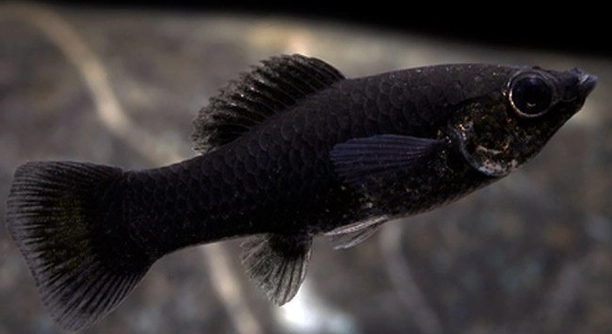
Black mollies are gentle fish that can brighten any aquarium with their presence. Many owners enjoy watching them interact, yet some mollies stay shy and distant, leaving you unsure how to encourage them to be more social.
Black mollies become more social through consistent environmental enrichment, proper tank mates, balanced nutrition, and stable water conditions. These factors collectively reduce stress and promote natural behaviors, increasing their interaction with other fish and with owners.
Learning these tips can help your black molly feel more comfortable and active in the tank, creating a livelier and more engaging aquatic environment.
Proper Tank Size
A proper tank size is essential for black mollies to feel comfortable and confident. Small, cramped tanks make them feel stressed, leading to hiding and less interaction. A minimum of 20 gallons is ideal for a few mollies, giving them enough space to swim freely. Larger tanks allow them to explore, establish territories, and interact more naturally with each other. Hiding spots, plants, and open swimming areas create a balanced environment where they can feel safe but also engage with the surroundings. If the water is too crowded, mollies may become aggressive or shy, reducing their social behavior. Tank size directly affects water quality, oxygen levels, and stress levels, all of which influence activity and sociability. By providing sufficient space, owners can support their mollies’ natural behaviors, including playful swimming, chasing, and interacting with other fish in the tank. Observing them in a well-sized tank shows how confident and lively they can become.
Providing a tank of at least 20 gallons helps black mollies move freely, interact with other fish, and feel secure in their environment.
With a larger tank, mollies can establish territories, avoid conflict, and explore multiple hiding spots. Plants and decorations enhance their confidence, encouraging them to swim openly and interact naturally. Over time, a spacious tank reduces stress, keeps water cleaner, and supports more active, social behaviors.
Balanced Diet
Feeding black mollies a balanced diet keeps them healthy and active. Avoid overfeeding or relying solely on flakes, which can lead to obesity and less energy for interaction.
A mix of high-quality flake food, frozen or live brine shrimp, and vegetable matter ensures they get protein, vitamins, and fiber. Mollies are omnivores and enjoy variety, which also stimulates natural foraging behaviors. Nutritional variety supports color, growth, and vitality, making them more visible and engaging in the tank. Feeding smaller amounts multiple times a day prevents water pollution and keeps their energy consistent. Mollies that receive proper nutrition are more likely to swim openly, chase each other playfully, and show interest in their surroundings, all signs of sociability. The consistency of feeding times also helps them recognize owners and associate them with food, encouraging interaction near the front of the tank. By maintaining a proper diet, you are not only supporting their physical health but also fostering a livelier, more social aquarium environment. This approach strengthens their natural behaviors and keeps them curious and engaged daily.
Stable Water Conditions
Maintaining stable water conditions is crucial for black mollies’ social behavior. Sudden changes in temperature, pH, or hardness can stress them, causing hiding and reduced activity. Regular monitoring keeps them healthy and interactive.
Keeping temperature around 75-80°F and pH near 7.0-8.0 ensures comfort. Mollies are sensitive to fluctuations, so gradual changes are key. Filtration and partial water changes maintain clarity and reduce toxins, supporting their energy and willingness to engage. Stress from unstable conditions can weaken their immune system, reduce appetite, and make them less likely to swim openly or interact with tank mates. By carefully maintaining water parameters, owners create a safe environment that encourages natural swimming patterns and playful interactions.
Stable water conditions also reduce disease risks and support growth. Mollies become more confident and active in clean, stable water. Observing them daily, adjusting slowly, and testing regularly helps maintain this balance. With consistent care, their sociability improves, and they explore the tank more freely. This attention to water quality directly influences their willingness to interact with other fish and engage with their environment, leading to a livelier, healthier aquarium overall.
Compatible Tank Mates
Choosing compatible tank mates prevents stress and encourages social behavior. Aggressive or overly shy species can limit black mollies’ interactions. Peaceful species are best.
Compatible tank mates include guppies, platies, and tetras. Avoid fin-nippers or aggressive fish that may chase or intimidate them. Grouping similar-sized, gentle fish fosters confidence and allows mollies to swim openly. Observing interactions helps ensure harmony.
Tank mate compatibility affects how freely black mollies swim and interact. Stress from incompatible species can lead to hiding, sluggishness, or aggression. Mollies in peaceful communities are more likely to explore, play, and establish territories naturally. Careful selection of companions creates a balanced ecosystem where all fish feel secure. Over time, this promotes consistent social behavior, reduces stress-related illness, and encourages natural group activities like schooling and chasing. Choosing compatible species also allows owners to enjoy dynamic tank interactions and watch mollies display their playful personalities without fear or competition.
Regular Interaction
Consistent interaction helps black mollies become more social. Spending time near the tank, observing, and gently moving objects can make them more comfortable with your presence.
Regular, calm interaction allows mollies to associate humans with safety. Over time, they may swim closer and show curiosity, increasing engagement and responsiveness in the tank.
Proper Lighting
Adequate lighting supports activity and social behavior. Too dim or too bright lights can stress mollies, making them hide or stay inactive. A consistent day-night cycle encourages natural behavior.
Environmental Enrichment
Adding plants, rocks, and decorations encourages exploration and play. A varied environment provides hiding spots and open areas for swimming, supporting confident and interactive behavior. Mollies use enriched spaces to display natural social behaviors, chase each other, and explore safely, keeping them engaged and lively throughout the day.
Avoid Overcrowding
Overcrowding causes stress and reduces social interaction. Keeping an appropriate number of fish per gallon ensures space for swimming, establishing territories, and encourages natural social behavior.
FAQ
How often should I feed my black mollies?
Black mollies should be fed small amounts two to three times a day. Overfeeding can pollute the water and make them sluggish. A mix of flake food, frozen or live foods, and some vegetable matter keeps them healthy and active. Observing how much they eat in a few minutes helps avoid leftover food that can harm water quality. Consistent feeding times also help mollies recognize your presence and encourage them to swim near the front of the tank, which improves interaction.
Can black mollies live with other fish?
Yes, black mollies can live with peaceful fish like guppies, platies, or tetras. Avoid aggressive or fin-nipping species because they can stress mollies, causing hiding and reduced activity. Grouping them with similar-sized, gentle fish promotes confidence, natural swimming, and social behavior. Monitoring their interactions for a few weeks ensures the tank remains harmonious.
What water parameters are best for social behavior?
Stable water conditions are critical. Keep the temperature between 75-80°F and pH around 7.0-8.0. Mollies are sensitive to sudden changes in hardness or chemicals. Regular water testing, partial water changes, and proper filtration prevent stress and support active, confident behavior. Clean water encourages swimming, playing, and interaction with tank mates.
How big should the tank be?
A minimum of 20 gallons is ideal for a few mollies. Larger tanks reduce stress, allow for swimming, and give them space to establish territories. Open swimming areas combined with hiding spots from plants or decorations create a balanced environment. Proper tank size supports energy, confidence, and natural social behavior.
Do black mollies need lighting?
Yes, proper lighting supports their activity. Too dim or too bright lighting can make them hide or stay inactive. A consistent day-night cycle helps regulate their behavior, encourages feeding and exploration, and improves interaction with other fish. Lighting also helps plants grow, enhancing environmental enrichment.
Why do some black mollies hide all the time?
Hiding often indicates stress, poor water conditions, overcrowding, or incompatible tank mates. Mollies may also hide if the tank lacks plants or decorations. Checking water parameters, tank size, and companion species helps reduce stress and encourages them to swim more openly.
How can I encourage my black mollies to interact?
Regular, calm observation helps them feel safe. Feeding near the front of the tank, gentle movements, and environmental enrichment like plants and decorations increase curiosity. Consistency and patience allow mollies to recognize owners, explore their surroundings, and engage with other fish. Over time, they become more confident and social.
Is it necessary to have plants in the tank?
Yes, plants provide hiding spots, reduce stress, and make the environment more natural. Mollies use plants to explore and establish territories. Both real and artificial plants work, as long as they create cover and open swimming areas. Enriched environments encourage active, playful, and social behavior.
Can black mollies get stressed easily?
Yes, they are sensitive to sudden changes in water conditions, overcrowding, or aggressive tank mates. Stress can make them hide, eat less, or become inactive. Maintaining stable water, proper tank size, compatible companions, and consistent care reduces stress and supports sociability.
How long does it take for black mollies to become social?
It varies depending on personality, environment, and care. With proper nutrition, stable water, enrichment, and compatible companions, most mollies start showing social behavior within a few weeks. Consistent observation, interaction, and patience help them become confident and active in the tank.
Can I handle black mollies?
Handling should be minimal. Frequent handling causes stress and can harm their scales. Interaction should be visual, through observation, and gentle movements in the tank. Over time, mollies may approach your hands when feeding but touching should always be avoided to maintain health and social behavior.
What foods encourage activity and social behavior?
A balanced diet including flake food, brine shrimp, daphnia, and vegetables keeps them energetic and curious. Rotating foods stimulates natural foraging behaviors. Proper nutrition improves color, vitality, and confidence, which encourages interaction with tank mates and exploration of their environment.
How often should I clean the tank?
Partial water changes of 20-30% weekly maintain water quality. Regular cleaning of gravel, filters, and decorations reduces toxins that stress mollies. A clean tank supports swimming, playful behavior, and social interaction. Avoid full cleanings unless necessary, as this can disrupt beneficial bacteria.
Do black mollies prefer groups?
Yes, they are social fish and feel more confident in small groups of three or more. Groups allow natural schooling, playful chasing, and social interaction. Isolated mollies may become shy or stressed. Observing group behavior helps maintain harmony and encourages active, lively fish.
Can lighting affect their color?
Yes, proper lighting enhances color and encourages movement. Dim or inconsistent lighting can reduce visibility and make them less active. Balanced lighting combined with proper diet improves overall appearance and promotes confidence and sociability.
How do I know if my black molly is happy?
A happy molly swims actively, explores the tank, interacts with tank mates, and responds to feeding. Vibrant color, smooth swimming, and occasional chasing or playful behavior are signs of comfort. Regular monitoring helps maintain conditions that support sociability and overall well-being.
Are black mollies sensitive to chemicals in water?
Yes, chlorine, heavy metals, and sudden chemical changes can stress or harm them. Using water conditioners and testing regularly ensures a safe environment. Avoiding harsh treatments and maintaining stable parameters encourages healthy, active, and social behavior.
Can they breed in a home tank?
Yes, black mollies can breed if conditions are right. Proper nutrition, space, and hiding areas for fry support successful breeding. Breeding behavior may increase social interaction and activity, especially among males showing playful chasing or courtship behaviors.
Do seasonal changes affect behavior?
Yes, temperature and light fluctuations can influence activity levels. Keeping a stable tank environment year-round minimizes stress and encourages consistent swimming, exploration, and interaction with other fish. Seasonal care adjustments help maintain social behavior and overall health.
What are signs of stress in black mollies?
Signs include hiding, loss of appetite, lethargy, faded color, or aggression. Stress often results from poor water conditions, overcrowding, or incompatible tank mates. Identifying and correcting these issues restores confidence, encourages social behavior, and supports health.
How can I make my black mollies more interactive with me?
Feeding at consistent times, gently moving objects in the tank, and spending quiet time observing them increases curiosity and reduces fear. Over weeks, mollies may swim closer and respond to your presence, improving their social interaction both with humans and tank mates.
Final Thoughts
Black mollies are naturally gentle and curious fish, and with the right care, they can become lively and social members of your tank. Their behavior is strongly influenced by their environment, diet, and the company they keep. Providing a well-sized tank with proper water conditions and consistent maintenance creates a foundation where mollies feel safe and confident. A stable environment reduces stress and encourages them to swim freely, explore decorations, and interact with other fish. Overcrowding or sudden changes in temperature, pH, or water hardness can cause hiding and inactivity, so regular monitoring and careful adjustments are essential. By keeping the tank balanced and clean, you are giving your mollies the best chance to show their natural behaviors, from playful chasing to curiosity about their surroundings.
Nutrition also plays a key role in promoting social behavior. A balanced diet that includes flake food, live or frozen foods, and some plant matter provides the energy and nutrients mollies need to be active. Feeding smaller amounts multiple times a day keeps them engaged and prevents overeating, which can lead to sluggishness or water quality issues. Consistent feeding routines also allow mollies to recognize their owner’s presence, creating opportunities for interaction and observation. Variety in food not only supports their physical health but also stimulates natural foraging behaviors, which encourages movement, exploration, and confidence. Mollies that are well-fed and healthy are more likely to swim openly, interact with other fish, and display vibrant colors, which contributes to a lively tank environment.
Creating an enriched environment is equally important for their social behavior. Plants, rocks, and other decorations provide hiding spots and open areas for swimming, allowing mollies to establish territories and play safely. Compatible tank mates enhance their confidence and encourage group activities, while incompatible species or aggressive fish can lead to stress and withdrawal. Regular interaction, calm observation, and gentle movements around the tank help mollies feel comfortable near humans without causing fear. Over time, these practices encourage consistent social behavior, making the tank more engaging to watch. By combining proper tank size, water conditions, diet, enrichment, and compatible companions, black mollies can thrive in a home aquarium, becoming confident, interactive, and enjoyable to observe.

Hello,
If you enjoy the content that we create, please consider saying a "Thank You!" by leaving a tip.
Every little bit helps us continue crafting quality advice that supports the health, happiness, and well-being of pets around the world, for pets of all shapes, sizes, and species.
We really appreciate the kindness and support that you show us!