
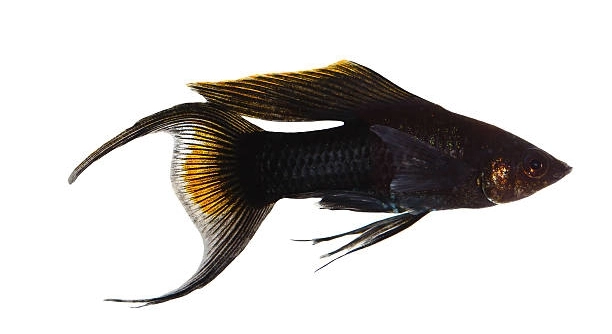
Many fish owners enjoy keeping Black Molly in their home aquariums. These small, dark-colored fish are lively and social, often bringing life to a tank. Learning about their water needs helps keep them healthy and happy.
Black Molly can tolerate brackish water conditions, but it is essential to maintain moderate salinity levels. Gradually acclimating them to brackish water and monitoring water parameters ensures their health, growth, and long-term survival in this environment.
Knowing the right balance for Black Molly in brackish water can make a big difference in their well-being and tank harmony. Proper care ensures they thrive alongside other compatible species.
Understanding Brackish Water for Black Molly
Brackish water is a mix of freshwater and saltwater. It usually has a salinity level between 1.005 and 1.015 specific gravity. Black Mollies adapt well to this type of water, but sudden changes can stress them. Gradual acclimation is key. Start by adding small amounts of marine salt to their freshwater tank over several days. Monitor the fish closely for signs of stress, such as rapid gill movement or erratic swimming. Temperature and pH also matter; aim for 24–28°C and a pH around 7.5–8. Proper filtration helps remove waste and maintain water quality, which is vital because brackish conditions can encourage algae growth. Regular water testing ensures salinity and other parameters stay stable. Using a sponge filter or hang-on-back filter can reduce strong currents, which Black Mollies prefer to avoid. Additionally, providing plants or hiding spots allows them to feel secure, which supports overall health and reduces stress in slightly salty water.
Acclimating slowly prevents shock and keeps your Black Molly active and healthy in brackish conditions.
Keeping a stable environment ensures growth and reproduction. Observing behavior regularly helps detect early signs of illness or stress, allowing adjustments before problems escalate. Proper care in brackish water encourages natural behavior and vibrant coloration.
Feeding Black Molly in Brackish Water
Black Mollies eat a mix of flake, frozen, and live foods.
In brackish water, diet becomes slightly more important. Salinity can affect metabolism, so feeding small, frequent meals helps maintain energy levels. Include plant-based options like algae wafers or blanched vegetables, as Black Mollies enjoy some greens. Protein sources such as brine shrimp or daphnia support growth and reproduction. Avoid overfeeding because leftover food can quickly pollute the water and disrupt salinity balance. Feeding at consistent times each day helps reduce stress and establishes routine. Observing which foods your fish prefer can guide portion sizes and ensure they are eating well. Maintaining a balanced diet contributes to a healthy immune system, enhances color, and promotes longevity in brackish conditions. Over time, you will notice that properly fed Black Mollies remain lively, interact more, and breed more successfully. Feeding practices, combined with stable water parameters, create an environment where these fish can thrive and display their best behavior.
Tank Setup for Black Molly in Brackish Water
A tank of at least 20 gallons is ideal for Black Mollies. Moderate water flow and hiding spots help them feel secure. Sand or fine gravel works best as a substrate to mimic their natural habitat.
Maintaining the right salinity, temperature, and pH is crucial. Use a reliable hydrometer to check salinity between 1.005 and 1.015. Keep the temperature around 24–28°C and pH near 7.5–8. Adding live plants or driftwood provides shelter and reduces stress. A gentle filter prevents debris buildup without creating strong currents that can tire them out. Regular water changes, about 25% weekly, help maintain water quality and remove excess waste. Avoid sudden changes in water parameters, as Black Mollies are sensitive to shock. Proper tank setup supports healthy growth, activity, and reproduction.
Decorations should be placed to create open swimming areas while still offering cover. Black Mollies like space to explore, so balance plants and hiding spots carefully. Substrate choice can affect plant growth and water chemistry. Live plants not only provide shelter but also help absorb nitrates and improve overall tank health. Driftwood or rocks can create territories and reduce aggression among fish. Lighting should be moderate to encourage natural activity. Avoid overcrowding the tank, as too many fish can stress Black Mollies and destabilize water quality. Observing their swimming patterns helps determine if the setup is comfortable. With the right arrangement, Black Mollies stay active, show brighter colors, and enjoy a stable brackish environment.
Health Considerations in Brackish Water
Monitoring fish closely is essential to catch health issues early.
Stress from incorrect salinity, temperature fluctuations, or poor water quality can weaken immune systems. Common problems include fin rot, fungal infections, and parasites. Quarantine new fish before adding them to the main tank to prevent disease introduction. Regular observation allows you to notice changes in behavior, appetite, or coloration, which can indicate underlying issues. Maintaining clean water with proper filtration and weekly changes reduces the risk of infections. A balanced diet also strengthens immunity. Keeping detailed notes on water parameters and fish behavior helps track trends and detect problems before they worsen. Prompt treatment ensures that minor health issues don’t become severe, giving your Black Mollies the best chance to thrive in brackish conditions.
Treating minor infections early prevents them from spreading and harming the whole tank. Isolation tanks can help administer medication safely without affecting other species. Providing hiding spots allows sick fish to rest and recover. Choosing medications compatible with brackish water prevents accidental stress or toxicity. Maintaining optimal water conditions alongside treatment accelerates healing. Understanding the common signs of illness, like lethargy or clamped fins, allows immediate response. Keeping a first-aid kit for fish, including antifungal, antibacterial, and parasite treatments, is practical. Preventive care through good hygiene, diet, and stable water helps minimize illness. A proactive approach ensures your Black Mollies remain lively, healthy, and colorful.
Choosing Compatible Tank Mates
Black Mollies do well with other peaceful species that tolerate brackish water. Avoid aggressive fish that may nip fins or compete for food. Small tetras, guppies, and platies are usually safe companions.
Keep the number of fish moderate to reduce stress. Overcrowding can affect water quality and cause aggression. Monitor interactions, especially during feeding, to ensure all fish are thriving.
Breeding Black Molly in Brackish Water
Black Mollies are livebearers, meaning they give birth to free-swimming fry rather than laying eggs. Brackish water can encourage breeding if parameters are stable. Females give birth to 20–100 fry at a time, and separating them from adults helps prevent predation.
Regular feeding of high-protein foods supports reproductive health. Providing hiding spaces for fry increases survival rates. Water changes and stable salinity help reduce stress and maintain overall health. Observing their behavior during mating can help predict birthing times. Proper care ensures healthy fry and encourages natural reproduction patterns, allowing you to enjoy an active, thriving tank.
Water Testing and Maintenance
Regularly checking salinity, pH, and temperature keeps Black Mollies healthy. Small adjustments prevent sudden stress.
FAQ
Can Black Mollies survive only in freshwater?
Yes, Black Mollies can survive in freshwater, but they are naturally adapted to brackish conditions. In purely freshwater, they may still live, but their health, coloration, and lifespan could be slightly affected. Occasional mineral supplementation can help compensate for missing elements found in brackish water.
How much salt should I add to make water brackish?
Brackish water typically has a specific gravity of 1.005 to 1.015. Start by dissolving marine aquarium salt in a separate container of water and slowly mix it into the tank. Gradually increase salinity over several days to avoid stressing the fish. Always measure with a hydrometer or refractometer.
Can Black Mollies breed in brackish water?
Yes, brackish water can encourage breeding. Stable salinity, temperature, and a balanced diet promote reproductive health. Females give birth to live fry, and providing hiding spots helps protect them from adults. Regular monitoring ensures both adults and fry remain healthy.
What temperature is best for Black Mollies?
Black Mollies thrive in 24–28°C (75–82°F). Consistent temperatures prevent stress and support digestion, immune health, and breeding. Sudden changes can cause shock or weaken their immune system, so a reliable heater and thermometer are recommended.
How often should I change water in a brackish tank?
Weekly water changes of about 25% are ideal. This maintains stable salinity, removes waste, and reduces the risk of algae or harmful bacteria. Always match the new water’s salinity and temperature to prevent shocking the fish.
Can I keep other fish with Black Mollies in brackish water?
Yes, but choose peaceful, brackish-tolerant species. Guppies, platies, and small tetras usually coexist well. Avoid aggressive or large fish that may stress or harm Mollies. Observe interactions regularly and adjust tankmates if aggression appears.
Do Black Mollies need special food in brackish water?
Not necessarily, but a varied diet improves health. Include flakes, frozen foods, and plant-based options like algae wafers. Protein-rich foods such as brine shrimp or daphnia support growth and reproduction. Feed small amounts multiple times a day to avoid overfeeding and water contamination.
How can I tell if my Black Molly is stressed in brackish water?
Signs include clamped fins, rapid gill movement, loss of appetite, or hiding more than usual. Stress often results from sudden changes in salinity, temperature, or overcrowding. Monitoring these behaviors allows early action before illness develops.
Can Black Mollies adapt to higher salinity over time?
Yes, gradual acclimation allows them to tolerate slightly higher salinity, but extremes can be harmful. Always adjust salt levels slowly and observe their behavior to ensure they remain healthy. Avoid rapid changes to prevent stress or shock.
Is live planting necessary for brackish tanks?
While not required, live plants help absorb nitrates, provide hiding spots, and reduce stress. Hardy species that tolerate slightly salty water are ideal. Plants also support natural behavior and improve overall tank stability, contributing to healthier fish.
How can I prevent diseases in a brackish tank?
Maintain stable water parameters, feed a balanced diet, and quarantine new fish. Regular water changes and filtration reduce the risk of bacterial or fungal infections. Observing behavior daily allows early detection and treatment of minor health issues before they escalate.
How long do Black Mollies live in brackish water?
With proper care, Black Mollies live around 3–5 years. Stable water conditions, a varied diet, and a stress-free environment support longevity. Breeding frequency and tank maintenance can also influence lifespan. Regular monitoring ensures they remain active and healthy throughout their life.
Can I use tap water for a brackish tank?
Tap water can be used if treated to remove chlorine and chloramine. Test the water’s hardness and pH before adding salt. Gradually adjust salinity to match brackish conditions, ensuring a safe transition for your Black Mollies.
Are Black Mollies aggressive in brackish water?
They are generally peaceful but may show mild territorial behavior, especially males. Providing hiding spots, moderate stocking, and monitoring interactions reduces conflicts. Aggression usually arises from overcrowding or poor tank conditions.
How do I acclimate Black Mollies to brackish water?
Float the bag in the tank for 15–20 minutes to equalize temperature. Slowly add small amounts of brackish water to the bag every 10–15 minutes over a few hours. Once acclimated, gently release the fish into the tank to avoid shock.
Can brackish water affect their color?
Yes, stable brackish water often enhances Black Mollies’ natural coloration. Stress, poor diet, or unstable water conditions can dull colors. Maintaining proper salinity, temperature, and nutrition ensures they look vibrant and healthy.
Do Black Mollies need hiding spots in brackish water?
Yes, hiding spots reduce stress, protect fry, and allow the fish to rest. Plants, driftwood, or rocks create secure areas. Observing their use of these spaces helps you understand comfort levels and adjust the tank layout accordingly.
Is a specific filter type required for brackish tanks?
Moderate filtration is best. Sponge filters or hang-on-back filters provide gentle water flow, remove debris, and maintain water quality without creating strong currents that exhaust Black Mollies. Proper filtration supports a healthy, balanced environment.
Can Black Mollies live with snails or shrimp in brackish water?
Yes, some snails and shrimp tolerate brackish water and coexist peacefully. Avoid species sensitive to salt or that may be eaten by Mollies. Observing interactions ensures a harmonious tank ecosystem.
How can I increase fry survival in brackish water?
Provide dense plants or a separate breeding tank. Feed fry finely crushed flake or specialized fry food. Maintain stable salinity and temperature to reduce stress. Early protection from adults increases survival rates, helping young fish grow strong and healthy.
Do Black Mollies need special lighting in brackish water?
Moderate lighting is sufficient. It supports plant growth and allows the fish to display natural colors. Avoid overly bright lights, which may cause stress, and maintain a consistent day-night cycle to promote well-being.
How often should I test water in a brackish tank?
Test salinity, pH, and temperature at least twice a week. Frequent monitoring prevents sudden changes, helps detect imbalances early, and ensures a stable environment for Black Mollies. Proper testing supports overall health and longevity.
Can Black Mollies adapt to lower salinity over time?
Gradual adjustment allows adaptation, but extremely low salinity may reduce health and coloration. Avoid rapid changes, and maintain moderate levels for best results. Monitoring behavior and growth helps determine if conditions are suitable.
Is water movement important in a brackish tank?
Yes, gentle water movement supports oxygenation and reduces debris buildup. Strong currents can stress Black Mollies, so balance flow with tank size and fish activity. Proper circulation enhances overall water quality and fish health.
What signs indicate good health in Black Mollies?
Active swimming, bright coloration, regular feeding, and normal fin condition are key indicators. Observing these behaviors ensures your fish are thriving in brackish water, allowing early detection if any issues arise.
Are there long-term effects of keeping Black Mollies in brackish water?
If parameters are stable, brackish water supports health, breeding, and natural behavior. Instability or poor care can lead to stress, disease, or shortened lifespan. Consistent maintenance and observation prevent long-term problems, allowing your Black Mollies to thrive.
Can I switch my freshwater Black Molly to brackish water?
Yes, but acclimate gradually over several days. Sudden exposure can cause stress or shock. Slowly increase salinity while monitoring behavior, feeding, and overall health to ensure a smooth transition and prevent illness.
Do Black Mollies prefer soft or hard brackish water?
They prefer moderately hard water with balanced minerals. Very soft or very hard water can cause stress and affect growth. Testing and adjusting hardness helps maintain a healthy environment suited to their natural habitat.
How do I prevent algae in a brackish tank?
Control light exposure, avoid overfeeding, and maintain regular water changes. Adding live plants or algae-eating species can help manage growth. Proper filtration and tank cleaning reduce excess nutrients that fuel algae development.
Can Black Mollies live in a mixed-salinity tank?
Yes, gradual changes between freshwater and brackish conditions are possible, but stability is key. Sudden shifts can cause stress or illness. Monitor parameters carefully to maintain a safe environment.
What is the ideal pH for Black Mollies in brackish water?
A pH of 7.5–8 supports health, activity, and reproduction. Regular testing ensures stability. Fluctuations outside this range can cause stress, weaken the immune system, or affect breeding success.
How do I treat fin rot in brackish water?
Improve water quality, isolate affected fish, and use antibacterial treatments compatible with brackish conditions. Maintain stable salinity and avoid overcrowding. Early intervention ensures faster recovery and prevents spread to other fish.
Can Black Mollies live alone in a brackish tank?
Yes, but they are social and thrive with companions. A small group reduces stress and encourages natural behavior. Isolated fish may become shy or less active.
Do Black Mollies need gravel or sand substrate in brackish tanks?
Either works, but sand or fine gravel is preferred. It supports plant growth, reduces waste buildup, and allows natural foraging behavior. Choose based on aesthetic and tank maintenance preference.
How long does it take for Black Mollies to adjust to brackish water?
Gradual acclimation usually takes several hours to a few days. Observing behavior during this period ensures they adapt without stress. Patience is key to a smooth transition.
Are Black Mollies sensitive to temperature swings?
Yes, sudden changes can cause stress, illness, or shock. Maintaining a stable temperature with a reliable heater and thermometer is essential for their health and overall tank stability.
Can brackish water enhance their growth?
Stable brackish conditions, combined with proper diet, support growth, reproduction, and overall health. Stress-free, nutrient-rich water helps Black Mollies reach their full size potential naturally.
Do Black Mollies need supplemental minerals in brackish water?
Occasionally, adding minerals can support health, especially if local water lacks essential elements. Properly balanced water ensures strong bones, vibrant colors, and reproductive success.
How do I prevent aggression among Black Mollies?
Provide hiding spots, avoid overcrowding, and monitor behavior. Mild territorial disputes are normal, but stable conditions and adequate space reduce stress and aggression.
Can Black Mollies tolerate slight pollution in brackish water?
They are somewhat resilient, but poor water quality increases disease risk. Regular maintenance, filtration, and water testing prevent health issues. Clean, stable water is crucial for long-term survival.
Is breeding harder in brackish water than freshwater?
Breeding can be easier in brackish water if parameters are stable. Salinity supports reproductive behavior, but overcrowding or stress can still reduce success. Consistent care ensures higher fry survival rates.
Do Black Mollies need a special heater for brackish water?
A standard aquarium heater is sufficient. Maintaining 24–28°C prevents stress and supports digestion, immunity, and reproduction. Regularly check the heater for consistent performance.
Can I keep live plants and snails together with Black Mollies?
Yes, hardy plants that tolerate brackish water coexist well with snails. Mollies rarely harm snails, and plants provide shelter for fry, reduce stress, and help maintain water quality.
Are Black Mollies suitable for beginners in brackish tanks?
Yes, with proper care and gradual acclimation. They tolerate moderate conditions but require monitoring of salinity, temperature, and diet. Regular maintenance and observation ensure healthy, active fish.
What is the best way to introduce new Black Mollies to a brackish tank?
Acclimate slowly using the drip or float method, gradually adjusting salinity and temperature. Observe for stress and isolate if necessary. Patience and careful monitoring ensure a smooth transition and prevent illness.
Can Black Mollies survive in fluctuating salinity?
They tolerate minor changes, but large or rapid fluctuations stress the fish, reduce immunity, and can cause disease. Gradual adjustments maintain health and prevent shock.
Do Black Mollies need a specific diet for breeding in brackish water?
High-protein foods like brine shrimp, daphnia, and finely chopped vegetables encourage reproductive health. Balanced nutrition supports fry development and adult health, increasing breeding success.
Is tank size important for breeding Black Mollies in brackish water?
Yes, larger tanks reduce stress and provide space for fry to hide. Overcrowding can lead to aggression and lower survival rates. A well-planned layout encourages natural breeding behavior.
Can Black Mollies live in both freshwater and brackish water simultaneously?
They can survive in either, but stability is key. Frequent shifts between freshwater and brackish can stress them. Gradual changes and careful monitoring prevent health issues and ensure comfort.
How do I prevent fry from being eaten in a brackish tank?
Provide dense plants or a separate breeding tank. Adult Mollies may eat fry if unprotected. Observing birthing events helps ensure fry safety and improves survival rates.
Are there specific water conditioners for brackish tanks?
Yes, conditioners that remove chlorine and chloramine are essential. Some also provide minerals or trace elements beneficial for brackish species. Follow instructions to maintain safe, stable water conditions.
Can I use tap water directly for brackish water?
Only if treated to remove harmful chemicals and adjusted for salinity. Testing pH, hardness, and salinity ensures the water is safe for Black Mollies. Gradual acclimation prevents shock or stress.
Do Black Mollies show different behavior in brackish water?
They may be more active, display brighter colors, and breed more readily in stable brackish conditions. Stress or poor parameters can reduce activity and dull their coloration.
How do I know if salinity is too high?
Signs include gasping at the surface, lethargy, clamped fins, or reduced appetite. Always measure with a hydrometer or refractometer and reduce salinity gradually if needed.
Can I mix freshwater fish with Black Mollies in brackish water?
Some freshwater species tolerate slight salinity, but compatibility varies. Monitor behavior closely, as incompatible species may become stressed or ill in brackish conditions.
How important is water circulation in a brackish tank?
Gentle circulation is essential for oxygenation and waste removal. Too strong a current can tire Mollies, while stagnant water increases disease risk. Proper flow maintains a healthy environment.
Do Black Mollies need any supplements in brackish water?
Occasional vitamins or minerals can enhance growth, coloration, and reproduction. Only use safe products suitable for brackish aquariums. Over-supplementation can harm water quality and fish health.
Can Black Mollies survive without live plants?
Yes, but live plants improve water quality, provide hiding spots, and encourage natural behavior. Artificial decorations can substitute but won’t offer the same benefits for fry or stress reduction.
Are Black Mollies compatible with brackish shrimp species?
Some shrimp, like Amano, tolerate brackish water. Monitor interactions to prevent predation. Providing hiding spots ensures shrimp survival and a balanced ecosystem.
What is the maximum salinity Black Mollies can tolerate?
They generally tolerate up to 1.015 specific gravity. Exceeding this can cause stress, reduce appetite, and lead to health issues. Gradual acclimation is essential for higher salinity.
Do Black Mollies need extra calcium in brackish water?
Calcium supports bone and fin health. Adding it occasionally helps maintain strong growth, especially in areas with soft tap water. Proper dosage prevents water imbalance.
Can stress affect Black Mollies’ lifespan?
Yes, chronic stress from poor water conditions, overcrowding, or sudden changes weakens immunity and shortens lifespan. Stable care ensures they live longer, healthier lives.
Is regular observation important in a brackish tank?
Absolutely. Daily monitoring of behavior, feeding, and water parameters helps detect early problems. Prompt action prevents stress, disease, and mortality, supporting overall fish health.
How do I avoid overfeeding in brackish tanks?
Feed small amounts 2–3 times daily. Remove uneaten food within a few minutes. Overfeeding pollutes water, increases algae, and can harm fish health.
Can Black Mollies survive with fluctuating temperatures?
They tolerate minor variations, but frequent or extreme swings stress them. Stable heating ensures proper metabolism, immunity, and reproduction.
Do Black Mollies need hiding spots for fry?
Yes, hiding spots improve survival rates. Dense plants, rocks, or breeding nets protect fry from adult fish and reduce stress.
Are Black Mollies hardy fish?
Yes, they tolerate brackish water and moderate conditions well, but proper care ensures they thrive. Poor maintenance can still cause stress or illness.
Can Black Mollies live in low-light tanks?
They tolerate low light but may show duller colors. Moderate lighting supports activity, plant growth, and natural behavior.
Do Black Mollies need live food?
Not required, but live food like brine shrimp improves health, coloration, and breeding. Frozen or flake alternatives also work if properly balanced.
Is tank size critical for Black Mollies?
Yes, at least 20 gallons is recommended for a small group. Adequate space reduces stress, prevents aggression, and allows natural behavior.
Can Black Mollies live in a community brackish tank?
Yes, with peaceful, brackish-tolerant species. Monitor behavior, maintain stable water, and provide hiding spots to ensure harmony.
How do I clean a brackish tank safely?
Use gentle siphoning, clean filters as needed, and replace water gradually to maintain salinity. Avoid harsh chemicals that could harm fish or plants.
Do Black Mollies need aeration in brackish water?
Moderate aeration improves oxygen levels and supports overall health. Too much flow can stress them, so balance is important.
Are Black Mollies sensitive to pH changes?
Yes, sudden pH shifts stress fish and can reduce immunity. Maintain 7.5–8 for optimal health, reproduction, and activity.
Can I keep multiple Black Molly males together?
Yes, but watch for mild territorial disputes. Adequate
Black Mollies are versatile fish that can adapt to different water conditions, including brackish water. Their natural habitat often includes slightly salty water, so providing moderate salinity in an aquarium can improve their health and coloration. Maintaining a stable environment is crucial. Sudden changes in salinity, temperature, or pH can stress them, which may lead to illness or reduced activity. Observing their behavior regularly helps identify potential issues early, allowing adjustments before problems escalate. Proper filtration, gentle water flow, and regular water testing are essential for keeping the tank safe and comfortable for them. A clean, stable environment supports not only their physical health but also their natural behaviors, including swimming patterns and social interactions.
Feeding Black Mollies a balanced and varied diet contributes greatly to their overall well-being. Including flake foods, frozen or live options, and plant-based items like algae wafers or blanched vegetables ensures they receive necessary nutrients. Protein-rich foods support growth and reproductive health, while plant matter helps maintain digestion and provides variety. Feeding smaller amounts multiple times a day prevents leftover food from polluting the water, which is particularly important in brackish setups where water chemistry can shift more easily. Watching how the fish respond to different foods also gives insight into their health and preferences. Over time, a consistent feeding routine combined with stable water conditions helps Black Mollies maintain vibrant colors, stay active, and thrive in a brackish environment.
Setting up the tank and caring for Black Mollies in brackish water requires attention to detail but is manageable with careful planning. Tank size, substrate, decorations, and hiding spots all contribute to their comfort and reduce stress. Compatible tank mates should be chosen to avoid aggression and overcrowding, and regular maintenance, including water changes and filter cleaning, ensures a healthy habitat. Breeding can be encouraged in brackish water when the environment is stable, with adequate hiding spots for fry and proper nutrition. While there are many factors to consider, consistent care, observation, and attention to water quality make it possible to enjoy Black Mollies that are healthy, active, and vibrant. By understanding their specific needs, it becomes easier to provide a stable and enjoyable habitat where these fish can flourish for years.

Hello,
If you enjoy the content that we create, please consider saying a "Thank You!" by leaving a tip.
Every little bit helps us continue crafting quality advice that supports the health, happiness, and well-being of pets around the world, for pets of all shapes, sizes, and species.
We really appreciate the kindness and support that you show us!