
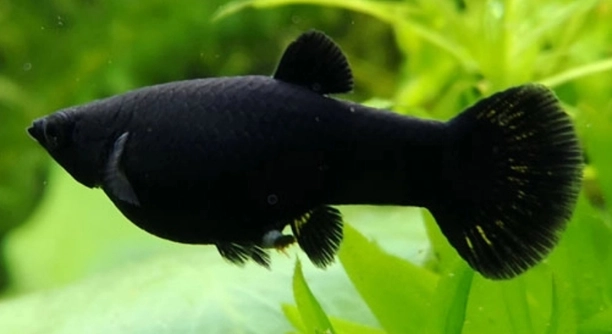
Black Mollies are lively fish that often interact with their environment in unique ways. Observing them rubbing against tank decorations is a common behavior that many aquarists notice early in their fishkeeping journey. This interaction can seem playful or unusual.
Black Mollies rub on decorations primarily to remove excess slime from their bodies and to stimulate their skin. This behavior also helps them explore their environment, maintain comfort, and engage in natural instincts that support overall health and well-being.
Understanding this simple yet natural habit can help you create a more comfortable habitat for your fish and ensure their ongoing happiness.
Why Black Mollies Rub on Decorations
Black Mollies often rub on decorations as part of their natural behavior. This action helps them remove excess slime from their bodies, which can build up over time and cause discomfort. It also stimulates their skin and fins, keeping them healthy. Some fish use decorations to scratch areas that are hard to reach otherwise. The behavior may seem odd at first, but it is entirely normal and indicates that your fish is actively maintaining its well-being. Decorations like rocks, plants, and artificial structures serve multiple purposes: they provide surfaces to rub against, areas to explore, and spots to hide if they feel stressed. Observing them closely, you can see how deliberate and consistent their rubbing is. In addition, this activity can help prevent minor infections by keeping the skin free from irritants. Offering a variety of decorations can encourage more movement and engagement within the tank, supporting both physical and mental health.
This rubbing behavior is a normal part of Black Mollies’ daily activities and helps them maintain healthy skin and fins.
Providing a mix of textures and materials in the tank ensures that your Black Mollies have adequate surfaces for rubbing and exploring. Rocks, driftwood, and dense plants all create stimulating environments. Regular observation will show patterns, such as preferred spots or times of day when rubbing occurs most frequently. By accommodating these natural instincts, you help prevent stress and potential skin issues, while also encouraging gentle exercise. The variety in decorations can also reduce boredom, which is common in confined tanks. Overall, understanding this simple behavior allows you to care for your fish more effectively, creating an environment that supports their physical and mental needs. Consistency in tank setup, cleanliness, and monitoring will make your fish more active and comfortable.
How to Encourage Healthy Rubbing
Providing safe, smooth decorations minimizes the risk of injury while your Black Mollies rub and explore.
Choose materials that are non-toxic and free of sharp edges. Rocks should be polished, and plants should have sturdy leaves. Decorations not only allow rubbing but also create hiding spaces that reduce stress. A balanced tank environment promotes natural behavior and overall health, making your fish more active and vibrant. Regular maintenance ensures that surfaces remain clean and safe for repeated rubbing.
Observing rubbing can also give clues about your fish’s health. Excessive rubbing or targeting one spot repeatedly may indicate irritation or a minor skin issue. Consistent tank care, including proper water conditions and a healthy diet, supports normal behavior and prevents potential problems. Decorations with varied textures encourage gentle exercise, keeping fins strong and skin healthy. Adjusting the tank layout periodically can stimulate exploration and reduce monotony. Overall, maintaining a safe and engaging environment helps Black Mollies thrive, allowing them to express natural behaviors comfortably and without stress. Monitoring their interactions with decorations ensures that any changes in rubbing patterns are quickly noticed and addressed.
Common Surfaces Black Mollies Prefer
Black Mollies tend to favor smooth rocks, driftwood, and broad-leafed plants for rubbing. These surfaces allow them to remove excess slime gently without harming their skin or fins. Soft textures are usually more appealing than rough or sharp surfaces.
Providing a mix of these surfaces encourages natural behavior and keeps your fish engaged. Smooth rocks allow precise rubbing, while driftwood offers multiple angles to reach different body parts. Broad-leafed plants create gentle pressure and can serve as both rubbing and hiding spots. Observing which surfaces your Mollies choose most often helps you understand their preferences and adjust the tank layout accordingly. Some fish may favor one type consistently, while others explore everything available. Including variety prevents boredom and stimulates natural instincts, promoting both mental and physical well-being.
Textures in the tank can influence rubbing frequency and intensity. Softer, polished surfaces tend to attract more rubbing, while rough or jagged materials may discourage repeated contact. Plants with wide, flexible leaves support gentle rubbing and reduce stress, as the fish feel safer when partially hidden. Rotating or changing decorations occasionally keeps the tank interesting and encourages exploration. By monitoring how your Black Mollies interact with these surfaces, you can provide an environment that supports healthy behavior and reduces the risk of skin irritation or accidental injury.
Behavioral Patterns During Rubbing
Black Mollies often rub more during active parts of the day, such as early morning or late afternoon, showing a predictable rhythm.
Rubbing is sometimes combined with other movements, like swimming along surfaces or lightly nudging tankmates. This indicates that it is both a maintenance and exploratory behavior. Some fish repeat the motion on the same spot, suggesting it is part of a routine to clean and stimulate their skin. Patterns may also change depending on tank conditions, such as water quality or the presence of new decorations. Observing these behaviors helps in understanding their health and comfort levels. Fish that rub excessively could be stressed or irritated, while those who rarely rub may need more stimulating surfaces.
This activity also strengthens fins and promotes circulation. Frequent rubbing against different textures allows the fish to maintain flexibility and reduces the risk of minor injuries. It can signal curiosity or interest in the tank layout, especially if they move between decorations systematically. Recognizing these patterns helps you track normal versus abnormal behavior, ensuring that any changes are noticed early. By aligning tank design with these natural routines, you provide a comfortable and safe environment that supports both the physical health and behavioral needs of Black Mollies.
Signs of Over-Rubbing
Excessive rubbing can indicate irritation, poor water quality, or parasites. Mollies may target one spot repeatedly or scrape against hard surfaces more than usual.
Watch for redness, damaged fins, or constant rubbing. These signs suggest the need for closer inspection of tank conditions and fish health.
Adjusting Tank Decorations
Changing the arrangement or adding new textures can influence rubbing behavior. Smooth rocks, driftwood, and broad-leafed plants provide safe surfaces for exploration. Repositioning decorations encourages movement and prevents repetitive stress on one area. Offering variety ensures that your Black Mollies remain active, healthy, and comfortable in their habitat.
Water Conditions and Rubbing
Poor water quality often increases rubbing behavior. High ammonia, nitrite, or incorrect pH can irritate skin, prompting Mollies to rub surfaces more frequently. Maintaining stable, clean water reduces stress and promotes natural behavior, keeping your fish healthier and more comfortable in the tank environment.
FAQ
Why do Black Mollies rub on decorations so often?
Black Mollies rub on decorations to remove excess slime from their bodies and to stimulate their skin. This behavior is natural and helps maintain their overall health. Rubbing also allows them to explore different textures in the tank, which keeps them engaged and active. Some fish have preferred spots or materials, so observing their behavior can help you understand their comfort and preferences. Regular rubbing is usually a sign of a healthy, curious fish.
Is rubbing harmful to my Black Mollies?
When surfaces are smooth and safe, rubbing is not harmful. Mollies may occasionally scratch against decorations to clean themselves, but this usually does not cause injury. Problems arise if decorations are sharp, rough, or abrasive, which can damage fins or skin. It is important to inspect all tank decorations and remove or replace anything that could harm your fish. Smooth rocks, driftwood, and broad-leafed plants are ideal surfaces. By providing safe surfaces, you ensure that rubbing remains a healthy activity.
What types of decorations are best for rubbing?
Smooth rocks, driftwood, and artificial plants with wide, flexible leaves are best for rubbing. These surfaces allow Black Mollies to gently remove slime without scratching or injuring themselves. Decorations with multiple textures offer a range of options for rubbing and exploration. Observing your fish’s preferences helps you choose the most effective surfaces. Decorations that are too rough or sharp can discourage rubbing and may cause accidental injuries. Rotating or adding new surfaces occasionally can keep the tank interesting.
How can I tell if rubbing is excessive?
Excessive rubbing is indicated when a fish targets one area repeatedly or rubs constantly throughout the day. Signs of over-rubbing include redness, torn fins, or irritated skin. Environmental factors, such as poor water quality or the presence of parasites, can trigger this behavior. Monitoring the fish’s activity helps identify patterns that may indicate stress or health issues. If rubbing seems abnormal, checking water parameters, diet, and decorations can help resolve potential causes and restore healthy behavior.
Does rubbing indicate stress or illness?
Sometimes rubbing can signal stress or minor illness, but not always. Environmental changes, parasites, or skin irritation may increase rubbing frequency. Stable water conditions, proper diet, and safe decorations reduce stress and promote normal behavior. Watching your Black Mollies closely helps differentiate between normal exploratory rubbing and signs of discomfort. Early detection of abnormal patterns ensures timely action to prevent health complications and supports long-term well-being.
Can changing decorations reduce excessive rubbing?
Yes, rearranging or adding new textures can help. Different surfaces may encourage more balanced rubbing and prevent repeated stress on one area. Variety in decorations also stimulates exploration, keeping Black Mollies active. Monitoring how they interact with new surfaces allows you to adjust the tank setup according to their needs. Safe, smooth, and flexible decorations are the most effective at supporting healthy rubbing behavior while maintaining comfort.
Does diet affect rubbing behavior?
A balanced diet supports skin and fin health, reducing the likelihood of irritation that causes excessive rubbing. Poor nutrition can lead to weakened skin or slime production, prompting Mollies to rub more frequently. Providing high-quality flakes, pellets, and occasional live or frozen foods ensures that their body remains healthy, which in turn supports normal rubbing patterns. Observing behavior alongside diet adjustments helps maintain a comfortable and active tank environment.
How can I prevent injury during rubbing?
Ensure all decorations are smooth, free of sharp edges, and appropriately sized. Avoid glass or sharp rocks that could cut fins or skin. Dense plants with soft, flexible leaves can provide gentle surfaces for rubbing while also offering hiding spots. Regularly inspecting decorations for damage or rough edges minimizes risk. By maintaining safe surfaces, you allow Black Mollies to continue their natural behavior without harm, keeping the tank both safe and engaging.
Does rubbing help fish health?
Rubbing is beneficial because it removes excess slime, stimulates skin and fins, and encourages gentle exercise. It helps prevent minor infections and supports circulation. Natural exploration through rubbing also reduces stress and boredom. By offering safe surfaces and a variety of textures, you enhance overall physical and mental well-being, allowing Black Mollies to thrive in their environment.
Should I be concerned if my Mollies stop rubbing?
A sudden stop in rubbing may indicate stress, illness, or environmental changes. Check water parameters, tank decorations, and overall fish health. If all conditions are stable, it may simply reflect changes in activity or preference. Close observation ensures that your Mollies remain comfortable, healthy, and engaged in their habitat.
Final Thoughts
Black Mollies rubbing on decorations is a normal and natural behavior that reflects their instinct to maintain healthy skin and fins. Observing this behavior allows you to understand their preferences, such as which textures or surfaces they enjoy most. Smooth rocks, driftwood, and broad-leafed plants are particularly helpful in providing safe areas for rubbing. By offering a variety of surfaces in the tank, you encourage exploration and gentle activity, which benefits both physical and mental health. When decorations are appropriately selected and positioned, the fish can engage in rubbing without risk of injury. Consistency in providing safe and clean surfaces is key to ensuring that rubbing remains a positive and healthy behavior.
Maintaining proper water quality is just as important as the choice of decorations. Poor water conditions, including high ammonia, nitrite, or incorrect pH, can lead to increased rubbing and indicate irritation or stress. Monitoring water parameters regularly and performing timely water changes helps keep the environment stable. A balanced diet also supports skin and fin health, reducing unnecessary rubbing caused by irritation. Observing how your Mollies interact with decorations alongside their activity patterns can help you identify any potential issues early. Minor changes in behavior, such as excessive rubbing or targeting one spot repeatedly, can be an important signal that adjustments to tank conditions or health checks are needed. By combining proper tank maintenance with safe decorations, you create a comfortable and supportive environment that allows Black Mollies to thrive.
Rubbing behavior also has an exploratory component. Mollies often investigate surfaces, which helps them engage with their environment and reduces boredom in a confined space. Offering a variety of textures and periodically adjusting decoration placement encourages movement and prevents repetitive stress on specific areas of their bodies. Safe surfaces with different shapes and textures not only support rubbing but also provide hiding spaces that reduce stress. Understanding this behavior helps in providing a habitat that meets both physical and behavioral needs. By observing, maintaining, and adjusting the tank environment thoughtfully, you ensure that your Black Mollies remain healthy, comfortable, and active, while also enjoying their natural behaviors safely and freely.

Hello,
If you enjoy the content that we create, please consider saying a "Thank You!" by leaving a tip.
Every little bit helps us continue crafting quality advice that supports the health, happiness, and well-being of pets around the world, for pets of all shapes, sizes, and species.
We really appreciate the kindness and support that you show us!