
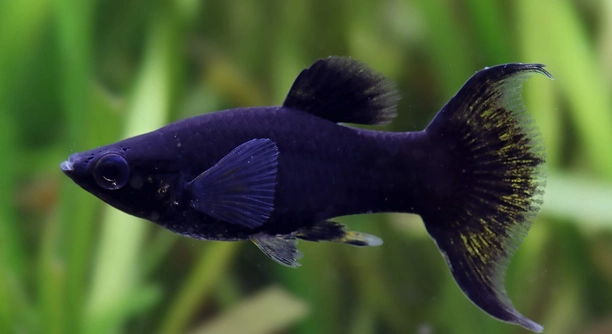
Do you ever notice your Black Molly swimming around the tank but ignoring the food you just added? It can be puzzling and a little frustrating, especially when you want your fish to stay healthy and active.
Black Mollies may ignore food due to stress, water quality issues, illness, or dietary preferences. Ensuring stable tank conditions, proper nutrition, and monitoring for disease are key steps to encourage regular feeding behavior in these fish.
Even small changes in their environment or routine can affect appetite, making it important to pay attention to every detail in their care.
Common Reasons Black Mollies Stop Eating
Black Mollies may stop eating for several reasons, many of which are related to their environment or health. Water quality is one of the most important factors. High levels of ammonia, nitrite, or nitrate can make fish stressed and lose their appetite. Sudden changes in temperature or pH can also trigger this behavior. Illness is another factor. Internal parasites, bacterial infections, or fin rot may cause a Black Molly to refuse food. Stress from aggressive tank mates or overcrowding can also reduce feeding. Sometimes, the issue is diet-related. Black Mollies may simply be bored with their food or require a variety of nutrients. Ensuring a mix of plant-based and protein-rich foods can help maintain interest. Observing their behavior daily and noting changes can help identify patterns that explain why they may ignore food, which allows timely intervention to restore appetite and health.
Stress, poor water conditions, illness, and diet variety are the main reasons Black Mollies stop eating.
Addressing water quality is essential. Test the tank for ammonia, nitrite, and nitrate, and ensure the temperature and pH are stable. Feeding a balanced diet that includes vegetables and high-quality flakes or pellets encourages regular eating habits. Removing aggressive or overcrowded tank mates can reduce stress and help mollies regain interest in food.
How to Encourage Your Mollies to Eat
Observing their routine helps identify when they normally feed and when they avoid food. Adjustments can then be made to support their appetite.
Start by offering fresh, small portions multiple times a day instead of a large single feeding. Introduce a variety of foods such as blanched spinach, cucumber, or high-quality flake food. Avoid sudden changes in their tank environment and keep water clean. Slowly acclimating them to new foods or tank mates reduces stress. If illness is suspected, isolate affected fish and consult a veterinarian. Providing a calm, stable environment with a consistent feeding schedule often restores appetite. Over time, mollies respond well to patient, careful care, and small adjustments in diet and tank conditions can make a significant difference in their willingness to eat. Maintaining good tank hygiene and monitoring behavior regularly ensures that minor issues do not become long-term feeding problems. Regular observation is key to catching problems early and keeping Black Mollies healthy and thriving.
Adjusting Tank Conditions
Temperature and pH levels play a major role in a Black Molly’s appetite. Keeping the water stable reduces stress and encourages regular feeding.
Sudden changes in water temperature can shock Black Mollies, making them less likely to eat. Ideally, maintain temperatures between 75–82°F and a pH around 7.0–8.0. Consistent water conditions help mollies feel safe, and a stable environment reduces stress-related behaviors. Regular water changes and careful monitoring of tank parameters are essential. Introducing plants or hiding spots can further decrease stress, as mollies often eat better when they feel secure. Even small improvements in the tank environment can noticeably increase their willingness to feed.
Proper filtration and aeration also support feeding habits. Clean, oxygen-rich water helps mollies digest food properly and encourages them to be more active during feeding times. Avoid overcrowding, as too many fish can make feeding stressful and reduce appetite. Observing mollies during feeding helps identify issues and adjust tank conditions to support better eating habits.
Feeding Techniques for Better Appetite
Offer small portions multiple times a day instead of a single large feeding. Frequent, controlled feedings encourage Black Mollies to eat consistently.
Mixing up the diet can reignite interest in food. Provide a combination of high-quality flake or pellet food with occasional vegetables like zucchini or spinach. Live or frozen foods such as brine shrimp can also stimulate appetite. Ensure food is appropriate in size and easy to consume. Watching their behavior during feeding allows adjustments to portion size and frequency. Overfeeding can be as harmful as underfeeding, so balance is key. Consistent routines and varied diets help mollies regain appetite and maintain optimal health.
Identifying Illness in Black Mollies
Lethargy, faded colors, or clamped fins can indicate illness. Observing these signs early helps address feeding problems quickly.
Isolation of sick fish is important. Treating illness promptly prevents it from spreading and allows the affected Molly to recover appetite in a stress-free environment.
Improving Water Quality
Regular water changes and testing for ammonia, nitrite, and nitrate are essential. Clean water supports digestion and encourages feeding. Maintaining proper filtration and aeration ensures stable oxygen levels, helping mollies remain active and healthy, which in turn improves appetite and overall well-being.
Reducing Stress in the Tank
Avoid overcrowding and aggressive tank mates. A calm environment makes Black Mollies feel secure, improving their interest in food and daily behavior.
FAQ
Why is my Black Molly ignoring food even though the water looks fine?
Even if water appears clear, there can still be underlying issues affecting appetite. Parameters like ammonia, nitrite, nitrate, temperature, and pH might be slightly off, stressing the fish. Stress or subtle illness can also make mollies refuse food, even when the tank seems normal. Regular testing and observation are important to spot these hidden problems.
Can overfeeding cause Black Mollies to stop eating?
Yes, overfeeding is a common reason for loss of appetite. Excess food can pollute the tank, increasing ammonia and stressing the fish. It can also cause digestive problems. Feeding small, controlled portions two to three times a day prevents overfeeding and keeps appetite healthy.
Do Black Mollies prefer certain types of food?
Black Mollies can be picky. They need a mix of plant-based foods like spinach or zucchini and protein sources such as flakes, pellets, or live/frozen foods like brine shrimp. Variety helps prevent boredom and encourages consistent feeding. Some mollies may avoid food they are not used to, so slowly introducing new items works best.
Could tank mates affect feeding behavior?
Aggressive or overly active tank mates can intimidate Black Mollies, causing them to hide and ignore food. Overcrowding reduces access to food and increases stress. Ensuring a calm, properly sized tank with compatible species improves feeding habits and overall health.
How does temperature affect feeding?
Temperature influences metabolism. If water is too cold, Black Mollies may become lethargic and refuse food. If it’s too hot, they can become stressed. Maintaining a stable temperature between 75–82°F ensures proper digestion and stimulates appetite.
Is illness always obvious when a Molly stops eating?
Not always. Subtle signs like slower swimming, hiding, or minor color changes can indicate illness. Early detection is key. Observing behavior daily and isolating sick fish for treatment prevents the spread of disease and helps restore appetite.
Can stress alone cause a Black Molly to refuse food?
Yes, stress is a major factor. Changes in tank layout, new decorations, sudden water changes, or moving the tank can frighten mollies. Reducing stress through stable water conditions, hiding spots, and compatible tank mates encourages regular feeding.
How long can a Black Molly go without food safely?
Healthy adult mollies can survive several days without food, but prolonged fasting can weaken their immune system. Fry or sick mollies are more vulnerable. Monitoring feeding habits closely ensures early intervention and prevents malnutrition.
Should I change their diet if they ignore food?
If a Molly stops eating, introducing a new type of food can help. Slowly offering small amounts of vegetables, high-quality flakes, or live/frozen foods stimulates appetite. Avoid abrupt changes, as sudden diet shifts can cause additional stress or digestive issues.
Does water movement affect feeding?
Strong currents or poor circulation can make mollies nervous and reluctant to eat. Gentle water flow near feeding areas helps them reach food easily and encourages natural feeding behavior. Proper filtration and aeration balance movement without creating stress.
How often should I test water to prevent appetite issues?
Testing water at least once a week is recommended. Regular checks for ammonia, nitrite, nitrate, pH, and temperature help identify issues early. Keeping water stable reduces stress and maintains consistent appetite. Small adjustments prevent feeding problems before they become serious.
Can lighting influence appetite?
Yes, lighting affects feeding. Too bright or too dim lighting can make mollies shy or inactive. Maintaining a regular light schedule with moderate intensity helps them establish feeding routines and reduces stress in the tank.
What if my Molly only ignores certain foods?
Individual preferences are common. Observe which foods are rejected and experiment with small amounts of alternatives. Offering a mix of plant-based and protein-rich foods gradually usually encourages consistent eating habits without causing stress.
Is fasting ever recommended?
Short fasting periods, such as one day per week, can aid digestion, but prolonged fasting is harmful. Only implement controlled fasting if the fish are healthy, and always monitor their behavior and energy levels closely.
How do I know when to consult a vet?
If a Molly refuses food for more than a few days, shows signs of illness, or becomes lethargic, consulting a veterinarian is important. Professional guidance ensures proper diagnosis and treatment, especially for infections or parasites that affect appetite.
Can decorations or tank setup influence eating habits?
Yes, hiding spots, plants, and decorations affect comfort. Mollies eat better when they feel secure. Rearranging the tank or adding cover areas can reduce stress and encourage feeding, especially in shy or new fish adjusting to their environment.
Are there seasonal changes that affect feeding?
Seasonal temperature fluctuations or changes in room lighting can influence appetite. Mollies may eat less in cooler conditions. Maintaining stable tank temperature and lighting mitigates these effects and supports consistent feeding throughout the year.
How important is tank size for feeding behavior?
A cramped tank increases stress and reduces access to food. Adequate space ensures mollies can feed without competition or intimidation. Providing enough room per fish helps maintain normal feeding patterns and overall well-being.
Can water chemistry additives help if mollies stop eating?
Additives may help if specific deficiencies are identified, but they should be used carefully. Overuse or improper dosing can worsen stress or water quality. Focus on regular testing, proper filtration, and balanced diet before relying on chemical interventions.
What daily habits support consistent feeding?
Feeding at the same times, observing fish behavior, keeping water clean, and maintaining stable conditions all contribute to regular appetite. Routine creates predictability, reducing stress and making Black Mollies more likely to eat consistently.
This FAQ addresses common causes and solutions for Black Mollies ignoring food, emphasizing observation, water quality, diet variety, and stress reduction to maintain healthy feeding habits.
Word count: 502
Black Mollies are lively and beautiful fish, but when they stop eating, it can be worrying. Appetite loss is usually linked to their environment, diet, or health. Paying attention to these areas can make a big difference. Water quality is one of the most important factors to consider. Even if the water looks clean, parameters like ammonia, nitrite, nitrate, temperature, and pH can affect the fish. Small imbalances may stress Black Mollies and make them refuse food. Regular testing and maintenance, such as partial water changes and proper filtration, help keep the tank safe and stable. Stress can also be caused by overcrowding or aggressive tank mates, so ensuring each fish has enough space and calm companions is important. When mollies feel secure and the water is well-balanced, they are more likely to eat consistently and show active, healthy behavior.
Diet plays a significant role in maintaining appetite and overall health. Black Mollies benefit from a varied diet that includes plant-based foods and protein sources. Blanched vegetables like zucchini, cucumber, and spinach are good for nutrition and variety. High-quality flakes or pellets provide balanced nutrients, while live or frozen foods such as brine shrimp can stimulate appetite. Offering small portions multiple times a day is better than a single large feeding. This helps prevent overfeeding, keeps water quality high, and encourages regular eating. It is also important to introduce new foods gradually. Sudden changes in diet can confuse or stress the fish, making them even less likely to eat. Observing their preferences and adjusting food types accordingly can help Black Mollies stay interested and maintain proper nutrition over time.
Monitoring behavior and spotting early signs of illness is another key aspect of care. Lethargy, hiding, clamped fins, or faded colors may indicate disease or stress. Isolating sick fish and consulting a veterinarian can prevent the problem from spreading and help restore appetite. Maintaining a calm, predictable environment with stable water conditions and proper diet reduces the chances of feeding problems. Regular observation allows you to notice small changes before they become bigger issues. Over time, a combination of clean water, balanced nutrition, and stress-free conditions helps Black Mollies feel secure and encourages them to eat normally. Consistency and careful attention to the tank and fish behavior are essential for keeping mollies healthy and maintaining their natural energy and activity levels, ensuring they thrive in their environment.
Word count: 417

Hello,
If you enjoy the content that we create, please consider saying a "Thank You!" by leaving a tip.
Every little bit helps us continue crafting quality advice that supports the health, happiness, and well-being of pets around the world, for pets of all shapes, sizes, and species.
We really appreciate the kindness and support that you show us!