
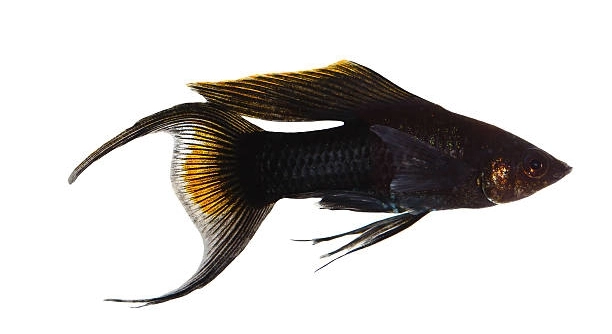
Black Mollies are lively fish that brighten up any aquarium. Their shiny black color adds a striking contrast to plants and decorations, making them a popular choice for fish lovers looking for simple, attractive pets.
Encouraging Black Molly fry growth involves providing a well-maintained tank, balanced nutrition, stable water conditions, and protection from predators. Proper care of the fry, including regular feeding with high-quality food and monitoring environmental factors, supports healthy development and survival rates.
Learning how to care for fry properly ensures they grow strong and healthy. These basic strategies can make a noticeable difference in your aquarium’s success.
Set Up a Safe Breeding Tank
A separate breeding tank is essential when raising Black Molly fry. I found that even with a well-maintained community tank, the fry often got stressed or eaten by adult fish. Using a tank with gentle filtration and hiding spaces like plants or small caves gives them a secure environment. Keeping the water clean and slightly warmer than the main tank encourages better growth. Frequent water changes, about 10 to 15 percent twice a week, help remove toxins that could harm the fry. Lighting should be moderate, not too bright, to reduce stress. I always make sure the tank has a soft substrate or none at all to prevent small fry from getting trapped. Proper aeration is important, but avoid strong currents that can exhaust or injure them. A quiet location for the tank also minimizes stress, letting the fry move freely and explore their new surroundings without fear.
A safe breeding tank prevents fry from being eaten and reduces stress, increasing their survival chances significantly.
Providing a protected environment is the foundation of successful fry growth. Adding live plants like Java moss gives the fry places to hide and feed naturally. I feed tiny portions of finely crushed flake food or specialized fry food several times a day. Monitoring water parameters, especially temperature and pH, ensures stable conditions that mimic their natural habitat. Overcrowding can slow growth, so regular observation and occasional thinning may be necessary. This careful balance of shelter, nutrition, and water quality supports strong, healthy fry development, helping them thrive until they are ready to join the main tank.
Feed High-Quality, Frequent Meals
Black Molly fry need small, nutritious meals multiple times a day. I usually feed them tiny portions that they can finish quickly to avoid fouling the water.
Using a mix of finely crushed flakes and liquid fry food ensures they get enough protein and essential nutrients. Overfeeding can cause water quality problems, so I measure carefully and adjust as they grow. Introducing live foods like baby brine shrimp or microworms a few times a week boosts their growth and strengthens their immune system. Rotating food types also prevents deficiencies and encourages natural hunting behavior. I notice the fry become more active and gain size steadily when I stick to this routine. Maintaining a consistent feeding schedule and observing how much they eat helps prevent leftovers that could pollute the tank. This approach supports healthy development and builds strong, resilient fry ready for the main aquarium.
Maintain Stable Water Conditions
Keeping water conditions stable is key for fry growth. I always check temperature, pH, and hardness daily to make sure they stay within safe ranges. Sudden changes can stress the fry and slow their development.
I aim for a temperature around 78°F to 80°F, which seems to support healthy growth. pH should stay near neutral, between 7.0 and 7.5, and water hardness should be moderate. I use a gentle filter and avoid strong currents that can tire the fry. Regular partial water changes help maintain cleanliness without shocking them. Observing the fry daily lets me notice any signs of stress or illness early. Over time, I realized consistent water quality is more important than fancy equipment, as even small fluctuations can affect their appetite and activity levels. A calm, stable tank environment supports faster growth and reduces mortality rates, keeping the fry active and healthy.
Stable water also prevents diseases and helps fry feed actively. A routine of careful monitoring makes a big difference in survival.
Providing consistent water conditions supports steady growth and reduces stress. I have learned that keeping parameters stable is more effective than occasional corrections. Even minor shifts in temperature or pH can slow metabolism and stunt growth. Regular testing with reliable kits, small but frequent water changes, and careful filtration management prevent harmful spikes in ammonia or nitrites. I also pay attention to tank placement, avoiding direct sunlight or drafts that can create fluctuations. By maintaining stability, the fry remain healthy, grow steadily, and show better color and activity, making the effort worthwhile.
Provide Hiding Places
Fry need hiding spots to feel safe and reduce stress. I add plants, moss, and small decorations so they can explore without fear.
Plants like Java moss or floating greenery offer protection and feeding areas. Hiding places reduce aggressive interactions and give fry confidence to move around. I noticed fry grow faster and behave more naturally when they have places to hide. Rocks or small caves can also create shaded areas, giving the fry options depending on their mood. The more secure they feel, the more willing they are to feed and swim actively. Overcrowding hiding spots is unnecessary; a few well-placed areas are enough. This setup encourages natural behavior and ensures the fry are less likely to be stressed, promoting overall growth and health.
Separate Fry from Adult Fish
Adult Mollies may eat fry if left together. I always move the newborns to a separate tank until they are large enough to avoid being eaten.
Using a breeding box or a tank divider works well if a separate tank isn’t available. Fry grow faster and safer when adults cannot reach them, and it also reduces stress for both the adults and the young fish.
Monitor Growth and Health
I watch the fry daily for signs of illness or slow growth. Any lethargy, discoloration, or unusual behavior can indicate water problems or nutritional deficiencies. Quick action helps prevent major losses. Consistent observation allows me to adjust feeding, water quality, or tank setup to support their development. Healthy fry are more active, feed readily, and show uniform growth. Recording their progress helps track patterns and spot issues early. This careful monitoring ensures the majority of fry reach juvenile size safely and reduces the risk of disease outbreaks or stunted growth caused by environmental stress.
Introduce Live Foods
Live foods like baby brine shrimp boost fry growth and vitality. I include them a few times a week to add variety and protein.
Keep Tank Clean
Regular cleaning removes waste and prevents harmful bacteria. I change small amounts of water frequently to maintain a healthy environment for fry.
FAQ
How often should I feed Black Molly fry?
I feed my fry small portions three to four times a day. They have tiny stomachs, so frequent, small meals prevent leftover food from fouling the water. I rotate finely crushed flakes, liquid fry food, and occasional live foods to ensure balanced nutrition.
Can fry survive in the main tank?
Fry can survive in a community tank, but survival rates are low. I’ve found that adults often eat the babies, and competition for food slows their growth. A separate breeding tank or a tank divider ensures safety and gives them space to feed freely.
What water temperature is best for fry growth?
I keep the water around 78°F to 80°F. This temperature encourages steady growth and activity. Cooler water slows metabolism and feeding, while hotter water can stress fry and encourage algae growth. A stable heater helps maintain this temperature consistently.
How can I prevent disease in fry?
Clean water and proper feeding are the most important. I do frequent small water changes, avoid overfeeding, and quarantine new fish or plants before adding them to the tank. Observing fry daily lets me catch any signs of illness early, such as lethargy or discoloration.
What live foods work best for Black Molly fry?
I use baby brine shrimp, microworms, and infusoria. These tiny, protein-rich foods promote healthy growth. I offer live foods a few times a week and rotate them with crushed flakes or specialized fry food to prevent nutritional gaps.
When can fry join the main tank?
I usually wait until they are at least one inch long. By this size, they are fast enough to avoid being eaten by adults and can compete for food without risk of stunting. Gradually acclimating them to the main tank water helps reduce stress.
Do fry need hiding places?
Yes. I add moss, floating plants, or small decorations. Hiding places reduce stress, encourage natural behavior, and give them areas to rest or escape if needed. Even a few well-placed plants can make a big difference in growth and survival.
How often should I check water parameters?
Daily checks are ideal. I monitor temperature, pH, and hardness to ensure stable conditions. Minor fluctuations can stress fry and slow growth. Using reliable test kits helps me respond quickly to any changes and maintain a safe environment.
Can I use flake food alone for fry?
Flake food works if finely crushed, but I combine it with live or liquid foods for optimal growth. I’ve noticed fry grow faster and are healthier when they receive a mix of proteins, vitamins, and natural nutrients from varied sources.
What is the best tank setup for fry?
A small, quiet tank with gentle filtration, moderate lighting, and hiding spots works best. I add soft substrate or none at all, plants for cover, and maintain stable water conditions. This setup minimizes stress and supports steady growth until they are ready for the main tank.
How do I know if fry are healthy?
Active swimming, steady growth, and regular feeding are good indicators. I watch for consistent size among the group and uniform color. Fry that are lethargic, pale, or stop eating may have water issues or nutritional deficiencies, which I address immediately.
How can I encourage faster growth?
Consistent feeding, stable water, and live foods help. I avoid overcrowding and provide hiding spots, which reduces stress. Maintaining ideal temperature and water quality, along with observing daily for signs of illness, ensures fry grow quickly and remain strong.
Can fry survive with other species?
They can, but only with small, peaceful species. I keep them separate from larger or aggressive fish until they are big enough to swim freely. Fry compete for food and are vulnerable to predation, so a dedicated space improves survival rates.
How long does it take for fry to mature?
Growth varies, but most reach juvenile size in six to eight weeks under optimal conditions. I monitor their size and behavior rather than relying solely on age. Providing stable water, frequent feedings, and protection ensures they reach maturity safely.
What common mistakes should I avoid?
Overfeeding, unstable water, and mixing fry with adults are the most common issues. I avoid sudden temperature changes and overcrowding. Providing a safe environment, consistent nutrition, and daily monitoring prevents stress and promotes healthy growth.
How important is tank location?
Tank placement matters. I keep my fry tank away from direct sunlight, drafts, and high-traffic areas. A quiet, stable environment reduces stress and encourages regular feeding and activity, helping the fry grow consistently and healthily.
Should I use a heater for fry?
Yes. I maintain a stable temperature with a reliable heater. Fry are sensitive to fluctuations, and consistent warmth supports metabolism, feeding, and overall growth. Sudden drops or spikes can cause stress, illness, or slower development.
Do I need special lighting for fry?
Moderate lighting works best. I avoid very bright lights that can stress fry. Gentle lighting supports plant growth and lets me observe the fry’s health and activity without causing unnecessary stress.
How do I handle fry safely?
I use soft nets or cups and handle them minimally. Rough handling can injure delicate fry. When transferring or cleaning, I move small groups carefully to reduce stress and maintain water quality during the process.
Can fry be overfed?
Yes. I measure food carefully and remove uneaten portions. Overfeeding leads to water quality issues, stress, and stunted growth. Frequent small feedings are more effective than one large feeding, keeping the fry healthy and active.
Is water change necessary for fry?
Frequent, small water changes are crucial. I change about 10–15 percent twice a week to remove waste and maintain stability. Large changes can shock fry, so gradual adjustments protect their growth and reduce stress.
How do I acclimate fry to a new tank?
I float them in a bag or cup, gradually adding tank water over 30–60 minutes. This prevents sudden changes in temperature or water chemistry, which can stress or harm the fry. Slow acclimation helps them adjust safely.
Can fry tolerate cooler temperatures?
Fry survive cooler water, but growth slows. I keep them near 78–80°F for optimal metabolism and feeding. Cooler water may reduce activity and delay development, so maintaining stable warmth is important for fast, healthy growth.
Do I need a special filter for fry?
A gentle sponge filter works best. It provides filtration without strong currents that can exhaust or harm fry. I avoid powerful filters and ensure the filter intake is covered to prevent accidental suction.
How long should I keep fry separate from adults?
Until they are large enough to avoid predation, usually around one inch. I monitor size and behavior rather than age alone. Keeping fry protected ensures higher survival and steady growth before introducing them to the main tank.
What are signs of stunted growth?
Slow size gain, pale color, lethargy, and lack of appetite indicate stunted growth. I check water quality, feeding, and tank setup immediately to correct issues. Early intervention helps fry recover and reach healthy size quickly.
Can fry eat adult fish food?
Not immediately. Adult flakes are too large, but crushed flakes or specialized fry food work. I introduce adult food gradually as they grow, ensuring it is small enough to eat and digest properly.
Are plants necessary for fry growth?
Plants aren’t required but greatly improve survival. I use moss or floating plants to provide cover, reduce stress, and allow fry to explore naturally. They also help maintain water quality by absorbing nutrients.
How can I tell if fry are stressed?
Signs include hiding constantly, refusing food, erratic swimming, or staying at the bottom. I check water quality and tank setup immediately. Reducing stress improves growth, feeding, and overall health.
Do fry need oxygen supplements?
Not usually, but I use gentle aeration to maintain water quality. Fry benefit from oxygen-rich water, but strong bubbles or currents can harm them. Sponge filters or gentle air stones work best.
Can fry survive without live food?
Yes, with high-quality powdered or liquid fry food. I include live foods when possible for variety and extra protein, which boosts growth and strengthens their immune system.
How important is pH for fry growth?
pH should be stable around 7.0–7.5. Fluctuations stress fry, slow growth, and can increase susceptibility to disease. I test regularly and adjust carefully when needed.
How do I prevent fry from being bullied?
Providing hiding places, gentle filtration, and avoiding overcrowding helps. I separate fry from adults and aggressive tankmates, ensuring a calm environment that encourages feeding and healthy development.
Can fry survive in small tanks?
Small tanks work if water quality is maintained. I perform frequent water changes and avoid overcrowding. A 10–20 gallon tank is enough for early growth, giving fry space to feed and swim safely.
What’s the ideal water hardness for fry?
Moderate hardness supports growth. I aim for 10–20 dGH. Too soft or too hard water can slow growth or affect health. Maintaining stable water chemistry is more important than hitting exact numbers.
How do I prevent algae growth with fry?
I avoid overfeeding, provide moderate lighting, and add live plants. Small water changes remove excess nutrients. Algae isn’t harmful in small amounts but can compete for oxygen and space if uncontrolled.
Should I use water conditioners?
Yes. I treat tap water to remove chlorine or chloramine before adding fry. Conditioners prevent stress, gill damage, and improve survival rates, keeping the water safe and stable for delicate fry.
How often should I remove uneaten food?
Immediately after feeding if it remains uneaten. I watch carefully to prevent decay, which pollutes water and stresses fry. This helps maintain a clean, healthy environment and supports growth.
Can fry tolerate low light?
Moderate light works best. Low light may reduce activity and feeding. I balance visibility for observation and plant growth without causing stress. Fry remain active and healthy under gentle lighting conditions.
How do I introduce fry to new tankmates?
Gradually, once they are large enough. I monitor interactions carefully, starting with small, peaceful species. Slow introduction prevents bullying, predation, and stress, ensuring fry continue growing safely.
Is it necessary to count fry?
Not strictly, but tracking numbers helps monitor survival and identify problems. I occasionally count or estimate fry during water changes to ensure growth and detect losses early.
How long can fry go without food?
Only a few hours. I feed multiple times daily because their metabolism is fast. Missing meals can stunt growth or weaken immunity, so regular feeding is essential.
Do fry need a lid on the tank?
Yes, to prevent jumping. I noticed fry occasionally leap, especially when startled. A secure lid ensures safety without restricting airflow or light.
How can I improve coloration in fry?
Balanced nutrition, live foods, and stable water support healthy coloration. I avoid stress, overhandling, and poor lighting, which can dull their natural black color. Over time, consistent care brings out strong, vibrant coloration.
What size should fry be before moving to the main tank?
About one inch or larger. At this size, they are fast enough to avoid adults, compete for food, and handle minor water differences, ensuring higher survival and continued healthy growth.
How can I prevent overcrowding?
I remove some fry to another tank or offer them to others once they grow. Overcrowding slows growth, increases stress, and raises water quality issues, so maintaining space is crucial.
Are sponge filters enough for filtration?
Yes, they provide gentle filtration and oxygenation. I avoid strong filters that create currents or suck up fry. Sponge filters are safe, effective, and easy to maintain.
Can fry survive in cooler rooms?
They may survive, but growth slows. I use a heater to keep temperature around 78–80°F. Stable warmth is more important than room size or ambient temperature.
How important is water clarity for fry?
Very important. Dirty water stresses fry, reduces feeding, and encourages disease. I do small, frequent water changes and avoid overfeeding to maintain clear water.
Do fry need special vitamins?
A balanced diet with live and prepared foods usually provides all they need. I occasionally supplement with liquid vitamins if growth seems slow, but proper food and water quality are more important.
Can fry survive with plants only?
Yes, plants provide cover, grazing opportunities, and water quality benefits. I use a mix of moss, floating plants, and fine-leaved species to create a natural, safe environment.
What is the best pH range for fry?
Around 7.0–7.5. I avoid sudden changes, as they stress fry and slow growth. Keeping pH stable is more important than achieving exact numbers.
How do I reduce stress during water changes?
I change small amounts at a time, match water temperature, and avoid sudden shifts in pH or hardness. Fry remain calm, feed regularly, and grow steadily when water changes are gradual.
Can fry tolerate higher temperatures briefly?
Short periods may be okay, but prolonged high temperatures stress them. I aim for consistency around 78–80°F, which supports growth without risk.
How important is protein for fry?
Very important. I use live foods and high-quality fry food to provide protein. Adequate protein supports growth, immune health, and activity levels.
Should I use a net when cleaning the tank?
I handle fry minimally and use soft nets if needed. Rough handling injures delicate fry, so careful cleaning is essential for safety and stress reduction.
Can fry live with snails or shrimp?
Yes, peaceful snails or small shrimp do not harm fry and can even provide natural grazing areas. I avoid larger or aggressive tankmates until fry are bigger.
Do fry need soft water?
Moderate hardness is best. Too soft or too hard water can stress fry or slow growth. Stability matters more than exact numbers.
How often should I test ammonia and nitrites?
Daily, especially in small breeding tanks. I monitor carefully and adjust water changes or filtration to keep levels near zero, preventing stress or death.
What is the best tank size for fry?
A 10–20 gallon tank works well for early growth. I provide space to swim, hide, and feed without overcrowding. Adequate space reduces stress and supports healthy development.
Can fry survive in tap water?
Only if treated. I always use water conditioners to remove chlorine or chloramine. Untreated tap water can harm or kill fry.
Is aeration necessary for fry?
Gentle aeration supports oxygen levels. I avoid strong currents and use sponge filters or soft air stones to maintain a calm, oxygen-rich environment.
How do I know if fry are getting enough food?
Active feeding, steady growth, and healthy coloration indicate sufficient nutrition. I watch for competition, uneaten food, and adjust portions accordingly to ensure all fry are thriving.
Can fry be overcrowded temporarily?
Short periods are okay if water quality is maintained, but prolonged overcrowding causes stress, slows growth, and increases disease risk. I separate fry when numbers are high to maintain healthy development.
How long do I keep fry in the breeding tank?
Until they reach about one inch and can safely join the main tank. Proper timing ensures survival, growth, and reduces stress when moving.
Can fry tolerate fluctuating pH?
No, sudden pH changes stress fry and slow growth. I monitor pH closely and make gradual adjustments when needed to maintain stability.
What are common signs of stress in fry?
Hiding constantly, reduced feeding, lethargy, erratic swimming, or pale color. Addressing water, feeding, or tank setup issues usually resolves stress.
Can fry survive with adult Mollies nearby?
Only with barriers or dividers. Adults may eat fry. I keep them separate until the young are large enough to avoid predation.
How often should I remove debris from the tank?
Regularly during water changes. Uneaten food and waste reduce water quality and increase stress. Frequent cleaning keeps the tank safe and supports growth.
Do fry need daily observation?
Yes, watching behavior, feeding, and growth helps catch problems early. I adjust water, feeding, or tank setup as needed to ensure healthy development.
Can fry survive without hiding places?
They can, but survival and growth are improved with cover. I add moss, plants, or small decorations to reduce stress and support natural behavior.
What is the best diet ratio for fry?
I use mostly protein-rich foods with occasional plant-based flakes or vegetables. Balanced nutrition promotes growth, immune health, and strong development.
Can fry tolerate low oxygen?
Not for long. I maintain gentle aeration and healthy plant cover to ensure sufficient oxygen for active growth.
How can I improve survival rates?
Stable water, proper feeding, hiding places, gentle filtration, and separation from adults are key. Consistent care dramatically increases the number of fry that reach juvenile size.
Can fry live in a high-light tank?
Moderate lighting is better. High light can stress fry, while gentle light supports plant growth and lets me observe the fry safely.
Do fry need temperature monitoring at all times?
Yes. Daily checks or a reliable heater ensure they remain within optimal range. Temperature consistency is crucial for metabolism, feeding, and growth.
How often should I remove dead fry?
Immediately. Dead fry can pollute water and spread disease. Prompt removal keeps the tank clean and safe for the remaining fry.
Can fry survive in untreated aquarium water?
No. I always treat water with conditioners to remove chlorine or chloramine before introducing fry. Untreated water can harm or kill them.
How important is regular feeding for fry?
Very important. Frequent, small feedings support rapid growth, healthy development, and active behavior. Irregular feeding slows growth and weakens immunity.
Should I track fry growth individually?
Not strictly necessary, but tracking groups helps identify slow growers or health issues early. I occasionally measure or estimate size to monitor progress.
Can fry tolerate direct sunlight?
No. Direct sunlight can heat the water, promote algae, and stress fry. I place tanks in a stable, shaded area for optimal growth.
How do I prevent water contamination?
I avoid overfeeding, do regular water changes, quarantine new additions, and remove debris promptly. Maintaining clean water reduces stress and disease.
Do fry need special vitamins?
Usually not if diet is varied. I may supplement with liquid vitamins if growth slows, but food quality and water stability matter more.
Can fry live in community tanks immediately?
Not safely. They are vulnerable to adults and larger fish. I keep them separate until they are large enough to avoid predation.
Raising Black Molly fry can feel challenging at first, but it becomes manageable once you understand their basic needs. Providing a safe and separate breeding tank is the first step. Fry are very small and vulnerable, and keeping them apart from adult fish reduces stress and prevents them from being eaten. Using a tank with gentle filtration, moderate lighting, and some hiding places helps create an environment where fry feel secure. Frequent small water changes keep the water clean, removing toxins and maintaining stable conditions. Over time, I noticed that consistent attention to these basics allowed the fry to grow steadily without major health issues. Even simple setups can work well if the water remains stable and the fry have space to feed and swim freely.
Feeding is another important aspect of fry care. Small, frequent meals are better than large portions, as fry have tiny stomachs and cannot handle much food at once. I usually rotate between finely crushed flakes, liquid fry food, and live options like baby brine shrimp or microworms. This variety ensures they receive enough protein, vitamins, and nutrients to support growth. Overfeeding can cause water quality problems, so measuring portions carefully is necessary. Watching the fry while they feed also helps to notice if some are not eating enough. Fry that eat consistently tend to grow faster, develop healthier coloration, and appear more active. Maintaining a regular feeding schedule along with clean water and a stress-free environment creates the conditions they need to thrive.
Monitoring the fry daily is key to their long-term health. Observing their behavior, swimming patterns, and color can reveal early signs of stress or illness. Fry that are hiding constantly, swimming erratically, or refusing food may need attention. Adjusting water parameters, improving feeding routines, or providing additional hiding spots can resolve many problems before they become serious. I also keep track of growth and size, which helps determine when the fry are ready to join the main tank. Keeping them in a stable environment, providing balanced nutrition, and watching closely allows most fry to reach juvenile size safely. With patience and consistent care, raising Black Molly fry is a rewarding experience that results in healthy, active fish that will thrive in your aquarium for years.

Hello,
If you enjoy the content that we create, please consider saying a "Thank You!" by leaving a tip.
Every little bit helps us continue crafting quality advice that supports the health, happiness, and well-being of pets around the world, for pets of all shapes, sizes, and species.
We really appreciate the kindness and support that you show us!