
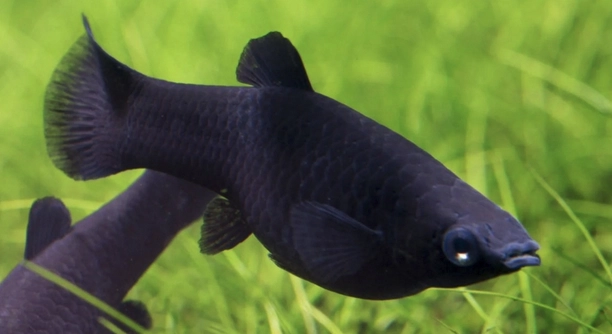
Are your black molly fish frequently flicking their fins, creating a fluttering motion that seems unusual? This behavior can be subtle at first but becomes noticeable over time, signaling possible changes in their environment or health.
Fin flicking in black mollies is commonly caused by stress, poor water quality, parasites, or irritation. In some cases, it may indicate territorial behavior, nutritional deficiencies, or minor injuries. Identifying the exact cause requires careful observation and maintaining optimal tank conditions.
Understanding why your molly flicks its fins can help maintain its health and comfort. These explanations will guide you in addressing the causes effectively.
Stress and Overcrowding
Black mollies are sensitive to their surroundings, and overcrowded tanks can create stress that leads to constant fin flicking. They need space to swim freely and establish small territories. Overcrowding can also increase aggression, causing them to display restless or nervous behaviors. Providing enough room and hiding spots can reduce stress levels significantly. Observing your tank frequently helps identify tension among fish and prevent fights. Adjusting the number of mollies or rearranging decorations often helps them feel secure. Proper filtration and regular water changes also contribute to a calmer environment. Stress affects their appetite, immune system, and overall behavior, making it essential to address tank conditions promptly.
Overcrowded conditions make mollies anxious, resulting in flicking fins and restless swimming. Reducing population density improves their comfort and minimizes tension.
Creating a stable environment requires monitoring tank size, fish number, and behavior patterns. Each molly reacts differently, so adjustments may take time. Adding plants or decorations offers shelter and encourages natural exploration. Regular water tests ensure parameters stay within safe ranges. This careful approach helps mollies feel secure, reducing unnecessary fin flicking and promoting healthy social interactions. Observing changes daily lets you respond quickly to stress signals before problems escalate, maintaining a peaceful tank dynamic.
Water Quality Issues
Poor water quality can irritate mollies, triggering fin flicking as they react to discomfort. Ammonia, nitrite, and nitrate spikes are common causes, along with inconsistent pH or temperature fluctuations.
Maintaining clean water is critical for mollies’ health. Regular testing and partial water changes prevent fin flicking and other stress-related behaviors.
Testing your water weekly ensures levels remain stable, avoiding sudden shifts that disturb mollies. Filtration systems should be checked and maintained to remove debris and toxins efficiently. Temperature consistency is also vital, as mollies are sensitive to both heat and cold shocks. In addition to chemical balance, physical cleanliness matters—removing uneaten food, debris, and dead plants reduces contamination. By creating a stable, clean environment, fin flicking caused by water issues can be minimized. Attentive care promotes stronger immunity and calmer behavior, letting your black mollies thrive in a healthy, comfortable tank without unnecessary stress.
Parasites and External Irritations
Flicking fins can indicate parasites or irritation on a molly’s skin. Ich, flukes, and other external parasites cause discomfort, making the fish rub against surfaces and move erratically.
Parasites attach to the skin or gills, leading to irritation, redness, and excessive fin flicking. Black mollies may also scrape against decorations or the substrate to relieve itching. Prompt detection is essential, as infestations can spread quickly to other tank inhabitants. Treatments vary depending on the type of parasite and may include medicated baths, salt treatments, or adjusting water conditions. Maintaining good hygiene and quarantining new fish prevents infestations. Observing your fish daily helps catch early signs of parasites before they worsen.
Regular observation and early treatment are crucial for managing external irritations. Monitoring for subtle changes in swimming, fin flicking, or spots on the body ensures timely action. Combining proper treatments with preventive care maintains a healthy tank and minimizes stress, supporting mollies’ overall well-being.
Nutritional Deficiencies
Lack of essential nutrients can make black mollies exhibit unusual behaviors, including frequent fin flicking. A balanced diet supports their energy and immune system.
Feeding mollies a varied diet rich in vitamins and minerals reduces stress and abnormal movements. Relying solely on flake food can leave gaps in nutrition, so supplementing with frozen, live, or high-quality pellets helps. Nutrient deficiencies often manifest in behavior changes, slower growth, and weakened health. Observing your fish’s activity and condition can reveal dietary gaps early. Rotating foods and including plant-based options like spirulina or blanched vegetables ensures a more complete diet. Healthy nutrition strengthens fins, supports coloration, and reduces nervous behaviors, promoting calm and active swimming patterns.
Attention to diet directly influences fin flicking behavior. Providing consistent, high-quality nutrition allows mollies to thrive physically and mentally. Tracking feeding habits, adjusting portions, and ensuring access to fresh food prevents overfeeding and nutrient imbalances. Proper nutrition also enhances immunity, making mollies less susceptible to infections and stress. Combining a well-rounded diet with clean water and a comfortable environment reduces fin flicking and encourages natural behavior. Observing how mollies respond to dietary improvements helps refine feeding routines for optimal health and activity levels.
Territorial Behavior
Black mollies often flick their fins when establishing or defending territory. This behavior is more noticeable in males competing for space or dominance.
Providing ample swimming areas and hiding spots reduces aggression and fin flicking. Proper tank layout helps mollies coexist without constant stress.
Minor Injuries
Fins can be delicate, and minor tears or scrapes cause flicking as the fish tries to soothe discomfort.
Monitoring tank decorations and avoiding sharp objects prevents further damage. Injuries usually heal with clean water and careful observation.
Temperature Fluctuations
Sudden changes in water temperature can stress black mollies, leading to fin flicking. Stable temperature helps maintain normal behavior.
Maintaining a consistent, appropriate temperature range is essential. Using a reliable heater and thermometer ensures the tank remains stable, preventing unnecessary stress on mollies.
FAQ
Why does my black molly keep flicking its fins constantly?
Constant fin flicking usually signals stress, irritation, or discomfort. Causes may include overcrowding, poor water quality, parasites, minor injuries, or nutritional deficiencies. Observing your tank conditions, fish behavior, and diet closely helps identify the specific reason. Corrective measures often involve adjusting water parameters, improving diet, and ensuring enough space.
Can fin flicking indicate a serious health problem?
Yes, persistent or intense fin flicking can reflect serious health issues, such as external parasites or infections. If accompanied by lethargy, discoloration, or loss of appetite, immediate action is necessary. Treating the underlying condition quickly prevents worsening symptoms and protects other tank inhabitants.
How can I reduce stress in my black mollies?
Stress can be minimized by maintaining stable water conditions, providing enough swimming space, and creating hiding spots with plants or decorations. Limiting sudden changes in temperature or tank arrangement also helps. Regular water testing and partial water changes maintain a healthy, calm environment.
Is diet related to fin flicking?
Yes, poor nutrition can contribute to fin flicking. A diet lacking essential vitamins and minerals weakens fins and causes behavioral changes. Supplementing flake food with frozen, live, or vegetable-based options ensures balanced nutrition, supporting both health and calm behavior.
Could water quality be the reason for flicking fins?
Absolutely. High ammonia, nitrite, or nitrate levels, as well as inconsistent pH or temperature, irritate mollies. Regular testing, filtration maintenance, and partial water changes prevent these issues. Clean water reduces fin flicking and helps mollies remain healthy and active.
Do mollies flick their fins because of social behavior?
Yes, black mollies can flick their fins as part of territorial or social displays. Males may compete for dominance, while all fish establish personal space. Providing adequate tank size and visual barriers reduces aggression and fin flicking.
How long does it take for fin flicking to stop after correcting problems?
Behavior improvement depends on the underlying cause. Minor stress or water issues may resolve in a few days. Nutritional improvements or parasite treatment may take longer. Continuous observation ensures the fish recover fully and helps prevent recurrence.
Can fin flicking be a sign of breeding behavior?
Sometimes. During mating, males display more fin movements to attract females or assert dominance. Observing other behaviors, such as chasing or color changes, can indicate breeding rather than stress.
Should I separate a flicking molly from others?
Separation is recommended if aggressive interactions occur or if the flicking fish is injured or weakened. Quarantine allows treatment, reduces stress, and prevents further injuries while monitoring recovery.
What preventive measures stop fin flicking from occurring frequently?
Maintaining stable water quality, providing a balanced diet, avoiding overcrowding, and minimizing sudden environmental changes prevent most causes of fin flicking. Regular observation, proper tank setup, and early detection of health issues keep black mollies comfortable and calm.
Are there specific signs to watch that indicate fin flicking is serious?
Yes. Intense flicking accompanied by clamped fins, lethargy, rapid breathing, white spots, or abnormal swimming indicates serious issues. Immediate attention is required to treat infections, parasites, or other health problems and prevent worsening.
Can I treat fin flicking at home?
Many causes can be managed at home, including improving water quality, adjusting diet, or isolating aggressive tankmates. Parasite treatments or medicated baths are also possible with proper guidance. However, persistent or worsening symptoms may require professional advice.
Does tank size affect fin flicking?
Tank size directly impacts fin flicking. Crowded conditions increase stress and aggression, leading to constant fin movement. Ensuring adequate space and hiding spots allows mollies to establish territories, reducing unnecessary flicking and promoting calmer behavior.
How do decorations and plants influence fin flicking?
Decorations and plants provide shelter, reduce visual stress, and allow natural behaviors. Well-placed plants and hiding areas help mollies feel secure, lowering stress-induced fin flicking while encouraging exploration and comfortable social interactions.
Can water temperature swings trigger fin flicking?
Yes, black mollies are sensitive to temperature fluctuations. Sudden changes can cause stress, resulting in frequent fin flicking. Maintaining a stable temperature with a reliable heater and thermometer prevents these disturbances and supports normal behavior.
How often should I monitor my mollies for fin flicking?
Daily observation is best. Even slight changes in behavior can indicate stress or health issues. Early detection allows quick intervention, preventing more serious problems and ensuring the fish remain healthy and active in the tank.
Are there long-term effects if fin flicking continues unchecked?
Persistent fin flicking indicates ongoing stress or health issues. If unresolved, it can weaken the immune system, increase susceptibility to disease, and affect growth. Prompt correction of environmental or dietary problems supports long-term health and normal behavior.
Does lighting in the tank affect fin flicking?
Excessive or inconsistent lighting can stress mollies, contributing to fin flicking. Providing a natural day-night cycle and avoiding overly bright or flashing lights reduces stress and encourages calmer behavior.
Can other fish trigger fin flicking in black mollies?
Yes, aggressive or overly active tankmates can provoke flicking as a stress response. Ensuring compatible species and observing interactions helps reduce aggression and unnecessary fin movements.
Is it normal for juvenile mollies to flick their fins more than adults?
Juveniles may flick fins more frequently due to high energy, exploration, or establishing territories. Behavior usually stabilizes with maturity, but environmental factors still influence fin movements at all ages.
Can I use supplements to reduce fin flicking?
Supplements like vitamins or minerals can help if dietary deficiencies cause fin flicking. Using high-quality flakes, pellets, or added plant-based foods ensures a balanced diet, promoting fin health and calmer behavior.
How do I differentiate between stress flicking and breeding flicking?
Stress flicking is usually constant and accompanied by other signs like clamped fins or erratic swimming. Breeding flicking is situational, often paired with chasing or color changes. Observing context and other behaviors clarifies the cause.
Does water hardness affect fin flicking?
Yes, black mollies prefer moderately hard water. Extremely soft or hard water can cause discomfort, leading to fin flicking. Regular testing and adjustments help maintain suitable hardness and prevent stress-related behaviors.
How do I safely medicate a fish with flicking fins?
Medications should match the identified problem, whether parasites or bacterial infections. Follow dosage instructions carefully and monitor the fish. Isolating the affected molly can prevent exposure to other tankmates and improve recovery outcomes.
Can sudden loud noises or vibrations cause fin flicking?
Yes, mollies are sensitive to vibrations and loud sounds. Sudden disturbances may trigger temporary fin flicking. Minimizing external disturbances and maintaining a calm environment reduces stress-induced behavior.
What signs show improvement after correcting fin flicking causes?
Reduced flicking, calmer swimming, normal feeding, and improved coloration indicate positive changes. Continuous observation confirms recovery and ensures no underlying issues persist.
How long should I wait to see changes after improving conditions?
Minor stress or environmental changes can show improvement in a few days. Dietary adjustments or parasite treatment may take longer. Consistency and careful monitoring are key to ensuring lasting results.
Can fin flicking be completely prevented?
While some natural flicking occurs, most stress- or irritation-related flicking can be minimized. Proper tank care, diet, compatible tankmates, and stable water conditions prevent frequent or excessive fin flicking.
Are there any natural remedies to calm flicking mollies?
Adding live plants, gentle water flow, or using aquarium salts in small amounts can reduce irritation and stress. These measures complement proper tank maintenance and diet to support fin health.
How do I know if the fin flicking has become aggressive behavior?
Aggressive flicking is usually directed at other fish, often accompanied by chasing or nipping. Separating aggressive individuals or adding visual barriers prevents injuries and reduces stress in the tank.
Does seasonal change affect fin flicking?
Seasonal temperature or light changes may influence stress levels, causing increased flicking. Maintaining consistent temperature and lighting conditions mitigates these effects and keeps behavior stable.
Can overfeeding cause fin flicking?
Yes, overfeeding leads to poor water quality, which irritates mollies and triggers fin flicking. Feeding measured portions and removing uneaten food maintains water quality and reduces stress-induced behavior.
Are some black mollies more prone to fin flicking than others?
Individual temperament varies. Some mollies are naturally more active or territorial, showing more fin flicking. Understanding each fish’s behavior helps tailor tank management and prevent stress.
Does tank cleaning frequency matter for fin flicking?
Yes, irregular cleaning allows waste buildup, stressing mollies and causing fin flicking. Regular maintenance, including substrate vacuuming and filter care, promotes a healthy environment and reduces unnecessary movements.
Can fin flicking be contagious?
Fin flicking itself is not contagious, but underlying causes like parasites or infections can spread. Isolating affected fish and treating the tank prevents transmission and protects all inhabitants.
Should I change tankmates if fin flicking persists?
Changing aggressive or incompatible tankmates can reduce stress and unnecessary flicking. Observing interactions and ensuring species compatibility supports a peaceful and healthy tank environment.
Is fin flicking more common in smaller tanks?
Yes, limited space increases stress and territorial disputes, making fin flicking more frequent. Providing adequate tank size and hiding areas helps mollies feel secure and reduces repetitive fin movements.
How important is quarantine for new mollies?
Quarantine prevents parasites, infections, or stress from new fish affecting existing tank members. A 2-4 week period allows observation and ensures the new mollies are healthy before introducing them to the main tank.
Can medications harm the fins if used incorrectly?
Improper dosing or prolonged use of medications can damage delicate fins and cause additional stress. Following instructions carefully and monitoring the fish prevents complications while addressing health issues effectively.
Do older mollies flick their fins less often?
Generally, older mollies are calmer and flick less, but stress, health issues, or environmental changes can still trigger fin flicking. Monitoring their behavior remains important throughout their life.
Are there signs that fin flicking is normal behavior?
Occasional flicking during swimming, mild display in males, or slight movement in calm conditions is normal. Persistent, erratic, or intense flicking indicates stress or irritation that should be addressed.
How can I tell if flicking is caused by water flow?
Excessive current or uneven water flow can irritate mollies. Observing where and when flicking occurs, especially near filters or pumps, helps identify flow-related stress. Adjusting water movement reduces discomfort.
Does tank shape influence fin flicking?
Narrow or cramped tanks limit swimming space and increase stress, leading to flicking. Wider tanks with open swimming areas and corners for hiding promote natural movement and reduce unnecessary fin movements.
Can fin flicking be a sign of aging?
Some flicking may occur with age due to slower response and delicate fins, but persistent flicking is usually linked to environmental or health issues rather than aging alone.
Are there environmental enrichments that reduce fin flicking?
Adding plants, rocks, and decorations creates hiding spots and stimulates natural behavior. Enrichments reduce stress, allow exploration, and minimize fin flicking caused by boredom or discomfort.
How often should I check for parasites to prevent fin flicking?
Weekly observation and periodic inspection during water changes help detect early signs of parasites. Prompt treatment prevents infestations and reduces irritation-induced fin flicking.
Do fin nips from other fish cause flicking?
Yes, nipping or chasing triggers flicking as the fish reacts to injury or stress. Separating aggressive individuals and ensuring proper tank density prevents repeated irritation.
Can flicking fins heal on their own?
Minor fin tears may heal with proper water quality, nutrition, and reduced stress. Monitoring recovery and maintaining optimal conditions ensures full healing and prevents further complications.
Are black mollies more sensitive than other species?
Black mollies are moderately sensitive to water quality, overcrowding, and diet. Their flicking behavior often reflects discomfort sooner than hardier species, making attentive care essential.
Does the age of the tank affect fin flicking?
New tanks with unstable parameters or insufficient cycling can stress mollies, causing flicking. Mature, well-maintained tanks with stable conditions reduce stress-induced behaviors.
Is fin flicking more noticeable at certain times of the day?
Mollies may flick more during feeding, activity bursts, or when interacting with others. Observing patterns helps distinguish normal behavior from stress or health issues.
Can fin flicking indicate internal health issues?
Occasionally, internal problems like bacterial infections or organ stress can cause fin flicking. Monitoring appetite, growth, and activity alongside flicking helps identify internal health concerns early.
Should I adjust lighting to reduce fin flicking?
Yes, consistent lighting with a natural day-night cycle reduces stress and supports normal behavior. Avoid bright, flickering, or sudden light changes to minimize unnecessary fin movement.
Are some water additives harmful to fins?
Incorrect use of additives, like overdosing salts or chemicals, can irritate fins. Following instructions carefully and testing water after treatment prevents harm and supports recovery.
Can flicking fins affect other fish?
Flicking itself doesn’t harm others, but stress signals or disease spread from the affected fish can impact tankmates. Maintaining a healthy environment protects all fish.
How can I tell if flicking is temporary or chronic?
Temporary flicking occurs briefly due to minor disturbances or changes. Chronic flicking is persistent, frequent, and often linked to stress, injury, or illness. Observing patterns over days helps determine severity.
Does tank filtration type matter for fin flicking?
Yes, strong or uneven flow can irritate fins. Properly adjusted filters and gentle circulation minimize stress and reduce flicking caused by turbulence.
Can flicking fins be a form of communication?
In some cases, fin flicking signals dominance, submission, or readiness to mate. Context and accompanying behaviors clarify whether flicking is communication or a stress response.
Should I consult a veterinarian for flicking fins?
If fin flicking persists despite optimal conditions, shows signs of disease, or affects multiple fish, consulting an aquatic veterinarian ensures proper diagnosis and treatment.
Do seasonal water changes affect fin flicking?
Sudden seasonal temperature or chemistry changes may increase stress and flicking. Gradual adjustments and monitoring maintain stability and reduce behavioral issues.
Can flicking fins be a genetic trait?
Some individual mollies may naturally flick fins more due to temperament or genetics, but extreme or persistent flicking usually indicates environmental or health problems.
Are fin clamping and flicking related?
Yes, fin clamping often accompanies flicking when fish are stressed or unwell. Monitoring both behaviors helps identify underlying causes early.
Does tank lighting duration matter?
Yes, maintaining consistent light cycles prevents stress. Abrupt changes or overly long lighting periods can increase fin flicking and affect overall well-being.
Can overstocking lead to permanent fin damage?
Yes, constant aggression and stress in overcrowded tanks can tear fins and cause long-term damage. Adequate space and compatible tankmates prevent this.
Is fin flicking more common in certain water pH levels?
Extremes in pH can irritate mollies, leading to flicking. Maintaining a moderate and stable pH suitable for black mollies minimizes stress-related behavior.
How does water hardness impact flicking?
Incorrect hardness levels stress mollies, potentially causing fin flicking. Regular testing and adjustment maintain optimal hardness for comfort and health.
Can flicking indicate male aggression?
Yes, males may flick fins to assert dominance or attract females. Proper spacing and hiding spots reduce conflict and unnecessary flicking.
Are there natural calming methods for flicking mollies?
Adding live plants, reducing strong currents, and maintaining stable water conditions help calm flicking mollies without medications.
How long should I isolate a flicking molly?
Isolation continues until the fish recovers or the cause is resolved. Monitoring behavior and health ensures safe reintegration.
Does tank substrate type affect fin flicking?
Sharp or rough substrates can injure fins, prompting flicking. Smooth sand or rounded gravel reduces damage and promotes safe swimming.
Can lighting color influence fin flicking?
Bright or unnatural lighting can stress mollies. Natural, soft lighting reduces irritation and unnecessary fin movements.
How do I know if flicking is stress-related or injury-related?
Stress-related flicking is accompanied by rapid swimming or hiding, while injury-related flicking often shows visible fin damage or scraping. Observing both behavior and appearance clarifies the cause.
Does tank location matter?
High-traffic or noisy areas increase stress and flicking. Placing the tank in a quiet, stable environment helps mollies feel secure.
Are fin supplements effective for healing?
Yes, vitamins and minerals support fin regrowth and strength, especially when combined with clean water and low-stress conditions.
Can flicking fins indicate poor oxygen levels?
Low oxygen can stress fish, increasing fin flicking. Ensuring proper aeration and circulation prevents oxygen-related behavior changes.
Do different molly strains flick differently?
Individual strains may have slight behavioral differences, but excessive flicking usually points to environmental or health issues rather than genetic variation.
Can flicking fins affect breeding success?
Yes, stressed fish with frequent flicking may be less likely to breed successfully. Reducing stress improves overall reproductive behavior and success.
How do I track improvement after interventions?
Observe fin flicking frequency, swimming behavior, appetite, and interactions daily. Noting changes over time indicates recovery and helps refine care strategies.
Should I remove decorations if flicking persists?
Only if they cause injuries or limit swimming space. Otherwise, decorations provide shelter and reduce stress-related flicking.
Does water flow from the filter cause flicking?
Strong or uneven flow can irritate mollies. Adjusting flow reduces stress and unnecessary fin movement.
Can flicking fins signal imminent illness?
Persistent flicking with other symptoms may indicate illness. Early observation and treatment are key to preventing serious health problems.
Is flicking normal during feeding?
Occasional flicking during feeding is natural excitement. Persistent or erratic flicking outside feeding times suggests stress or irritation.
Does tank size change affect behavior?
Smaller tanks increase stress and flicking. Providing adequate space reduces aggressive interactions and promotes calm swimming.
Can flicking fins heal without intervention?
Minor stress-induced flicking may stop once conditions stabilize. Chronic or injury-related flicking usually requires active correction to prevent complications.
How often should I test water to prevent flicking?
Weekly testing of ammonia, nit
Black mollies are sensitive fish, and frequent fin flicking is a clear indicator that something in their environment or health needs attention. This behavior can stem from multiple factors, including stress, water quality issues, parasites, minor injuries, or nutritional deficiencies. Observing your fish closely and monitoring their tank regularly allows you to identify these triggers early. By maintaining stable water conditions, providing enough space, and ensuring a balanced diet, you create an environment where your mollies can thrive. Over time, small changes can lead to noticeable improvements in their behavior and overall health. Understanding the root cause is crucial, because fin flicking is often a signal that the fish is trying to communicate discomfort.
Proper tank management plays a central role in reducing fin flicking. Regular water testing ensures that ammonia, nitrite, nitrate, and pH levels remain within safe limits. Clean water minimizes irritation and prevents the spread of parasites or infections. Maintaining a suitable temperature range and gentle water flow also helps mollies feel comfortable. Decorations, plants, and hiding spots contribute to a stress-free environment, allowing each fish to establish its own territory. Attention to tankmates is equally important, as aggression or overcrowding can increase tension and fin flicking. By combining these measures, you can maintain a calm and healthy tank that supports natural behavior while reducing unnecessary stress.
Diet and nutrition are another critical factor to consider. Mollies require a varied diet that includes high-quality flakes, pellets, live or frozen foods, and plant-based options to meet their vitamin and mineral needs. Nutritional deficiencies can weaken fins, cause unusual behavior, and compromise the immune system. Observing feeding habits and ensuring that all fish receive enough food without overfeeding is important. If parasites or minor injuries are present, proper treatment, isolation when necessary, and maintaining water hygiene will promote recovery. Overall, consistent observation, proper care, and attention to environmental and dietary needs are key to reducing fin flicking and supporting the long-term health and comfort of your black mollies.

Hello,
If you enjoy the content that we create, please consider saying a "Thank You!" by leaving a tip.
Every little bit helps us continue crafting quality advice that supports the health, happiness, and well-being of pets around the world, for pets of all shapes, sizes, and species.
We really appreciate the kindness and support that you show us!