
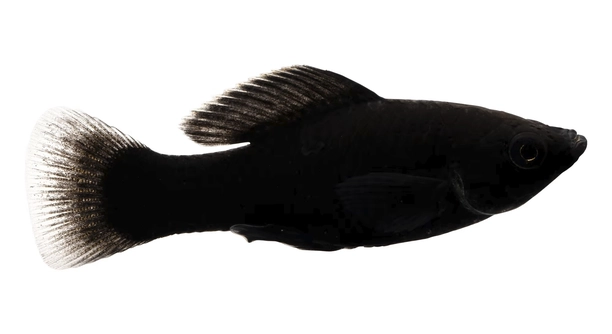
Black mollies are popular freshwater fish known for their calm nature and shiny black coloring. Many fish owners enjoy keeping them because they are hardy, adaptable, and bring life to home aquariums with their gentle presence.
Black mollies show a clear preference for fine sand over coarse gravel. Sand allows for natural foraging behavior, reduces the risk of injury to their delicate fins, and creates a more comfortable environment that closely mimics their natural habitat.
Choosing the right substrate can greatly influence your black molly’s well-being and daily behavior in the tank. Small adjustments to their environment can make a noticeable difference in their comfort and health.
Why Substrate Matters for Black Mollies
The substrate in your aquarium is more than just decoration. It affects water quality, fish behavior, and overall health. Black mollies naturally live in shallow, sandy areas, so a soft substrate is closest to their natural habitat. Sand allows them to sift and explore without harming their delicate fins. Gravel, while common, can trap waste and debris, making cleaning harder and potentially increasing ammonia levels. Uneven or sharp gravel can lead to minor injuries or stress, affecting your fish’s behavior. Providing a proper substrate helps them feel secure and encourages natural movement. Many aquarists notice black mollies are more active and display vibrant colors when they have a comfortable bottom. Plants and decorations also root better in sand, giving your tank a more stable and natural ecosystem. Overall, the right substrate is a simple step that greatly improves your fish’s quality of life.
Sand is generally safer for black mollies and keeps the tank cleaner. It also encourages natural foraging and movement.
Choosing the proper substrate also impacts maintenance and tank appearance. Sand compacts more naturally and prevents gaps where food might get stuck, reducing the risk of bacteria build-up. It supports plant roots better than gravel, allowing aquatic plants to thrive, which in turn improves oxygen levels. Black mollies interact with their environment constantly, exploring and grazing on algae. A soft, even surface minimizes stress and promotes consistent swimming patterns. Over time, a well-chosen substrate makes cleaning easier and reduces sudden changes in water chemistry. Gravel can shift with strong currents, while sand settles evenly and creates a predictable environment. Observing black mollies on the right substrate shows how small changes can influence behavior and overall well-being. By understanding these factors, you can make informed choices that benefit both your fish and the aesthetic of your tank.
How to Set Up a Sand Substrate
Switching to sand requires careful preparation to avoid clouding or damage. Wetting the sand before adding it helps reduce dust. Rinse thoroughly until water runs clear to remove fine particles.
Layering about one to two inches is sufficient, allowing enough depth for rooting plants and natural movement. Avoid compacting it too tightly; black mollies like to sift and explore. Adding decorations, plants, and hiding spots on top of the sand helps them feel secure. Sand also works well with filtration systems if positioned properly, preventing suction or clogging issues. Gradually transitioning your tank from gravel to sand can reduce stress for your fish. Monitoring water parameters during the switch ensures ammonia and nitrate levels remain safe. Proper lighting enhances the sand’s natural color and shows off your black mollies’ vibrant hues. In the end, setting up sand carefully creates a stable and comfortable environment for your fish, improving both health and daily activity.
Feeding Behavior on Different Substrates
Black mollies feed better on sand because it allows them to sift through fine particles naturally. Gravel can trap food and make it harder for them to find, sometimes leading to wasted nutrition and leftover debris in the tank.
Sand mimics the environment where black mollies naturally search for food. They gently dig and filter small particles, which is their instinctive way to eat. On gravel, leftover bits often settle in gaps, causing water quality issues. Feeding on sand also encourages movement and keeps the fish active. Observing their natural foraging behavior is easier, and they appear calmer compared to being on gravel, where awkward swimming around stones can increase stress. Proper feeding behavior promotes healthier growth and better coloration over time.
Gravel can be useful in decorative tanks, but it requires more maintenance. Food stuck between rocks may decay quickly, attracting algae or bacteria. On sand, uneaten food remains visible and easier to remove. Additionally, black mollies tend to display more consistent behavior and less aggression when the substrate supports their natural grazing habits. A soft, sandy bottom reduces stress on fins and allows for smooth movement, helping fish stay healthy and vibrant.
Tank Maintenance and Water Quality
Sand simplifies cleaning since debris mostly stays on top and is easy to remove with a siphon. Gravel often traps waste and can hide problems until they escalate.
Regular maintenance is essential regardless of substrate type, but sand makes it easier to monitor water conditions. Uneaten food, fish waste, and plant debris remain more accessible for removal, reducing harmful ammonia spikes. Gravel requires frequent stirring to avoid buildup, which can stress black mollies. Sand also allows beneficial bacteria to thrive near the surface, supporting the nitrogen cycle naturally. Observing water clarity and testing parameters becomes more straightforward, making long-term care less stressful.
Choosing sand over gravel also enhances tank aesthetics and long-term health. It provides a uniform base for plants, helping roots anchor securely. Less trapped waste means fewer odor issues and fewer sudden water chemistry changes. Black mollies are sensitive to unstable environments, so a stable, easy-to-clean substrate ensures consistent behavior and growth. Sand also allows for subtle landscaping with decorations and plants, creating hiding spots and comfortable swimming areas. Overall, sand supports a more balanced ecosystem, benefiting both fish and plants while reducing maintenance demands over time.
Plant Growth on Sand vs Gravel
Sand provides a stable base for plant roots, allowing them to anchor firmly and grow evenly. Gravel can shift under plants, making it harder for roots to establish and sometimes exposing the base, which can stunt growth or uproot plants entirely.
A sandy substrate holds moisture better and supports nutrient absorption from root tabs or natural decomposition. Plants like java moss, cryptocoryne, and swords thrive in sand because they can spread roots without obstruction. Gravel may need added substrate layers or frequent adjustments to prevent plant displacement. Overall, sand encourages healthier, more stable plant growth, which in turn improves water quality and offers black mollies natural hiding spots.
Fish Behavior and Comfort
Black mollies move more confidently on sand, exploring freely and displaying natural social behaviors. Gravel can slow movement or cause stress if fins brush against sharp edges.
Cleaning and Maintenance Tips
Sand requires gentle siphoning to remove debris without disturbing the layer too much. Using a soft gravel vacuum or hand siphon helps keep the tank clean without clouding the water or harming plants and fish.
Final Thoughts on Substrate Choice
Sand enhances tank aesthetics while providing a safer, more natural environment. Gravel works in certain setups, but sand consistently improves fish comfort, plant health, and ease of maintenance, making it the preferred choice for black mollies.
FAQ
Do black mollies need sand to be healthy?
Black mollies do not absolutely require sand, but it closely mimics their natural environment. Sand allows them to display natural behaviors like sifting and foraging without injuring their delicate fins. It also helps reduce stress and encourages activity, which contributes to overall health. Gravel can work, but extra care is needed to prevent trapped debris and sharp edges from causing harm. Using sand simplifies tank upkeep, improves plant growth, and makes it easier to monitor water quality. Over time, black mollies tend to be calmer and more vibrant on sand compared to rough or uneven gravel.
Can black mollies live on gravel?
Yes, black mollies can survive on gravel, but it is less ideal. Gravel can trap food and waste, requiring more frequent cleaning to maintain safe water parameters. Fish may also scrape their fins or bodies against sharp edges, which can lead to minor injuries or stress. To keep mollies healthy on gravel, regular siphoning and careful observation of their behavior are essential. Adding a thin sand layer on top of gravel or selecting smooth, rounded gravel can improve comfort. While survival is possible, their natural foraging and social behaviors are better supported on sand.
What type of sand is best for black mollies?
Fine, smooth aquarium sand is the safest option. Avoid coarse, sharp sand or play sand, as these can irritate fins and gills. Silica-based sand works well, as it is inert and does not affect water chemistry. Pre-washing the sand thoroughly removes dust and particles that could cloud the water. Rounded grains provide a natural feel and allow black mollies to sift and explore safely. Mixing sand with nutrient-rich substrate for plants can also enhance root growth without compromising fish safety. Choosing high-quality sand ensures long-term health and a visually pleasing tank.
How deep should sand be in the tank?
A depth of one to two inches is generally sufficient. This allows plants to root properly and gives black mollies enough surface to forage and move comfortably. Too shallow sand can shift easily, disturbing plants or decorations, while overly deep layers may compact, reducing water circulation and potentially creating anaerobic pockets. A moderate depth balances aesthetic appeal, plant growth, and fish behavior, making the tank easier to maintain while keeping the fish comfortable.
Will sand affect water quality?
Properly prepared sand has minimal impact on water quality. Rinsing the sand before adding it prevents cloudiness, and regular maintenance keeps debris from accumulating. Sand tends to hold waste on the surface, making removal easier compared to gravel, which can trap particles between stones. Fine sand can support beneficial bacteria growth near the surface, helping the nitrogen cycle. Choosing inert sand ensures it does not alter pH or hardness, creating a stable environment. Consistent monitoring and cleaning help maintain clear, safe water, supporting healthy black mollies and thriving plants.
How do I clean sand without harming black mollies?
Use a gentle siphon or hand vacuum to remove debris from the sand’s surface. Avoid stirring the sand too aggressively, which can stress fish and cloud water. Spot cleaning is often sufficient, and partial water changes prevent ammonia or nitrate buildup. Plant roots and decorations can be carefully moved to reach trapped debris without disturbing the fish. Over time, cleaning becomes easier as black mollies tend to avoid high-traffic cleaning areas once they get used to your routine.
Can black mollies dig too much in sand?
Black mollies may dig or sift occasionally while foraging, but excessive digging is uncommon if the substrate is comfortable and the tank environment meets their needs. Providing hiding spots, plants, and smooth decorations reduces stress-driven digging. Regular feeding ensures they are not searching excessively for food, and a consistent maintenance routine keeps the sand clean and safe. Most digging is harmless and natural, reflecting their instinctive behavior, and helps aerate the sand while creating small, shallow areas for exploration.
Should I mix sand and gravel?
Mixing sand and gravel is possible but requires care. A sand layer on top of gravel can provide a soft surface for black mollies while maintaining the structural benefits of gravel for plants or decorations. Ensure the layers remain distinct to prevent sand from sinking between gravel pieces. Avoid sharp gravel that could damage fins if the sand layer shifts. A mixed substrate may suit tanks with live plants that benefit from nutrient-rich gravel beneath sand, but monitoring for trapped debris is important to maintain water quality and fish health.
Are there any plants that don’t grow well in sand?
Some plants with heavy root systems, like certain large Amazon swords, may struggle in sand alone without nutrient supplementation. Root tabs or a nutrient-rich layer under the sand can support growth. Plants with small root structures, such as java moss, anubias, and cryptocoryne, thrive directly in sand. Sand also prevents uprooting compared to gravel, as fine particles allow roots to anchor securely. Choosing compatible plants ensures a balanced tank environment and supports black mollies’ natural behavior without compromising plant health.
Will sand affect filtration?
Sand generally does not interfere with filtration if the intake is properly positioned. Avoid vacuuming the substrate too aggressively near the filter intake, as fine particles could be sucked in temporarily. Settling sand prevents it from circulating excessively, and standard filtration systems work well. Ensuring the sand layer is level and not compacted helps water flow evenly. Proper filtration paired with gentle maintenance maintains clear, safe water for black mollies and supports a healthy ecosystem. Sand improves visibility of debris, making it easier to clean and maintain a balanced tank overall.
Word count: 507
Final Thoughts
Choosing the right substrate for black mollies has a noticeable impact on their behavior, health, and comfort. Sand closely mimics the environments where these fish naturally live, allowing them to forage, swim, and explore without injury or stress. Black mollies often display more natural behaviors on sand, such as sifting for food and gently moving across the tank bottom. In contrast, gravel can be harder on their fins and bodies, and it can trap food and debris, which makes cleaning more difficult. Sand provides a smooth, even surface that is safer for daily activity and helps maintain a healthier tank overall. Observing black mollies on sand can make it easier to notice signs of stress, illness, or abnormal behavior because they are more active and confident in a comfortable environment.
Plants and decorations also benefit from a sand substrate. Fine sand allows roots to anchor properly, encouraging stable and consistent growth. This helps create hiding spots and natural areas for black mollies to explore. Gravel can shift under plant roots or decorations, sometimes uprooting them and disturbing the fish. Sand also retains nutrients better when used with root tabs or enriched layers, supporting a healthier tank ecosystem. The even surface makes it easier to arrange plants and decorations without worrying about sudden shifts, and it can enhance the overall appearance of the aquarium. With sand, maintenance is simpler because debris tends to stay on the surface and can be removed quickly with a gentle siphon.
Overall, sand is a practical choice that benefits both the fish and the aquarium setup. It provides a safe, natural environment that reduces stress and supports healthy behavior. While gravel is still an option, it requires more frequent maintenance and careful monitoring to prevent problems. Choosing sand helps black mollies thrive while also simplifying care and supporting plant growth. A well-prepared sand substrate enhances water quality, creates a visually appealing tank, and makes it easier to notice changes in the fish’s behavior or health. The small effort spent selecting and preparing sand can have long-term benefits, ensuring black mollies live comfortably and actively in their home environment. Proper maintenance, feeding, and plant care combined with a sand substrate can create a stable, balanced ecosystem that promotes the overall well-being of the fish.
Word count: 408

Hello,
If you enjoy the content that we create, please consider saying a "Thank You!" by leaving a tip.
Every little bit helps us continue crafting quality advice that supports the health, happiness, and well-being of pets around the world, for pets of all shapes, sizes, and species.
We really appreciate the kindness and support that you show us!