
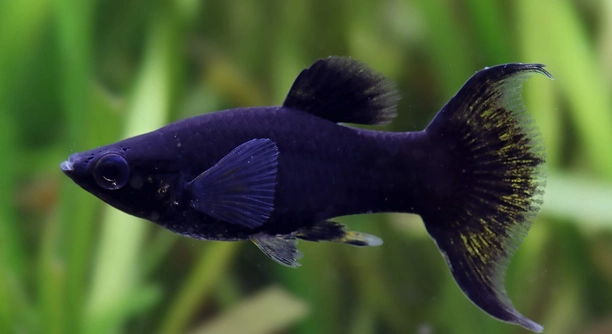
Do you ever notice subtle changes in your black molly after it gives birth, making you wonder how its behavior has shifted in the days that follow? Observing these shifts can reveal much about its maternal instincts.
After giving birth, black mollies often display increased protectiveness, frequent hiding, reduced swimming activity, heightened alertness, changes in feeding patterns, and altered social interactions with tank mates. These behavioral shifts are natural responses to caring for newborn fry.
Recognizing these changes can help you better support your molly’s health and ensure the well-being of her offspring in the aquarium environment.
Increased Protectiveness
After giving birth, black mollies often become noticeably more protective of their fry. They may hover near hiding spots or chase away other fish that come too close. This behavior is a natural instinct to keep their young safe from potential threats. Observing this change can be fascinating, especially when you notice the mother carefully guiding her fry through the tank. Mollies may also become more territorial during this period, staking out areas rich in plants or decorations that provide cover. Their heightened awareness often means they spend more time near the bottom of the tank or close to sheltered areas. Feeding behavior can also change, as the mother may eat less or become selective, prioritizing the safety of her fry over her own needs. Tank mates that were once accepted might suddenly be viewed as a threat. Understanding these behaviors helps in providing an environment that supports both mother and offspring.
This protective behavior usually lasts for several days to a couple of weeks, gradually calming as the fry grow and become more independent.
Providing plenty of hiding spots and maintaining a calm environment allows the mother molly to feel secure while she cares for her young. Monitoring her interactions with tank mates ensures that the fry are not stressed or at risk. With consistent observation, you can adjust feeding and placement of decorations to support healthy development, helping both mother and fry thrive.
Changes in Feeding Patterns
Many black mollies eat less immediately after giving birth, focusing on her fry rather than herself.
Reduced feeding is often accompanied by selective eating, where the mother targets smaller portions or specific foods that require less movement. Stress and fatigue from childbirth can contribute to this behavior. Over time, feeding gradually returns to normal as the fry grow and the mother feels less vulnerable. Observing these subtle shifts can provide insights into her overall health and recovery. Careful monitoring ensures she still receives proper nutrition without compromising her fry’s safety.
It is helpful to offer nutrient-rich, easily digestible foods during this period, such as finely chopped live or frozen options. Smaller, more frequent feedings are better tolerated and reduce the risk of competition with fry. Avoiding sudden changes in water conditions or tank mates can also help her regain her normal appetite more quickly. Patience and attention to detail support both her recovery and the growth of the fry. By understanding her feeding needs and making minor adjustments, you can create a balanced environment that benefits the entire tank.
Reduced Swimming Activity
After giving birth, black mollies often swim less and stay near hiding spots. This is a natural response to conserve energy and protect their fry from potential threats while they recover.
Reduced swimming helps the mother molly focus on monitoring her fry. She may linger near plants, rocks, or corners, moving slowly and deliberately. This behavior is common and not a cause for concern unless accompanied by signs of illness, such as discoloration or labored breathing. Providing calm areas in the tank encourages her to rest while still keeping the fry safe.
Slower swimming can also help minimize stress from other tank mates. If the tank has active or aggressive fish, separating the mother temporarily or adding more hiding spaces can support her well-being. Observing her movements daily allows you to gauge recovery and ensure both she and her fry remain healthy. Adjusting water flow or decorations can create safer pathways, making navigation easier for her.
Heightened Alertness
Mother mollies become highly alert after giving birth, constantly watching for potential threats. This vigilance is a survival instinct to protect her young.
Heightened alertness may result in sudden movements or jerky swimming patterns. The mother scans the tank continuously, noticing even small disturbances from other fish or external movements near the aquarium. While this behavior can appear tense, it is typical maternal instinct and indicates she is actively caring for her fry. Environmental changes, like rearranging plants or adding new tank mates, can increase stress. Minimizing disturbances allows her to focus on nurturing her offspring.
Maintaining a stable, calm environment helps reduce unnecessary stress while supporting the mother’s natural alertness. Providing ample hiding spots for the fry and ensuring water parameters remain consistent can make her feel secure. Gradually, as the fry grow more independent, the mother will return to her normal activity levels. Close observation during this period is important to identify any signs of illness or prolonged stress, which may require intervention. Simple adjustments in feeding routines or tank layout can enhance her comfort and the overall health of the tank ecosystem.
Altered Social Interactions
Mother mollies may avoid other fish after giving birth, staying close to hiding spots and keeping distance from tank mates. This behavior helps protect her fry from potential aggression or competition.
She may no longer join group swimming or social feeding. Interactions with other mollies are limited, and she focuses on her young.
Frequent Hiding
Black mollies tend to hide more often after giving birth, remaining under plants or decorations. This behavior helps her monitor the fry and feel secure. She may only emerge for brief periods to feed or check her surroundings, maintaining vigilance to protect her offspring.
Restless Movements
The mother may exhibit restless movements around the tank, moving back and forth near hiding spots or following her fry closely. This is part of her protective behavior. Staying attentive and occasionally pacing is normal as she ensures her fry remain safe and close.
Changes in Body Color
Some black mollies show slight changes in body color after giving birth. The color may appear duller or slightly lighter as the fish recovers from stress and reproductive exertion.
Why is my black molly hiding so much after giving birth?
After giving birth, black mollies instinctively hide to protect themselves and their fry. Staying near plants, decorations, or corners reduces exposure to perceived threats. This behavior is normal and indicates that she is focused on ensuring the safety of her young. Stress or disturbances in the tank can increase hiding, so providing a calm environment is essential. Over time, as the fry become more independent, the mother will resume normal swimming patterns.
Why has her swimming slowed down?
Reduced swimming is common after birth because the mother molly is conserving energy. She focuses on staying close to her fry and monitoring their movements rather than exploring the tank. Slow, deliberate movements minimize risk and help her recover from the physical demands of giving birth. If you notice sluggishness combined with unusual coloration or labored breathing, it may signal a health problem, but normal post-birth slowness is temporary. Providing sheltered areas and maintaining consistent water conditions supports her recovery.
Is it normal for her to eat less?
Yes, it is typical for a mother molly to reduce feeding immediately after giving birth. Her attention shifts to the fry, and stress can temporarily decrease appetite. Offering small, easily digestible portions of nutritious food encourages intake without causing disruption. Gradually, her appetite will return to normal as she feels more secure and the fry become more independent. Avoid forcing large amounts of food, as this may stress her further.
Why is she more alert than usual?
Heightened alertness is part of maternal behavior. The mother molly constantly scans the tank for potential threats, reacting quickly to movements of other fish or sudden changes. This vigilance helps protect the fry but can make her appear nervous or jumpy. Maintaining a stable, calm environment minimizes stress and allows her to focus on her young without excessive disturbance.
Will she interact with other fish normally again?
Social behavior often decreases temporarily after giving birth. The mother may avoid tank mates, limiting interactions to protect her fry. Over several days or weeks, as the fry grow and require less protection, she will gradually return to her normal social behavior. Avoid introducing aggressive or highly active fish during this period, as this can prolong her withdrawal. Monitoring tank dynamics ensures her comfort and safety.
Why does she follow her fry so closely?
Following her fry is a natural protective instinct. This behavior helps the mother monitor their movements and intervene if a potential threat approaches. By staying close, she ensures that the fry remain within safe zones and reduces the risk of injury or being separated from the group. Temporary obsessive following is normal and will decline as the fry become more independent.
Is the change in her body color normal?
Slight dulling or lightening of color after birth is common. The stress of giving birth and energy expenditure can temporarily affect pigmentation. Color usually returns to normal over time as she recovers and resumes regular feeding and activity. Significant changes combined with lethargy or other symptoms may require a check on water quality and overall health.
How long do these behavioral changes last?
Most changes, including hiding, reduced swimming, selective feeding, and heightened alertness, last from a few days to a couple of weeks. Gradual improvement occurs as the fry grow and the mother’s stress decreases. Providing a calm, safe environment and consistent care helps speed recovery and ensures both mother and fry thrive.
Should I separate her from the tank mates?
Separation is not always necessary unless other fish pose a threat to her or the fry. Adding hiding spaces or rearranging decorations can reduce conflict and stress. Temporary partitions or breeding nets can help in crowded tanks, ensuring the mother and fry are safe while allowing interaction to resume naturally once the fry are older.
How can I support her recovery?
Maintaining optimal water quality, providing hiding spots, feeding nutrient-rich small portions, and minimizing disturbances are key to supporting the mother molly. Monitoring her health daily ensures early detection of any issues. With proper care, her behavior will gradually normalize, and she will regain energy and social interaction.
The period after a black molly gives birth is a delicate and important time for both the mother and her fry. Behavioral changes, such as hiding more often, swimming less, and being highly alert, are all natural responses to the demands of caring for her young. These behaviors help protect the fry from potential threats, whether from other fish in the tank or environmental disturbances. Understanding that these changes are instinctive allows you to provide an environment that supports both the mother and her offspring without unnecessary interference. Providing plenty of hiding spots, maintaining stable water conditions, and keeping the tank calm are simple but effective ways to support her during this critical period. Observing her behavior closely can also help identify if something is out of the ordinary and requires attention, such as illness or unusual stress.
Feeding patterns may shift during this time, with the mother sometimes eating less or becoming selective about the type of food she consumes. Offering small, nutrient-rich portions that are easy to digest can ensure she gets the necessary energy without disrupting her focus on the fry. Gradual reintroduction of normal feeding routines is important as she recovers and begins to resume her regular activity levels. Her interactions with other tank mates may also change temporarily, as she focuses on keeping her fry safe. Avoiding aggressive fish and minimizing sudden changes in the tank helps reduce stress for the mother and allows her to regain confidence and normal social behavior over time. This period requires patience, but small, consistent adjustments in care can make a significant difference in her recovery and the health of her young.
It is also important to remember that these behavioral changes are temporary. As the fry grow and become more independent, the mother molly will gradually return to her usual patterns of swimming, feeding, and social interaction. Supporting her through this time ensures she remains healthy, which in turn benefits the fry as they develop. Watching a mother molly care for her young can also provide valuable insight into natural fish behavior, helping you better understand their needs and instincts. By maintaining a stable environment, providing appropriate food, and offering ample hiding spots, you give the mother the best chance to recover fully while ensuring her offspring have a safe start. Observing and responding to her behavior with care and attention allows both the mother and her fry to thrive, creating a healthier, more balanced aquarium environment.

Hello,
If you enjoy the content that we create, please consider saying a "Thank You!" by leaving a tip.
Every little bit helps us continue crafting quality advice that supports the health, happiness, and well-being of pets around the world, for pets of all shapes, sizes, and species.
We really appreciate the kindness and support that you show us!