
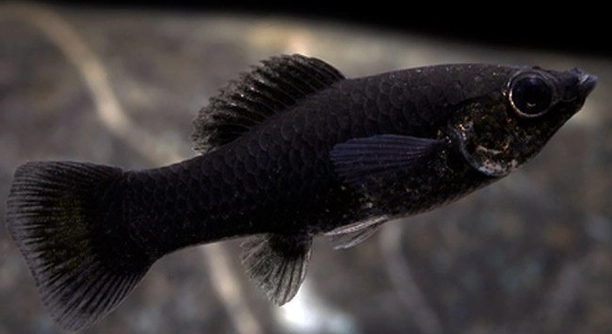
Have you ever noticed your black molly lingering in darker areas of the tank, making you wonder why it spends so much time away from brighter spots and what might be encouraging this quiet behavior.
Black mollies often prefer darkness because lower light reduces stress, supports physiological rhythms, and offers a sense of safety. Variations in tank lighting, decor, and environmental stability contribute to this behavior and determine how fish interact with the surroundings around.
As you learn more about these swimmers, you may discover simple ways to create lighting conditions that support their comfort.
Why Black Mollies Seek Dim Spaces
Black mollies often choose dim spaces because these areas feel calmer and easier for them to manage. Bright lighting can overwhelm their senses, especially if the tank lacks enough cover or smooth transitions between light and shadow. When the environment feels too open, they may drift toward darker corners to feel more secure. This behavior is common in tanks with strong overhead bulbs or when the lighting stays on for many hours without variation. Darkness lets them rest, adjust their breathing, and move at a comfortable pace. It also reduces visual stress caused by fast tank activity or shiny surfaces. If your black molly spends long stretches hiding near plants or decorations, it may be responding to lighting that feels too intense. By understanding these patterns, you can adjust their space in simple ways that help them settle more easily and maintain steady behavior throughout the day in their routine.
They rely on shaded spots to avoid overstimulation and to support stable movement within the tank. Slight changes in lighting, decor placement, and daily activity can push them toward dimmer zones, making these areas helpful shelters when they need a calmer space to feel steady during regular routines each day.
Creating softer lighting helps keep black mollies balanced and encourages them to explore more openly. Using floating plants or adjustable lamps can diffuse harsh brightness and create gentle gradients throughout the water. When the tank feels inviting, they spend less time hiding and more time moving in natural patterns. It is also useful to keep the lighting schedule consistent, since sudden changes can disrupt their comfort. Pay attention to how they react after each adjustment, since their movements often reveal whether the environment meets their needs. Simple lighting habits make a noticeable difference in the way they interact with surroundings.
How Lighting Affects Their Behavior
They react strongly to lighting stability, and even small shifts can change the places they choose to rest or explore. Consistent brightness gives them a comfortable pattern, allowing them to move calmly and avoid unnecessary stress within their environment, helping them feel supported throughout the day in their usual routine.
Maintaining proper lighting plays a major role in the daily comfort of black mollies, especially when they rely on predictable surroundings to stay at ease. Balanced illumination reduces unnecessary hiding and gives them more opportunities to swim calmly through open areas. Strong lights should be softened with plants, tall decorations, or adjustable settings that break up glare and prevent overwhelming reflections on the glass. Gradual transitions between bright and dim periods help them shift from active moments to resting phases without unnecessary stress. Consistent timing is equally important, so keeping the lights on a stable schedule allows them to develop rhythms that support healthy behavior. Pay close attention to their preferred spots after changes, since mollies quickly show whether the light feels supportive or too intense. If they still cling to dark corners, consider lowering the brightness or adding additional shaded features. Small adjustments often have meaningful effects on their behavior, helping them stay relaxed and confident in their environment every day by giving them lighting that matches their natural instincts and supports calm movement in the tank throughout each part of their routine while reducing stressful reactions to sudden brightness or long periods without shade in their daily habitat.
Why Environmental Shifts Influence Their Preference for Darkness
Black mollies often react to small shifts in tank conditions, and these shifts can push them toward darker areas. Light intensity, water movement, and nearby activity all shape their comfort levels. When these elements feel unbalanced, they retreat to dim spots that offer a calmer place to settle each day.
Stable conditions help black mollies feel secure, and lighting plays a large part in keeping their behavior steady. When the tank lacks shaded areas, they may become restless and move away from bright regions. Soft shadows created by plants or tall decorations give them the option to regulate their comfort. Balanced lighting also reduces sudden visual stress caused by reflections or quick movements outside the glass. When their environment feels consistent, they explore more freely and settle into natural patterns. Paying attention to their hiding habits can reveal when the lighting setup needs simple adjustments that support healthier activity overall.
Dark zones can sometimes signal that something in the tank needs attention, and understanding these signs helps you respond early. If your black molly hides more than usual, it may be reacting to strong light, noisy surroundings, or abrupt movement near the tank. Watching their preferred areas can show you patterns tied to stress. Slight changes in brightness or decor placement often make a noticeable difference. Giving them a layout with both open and shaded sections supports natural behavior and reduces tension. When they feel that balance, they swim with more confidence and spend less time clinging to shadowed spots.
Recognizing When Lighting Needs Adjustment
Black mollies often communicate discomfort through small shifts in their movements, and lighting is one of the first factors to review when these changes appear. If they hover near the bottom or avoid open spaces, the brightness may feel overwhelming. Subtle shading, consistent timing, and softened glare can make the environment easier for them to manage. Paying attention to these cues helps you adjust their setup before stress becomes a recurring part of their routine.
Making thoughtful lighting adjustments can improve the way black mollies behave in their tank, especially when their hiding habits start increasing. Begin by observing the brightest areas and noting whether the light spreads too sharply across the water. Harsh reflections can create visual pressure that encourages them to withdraw into dark corners. Adding floating plants or slightly repositioning the fixture can soften the glow and provide clearer comfort zones. Stable timing is equally important, since irregular schedules can confuse their natural rhythms and raise stress levels. When you maintain predictable periods of brightness and darkness, they adapt more easily and move with steadier patterns. If they continue choosing dim spots even after changes, consider lowering intensity further or adding more shaded features that support calmer.
How Stress Levels Shape Their Need for Shade
Stress can make black mollies gravitate toward darker sections of the tank, especially when sudden changes in their surroundings make them uneasy. They settle in shaded spots because these areas feel safe and allow them to maintain calmer movements when everything else feels too stimulating.
Overcrowding, loud noise, or fast activity near the tank can increase tension and push them into dim corners. Soft lighting and steady routines help lower this stress and encourage more natural behavior. When their environment feels predictable, they gain confidence and explore brighter areas with fewer interruptions.
How Water Quality Impacts Their Lighting Preferences
Poor water quality can indirectly influence how much time black mollies spend in darkness, since discomfort makes them look for spaces that feel quieter and easier to manage. If ammonia or nitrite levels rise, their breathing becomes strained, and dim areas offer a place where they can settle with less visual stimulation. Maintaining regular water changes, gentle filtration, and stable parameters helps reduce the need for shaded hiding spots. When the water stays clean and balanced, they respond by moving more openly around the tank. Monitoring patterns in their hiding behavior often reveals when water quality needs attention, making it easier to correct issues before they affect long term comfort.
Why Observation Helps You Understand Their Choices
Watching their daily habits reveals subtle shifts that guide you toward better lighting and tank adjustments. These small observations make it easier to support their comfort and help them feel secure in both bright and shaded areas.
FAQ
Why does my black molly stay in dark corners for long periods?
Black mollies often rest in dark corners when the lighting feels too harsh or the tank layout lacks shaded areas. Dim spots help them manage visual stress and stay calm. When the environment feels overwhelming, they naturally move toward quieter spaces that offer steadier comfort and fewer disruptions.
Can bright lighting make a black molly uncomfortable?
Yes, bright lighting can make them uneasy, especially if it shines directly on open areas without any plants or decorations to soften the glow. Strong brightness can cause them to retreat into darker zones where they feel safer and more in control of their surroundings.
Does tank activity influence their preference for darkness?
Activity near the tank can affect their behavior. Quick movements, loud sounds, or frequent disturbances may raise their stress levels. When they feel startled, they often move into areas with low light because these spaces feel calmer and help them settle.
Could water quality make my black molly choose darker areas?
Poor water quality can make them uncomfortable, which may push them toward dim sections of the tank. When ammonia or nitrite levels rise, they experience physical stress. Darkness offers a gentler space while they cope with discomfort. Fixing the water quality usually reduces this behavior.
Do black mollies hide in darkness when sick?
Illness can make them less active and more drawn to shaded areas. If they stay near dim spots while also showing signs like clamped fins, reduced appetite, or sluggish movement, sickness might be involved. Observing these patterns helps you respond early with proper care.
Is it normal for new black mollies to prefer darkness?
New mollies often hide in darker sections because they need time to adjust. A new environment can feel intimidating, so dim spaces help them feel safer. As they settle, they usually begin exploring brighter areas at a comfortable pace.
Will adding plants help reduce their hiding in darkness?
Plants create gentle shading that helps them feel secure. Floating plants are especially useful because they break up strong light and create softer transitions through the tank. When mollies have access to both open and shaded areas, they show more balanced behavior.
How do I know if the lighting is too strong?
If your black molly avoids open spaces, hovers near the bottom, or stays hidden behind decor, the lighting might be too intense. Strong brightness can overwhelm them. Softening the light or adjusting the angle often helps them feel more comfortable.
Can sudden lighting changes affect how much time they spend in darkness?
Sudden changes can startle them and make them hide. Black mollies do best with predictable lighting schedules. Abrupt shifts from light to dark, or from dark to bright, can cause confusion and stress that sends them into shaded areas for reassurance.
Why does my black molly stay at the bottom in dim areas?
Staying low in shaded spots can signal that they are seeking stability or reacting to stress. They may be affected by bright lights, noise, tank mates, or water issues. Watching their patterns helps you identify what might be influencing their behavior.
Can tank mates impact their preference for darkness?
Yes, dominant or fast moving tank mates can make black mollies feel pressured. When they feel crowded or chased, they retreat to calmer, darker areas. Providing hiding spots and maintaining a balanced community helps reduce this type of stress.
Should I reduce the lighting to encourage more activity?
Lowering the brightness can help if the tank is too intense. A softer light encourages black mollies to move through open areas with more confidence. The goal is to create a gentle balance so they feel comfortable exploring without feeling exposed.
How long should the lights stay on each day?
Most mollies do well with a stable schedule of around eight to ten hours of light. A consistent routine helps them develop predictable rhythms. Irregular lighting can confuse these rhythms and lead them to seek darker areas more often.
Can reflective surfaces cause them to hide more?
Reflections on the glass can create visual stress, especially if they see rapid movements or flashes. These reflections may push them into darker corners. Adding plants or adjusting the lighting angle often reduces glare and helps them feel at ease.
Is it normal for some mollies to just like darkness more?
Some individuals naturally prefer dimmer areas and spend more time there even when conditions are ideal. Personality differences exist among mollies, and some feel more comfortable in softly lit zones. As long as they are active, eating well, and showing healthy behavior, this preference is normal.
Final Thoughts
Understanding why black mollies prefer darkness can help you create a calmer and more balanced environment for them. Their behavior often reflects how they interpret their surroundings, so paying attention to small shifts in lighting, movement, and water conditions can make a meaningful difference in their comfort. Darkness is not always a sign of trouble, but it can be a helpful signal that invites closer observation. When you notice patterns in their habits, it becomes easier to adjust the tank in ways that support steady behavior and reduce unnecessary stress. Simple changes like softening the light, adding shading with plants, or creating quieter areas around the tank often lead to noticeable improvements. These small choices help them feel safe, and as you learn more about their preferences, you begin to understand how important thoughtful care can be for their well being.
Black mollies depend on stable surroundings to stay comfortable, and lighting plays a larger role in their routine than many expect. Even small changes in brightness, reflections, or shadows can shape where they rest and how they move. When the lighting feels too harsh or unpredictable, they retreat into dim spaces where they can manage their senses more easily. Offering shaded sections, floating plants, or softer brightness gives them opportunities to choose their preferred areas without feeling pressured. This balance encourages natural exploration and reduces the likelihood that they will hide for long periods. Water quality also supports their comfort, and regular maintenance helps prevent unnecessary stress that might push them into darker corners. When everything feels steady and predictable, they move with more confidence and show healthier daily patterns.
Taking time to watch their behavior allows you to recognize what makes them feel secure and what might be affecting their comfort. Each adjustment you make, whether it involves lighting, decor, or water conditions, helps you understand them better. These observations guide you toward a setup that supports both brightness and shade in a balanced way. Over time you learn that their preference for darkness is not just a quirk but a form of communication that reflects their needs. Responding to these signals makes a noticeable difference in how they behave and interact with their space. When you create an environment that feels gentle and predictable, they thrive more easily and show their natural movements without hesitation.

Hello,
If you enjoy the content that we create, please consider saying a "Thank You!" by leaving a tip.
Every little bit helps us continue crafting quality advice that supports the health, happiness, and well-being of pets around the world, for pets of all shapes, sizes, and species.
We really appreciate the kindness and support that you show us!