
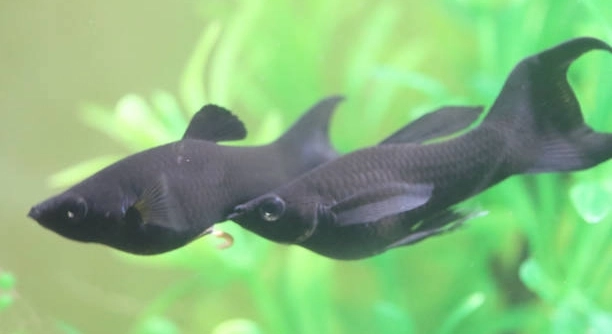
Do Black Molly fish react to creatures beyond their own species in the aquarium? These small, vibrant fish live in groups, often displaying social behaviors that hint at awareness of their surroundings. Their interactions may be more complex than they appear.
Black Molly fish can detect the presence of other species through visual and chemical cues in their environment. They respond by adjusting swimming patterns, territorial behavior, and social interactions, reflecting their innate ability to recognize and react to different aquatic species.
Observing these behaviors can reveal much about their instincts and social dynamics in mixed-species tanks. Awareness of their surroundings influences care and tank setup.
How Black Mollies Sense Other Fish
Black Mollies have a keen ability to detect other species in their tank. They use sight to notice differences in shape, size, and movement of nearby fish. Their lateral line system helps them sense vibrations in the water, allowing them to detect activity even in low visibility. Chemical cues also play a role, as Mollies can pick up pheromones or substances released by other fish, alerting them to potential threats or companions. When a new species is introduced, Mollies may initially observe from a distance, adjusting their swimming patterns and behavior. Over time, they establish boundaries and social hierarchies based on these interactions. Mollies are naturally social, and their reactions reflect a combination of instinct and learned experience. Understanding these behaviors can improve tank management and prevent stress-related issues in mixed-species aquariums. Careful observation allows owners to recognize signs of comfort, anxiety, or aggression.
Their detection skills are essential for survival and social interaction, helping them navigate complex aquarium environments effectively.
Awareness of other species influences feeding habits, movement, and group cohesion. Mollies that sense competitors may adjust their positioning or activity. They often show curiosity initially but may retreat if threatened. Social behaviors emerge as they learn patterns of coexistence, creating a dynamic balance in the tank that reflects their adaptive instincts.
Behavioral Responses to New Species
Black Mollies often become cautious when unfamiliar species are added to their tank. Their movements and interactions change immediately.
Mollies display a variety of behavioral responses when encountering new species. Some may hide behind plants or decorations, while others maintain a safe distance from the intruding fish. Aggressive displays, such as flaring fins or chasing, can occur if the Mollies perceive the newcomer as a threat. Over time, most Mollies adapt, gradually integrating the new species into their social structure. Observing these interactions helps identify which species are compatible, reducing stress and aggression. Tank layout, water conditions, and population density also influence these responses. By recognizing patterns in Mollies’ behavior, owners can create a more harmonious environment, ensuring all fish have access to food, shelter, and space. Understanding these instincts not only aids in proper aquarium setup but also encourages natural behaviors that keep Mollies active and healthy.
Signs of Stress When Detecting Other Species
Black Mollies may exhibit stress when new species enter their tank. Common signs include rapid swimming, hiding, or frequent fin flicking. Changes in appetite or color can also indicate discomfort or unease.
Stress responses are often subtle at first. Mollies may stay near the surface or corners of the tank, avoiding open areas. Their swimming can become erratic, and interactions with other Mollies may decrease. Some Mollies may lose interest in feeding temporarily or show pale coloration. Recognizing these signals early is important to prevent long-term health issues. Adjusting tank conditions or providing more hiding spots can reduce stress.
Long-term stress affects growth, immune response, and overall vitality. Mollies that constantly detect other species without adequate space or shelter may develop aggressive or withdrawn behavior. Monitoring tank dynamics helps ensure they remain healthy. Providing visual barriers, plants, or decorations allows them to feel secure, maintaining social balance and reducing tension. Consistent water quality and proper feeding routines further support their well-being.
Social Interaction Patterns with Other Species
Black Mollies interact differently depending on the species present, showing varying levels of curiosity, aggression, or avoidance. Their responses are influenced by size, temperament, and familiarity.
In mixed-species tanks, Mollies often establish territories or preferred swimming zones. They may follow certain species while avoiding others, creating a dynamic flow within the tank. Grouped Mollies often stick together, displaying synchronized swimming or coordinated movements. Some individuals may assert dominance, particularly during feeding, while others stay in peripheral areas. Observing these patterns provides insight into compatibility and helps prevent conflicts. Adjusting the number of Mollies or tank decorations can support balanced social behavior, allowing both Mollies and cohabiting species to coexist peacefully.
Environmental Factors Affecting Detection
Water clarity impacts how well Black Mollies notice other species. Murky or tinted water can reduce their ability to see movements and shapes clearly.
Tank size also plays a role. Smaller tanks may heighten interactions and stress, while larger spaces allow Mollies to monitor others without feeling threatened.
Feeding Behavior Around Other Species
Black Mollies adjust feeding habits based on nearby species. They may become more competitive when sharing food or retreat if larger fish dominate feeding areas. Their timing and positioning change to ensure access to resources without unnecessary conflict. Observing these behaviors helps maintain proper feeding routines and reduce stress during meal times.
Influence of Tank Layout
Decorations, plants, and hiding spots help Mollies feel secure. Complex layouts reduce direct confrontations and allow natural exploration.
Acclimating Black Mollies to New Species
Gradual introduction of new species allows Mollies to adjust. Using a divider initially helps reduce stress and supports smoother integration.
FAQ
How do Black Mollies detect other species in the tank?
Black Mollies use a combination of sight, chemical cues, and their lateral line system to detect other species. They notice movement, size, and color changes, while chemical signals in the water alert them to nearby fish. Vibrations in the water help them detect activity even without direct visual contact.
Do Black Mollies react differently to larger versus smaller fish?
Yes, size matters. Larger fish can make Mollies more cautious or defensive, often causing them to retreat or hide. Smaller or similarly sized fish may trigger curiosity, with Mollies approaching carefully and observing behavior. Size influences their perception of threat and comfort levels.
Can Mollies recognize individual fish?
They can differentiate between familiar and unfamiliar fish over time. Mollies learn to recognize behaviors and swimming patterns of tank mates, which helps them establish social hierarchies and adjust interactions accordingly. Familiarity reduces stress and aggressive responses.
What are the signs of stress in Black Mollies?
Rapid swimming, hiding, loss of appetite, fin flicking, and changes in coloration are common indicators. Stress can appear when Mollies feel threatened by new or dominant species. Persistent stress may impact growth, immunity, and general health, so observation and intervention are important.
Do Black Mollies show aggressive behavior toward other species?
Occasionally. Aggression is often limited to territorial displays or competition for food. Mollies may chase or flare fins but rarely cause serious harm in well-managed tanks. Observing interactions can help determine compatibility and minimize conflicts.
How does tank size affect their detection of other species?
In smaller tanks, Mollies encounter other species more frequently, which can increase stress and territorial behavior. Larger tanks provide space to monitor without constant confrontation, promoting calmer interactions and allowing them to establish comfortable swimming zones.
What role does tank decoration play in social behavior?
Plants, rocks, and hiding spots provide security and reduce stress. These structures allow Mollies to observe other species safely and create boundaries that help manage aggression. Well-planned layouts support natural behaviors and encourage exploration while preventing direct conflicts.
How long does it take for Mollies to adjust to new species?
Adjustment time varies depending on tank size, number of species, and temperament of individual fish. Some Mollies adapt within days, while others may take weeks to feel secure. Gradual introductions and observation of behavior can support a smoother transition.
Can chemical signals trigger specific behaviors in Mollies?
Yes. Pheromones or other chemical substances in the water influence responses like hiding, schooling, or following. Mollies are highly sensitive to changes in water chemistry, which helps them navigate interactions and detect potential threats or companions.
Are there species that Mollies naturally avoid?
Mollies generally avoid aggressive or predatory species. Fast-moving or dominant fish may trigger retreat behaviors, while peaceful species are approached more readily. Observing tank dynamics helps determine which species coexist harmoniously and which require careful management.
Does the presence of other species affect breeding?
Yes. Stress from unfamiliar or aggressive species can reduce spawning activity. Mollies prefer safe, calm areas with proper shelter for breeding. Providing separate breeding zones or partitions can improve reproductive success.
How do group dynamics influence detection and response?
Mollies in groups often feel more confident and can better assess other species collectively. Schooling behavior provides security, and social interactions help establish hierarchies that reduce unnecessary aggression. Grouped Mollies respond more predictably and adapt faster to new tank mates.
Can Mollies coexist with most freshwater species?
Generally, yes, if tank conditions are suitable. Compatibility depends on size, temperament, and environmental needs. Careful selection of species and thoughtful tank design can reduce stress, promote peaceful interactions, and allow Mollies to thrive alongside other fish.
What are the best practices for introducing new species?
Introduce new species slowly, possibly using a divider initially. Observe behavior closely, provide hiding spots, and maintain consistent water conditions. Gradual acclimation reduces stress, prevents aggressive encounters, and supports harmonious coexistence in the aquarium.
How can I tell if Mollies feel safe around other fish?
Calm swimming, active feeding, bright coloration, and social interactions with their own species indicate comfort. Avoidance, erratic swimming, or hiding signals discomfort. Monitoring these behaviors helps ensure a stable, low-stress tank environment.
Do Mollies change their swimming patterns around other species?
Yes. They may adjust speed, direction, or depth based on the presence and behavior of other fish. Patterns can shift from exploratory swimming to cautious observation, reflecting their response to perceived threats or opportunities for interaction.
Can water quality impact how Mollies detect other species?
Absolutely. Poor water clarity, high ammonia, or unbalanced pH can reduce their ability to sense surroundings and stress them. Maintaining clean, stable water conditions ensures accurate detection and healthier interactions with tank mates.
Is it normal for Mollies to ignore certain species?
Yes, especially if the species is passive or non-threatening. Mollies may focus on familiar or active fish, conserving energy and avoiding unnecessary confrontation. Observing who they engage with provides insight into social preferences and comfort levels.
Do Mollies communicate with other species?
Communication is mostly indirect, through movements, positioning, and chemical cues. While they do not “talk,” these signals convey intentions like aggression, submission, or curiosity, helping Mollies navigate social dynamics safely.
How can observation improve tank management?
Careful observation helps identify stress, aggression, and compatibility issues. Noting swimming patterns, feeding behavior, and interactions allows adjustments to tank layout, population, and feeding routines, ensuring healthier, more peaceful coexistence among all species.
Can Mollies thrive in mixed-species tanks long-term?
Yes, with proper planning. Ensuring adequate space, hiding spots, compatible species, and stable water conditions allows Mollies to interact safely and maintain natural behaviors. Monitoring and adjusting the environment supports long-term health and minimizes conflicts in diverse aquariums.
Black Mollies are fascinating fish with a strong ability to detect other species in their tank. Their awareness comes from a combination of sight, chemical cues, and the lateral line system, which senses vibrations in the water. This allows them to notice movement, size, and activity from other fish, even without direct contact. Mollies respond in ways that reflect both instinct and learning. They may adjust swimming patterns, keep their distance, or explore cautiously when a new species is introduced. Over time, they become familiar with their tank mates, developing recognition of behaviors and establishing social hierarchies. These natural responses help them navigate a shared environment and reduce unnecessary conflicts, showing how adaptive and observant they can be.
The environment of the tank greatly affects how Mollies react to other species. Tank size, decorations, hiding spots, and water quality all influence their behavior and comfort. Smaller tanks often lead to more frequent interactions and potential stress, while larger spaces allow them to monitor other fish without constant confrontation. Plants, rocks, and other decorations provide security and boundaries, giving Mollies places to retreat if they feel threatened. Stable water conditions are also essential. Clean, well-maintained water ensures that Mollies can detect chemical cues accurately and remain healthy. Proper feeding routines, sufficient space, and structured tank layouts make it easier for Mollies to coexist peacefully with other species. Paying attention to these factors supports natural behaviors, reduces aggression, and promotes a balanced, calm environment for all fish.
Observing Mollies closely reveals patterns in their social behavior and interactions with other species. They often form groups, which provide security and help them assess potential threats collectively. Aggression is usually limited to minor territorial displays or competition for food, and it rarely escalates if the tank is properly managed. Mollies also adjust their swimming and feeding habits based on the species around them, showing remarkable adaptability. By gradually introducing new species, monitoring stress signals, and providing hiding places, owners can support healthy relationships within the tank. Understanding how Black Mollies detect and respond to other species enhances overall care and ensures a stable, thriving aquarium environment. Consistent observation and thoughtful management allow these fish to remain active, healthy, and well-adjusted, creating a peaceful and dynamic aquatic habitat.

Hello,
If you enjoy the content that we create, please consider saying a "Thank You!" by leaving a tip.
Every little bit helps us continue crafting quality advice that supports the health, happiness, and well-being of pets around the world, for pets of all shapes, sizes, and species.
We really appreciate the kindness and support that you show us!