
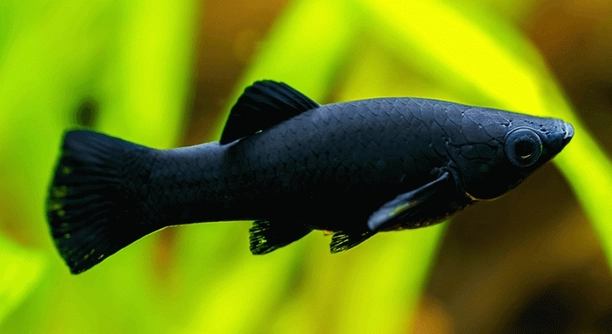
Are your black mollies showing signs of aggression or tension with other tank mates? Observing them swim apart, chase, or nip at others can be worrying for any aquarist trying to maintain a peaceful community aquarium.
The main cause of conflict among black mollies is territorial behavior and social hierarchy establishment. Stress from overcrowding, incompatible species, or insufficient hiding spaces can also trigger aggression. Addressing these environmental and social factors is essential for reducing clashes effectively.
Understanding their social needs and tank setup can make a significant difference in creating harmony. Small adjustments can prevent future disputes and support healthier interactions in your aquarium.
Common Triggers for Aggression
Black mollies can become aggressive for several reasons. Overcrowding is a major factor, as too many fish in a small tank increases stress and competition for food and space. Territorial disputes often arise when fish feel their personal area is being invaded. Males, in particular, are prone to chasing or nipping at other males to assert dominance. Stress from poor water quality or sudden changes in environment can also make them more irritable. Incompatible tank mates can escalate conflicts, especially if the other fish are smaller or less assertive. Limited hiding spaces amplify tension because fish cannot escape confrontations. Even routine activities like feeding can trigger aggression if dominant fish compete too aggressively for food. Recognizing these triggers allows you to adjust tank conditions, separate certain individuals if necessary, and create an environment that reduces stress and fosters calmer behavior. Consistent monitoring is key to maintaining balance.
Aggression often stems from a combination of environmental stress and social interactions among the fish.
Providing adequate space, proper hiding spots, and compatible companions can reduce tension and help black mollies coexist peacefully. A calm tank encourages healthier, more natural behavior patterns.
Strategies to Reduce Clashes
Separating aggressive individuals temporarily can prevent injuries and give the tank time to stabilize.
Maintaining water quality is crucial. Regular water changes, proper filtration, and monitoring parameters like pH, temperature, and ammonia levels help mollies feel secure. Adding plants or decorations offers hiding spots and visual barriers, reducing direct confrontations. Choosing compatible species ensures that smaller or passive fish are not constantly harassed. Observing interactions daily allows for quick intervention before fights escalate. Providing enough food prevents competition from intensifying, and spreading feeding across multiple locations helps ensure all fish get nourishment. Introducing new fish gradually reduces stress and allows the current population to adjust. Avoiding sudden changes in environment or diet can also keep stress levels low. In some cases, reducing male-to-female ratios minimizes male rivalry, as too many males increase competition. These combined strategies create a more balanced tank, giving black mollies the opportunity to establish social order without constant aggression, resulting in a calmer, healthier aquarium for everyone involved.
Adjusting Tank Setup
Providing more swimming space and hiding spots can significantly reduce tension among black mollies. Rearranging decorations or adding plants creates visual barriers and territories, which helps prevent constant chasing. Properly spacing feeding areas also ensures all fish get food without competition.
Regularly checking tank size and layout is important for maintaining balance. Black mollies thrive in tanks with enough room to swim freely while having areas to retreat. Overcrowded tanks or poorly arranged decorations can trigger aggression and stress. Adding driftwood, rocks, or dense plants creates separate zones, allowing fish to establish territories and avoid conflicts. This simple adjustment can transform an otherwise tense tank into a calmer environment.
Spacing feeding areas and adjusting decorations can prevent dominant fish from monopolizing resources. With the right layout, black mollies are more likely to coexist peacefully, reducing stress and promoting healthier social interactions. Observing their behavior after changes helps determine which adjustments are most effective.
Monitoring Fish Behavior
Daily observation of interactions helps catch early signs of aggression. Look for chasing, nipping, or hiding behaviors that indicate stress.
Tracking behavior patterns allows timely intervention before conflicts escalate. Note which fish are consistently aggressive or stressed. Adjusting tank conditions, such as moving dominant fish or adding plants, can prevent injuries and reduce tension. Consistent monitoring ensures the social hierarchy remains stable and allows corrective actions if problems arise.
Behavioral monitoring also reveals subtler signs of stress, like loss of appetite, faded coloration, or unusual swimming patterns. Recognizing these indicators early helps maintain a healthy, balanced tank. Recording observations over time can show trends, making it easier to address persistent issues. Regular check-ins create a safer environment, ensuring black mollies remain calm and interact normally, which supports their overall health and longevity.
Feeding Practices
Feeding multiple small portions throughout the day prevents competition among black mollies. Placing food in different areas reduces chasing and ensures all fish have access to nutrition.
Choosing high-quality flake or pellet food supports their health and minimizes aggressive behavior. A consistent feeding schedule helps maintain calm interactions and prevents dominance-based disputes over food.
Male-to-Female Ratios
Maintaining an appropriate ratio of males to females is crucial. Too many males in a tank can increase aggression, as they compete for dominance and attention. Ensuring at least two or three females per male reduces stress and allows the males to distribute attention more evenly.
Introducing New Fish
New fish should be added gradually. Sudden introductions can trigger stress and fights among established black mollies. Quarantining newcomers before placing them in the main tank helps prevent disease and allows the existing fish to adjust to changes in their environment.
Water Quality
Clean water is essential for reducing stress and aggression. Regular water changes, proper filtration, and monitoring key parameters like pH, ammonia, and nitrate levels create a healthier environment for black mollies to thrive.
FAQ
Why are my black mollies chasing each other?
Chasing is usually a sign of territorial behavior or dominance struggles. Male mollies often compete for hierarchy, while females may chase smaller or weaker fish to establish their space. Overcrowding, limited hiding spots, or incompatible tank mates can increase this behavior. Ensuring enough room and visual barriers can reduce chasing significantly.
How can I tell if my mollies are stressed?
Signs of stress include hiding excessively, losing color, refusing food, or erratic swimming. Aggression between tank mates is also a symptom. Stress often arises from poor water quality, overcrowding, or sudden environmental changes. Monitoring water parameters and providing sufficient space and enrichment helps mollies feel secure.
What is the best tank size for black mollies?
A minimum of 20 gallons is recommended for a small group of black mollies. Larger groups require proportionally more space to reduce aggression and allow natural swimming patterns. Tank size impacts stress levels and social behavior, making it easier to maintain a balanced community.
Do hiding spots really make a difference?
Yes. Hiding spots like plants, rocks, or decorations provide refuge during conflicts and give fish areas to establish personal territories. This reduces constant chasing and allows more peaceful interactions. Visual barriers also prevent dominant fish from focusing aggression on specific individuals.
How often should I feed my black mollies?
Feeding two to three small portions daily is ideal. Multiple feeding points prevent competition and reduce aggressive behavior during meal times. High-quality flake or pellet food supports their health and ensures even distribution among all fish in the tank.
Can tank mates affect black molly behavior?
Absolutely. Aggressive or much smaller tank mates can trigger fights or stress. Compatible, similarly sized, and peaceful fish help mollies maintain calm social interactions. Avoiding overly aggressive species ensures a more balanced and less stressful environment for black mollies.
How do I reduce male aggression in the tank?
Maintaining a proper male-to-female ratio, ideally one male for every two or three females, helps disperse attention and reduce constant fights. Separating overly aggressive males temporarily or permanently can also prevent injuries and allow the tank to stabilize.
Is water quality important for behavior?
Yes. Poor water quality increases stress and aggression. Regular water changes, proper filtration, and monitoring parameters like pH, ammonia, nitrites, and nitrates are essential. Clean, stable water supports calm behavior, better health, and more predictable interactions among black mollies.
What should I do if aggression continues despite changes?
Persistent aggression may require separating aggressive individuals into a different tank or using dividers. Observing interactions carefully and adjusting tank setup, hiding spots, or social groupings can help. Sometimes reducing overall population density is necessary to restore peace.
How long does it take for black mollies to settle?
Newly introduced fish may take several days to weeks to establish social hierarchies and feel secure. Monitoring daily and providing a stress-free environment with hiding spaces accelerates this process and prevents escalation of fights.
Can diet affect aggression?
Yes. Underfeeding or uneven feeding can increase competition and aggression. Ensuring all fish receive sufficient, nutritious food reduces fights over meals. Spreading food in multiple locations helps less dominant fish access nourishment without being harassed by more dominant individuals.
Do black mollies ever calm down naturally?
They can, once a stable social hierarchy is established and stressors are minimized. Providing enough space, hiding spots, and compatible tank mates encourages natural, calmer interactions. Aggressive behavior often decreases as fish adjust to their environment over time.
How do I know if a fish is too aggressive for the tank?
Constant chasing, nipping, and injury to other fish indicate excessive aggression. Removing the fish temporarily or permanently may be necessary. Observing behavior and documenting conflicts helps determine which fish are causing sustained issues and need intervention.
Are plants better than decorations for hiding?
Both are effective, but live plants offer additional benefits like oxygenation and water filtration. Dense plant clusters create natural hiding spots, while decorations can be arranged to create barriers and territories. Combining both gives black mollies multiple options for refuge and reduces aggression.
What is the role of social hierarchy in mollies?
Social hierarchy establishes order in the tank, often reducing fights over time. Dominant males or females assert control, while others adjust their behavior. Recognizing this hierarchy and providing enough space for each fish helps minimize tension and supports peaceful coexistence.
How often should I check on tank behavior?
Daily observation is recommended, especially after introducing new fish or making changes. Quick interventions at the first signs of aggression prevent injuries and ensure social stability. Regular monitoring helps maintain a calm, healthy environment.
Can stress from water changes cause aggression?
Sudden, large water changes can temporarily stress mollies, triggering aggression. Gradual water replacement and careful adjustment of parameters minimize disruption. Stress management during maintenance is important for keeping social behavior balanced.
Do black mollies prefer groups?
Yes. They are social fish and feel more secure in small groups. Proper group size, balanced ratios, and sufficient space prevent constant fighting and allow natural interactions, creating a healthier, more stable aquarium environment.
What is the best way to introduce new fish?
Quarantine newcomers first to prevent disease. Introduce them gradually using a divider or slow acclimation to reduce stress on established fish. Observing interactions and providing hiding spots during the process ensures smoother integration and minimizes aggression.
How long should I monitor after changes?
Monitoring for at least a week after tank adjustments helps determine if aggression has decreased. Some behaviors take longer to normalize, so continued observation ensures any necessary corrective actions are taken promptly.
Can aggression affect overall health?
Yes. Stress from constant aggression can weaken immune systems, reduce appetite, and make fish more susceptible to disease. Maintaining a calm, well-structured environment supports both physical health and behavioral stability for black mollies.
What do I do if hiding spots aren’t enough?
If conflicts persist despite hiding spots, consider rearranging the tank to create new barriers, increasing tank size, or separating the most aggressive individuals. Combining these strategies can restore balance and reduce continuous stress for all fish.
How do I track which fish are aggressive?
Observation and simple notes help. Record which fish chase, nip, or dominate others. Patterns become clear over time, allowing you to intervene with the most aggressive individuals and adjust tank setup or social groupings accordingly.
Do black mollies fight less in larger tanks?
Generally, yes. More space allows fish to establish territories and avoid constant contact. Sufficient swimming area, combined with hiding spots and visual barriers, reduces aggression and helps maintain a calmer tank environment.
Can water temperature affect behavior?
Extreme or fluctuating temperatures can stress mollies, increasing irritability and aggression. Maintaining a stable, appropriate temperature range ensures calmer behavior and supports overall health. Gradual adjustments during changes prevent sudden stress reactions.
Is separating aggressive fish always necessary?
Not always. Many conflicts resolve naturally once social hierarchies are established. Separation is necessary only if aggression causes injury, persistent stress, or disrupts tank balance. Observing interactions carefully helps decide if intervention is needed.
How do I prevent future conflicts?
Maintaining proper tank size, water quality, hiding spots, compatible companions, and balanced male-to-female ratios reduces the likelihood of ongoing aggression. Regular observation and timely interventions ensure a peaceful and healthy environment for black mollies to thrive.
Black mollies are beautiful and active fish, but their social behavior can sometimes create challenges in a community tank. Understanding the reasons behind their clashes is the first step toward creating a calmer environment. Aggression often stems from territorial instincts, stress, or an imbalance in social structure. Recognizing early signs, such as chasing, nipping, or hiding, allows for timely adjustments before injuries or long-term stress occur. Proper tank management, including adequate space, hiding spots, and compatible companions, significantly reduces these conflicts. Observing interactions daily helps identify problem areas and informs necessary changes in the tank setup or fish population.
Maintaining a balanced environment goes beyond just space and decorations. Feeding practices, water quality, and social ratios all play a critical role in mollies’ behavior. Providing multiple small feedings reduces competition and prevents dominant individuals from taking over resources. Stable water conditions minimize stress, as sudden changes can trigger aggression even in otherwise peaceful tanks. Ensuring the right male-to-female ratio prevents constant fights over dominance and allows mollies to establish social hierarchies naturally. Even small adjustments, such as adding a few plants or rearranging decorations, can make a noticeable difference in reducing tension. Over time, consistent care and attention help black mollies settle into a more harmonious routine.
Creating a peaceful tank requires observation, patience, and gradual adjustments. Not all fish will behave the same way, and some aggression is natural as they establish hierarchy. However, persistent or severe aggression indicates that further intervention, such as separating individuals or modifying the environment, may be necessary. By focusing on the overall needs of the fish, including proper nutrition, stable water parameters, and a suitable social structure, it is possible to minimize conflicts. Black mollies thrive when they feel secure, have enough space, and have compatible companions. A well-maintained, thoughtfully arranged tank supports both the physical health and mental well-being of your fish. With consistent care and attention to their needs, black mollies can coexist peacefully, allowing you to enjoy a vibrant and dynamic community aquarium.

Hello,
If you enjoy the content that we create, please consider saying a "Thank You!" by leaving a tip.
Every little bit helps us continue crafting quality advice that supports the health, happiness, and well-being of pets around the world, for pets of all shapes, sizes, and species.
We really appreciate the kindness and support that you show us!