
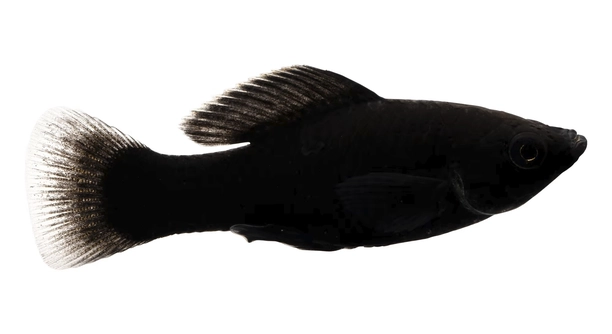
Do you love keeping fish but sometimes find yourself unsure how social your Black Molly needs to be? These lively freshwater fish are popular in home aquariums and often admired for their playful behavior and gentle nature.
Black Mollies are social fish that thrive in small groups, but they do not require constant companionship. Providing at least two or three companions helps reduce stress and encourages natural behaviors without making continuous interaction necessary.
Learning the right balance of company and space for your Black Molly can improve their well-being and create a healthier aquarium environment. Understanding this will help you care for them more effectively.
Understanding Black Molly Social Behavior
Black Mollies are naturally social fish that enjoy the presence of other fish, but they are not dependent on constant interaction. In aquariums, they display behaviors such as swimming together, grazing on algae, and exploring their environment. Keeping at least three Black Mollies together can reduce stress and encourage natural activity. However, overstocking the tank can lead to competition for food and space, increasing aggression. Observing your fish daily helps identify changes in behavior, which can indicate stress or illness. It is important to provide hiding spots and plants, allowing them to retreat if they feel threatened. Balancing social interaction and personal space ensures a calmer, healthier tank. Feeding on a regular schedule also supports their social structure, as Mollies are more relaxed when routines are consistent. Over time, they adapt to the dynamics of the group, forming mild hierarchies without needing constant companionship.
Maintaining small groups of Black Mollies allows for healthy social interaction while preventing overcrowding issues.
Providing the right number of tank mates and proper environment is key to keeping your Black Mollies active and stress-free. Observing their swimming patterns, feeding behavior, and use of hiding spots helps determine if they are comfortable. Overcrowded tanks may cause nipping or territorial disputes, while a balanced setup encourages natural behavior. Decorations, plants, and open swimming areas support their activity. Regular monitoring and adjustments in group size or tank layout promote a peaceful and healthy habitat for Black Mollies.
Signs Your Black Molly Needs Companions
Black Mollies without companions may show signs of lethargy or reduced activity.
When kept alone, a Black Molly may spend more time hiding or swimming less actively. They can become stressed or bored, which sometimes leads to a weakened immune system. Observing these signs is important for their health and can help prevent long-term issues.
Stress from isolation can manifest in subtle ways, such as decreased appetite, slower swimming, or hiding in corners of the tank. Introducing one or two other compatible Mollies often encourages normal activity, grazing, and interaction. While they do not require constant companionship, having tank mates can improve their overall well-being. It is important to monitor behavior after introducing new fish to ensure compatibility and reduce aggression. Some Mollies may establish mild hierarchies, but this is a natural behavior and does not indicate a problem. Providing a variety of plants and hiding spaces also helps reduce stress and gives each fish a sense of security. Understanding these social needs helps create a more balanced and engaging environment for your Black Mollies.
Ideal Tank Setup for Black Mollies
A properly set up tank helps Black Mollies thrive without constant companionship. They need clean water, moderate plants, and open swimming areas. A group of three or more works best, and hiding spots reduce stress. Avoid overcrowding to maintain peaceful behavior and health.
Maintaining water quality is essential for Black Mollies. They prefer slightly brackish water with stable temperature and pH. Adding live plants not only provides hiding spots but also supports natural grazing. Decorations like rocks and driftwood create a more stimulating environment. Regular water changes and monitoring parameters prevent stress and illness. Ensuring adequate space and compatible tank mates supports social interaction without requiring constant attention.
Feeding habits also influence social dynamics. Black Mollies respond well to a balanced diet of flakes, pellets, and occasional vegetables. Overfeeding can cause water quality issues, while underfeeding may trigger competition. Spacing feeding areas helps reduce aggression and encourages natural foraging behavior. Observing how they interact during feeding helps identify dominant or shy individuals, ensuring all fish receive proper nutrition. Maintaining these practices fosters a calm and active aquarium.
Balancing Companionship and Independence
Black Mollies need some company but also space to swim freely. Too many companions can cause stress and competition.
A balanced approach ensures that Black Mollies remain healthy and active. Providing a small group allows social interaction while leaving enough space to explore independently. They benefit from seeing others but do not rely on constant attention, so careful planning of tank size and number of companions is crucial.
Encouraging independence alongside social behavior involves creating zones in the aquarium. Plants, rocks, and open areas give each fish room to retreat or swim without interference. Mixing species cautiously can enhance activity, but overcrowding should be avoided. Monitoring interactions ensures peaceful cohabitation, and adjusting group size or tank layout supports both social and solitary needs. This approach maintains overall health, reduces stress, and promotes natural behaviors. Proper management of companionship and independence creates a stable and engaging environment for Black Mollies.
Choosing Tank Mates
Black Mollies are peaceful fish but need compatible tank mates. Avoid aggressive species that may stress them. Small, calm fish like guppies or platies usually work well. Proper selection reduces conflict and keeps the aquarium environment calm and balanced.
Introducing new fish gradually helps Black Mollies adjust. Quarantining new additions prevents disease spread. Observing interactions during the first few days ensures harmony. Properly chosen tank mates enhance social behavior without overwhelming them.
Feeding and Nutrition
Black Mollies require a balanced diet of high-quality flakes, pellets, and occasional vegetables. Providing variety supports health and natural activity. Feeding small amounts two to three times daily prevents overfeeding and maintains water quality, reducing stress and encouraging consistent behavior patterns.
Signs of Stress
Stress in Black Mollies can appear as hiding, reduced activity, or loss of appetite. Monitoring behavior daily helps identify issues early. Adjusting environment, companions, or diet can alleviate stress, ensuring their health and well-being remain stable in the aquarium.
How many Black Mollies should I keep together?
Black Mollies are social fish that do best in small groups. A minimum of three is recommended to encourage natural swimming and grazing behaviors. Keeping just one can lead to boredom or stress, while too many in a small tank can create aggression or competition for food. It’s important to balance numbers with tank size to maintain a healthy environment. Observing their interactions helps determine if adjustments are needed to support both social behavior and personal space.
Can Black Mollies live alone?
While Black Mollies can survive alone, it is not ideal for their overall well-being. Alone, they may become less active and spend more time hiding. They enjoy occasional interaction with other fish, which encourages normal behavior and reduces stress. However, they do not require constant companionship, so a small group is sufficient for social stimulation. Providing plants and open swimming areas allows a solitary Molly to remain active and reduces boredom.
What are the signs my Black Molly is stressed?
Stress in Black Mollies can appear in several ways. They may hide excessively, swim slowly, or avoid feeding. Color fading or clamped fins can also indicate discomfort. Stress can be caused by poor water quality, improper tank mates, overcrowding, or insufficient hiding spaces. Regularly observing their behavior helps catch these signs early. Adjusting water conditions, companion numbers, or adding decorations can relieve stress and restore normal activity.
Do Black Mollies fight with other fish?
Black Mollies are generally peaceful, but they may show mild aggression in certain conditions. Overcrowded tanks or incompatible tank mates can trigger nipping or chasing. Territorial disputes are usually minor if the tank has enough space and hiding spots. Introducing new fish gradually and observing interactions during the first few days helps prevent conflict. Providing plants, rocks, and open swimming areas gives each fish a sense of security and reduces stress-related aggression.
How important is water quality for Black Mollies?
Water quality is critical for keeping Black Mollies healthy. They prefer slightly brackish water with a stable pH and temperature. Dirty or poorly maintained water can cause stress, illness, and behavioral changes. Regular water changes, testing parameters, and proper filtration maintain a stable environment. Monitoring water conditions ensures your fish remain active, display natural behaviors, and thrive in a safe and balanced tank.
What do Black Mollies eat?
Black Mollies are omnivorous and need a varied diet. High-quality flakes and pellets provide essential nutrients, while occasional vegetables like spinach or zucchini support digestion and natural grazing behavior. Feeding small portions multiple times a day prevents overfeeding, maintains water quality, and keeps them active. Observing how each fish eats ensures all get proper nutrition and reduces competition during feeding.
Can Black Mollies live with other types of fish?
Yes, Black Mollies can live with other peaceful species like guppies, platies, and tetras. Avoid aggressive or fin-nipping fish, which can stress or injure them. Choosing compatible tank mates helps maintain a calm and active environment. Observing interactions during the initial introduction period ensures harmony and reduces conflict. Adjusting the number of fish and providing hiding spaces supports balanced social behavior and overall health.
How do I encourage natural behavior in Black Mollies?
Providing space, plants, and decorations encourages swimming, grazing, and hiding. A balanced group of tank mates stimulates social activity without overwhelming them. Regular feeding routines, water changes, and monitoring for stress support normal behavior patterns. Observing their activity helps identify changes and ensures their environment remains engaging and suitable for their needs.
Do Black Mollies need brackish water?
Black Mollies can live in both freshwater and slightly brackish water. Brackish water mimics their natural habitat and can improve health, coloration, and breeding success. Maintaining a stable salinity level prevents stress and supports their immune system. Gradually adjusting water conditions when needed allows them to adapt without shock, promoting a stable and active environment.
How do I know if my Black Mollies are happy?
Happy Black Mollies are active, explore the tank, and interact with others. They display bright coloration, swim confidently, and feed consistently. A calm, clean tank with proper companions encourages these behaviors. Watching for changes in activity, appetite, or social interactions helps ensure their well-being and maintain a thriving aquarium.
Can Black Mollies be kept in small tanks?
Small tanks can accommodate Black Mollies if stocking is moderate. Overcrowding causes stress, aggression, and water quality issues. A properly sized tank with at least three Mollies, hiding spots, and open swimming areas supports social behavior and natural activity. Maintaining filtration and water changes is essential to prevent health problems in smaller environments.
Do Black Mollies need constant attention?
Black Mollies do not require constant attention. They benefit from occasional observation, feeding, and interaction with tank mates. Ensuring proper water conditions, companions, and a stimulating environment is more important than direct attention. This balance allows them to remain active, healthy, and stress-free without being dependent on continuous care.
Black Mollies are lively and engaging fish that can bring a lot of enjoyment to an aquarium. They are social enough to appreciate the company of a few companions, but they do not require constant interaction to remain healthy. Keeping a small group of three or more is usually sufficient to encourage natural behaviors like swimming together, grazing, and exploring the tank. Overcrowding can lead to stress, aggression, and competition for food, so it is important to match the number of fish to the tank size. Observing your Mollies daily will help you understand their needs and adjust the environment if necessary. By providing an appropriate number of companions and a balanced setup, you can create a calm and active environment that supports their physical and mental well-being.
A well-maintained tank is essential for the long-term health of Black Mollies. They thrive in slightly brackish water with stable pH and temperature levels. Regular water changes, filtration, and careful monitoring of water quality help prevent stress and disease. Adding plants, rocks, and open swimming areas not only gives them places to hide but also encourages natural behaviors. Feeding a varied diet of flakes, pellets, and occasional vegetables supports growth, coloration, and energy levels. Paying attention to the number of tank mates, water conditions, and feeding routines ensures that Black Mollies remain active, healthy, and stress-free. Small adjustments, such as adding hiding spots or separating overly aggressive fish, can make a big difference in their comfort and behavior.
Understanding the balance between social interaction and independence is key to keeping Black Mollies happy. While they enjoy being around others, they also need space to swim freely and explore without constant interaction. Stress can appear subtly, through hiding, reduced activity, or loss of appetite, and can usually be relieved by adjusting tank conditions or companions. Observing their behavior closely helps identify problems early and allows for timely solutions. Overall, providing a clean, well-planned environment with appropriate companions and hiding spaces supports both the social and solitary needs of Black Mollies. This approach creates a stable, engaging, and healthy aquarium that allows them to thrive for years.

Hello,
If you enjoy the content that we create, please consider saying a "Thank You!" by leaving a tip.
Every little bit helps us continue crafting quality advice that supports the health, happiness, and well-being of pets around the world, for pets of all shapes, sizes, and species.
We really appreciate the kindness and support that you show us!