
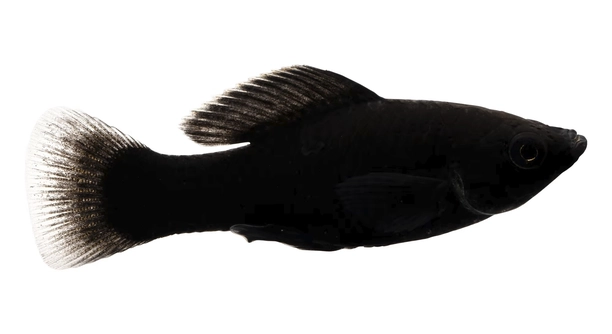
Do you ever find yourself rearranging your home and worrying about how your pets will handle the changes? Black Mollies are popular aquarium fish, and their reactions to new environments can be surprising to watch.
Black Mollies can adapt to frequent moves if transitions are managed carefully. Gradual acclimation, stable water conditions, and minimal stress during transport are critical to maintaining their health and supporting their ability to adjust to new tanks.
Understanding proper handling and environment setup will help your Black Molly remain healthy and content, even when facing repeated changes in its surroundings.
How Black Mollies React to New Environments
When Black Mollies are moved to a new tank, their behavior can change quickly. Some may hide for hours or even days, while others swim more actively than usual. Water temperature, pH levels, and tank size play a large role in how they react. Sudden changes can cause stress, which may lead to loss of appetite or temporary lethargy. It helps to add familiar decorations or plants from their previous tank to make the environment more comforting. Feeding them in a quiet, consistent spot can also encourage normal behavior. Over time, most Black Mollies will explore and settle once they sense stability. Observing their patterns carefully can indicate if adjustments are needed. Regular water testing and partial water changes ensure the tank remains suitable for them. The key is patience, consistency, and attention to small changes in their daily routine to support a smooth adjustment.
Careful observation during the first days can prevent serious stress-related health problems.
Black Mollies rely on routine and stable water conditions to feel safe. Frequent moves can disrupt their comfort, but gentle handling and maintaining familiar elements help them acclimate faster. Stress signs include hiding, slow swimming, and irregular feeding. Providing hiding spaces, consistent lighting, and stable water parameters helps them adjust. Gradually introducing them to new tanks with minimal disturbances reduces shock. Avoid sudden temperature or chemical changes, as Black Mollies are sensitive to fluctuations. Over time, their natural curiosity encourages exploration once they feel secure. Supporting their adaptation with proper nutrition and clean water strengthens their resilience. Even with frequent moves, attentive care allows them to maintain normal behavior and health.
Preparing for Frequent Moves
Planning each move in advance is essential to reduce stress on Black Mollies.
Transporting Black Mollies requires careful preparation to maintain water quality and minimize shock. Use a sturdy container with adequate water from their current tank to preserve familiar conditions. Avoid overcrowding during transport, and maintain consistent temperature using insulated carriers. Sudden temperature shifts or rough handling can cause illness or long-term stress. After relocating them, gently introduce the new tank’s water slowly to balance pH and chemical levels. Monitor their behavior closely during the first 24 hours for signs of stress or discomfort. Gradual acclimation, paired with steady feeding and hiding places, helps them adapt faster. Even small details, like lighting schedules and plant arrangement, impact their adjustment period. Keeping a routine similar to their previous environment ensures smoother transitions. Proper planning, patience, and attention to detail make frequent moves far less stressful for Black Mollies, supporting their overall health and maintaining their natural behaviors.
Signs of Stress in Black Mollies
Hiding for long periods, loss of appetite, and unusual swimming patterns are common signs of stress. Water cloudiness or sudden changes in tank parameters can also trigger these behaviors, indicating that attention is needed to maintain their well-being.
Stress in Black Mollies often shows through changes in color, energy levels, and feeding habits. Fish may become less active or spend more time near the surface or bottom of the tank. Sudden moves or unstable water conditions can worsen these signs. Observing them closely during transitions helps identify early problems. Ensuring clean water, proper temperature, and consistent feeding supports recovery. Hiding spots and gentle lighting provide comfort. Prompt adjustments to their environment can prevent long-term health issues.
Behavioral changes are often subtle at first but can escalate quickly if ignored. A stressed Molly may dart suddenly or interact less with other tank mates. Avoid overhandling and monitor chemical levels carefully. Small adjustments, like rearranging decorations slowly or maintaining water consistency, can reduce stress significantly. Over time, attentive care allows Black Mollies to regain confidence and normal behavior, even after frequent moves.
Water Quality and Its Impact
Stable water quality is crucial for Black Mollies to remain healthy.
Black Mollies are sensitive to ammonia, nitrite, and nitrate levels. Frequent moves can disturb tank equilibrium, leading to stress or illness. Regular water testing and partial water changes help maintain safe chemical levels. Sudden changes in pH or hardness can cause physical and behavioral problems. Keeping the water well-filtered and free of debris supports overall health. Adding familiar tank elements during relocation can reduce stress by keeping conditions consistent.
Temperature, pH, and cleanliness must be monitored carefully. Black Mollies thrive in warm, slightly alkaline water. Sudden fluctuations in temperature or acidity can affect their immune system. Using a thermometer, testing kits, and gradual acclimation helps prevent shock. Frequent moves without proper water preparation may lead to long-term health concerns. A stable, clean environment supports normal feeding, reproduction, and social interactions. Attention to water quality during every move ensures that Black Mollies remain active and resilient. Maintaining consistency in these factors is essential for their survival and overall well-being.
Acclimating Black Mollies
Gradual acclimation reduces stress during moves. Slowly mixing water from the new tank into their transport container helps them adjust to changes in temperature and chemistry. Patience during this process ensures a smoother transition and maintains their overall health.
Providing hiding spots and minimizing sudden movements supports their confidence. Frequent interruptions or handling can increase stress, so a calm environment is essential. Observing their behavior during acclimation indicates whether the process is effective. Small steps, like adding new water in increments and maintaining familiar decor, make a noticeable difference.
Feeding During Moves
Feeding should remain consistent even during relocation. Black Mollies may eat less initially, but offering small amounts of familiar food supports stability. Avoid overfeeding, as stress can affect digestion and water quality. Maintaining routine meal times helps them settle faster.
Tank Setup Considerations
Tank size, plants, and hiding spaces influence how well Black Mollies adapt. Overcrowded tanks or sudden changes in layout increase stress and affect swimming behavior. Gradual introduction of new decorations while keeping essential familiar elements allows them to explore safely and feel secure.
Monitoring Health
Regular observation of behavior, appetite, and coloration is key. Prompt attention to any unusual changes prevents long-term issues. Keeping a checklist of water parameters and daily behavior helps track adjustments and ensures a healthy, stable environment.
FAQ
How long does it take for Black Mollies to adjust to a new tank?
Adjustment time depends on the individual fish and the changes in the environment. Most Black Mollies begin exploring and eating within a few days if the water parameters remain stable. Full acclimation, where normal behavior returns consistently, may take up to two weeks. Gradual water mixing and minimizing sudden changes help speed up this process. Observing their swimming patterns and feeding behavior is the best way to know when they are fully settled. Providing familiar hiding spots and plants from the previous tank can make them feel more secure during this period.
Can Black Mollies survive frequent moves without stress?
Black Mollies can survive frequent moves if each transition is carefully managed. Consistency in water temperature, pH, and general tank setup is essential. Gentle handling, proper transport containers, and acclimation steps reduce stress significantly. Sudden moves without preparation can lead to stress-related illness or lethargy. Adding familiar tank elements, such as plants or decorations, can help them adjust faster and feel more comfortable. Even when moves are necessary, attentive care during and after relocation allows them to maintain normal behavior and good health.
What are the signs that a Black Molly is stressed?
Common signs include hiding for long periods, erratic swimming, loss of appetite, faded coloration, or staying near the water surface. Stress may also cause changes in social behavior, such as avoiding other fish. Monitoring these behaviors closely after a move is important. Addressing the source of stress, like water quality or tank layout, helps the fish recover. Providing gentle lighting, hiding spaces, and consistent feeding schedules reduces anxiety and supports adaptation. Observing small changes early prevents health issues from becoming severe.
How can I make moving easier for Black Mollies?
Using a sturdy container with water from their original tank is crucial. Slowly mix small amounts of water from the new tank over time to balance temperature and chemistry. Avoid overcrowding during transport and maintain stable temperatures using insulated carriers. After moving, provide familiar hiding spots and keep feeding consistent. Monitoring water parameters and behavior for the first 24-48 hours helps identify any immediate stress responses. Gradual changes in tank layout or decoration prevent additional shock, making the transition smoother for the fish.
Is it safe to move Black Mollies with other fish?
Yes, but care is needed to avoid overcrowding and aggression. Transport in separate containers is recommended if tank mates are larger or more aggressive. Keeping compatible fish together during moves is generally safe when water quality and temperature are stable. Observing behavior after relocation ensures that no fish are being stressed or harmed. Maintaining familiar groupings and minimizing sudden environmental changes allows them to adjust safely while preserving social dynamics in the tank.
Do Black Mollies need hiding spots during frequent moves?
Hiding spots are essential for reducing stress. Plants, rocks, or decorations from their previous tank provide a sense of familiarity. Even temporary shelters during transport can help them feel secure. Without hiding spots, they may become overly stressed, leading to loss of appetite, erratic swimming, or increased susceptibility to disease. Small additions to the new tank, placed carefully, help them explore at their own pace while retaining a sense of safety.
How important is water quality after a move?
Water quality is critical. Even minor fluctuations in ammonia, nitrite, nitrate, pH, or temperature can stress Black Mollies. Regular testing, partial water changes, and proper filtration maintain safe conditions. Keeping water conditions consistent during and after relocation is essential to prevent illness. Immediate attention to any chemical imbalances ensures that fish recover quickly and remain healthy. Consistent monitoring helps identify issues before they affect behavior or long-term health.
Should I feed Black Mollies during transport?
Feeding is generally not recommended during transport to avoid water contamination. Small meals before moving help maintain energy levels. After relocation, provide familiar food in small amounts and observe feeding behavior. Stressed fish may eat less initially, but maintaining routine feeding supports recovery. Patience and careful observation are key to ensuring they regain normal appetite after the move.
Can Black Mollies reproduce after frequent moves?
Yes, but stress can reduce breeding activity. Consistent water quality, temperature, and minimal disturbances support reproductive health. Providing sufficient space, hiding spots for fry, and stable conditions encourages normal breeding behavior. Stressful moves may temporarily delay spawning, but with proper care, Black Mollies can continue to reproduce successfully even with occasional relocations.
How often can I safely move Black Mollies?
Frequent moves are possible with careful planning. Limiting the number of relocations and ensuring stable conditions each time reduces stress. Each move should include acclimation steps, monitoring, and maintenance of familiar tank elements. Overdoing moves without preparation increases the risk of stress-related illness. Following a consistent, careful process allows Black Mollies to remain healthy despite repeated changes in their environment.
What should I do if a Black Molly shows illness after moving?
If illness appears, test water quality immediately and isolate the affected fish if needed. Observe symptoms such as lethargy, discoloration, or unusual swimming. Prompt treatment, consistent water parameters, and a calm environment support recovery. Consulting a veterinarian or experienced aquarist can ensure appropriate care and prevent further complications. Early intervention is key to restoring health and maintaining stability in the tank.
This FAQ addresses the most common concerns about moving Black Mollies and managing stress. Following these steps ensures they stay healthy, adapt well, and continue displaying normal behaviors despite frequent changes in their environment. Proper care, patience, and observation are the most effective tools for keeping Black Mollies thriving.
Final Thoughts
Black Mollies are resilient fish, but frequent moves can be challenging for them. Their health and behavior are closely linked to the stability of their environment, and sudden changes can cause stress or temporary discomfort. Each move introduces new water conditions, temperatures, and tank layouts that they must adjust to. Observing their reactions during and after relocation is key to understanding how well they are coping. Signs like hiding, reduced appetite, or unusual swimming patterns are indicators that they may need additional support. Providing consistent care, maintaining water quality, and keeping familiar elements in the tank help them feel secure. Even small details, such as lighting schedules or plant placement, can make a significant difference in how quickly they settle. Paying close attention to these factors ensures they remain healthy and active despite frequent changes.
Acclimation is one of the most important steps when moving Black Mollies. Gradual introduction to new water and careful handling reduce the risk of shock. Using familiar tank decorations and plants can provide comfort and a sense of continuity. During the first days after a move, it is common for them to explore cautiously and spend more time hiding. This behavior is natural and should not be a cause for alarm. Consistent feeding routines, a calm environment, and regular water testing support their adjustment and help prevent stress-related illnesses. Transporting them in appropriate containers, avoiding overcrowding, and keeping temperatures stable are also essential measures. By combining these practices, their adaptation process becomes smoother and less disruptive, allowing them to regain normal behavior more quickly.
Maintaining a healthy, stable environment is critical for Black Mollies that experience frequent moves. Stress can affect their immune system, feeding habits, and social interactions, making attentive care necessary. Regular observation, proper nutrition, and clean, stable water help them stay strong and resilient. Understanding their needs and responses enables better preparation for each relocation. Even with frequent moves, careful planning and consistent routines can minimize negative effects, allowing them to thrive. Their natural curiosity, combined with a secure and familiar environment, supports their ability to explore new spaces without long-term stress. Prioritizing these aspects of care ensures that Black Mollies remain vibrant, healthy, and active, making each transition manageable for both the fish and the caretaker.

Hello,
If you enjoy the content that we create, please consider saying a "Thank You!" by leaving a tip.
Every little bit helps us continue crafting quality advice that supports the health, happiness, and well-being of pets around the world, for pets of all shapes, sizes, and species.
We really appreciate the kindness and support that you show us!