
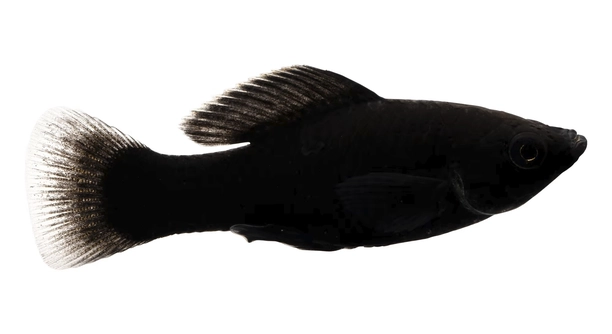
Are your black molly fish hiding in the corners of the tank when the lights go out at night? This behavior can be worrying for new fish owners who want their aquatic pets to thrive and feel safe.
Black mollies often hide at night due to environmental stress, insufficient lighting, or sudden changes in water conditions. Hiding is a natural instinct to avoid perceived threats and maintain safety within their habitat.
Understanding these behaviors will help you create a comfortable environment and keep your black molly active, healthy, and confident in its tank.
Tank Lighting and Nighttime Behavior
Black mollies are sensitive to changes in lighting. Bright lights or sudden shifts from light to dark can make them feel exposed, prompting them to seek hiding spots. In their natural habitat, black mollies are used to dim environments with shaded areas. Replicating this in an aquarium helps them feel secure. If the tank light is too intense at night, they may retreat to plants, caves, or other hiding spaces. Gradually dimming the lights or using a timer can reduce stress. Providing shaded areas or floating plants gives them a sense of shelter. Hiding is not always a sign of illness; it can indicate that your fish are adjusting to their environment. Monitoring how long they stay hidden can give insight into their comfort level. Over time, black mollies often become more active as they adapt to consistent lighting and feel safer in their tank environment.
Adjusting lighting gradually can make your black molly feel safer and more comfortable during nighttime hours.
Consistent light patterns create stability in the tank, helping black mollies establish routines. Gradual dimming and shaded areas prevent sudden shocks to their system. By observing their reactions to lighting changes, you can improve tank conditions. Plants, rocks, and caves are essential to provide hiding spots that mimic their natural environment. Over time, black mollies become less skittish and more confident exploring the tank at night. Proper lighting also supports their feeding schedule and overall health, ensuring they remain active during the day. Even small adjustments can have a noticeable effect on their behavior, helping them feel secure while maintaining a natural rhythm.
Water Quality and Comfort
Poor water conditions can cause black mollies to hide. Stress from ammonia, nitrites, or incorrect temperature encourages retreat.
Maintaining stable water parameters is essential for black mollies to remain active. Frequent checks, water changes, and proper filtration prevent stress-induced hiding.
Black mollies thrive in clean, well-oxygenated water. Sudden changes in temperature, pH, or chemical levels can make them feel unsafe, leading to prolonged hiding. Regular testing of ammonia, nitrites, and nitrates keeps the tank healthy. Filtration systems and partial water changes reduce toxins and create a stable environment. Proper water temperature, typically between 75-82°F, supports metabolic function and reduces stress. Adding aeration or gentle water flow ensures enough oxygen, which encourages swimming and activity. By maintaining consistent conditions, black mollies gain confidence to explore the tank instead of hiding. A calm, predictable environment is essential for their overall well-being and longevity, helping them exhibit natural behaviors without fear. Observing water quality closely allows you to identify problems early, giving your black molly the best chance to thrive.
Tank Decorations and Hiding Spots
Providing plenty of plants, rocks, and caves gives black mollies places to retreat. They use these areas to feel safe when lights dim or the environment feels stressful. Without enough shelter, they may hide excessively or become stressed, affecting their health and behavior.
Decorations create boundaries and visual cover that mimic their natural habitats. Live or artificial plants, driftwood, and small caves help black mollies establish territories and feel secure. Dense plant areas reduce stress, allowing shy fish to explore at their own pace. Hiding spots also reduce aggression from tank mates, preventing constant chasing or bullying. When black mollies feel threatened, having a safe area nearby encourages them to leave hiding sooner and interact with the rest of the tank. Rotating or rearranging decorations occasionally can keep their environment stimulating without causing stress.
A well-decorated tank supports mental and physical health. Fish that have safe spaces are more confident in swimming, feeding, and social interactions. Overcrowding decorations should be avoided, as it can limit swimming space, but a balance of open areas and shelters ensures black mollies remain active and comfortable at all times.
Feeding Schedule and Nighttime Activity
Inconsistent feeding can make black mollies hide more often. Skipping meals or sudden changes in diet create stress, causing retreat to hiding spots. A regular feeding schedule helps maintain their confidence and activity levels.
Black mollies are more active when they know food is coming at predictable times. Sudden diet changes or irregular feeding patterns can cause anxiety, prompting them to stay hidden. Providing small, frequent meals rather than one large feeding encourages natural foraging behaviors. High-quality flakes or frozen foods ensure proper nutrition while keeping them engaged. Observing how they respond during feeding times helps gauge comfort levels. If they only emerge for food, it may indicate stress or discomfort in their tank environment. Maintaining consistency and balance in feeding reduces anxiety, builds trust in their environment, and encourages more nighttime activity.
Tank Mates and Social Stress
Aggressive or overly active tank mates can make black mollies hide frequently. Fish that chase or nip create a stressful environment, encouraging retreat to safe areas.
Choosing compatible species reduces conflict and promotes calm behavior. Peaceful tank mates allow black mollies to explore without fear or constant hiding.
Health Issues and Illness
Hiding can be an early sign of illness or parasites. Lethargy, loss of appetite, or unusual swimming patterns often accompany health problems. Monitoring your fish closely helps catch issues before they worsen. Maintaining water quality, providing a balanced diet, and quarantining new fish are key steps to prevent disease. Regular observation ensures timely intervention, keeping black mollies healthy and active.
Sudden Environmental Changes
Rapid shifts in temperature, water chemistry, or lighting make black mollies retreat. Stability and gradual adjustments help them remain comfortable and active.
FAQ
Why does my black molly hide even during the day?
Black mollies may hide during daylight if they feel stressed or threatened. Bright lighting, aggressive tank mates, or sudden environmental changes can make them retreat to plants or caves. Ensuring a calm, well-structured tank with hiding spots helps them feel safe at all hours.
Can black mollies become less shy over time?
Yes, black mollies often grow more confident as they adjust to their environment. Consistent lighting, stable water conditions, and safe tank mates encourage exploration. Over time, shy fish gradually spend more time swimming and interacting rather than staying hidden.
Is hiding a sign of illness?
Hiding alone is not always a sign of illness, but if accompanied by lethargy, loss of appetite, or unusual swimming, it may indicate a health issue. Regular monitoring and proper care are crucial to prevent and detect disease early.
How many hiding spots should I provide?
A good rule is to provide enough shelter for each fish to have at least one private space. Live or artificial plants, rocks, and caves offer security while allowing enough swimming space to prevent overcrowding and stress.
Does water temperature affect hiding behavior?
Yes, black mollies are sensitive to water temperature. Temperatures outside the ideal 75-82°F range can cause stress, leading to increased hiding. Consistent, properly regulated water promotes comfort, activity, and overall health.
Will feeding affect their willingness to come out?
Absolutely. Fish that are hungry or familiar with a consistent feeding schedule are more likely to emerge. Irregular feeding or sudden diet changes may make them hesitant, while predictable meals encourage foraging and reduce stress.
Do black mollies hide more at night naturally?
Hiding at night can be normal since mollies are instinctively cautious in low light. They feel vulnerable when visibility is low, so retreating to shelters is a natural behavior. Ensuring they have secure nighttime areas supports their wellbeing.
Can tank size influence hiding behavior?
Smaller tanks or overcrowded environments increase stress and may lead to excessive hiding. Providing sufficient space and dividing areas with decorations allows fish to establish territories and feel secure while reducing aggression.
How can I reduce hiding caused by aggressive tank mates?
Separating aggressive fish or choosing peaceful species reduces stress. Creating visual barriers and adding more hiding spots also minimizes conflict, helping black mollies feel safe and encouraging more active behavior.
Is it normal for black mollies to hide after a water change?
Yes, sudden changes in water parameters can cause temporary hiding. Gradual changes, proper acclimation, and monitoring water quality help black mollies adjust without prolonged stress, allowing them to return to normal activity more quickly.
Do all black mollies hide the same way?
Individual temperament plays a role. Some are naturally shy while others are more outgoing. Observing your fish’s behavior over time helps identify normal patterns versus stress-related hiding, allowing adjustments to care and tank setup.
Will adding more plants reduce hiding?
Yes, additional plants or decorations provide extra shelter and reduce stress. They offer security, simulate natural habitats, and allow timid fish to explore the tank gradually, improving confidence and activity levels.
Does the type of substrate affect hiding behavior?
Substrate can influence comfort. Smooth gravel or sand allows safe movement near hiding spots. Rough or sharp substrates may cause injury or discomfort, making fish more likely to retreat to shelters rather than swim openly.
Can lighting changes make hiding worse?
Sudden bright lights or irregular light schedules can increase hiding. Using timers for gradual day-night transitions and providing shaded areas reduces stress, helping black mollies adjust without excessive retreating.
How long should I wait before worrying about hiding?
Temporary hiding is normal, especially after environmental changes. Persistent hiding over several days, especially with other symptoms like reduced appetite, may indicate stress or illness, and intervention should be considered promptly.
Will black mollies interact more if hiding is reduced?
Yes, when fish feel safe, they are more likely to swim actively, forage, and interact with tank mates. Providing stable conditions, proper shelter, and compatible companions encourages natural behaviors and reduces constant hiding.
Can water quality fluctuations cause nighttime hiding?
Fluctuations in pH, ammonia, or nitrates create stress, prompting black mollies to seek shelter. Regular testing and stable water conditions reduce nighttime hiding and support overall health.
Does overcrowding affect hiding?
Yes, overcrowding increases competition and stress, causing frequent retreat to hiding spots. Maintaining an appropriate number of fish for tank size and adding visual barriers reduces stress and encourages natural activity.
Are there ways to encourage black mollies to explore more?
Providing safe hiding spots, consistent feeding, and calm tank conditions encourages exploration. Rotating decorations occasionally adds interest without causing stress, making black mollies more active and confident over time.
How important is consistency in their environment?
Consistency is crucial. Stable water conditions, predictable feeding schedules, and steady lighting reduce stress. A consistent environment helps black mollies feel secure, reducing hiding and promoting healthier, more active behavior in the tank.
This FAQ section addresses the most common reasons black mollies hide and practical ways to reduce stress, improve comfort, and encourage natural behavior for a healthier tank environment.
Final Thoughts
Black mollies are naturally cautious fish, and hiding is often a normal behavior rather than a sign of a problem. Many factors contribute to why they retreat to corners, plants, or caves, including environmental conditions, tank mates, lighting, and feeding routines. Understanding these factors allows you to create a tank that feels safe and comfortable for your fish. While it may seem concerning when a black molly hides, it is important to remember that this behavior is often their way of coping with stress or perceived threats. Observing their behavior over time gives you insight into their comfort level and helps you make adjustments that improve their overall well-being. Small changes, like adding hiding spots, adjusting lighting, or maintaining water quality, can make a significant difference in their daily activity and reduce unnecessary hiding.
Consistent care is key to keeping black mollies active and healthy. Water quality plays a major role, as poor conditions can stress fish and encourage hiding. Monitoring parameters such as temperature, pH, and ammonia levels ensures that your fish are living in a stable environment. Feeding routines also influence behavior. Regular, predictable meals encourage them to come out and explore, while irregular feeding can increase anxiety and retreat. Tank decorations, such as plants, rocks, and caves, provide security while allowing natural exploration. Over time, black mollies may become more confident as they adjust to these supportive conditions. Maintaining a calm, stable environment helps prevent stress-related issues, supports natural behavior, and promotes social interaction with tank mates. Even small adjustments can have a noticeable impact on how comfortable and active your fish are.
Patience and observation are essential when managing hiding behavior in black mollies. Each fish has its own personality, and some may always be more reserved than others. Providing a safe, structured tank environment, compatible companions, and consistent care encourages them to explore gradually. Avoiding sudden changes in water, lighting, or tank layout reduces stress, making hiding less frequent. Monitoring for signs of illness ensures that you can respond promptly to health issues before they worsen. Understanding that hiding is often a normal response rather than a problem helps you create a balanced and harmonious aquarium. By focusing on stable conditions, proper nutrition, and safe spaces, you can help your black mollies feel secure, confident, and active, resulting in a healthier and more enjoyable aquatic environment.

Hello,
If you enjoy the content that we create, please consider saying a "Thank You!" by leaving a tip.
Every little bit helps us continue crafting quality advice that supports the health, happiness, and well-being of pets around the world, for pets of all shapes, sizes, and species.
We really appreciate the kindness and support that you show us!