
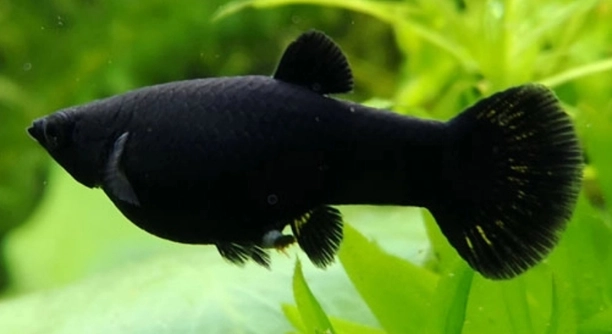
Do you enjoy keeping black mollies in your tank but sometimes notice small injuries on their fins or bodies? These injuries can be troubling for any fish owner and may affect the health of your aquatic pets.
Black molly injuries are commonly caused by overcrowding, aggressive tank mates, poor water quality, sharp or rough decorations, nutritional deficiencies, improper handling, and stress from sudden environmental changes. Each factor can lead to physical harm and long-term health issues if left unaddressed.
Learning how these factors contribute to black molly injuries can help you prevent further harm and maintain a healthier environment for your fish.
Overcrowding in the Tank
Keeping too many fish in a single tank can quickly become a problem for black mollies. When space is limited, fish may bump into each other or compete for hiding spots, leading to torn fins or small injuries. Overcrowding also increases waste buildup, which can reduce water quality and make fish more vulnerable to infections. I learned early on that even if the tank looks large, black mollies need room to swim freely. Providing at least 1 gallon of water per inch of fish helps reduce tension and promotes healthier interactions. Adding plants and decorations can give fish personal spaces and reduce accidental collisions, but these should be arranged carefully to avoid sharp edges. Regular monitoring of fish behavior and tank population is key. By observing early signs of aggression or stress, you can prevent injuries before they become serious.
Overcrowding can make black mollies more aggressive and prone to injury, so maintaining proper space is essential.
Proper tank sizing and careful population management prevent stress-related injuries. Ensuring enough room and hiding spaces keeps black mollies active, healthy, and safe from harm.
Aggressive Tank Mates
Introducing incompatible fish into the same tank can be risky. Aggressive or territorial species may nip at black mollies’ fins, leaving open wounds. Even mild aggression can result in repeated injuries, which weaken their immune system and increase susceptibility to disease. I once had a situation where adding a single fin-nipping fish led to multiple mollies showing stress marks and torn fins within a week. Understanding the temperament of potential tank mates is crucial. Black mollies generally do well with peaceful species, so planning ahead helps maintain harmony. Observing interactions daily can reveal which fish are causing tension. Removing aggressive individuals promptly or separating them temporarily can prevent long-term damage.
Aggressive fish can cause continuous injury and stress for black mollies if not monitored carefully.
Selecting peaceful companions and monitoring behavior consistently helps protect black mollies from injury. Ensuring compatible species in the tank reduces stress, promotes healing, and encourages normal swimming and social behavior, keeping your fish safer and healthier overall.
Poor Water Quality
Dirty or unbalanced water can quickly harm black mollies. High ammonia, nitrite, or nitrate levels irritate their skin and fins, making injuries more likely. Regular water changes and testing are necessary to keep conditions safe and stable.
Maintaining proper water quality requires consistent care. Black mollies are sensitive to sudden changes in pH, temperature, or chemical levels. I noticed small tears on my fish when I skipped water changes for a week. Regular monitoring using test kits helps detect issues early. Filtration systems, combined with weekly partial water changes, keep ammonia and nitrate levels low. Avoid overcrowding, as excess waste increases toxin buildup. Plants can also help absorb some nutrients, reducing stress on fish. Stable water conditions improve healing and reduce the risk of recurring injuries.
Even minor water imbalances can worsen existing injuries. Monitoring parameters like pH, hardness, and chlorine ensures a safer environment. Using gentle filtration and gradual water changes protects delicate fins and prevents stress, keeping black mollies healthier over time.
Sharp or Rough Decorations
Sharp rocks or poorly made ornaments can tear fins and cause cuts on black mollies. Even small scratches can lead to infections if not treated promptly, so choosing smooth decorations is essential for a safe tank.
Decorations should be checked carefully before adding them to the tank. I once added a piece of driftwood that looked smooth but had hidden splinters. Several mollies ended up with small cuts. Sand or rounded gravel is safer than jagged stones, and ceramic or resin ornaments should be inspected for rough edges. Avoid overcrowding decorations, as tight spaces can increase accidental injuries. Plants and gentle hiding spots offer security without sharp surfaces. Regularly inspecting and cleaning decorations prevents algae buildup and sharp edges from forming over time. Safety in the environment directly reduces physical harm and stress.
Maintaining smooth, safe decorations reduces the risk of injuries. Careful placement and monitoring of tank items keep black mollies comfortable, allowing them to swim freely without fear of cuts or scrapes, supporting overall well-being.
Nutritional Deficiencies
A poor diet can weaken black mollies’ fins and scales, making them more prone to injury. Providing a balanced mix of flakes, pellets, and occasional live or frozen food keeps them strong and healthy.
I noticed that my mollies developed ragged fins when they were fed only one type of food. Including vegetables and protein-rich options prevents deficiencies. A consistent feeding schedule supports growth, repair, and overall immune function.
Improper Handling
Handling black mollies roughly or too often can cause stress and physical injuries. Netting them carelessly can tear fins or scales, which may lead to infections if untreated.
Environmental Stress
Sudden changes in temperature, lighting, or water chemistry stress black mollies. Stress reduces their healing ability and makes them more vulnerable to injuries.
FAQ
What are the first signs of black molly injury?
Small tears or frayed fins are usually the first noticeable signs. You may also see faded color, small red spots, or areas of irritation on their bodies. In some cases, the fish may hide more than usual or swim awkwardly. Observing these changes early allows for faster intervention.
How can I treat minor fin tears at home?
For small injuries, keeping water clean and stable is the most important step. Regular partial water changes and monitoring ammonia, nitrite, and nitrate levels help prevent infection. You can also use aquarium salt or over-the-counter fin-healing treatments, following dosage instructions carefully. Avoid overcrowding and reduce stress to speed recovery.
Should I isolate injured fish?
Isolating severely injured mollies in a quarantine tank can prevent further harm from tank mates. It also makes monitoring easier and allows for targeted treatment. Make sure the quarantine tank has similar water conditions to the main tank to avoid additional stress. Gentle handling and minimal disruption are key.
Can diet affect healing?
Yes, nutrition plays a big role in recovery. Protein-rich foods, like brine shrimp or bloodworms, help tissue repair. Including vegetable matter supports immune function. A varied diet ensures your mollies get essential vitamins and minerals that strengthen fins and skin, reducing the risk of recurring injuries.
How often should I check water quality?
Daily observation of fish behavior is important, but testing water at least once a week is recommended. Monitor pH, ammonia, nitrite, and nitrate levels consistently. Sudden changes in water parameters can stress mollies, making minor injuries worse. Using a reliable test kit ensures accuracy.
Are certain tank mates safer than others?
Peaceful species are always safer for black mollies. Avoid fin-nippers or highly territorial fish. I learned from experience that even one aggressive tank mate can cause repeated injuries. Research the temperament of all new fish and introduce them gradually, observing interactions closely.
How can I prevent stress-related injuries?
Maintain stable temperature, consistent lighting, and avoid sudden water changes. Provide plenty of hiding spots and swimming space. Observe fish daily for unusual behavior or aggression. Reducing stress not only prevents injuries but also supports overall health and immunity, making mollies more resilient.
When should I consult a veterinarian?
If injuries are deep, show signs of infection, or fail to improve within a week, a veterinarian specializing in fish should be consulted. They can recommend proper treatments or antibiotics if necessary. Early professional care can save the fish from worsening conditions.
Can decorations cause injuries even if they look safe?
Yes, sharp edges or rough surfaces can tear fins unexpectedly. Always inspect ornaments carefully and smooth any jagged areas. Rounded gravel and soft plants are safer choices. Rearranging decorations periodically can also prevent fish from repeatedly injuring themselves in tight spaces.
Is it normal for mollies to fight?
Some minor chasing or nipping occurs, especially among males, but constant aggression is not normal. Overcrowding, stress, or incompatible tank mates can increase fighting. Observing behavior and separating aggressive individuals when necessary prevents injuries and ensures a peaceful environment.
How long does it take for fins to heal?
Healing depends on the severity of the injury and tank conditions. Minor tears may heal within one to two weeks, while larger injuries take longer. Clean, stable water and proper nutrition accelerate recovery. Reducing stress and avoiding further damage ensures fins regrow fully without infection.
Can injuries recur if the cause isn’t addressed?
Yes, recurring injuries are common if the underlying issue remains. Overcrowding, poor water quality, aggressive fish, or rough decorations can continue to harm mollies. Identifying and correcting the cause is essential for long-term prevention and healthier fish.
Are there preventive measures I can take?
Maintaining clean water, providing proper diet, choosing compatible tank mates, and keeping the environment safe are key preventive steps. Regular observation and early intervention help catch minor issues before they become serious. Consistent care reduces stress and supports overall fish health, preventing injuries.
What role does stress play in injury recovery?
Stress slows healing by weakening the immune system. Changes in temperature, water chemistry, or tank hierarchy can contribute. Reducing stress through stable conditions, sufficient space, and compatible companions is vital. Calm, healthy mollies recover faster and are less likely to sustain repeated injuries.
How do I safely handle black mollies during treatment?
Minimize handling whenever possible. Use a soft net or transfer them gently to a quarantine tank. Avoid squeezing or rapid movements that could tear fins or scales further. Calm and careful handling supports recovery and reduces additional stress during treatment periods.
Can water additives help with fin repair?
Certain aquarium-safe additives, like aquarium salt or specialized fin-healing solutions, can support recovery. Follow dosage instructions closely. These treatments help prevent infection, promote tissue repair, and soothe irritation. Combining additives with clean water and proper nutrition gives the best results.
How do I know if a wound is infected?
Signs of infection include redness, swelling, white patches, or fuzzy growth on fins or body. Fish may also become lethargic or stop eating. If you notice these symptoms, isolating the fish and starting treatment promptly is crucial to prevent worsening conditions.
Do black mollies recover fully from fin injuries?
With proper care, most black mollies recover completely. Healthy water conditions, balanced nutrition, minimal stress, and safe tank mates allow fins and scales to regrow. Recurring injuries are avoidable if the causes are identified and addressed effectively.
How often should I observe my fish for injuries?
Daily observation is best. Small tears or unusual behavior can be spotted early, allowing quick action. Watching fish swim and interact helps detect aggression, stress, or environmental problems before they cause serious harm. Early detection improves recovery outcomes significantly.
What are common mistakes fish owners make that lead to injuries?
Skipping water tests, overcrowding, introducing aggressive tank mates, and using rough decorations are frequent mistakes. Inconsistent feeding or neglecting quarantine procedures also contribute. Learning from experience and observing fish carefully prevents these common issues, keeping black mollies safe and healthy.
Can multiple minor injuries become serious?
Yes, repeated minor injuries can weaken fins and scales over time, making fish more vulnerable to infections. Addressing the root causes and providing proper care prevents small wounds from escalating into severe health problems. Early intervention is essential for long-term wellbeing.
What is the best approach to long-term injury prevention?
Consistent tank maintenance, careful selection of companions, balanced diet, and safe decorations form the foundation of long-term prevention. Observing behavior, monitoring water quality, and reducing stress create an environment where black mollies thrive without repeated injuries. Consistency and vigilance are key to keeping them healthy.
How do I handle multiple injured fish at once?
Separate severely injured fish into a quarantine tank to treat them individually. Maintain stable water parameters and provide targeted nutrition. Minimize handling and monitor for infection. If several fish are affected, it may indicate a tank-wide issue, which should be corrected immediately to prevent further harm.
Can fin rot develop from minor injuries?
Yes, even small tears can become infected if water quality is poor or stress is high. Signs include fraying edges, discoloration, or fuzzy growth. Quick action with clean water, additives, and isolation prevents minor wounds from progressing into fin rot.
How do I support immune health in black mollies?
A balanced diet, stable water conditions, and reduced stress all strengthen the immune system. Vitamins from vegetables, protein from live or frozen foods, and a calm environment help mollies fight infections and recover from injuries more quickly. Preventing stress is as important as nutrition.
What is the most common cause of repeated injuries?
Repeated injuries often come from unresolved tank issues such as aggression, overcrowding, or sharp decorations. Addressing these factors is crucial. Even healthy fish can suffer if the environment continues to pose risks. Observing behavior and correcting problems early prevents cycles of injury and stress.
How can I tell if a black molly is stressed?
Signs include hiding, erratic swimming, clamped fins, reduced appetite, and faded color. Stress increases the likelihood of injuries and slows healing. Observing daily behavior helps identify problems early so you can make adjustments to improve the tank environment.
Are black mollies more prone to injury than other fish?
They are moderately sensitive due to delicate fins and social nature. Aggressive tank mates, poor water quality, or environmental stress can impact them more quickly than hardier species. Awareness and preventive care are key to reducing injuries.
Can temperature fluctuations cause injuries?
Rapid changes in temperature stress mollies, making them more likely to scrape fins or collide with decorations. Stable, appropriate temperatures help prevent stress-induced injuries and support faster healing. Avoid placing tanks near drafts or heat sources.
How long should I keep a fish in quarantine?
Keep injured or new fish in quarantine until fins have healed and behavior is normal. This typically takes one to two weeks for minor injuries, longer for severe wounds. Monitor water quality and feeding closely to ensure recovery.
Is it necessary to remove aggressive fish permanently?
If aggression continues despite adjustments, permanent removal may be the safest option. Repeated injuries harm black mollies and can cause stress-related illness. Finding compatible tank mates is essential for a peaceful and injury-free environment.
Can plants help prevent injuries?
Yes, live or artificial plants provide hiding spots and reduce stress. They also create soft boundaries that prevent collisions with tank walls or decorations. Proper placement ensures mollies can swim freely while minimizing risks of physical harm.
What should I do if multiple factors are causing injuries?
Address each factor systematically: reduce crowding, improve water quality, remove aggressive fish, and check decorations. Balanced nutrition and stable conditions help recovery. Tackling all issues together ensures mollies heal fully and prevents new injuries.
How do I maintain safe water parameters long-term?
Regular testing, partial water changes, and a reliable filtration system are essential. Avoid overfeeding and overcrowding. Keeping parameters stable supports immune health and reduces stress, lowering the chance of injuries and promoting faster recovery.
What’s the best way to monitor fin regrowth?
Observe the edges of fins for smooth, even regrowth. Keep notes or photos if necessary. Ensure water conditions remain stable, and avoid tank mates that may nip fins. Gradual, consistent improvement indicates proper recovery.
Can stress cause secondary injuries?
Yes, stressed fish are more likely to swim erratically, collide with decorations, or be chased by others. Managing stress through stable conditions, proper diet, and compatible tank mates prevents secondary injuries and supports faster healing.
How often should I feed injured black mollies?
Feed smaller amounts more frequently to reduce waste and maintain water quality. Provide protein-rich foods to support tissue repair. Avoid overfeeding, as excess food can degrade water quality and slow recovery.
Can water temperature affect healing speed?
Yes, keeping the tank within a stable, appropriate temperature range helps black mollies heal faster. Sudden drops or spikes in temperature can slow recovery and increase stress, delaying fin regrowth and overall healing.
Is it safe to use chemical treatments in the main tank?
Some treatments may harm other fish or plants. Using a quarantine tank is safer for targeted treatment. Only add chemicals to the main tank if they are safe for all inhabitants and carefully follow instructions.
How can I tell if the injury is fully healed?
Fins should look complete, edges smooth, and normal swimming restored. The fish should eat normally and show no signs of infection. Continued observation for a week after apparent healing ensures the injury won’t worsen.
Can multiple minor scratches lead to serious health problems?
Repeated minor injuries can weaken the immune system and increase susceptibility to infections. Preventing small wounds through careful tank management is crucial to avoiding serious health complications in black mollies.
How important is daily observation for preventing injuries?
Daily observation allows you to catch injuries, stress signs, or aggressive behavior early. Quick intervention prevents small issues from becoming serious. Monitoring ensures mollies remain healthy and reduces the likelihood of repeated injuries.
Can fin regrowth be uneven or deformed?
Yes, if injuries are severe or conditions remain poor, fins may regrow unevenly. Stable water, proper nutrition, and reduced stress promote healthier regrowth. Removing repeated sources of injury ensures fins develop correctly.
How do I balance care for injured and healthy fish?
Provide injured fish with proper treatment and space while maintaining stable conditions for the rest. Avoid overhandling and ensure all fish have access to food and hiding spots. Balanced care minimizes stress for the entire tank.
Can minor injuries affect behavior long-term?
If untreated or recurring, even small injuries can make mollies more cautious, hide frequently, or avoid certain areas. Ensuring safe conditions prevents long-term behavioral changes and supports overall well-being.
What’s the most effective long-term strategy for preventing injuries?
Maintain clean water, safe decorations, compatible tank mates, and a balanced diet. Observe behavior daily and address stress or aggression quickly. Consistent preventive care ensures black mollies remain healthy, reducing the risk of injuries over time.
How do I decide when to intervene medically?
If injuries worsen, show signs of infection, or do not improve within a week, intervention is necessary. Veterinary advice, quarantine treatment, and proper medication prevent complications and support recovery.
Can black mollies recover from multiple injuries at once?
Yes, with proper care, multiple injuries can heal simultaneously. Maintaining clean water, providing proper nutrition, reducing stress, and separating aggressive tank mates ensures safe recovery for all affected fish.
Is prevention better than treatment?
Absolutely. Preventing injuries through careful tank management, compatible fish selection, and consistent care avoids stress, infection, and long-term damage. Prevention supports healthier, happier mollies and reduces the need for intervention.
How can I create a safer tank environment overall?
Use smooth decorations, avoid overcrowding, maintain clean water, provide hiding spots, and select peaceful tank mates. Regular observation and addressing stress quickly create a safe environment, reducing the likelihood of injuries and promoting long-term health.
What’s the single most important thing to monitor daily?
Observe fish behavior and look for early signs of injury or stress. Prompt action prevents minor issues from becoming serious. Daily monitoring is the key to maintaining a healthy and injury-free black molly tank.
How do I manage healing alongside regular tank maintenance?
Continue routine water changes, cleaning, and feeding schedules while minimizing stress. Avoid disturbing injured fish unnecessarily. Maintaining stability supports recovery and keeps the entire tank healthy.
Can injuries affect breeding behavior?
Yes, stressed or injured mollies may reduce courtship or spawning activity. Ensuring recovery and minimizing stress allows normal breeding behaviors to resume.
How do I prevent recurring injuries in the long term?
Address all environmental factors, maintain water quality, choose compatible tank mates, provide proper nutrition, and observe behavior consistently. A proactive approach reduces the likelihood of repeated injuries and supports long-term health.
What’s the best way to learn from past injuries?
Keep notes on tank conditions, feeding, and fish behavior. Review what caused injuries and make changes. Learning from experience helps prevent future injuries and ensures a safer, healthier environment.
How do I ensure injured fish don’t spread infection?
Isolate injured fish, maintain clean water, and use proper medication if needed. Monitor other fish for signs of illness and act quickly to prevent infection from spreading throughout the tank.
Are there signs that a black molly won’t recover?
Severe, deep wounds, persistent infection, or prolonged stress may indicate poor recovery. Consulting a veterinarian and adjusting care is necessary to improve chances of survival and prevent further suffering.
Can environmental enrichment help prevent injuries?
Yes, providing hiding spaces, plants, and varied terrain reduces stress and aggressive behavior. Enrichment gives mollies safe areas to explore and minimizes collisions or accidental damage, supporting overall health.
How do I balance multiple preventive measures at once?
Implement water maintenance, safe decorations, compatible tank mates, and proper nutrition simultaneously. Consistency across all areas ensures mollies remain healthy, minimizing the chance of injuries and promoting recovery for any existing wounds.
Can stress alone cause physical injury?
Stress increases erratic swimming, fin clamping, and collisions, which can result in physical injury. Stable conditions, compatible tank mates, and gentle handling reduce stress-induced harm.
How do I know if my tank setup is ideal?
Observe fish behavior and health consistently. Healthy, active mollies with intact fins indicate a suitable environment. Adjust as needed if stress, aggression, or injuries occur.
What daily habits prevent black molly injuries?
Check water quality, observe fish, remove aggressive individuals, and ensure proper nutrition. Consistency in these habits maintains health and prevents injuries, keeping mollies safe and thriving.
How do I manage multiple causes of injury together?
Address water quality, diet, tank mates, and decorations simultaneously. Monitoring and adjusting each factor reduces risk, promotes recovery, and prevents future injuries.
Can black mollies heal without intervention?
Minor injuries may heal naturally with clean water and stable conditions, but severe cuts or infections require treatment. Early care improves recovery speed and reduces complications.
What’s the role of observation in injury prevention?
Observation identifies early signs of stress, aggression, or injury. Daily monitoring allows quick intervention, preventing minor problems from becoming serious and supporting overall fish health.
How do I make fin regrowth stronger?
Provide balanced nutrition, stable water conditions, and reduce stress. Avoid aggressive tank mates and rough decorations. Consistent care supports full regrowth and prevents deformities.
Is isolation stressful for black mollies?
Temporary isolation can cause mild stress but is necessary for treatment. Ensuring similar water conditions and minimal handling reduces negative effects while promoting healing.
How do I maintain long-term tank safety?
Regularly inspect decorations, maintain water quality, provide hiding spots, and monitor fish behavior. Balanced care and proactive management create a safe, injury-free environment.
Can injuries impact social behavior?
Yes, injured fish may hide or avoid interaction. Reducing stress and providing safe spaces encourages normal social behavior to resume.
How do I combine quarantine, diet, and treatment?
Isolate injured fish, maintain clean water, provide protein-rich foods, and apply medications if needed. Monitor daily and adjust conditions to support recovery while minimizing stress.
Are there long-term effects of repeated injuries?
Repeated injuries can weaken fins, reduce immunity, and cause stress-related behavior changes. Preventing recurring harm ensures healthier, more resilient black mollies.
What’s the most important takeaway for injury prevention?
Consistent care, stable conditions, compatible tank mates, and observation are essential. Preventing injuries protects health, reduces stress, and ensures black mollies thrive in a safe environment.
How can I track improvement during recovery?
Note changes in fin condition, behavior, appetite, and color. Regular observation and documentation help evaluate healing progress and identify issues early.
Can minor injuries affect feeding habits?
Yes, stressed or injured mollies may eat less. Maintaining calm conditions, gentle feeding, and safe spaces
Black mollies are delicate fish that require careful attention to thrive. Throughout this article, we have explored the most common causes of injuries, from overcrowding and aggressive tank mates to poor water quality and rough decorations. Each of these factors can directly impact the health of your mollies, and addressing them proactively is essential. By providing a spacious tank, maintaining clean water, and choosing compatible companions, you can greatly reduce the risk of injuries. I have learned from experience that even small adjustments, like rearranging decorations or monitoring feeding routines, can make a noticeable difference in the wellbeing of your fish. Paying attention to minor signs of stress or small fin tears early on can prevent more serious problems and reduce long-term health complications.
Proper nutrition and stable environmental conditions also play a critical role in preventing injuries. Black mollies need a varied diet that includes protein and vegetable matter to support fin growth, tissue repair, and overall immune health. Irregular feeding or a limited diet can leave fish more vulnerable to physical damage and slower recovery. In addition to diet, water stability is vital. Sudden shifts in pH, temperature, or chemical levels can stress fish, making them more prone to injuries or aggressive encounters. Regular water testing, filtration maintenance, and careful monitoring help ensure that your tank remains a safe and stable habitat. Even small lapses in these areas can lead to problems, so consistency is key. Observing fish behavior on a daily basis allows you to detect stress, injury, or aggression quickly, and timely action helps prevent further harm.
Finally, it is important to approach black molly care with both patience and consistency. Injuries can happen even in well-maintained tanks, but understanding the common causes and implementing preventive measures can reduce the likelihood significantly. Isolating injured fish when necessary, providing adequate nutrition, and maintaining a stress-free environment support faster healing and healthier growth. Over time, these practices create a safer and more comfortable environment for all your fish. By staying attentive to tank conditions, observing your mollies’ behavior, and addressing potential issues promptly, you ensure their long-term health and wellbeing. Thoughtful, consistent care not only prevents injuries but also fosters a thriving and vibrant tank where black mollies can swim, grow, and display their natural behaviors without unnecessary risk.

Hello,
If you enjoy the content that we create, please consider saying a "Thank You!" by leaving a tip.
Every little bit helps us continue crafting quality advice that supports the health, happiness, and well-being of pets around the world, for pets of all shapes, sizes, and species.
We really appreciate the kindness and support that you show us!