
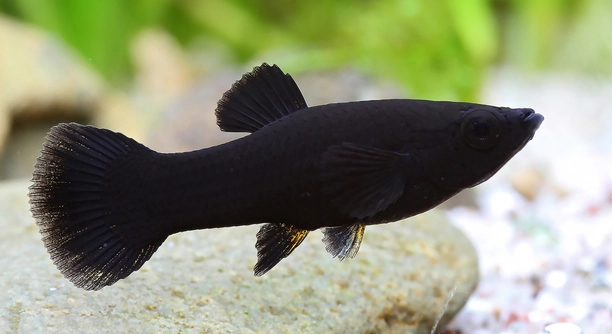
Moving Black Molly fish can be stressful for both the fish and the owner. Proper handling ensures their safety, reduces stress, and keeps them healthy during transportation, whether moving them to a new tank or relocating your aquarium setup.
To move Black Molly fish safely, it is essential to maintain stable water conditions, minimize handling, and use appropriate containers. Gradual acclimation to new environments reduces shock and stress, ensuring the fish’s health and survival during transport.
Knowing the right techniques will help your Black Molly adjust smoothly to a new tank. Proper care during relocation is essential for their long-term well-being.
Preparing the Tank Before Moving
Before moving your Black Molly, it’s important to prepare the new tank. Make sure the water is clean and treated, with proper temperature and pH levels. Check that the filter is working correctly and that decorations or plants are secure. The tank should be ready before introducing the fish, so they aren’t exposed to sudden changes. Gradually adjusting the water to match the conditions in the current tank can reduce stress. Avoid using chemicals that could harm the fish during transfer. Make sure the tank has enough space for them to swim comfortably. Small adjustments to lighting and water flow can make the fish feel more at ease. If possible, add a few hiding spots so the fish can retreat if they feel stressed. Taking these steps ensures your Black Molly adapts quickly to the new environment without health problems.
Proper preparation makes the move smoother and less stressful for your fish.
Careful attention to tank conditions ensures your Black Molly remains healthy. Stress can be minimized by controlling water parameters and providing hiding spaces.
Transporting Your Black Molly
Use a secure, leak-proof container to transport your Black Molly. Make sure the water is similar in temperature to their current tank. Covering the container can reduce stress and keep them calm. Avoid shaking or sudden movements.
Transporting Black Molly requires steady handling. Keep the water temperature stable and avoid overcrowding. Move slowly to prevent accidents or water spills. During transport, minimal noise and vibration help the fish stay calm. If the distance is long, consider adding a small amount of aquarium salt to reduce stress and support their immune system. Use a soft net when transferring the fish to prevent injury, and avoid sudden splashes. Check the container periodically for any signs of water leakage or unusual behavior. Once you arrive, allow the fish to acclimate gradually before fully introducing them to the new tank. Small, careful steps during transport will help prevent shock, making the fish’s adaptation smoother and safer. Proper handling and attention to detail are key to ensuring your Black Molly remains healthy and stress-free during relocation.
Acclimating Your Black Molly
Acclimation is essential to prevent shock. Slowly introduce your Black Molly to the new tank water. This helps them adjust to differences in temperature, pH, and water hardness without stress.
Begin by floating the transport bag in the new tank for 15–20 minutes to equalize temperature. Gradually add small amounts of tank water to the bag every five minutes. Repeat this process until the bag is mostly filled with the tank water. Avoid rushing, as sudden changes can cause stress or illness. Once the water in the bag closely matches the tank, gently release the fish using a soft net. Do not pour the transport water directly into the tank, as it may contain contaminants. Observing the fish closely during the first hours helps identify any signs of distress.
After acclimation, monitor the fish for a day or two. Ensure they are swimming normally, eating, and interacting with tankmates. This period is critical for detecting early health issues and confirming that the transition was successful. Feeding small amounts of food can encourage activity and reduce stress, but avoid overfeeding, which can harm water quality and cause digestive problems. Consistent observation ensures the fish adjusts comfortably to its new environment.
Minimizing Stress During Transfer
Stress can harm your Black Molly’s health and immune system. Minimize noise, bright lights, and sudden movements during transfer.
Use a quiet, calm approach when moving the fish. Limit handling and avoid tapping on the container. Maintain stable water conditions and keep the environment controlled during transfer. Transporting at consistent temperatures and avoiding extreme shifts is essential. A small amount of aquarium salt can help reduce stress. Keep the container covered to limit visual disturbances, which can frighten the fish. Carefully place the container in a stable position in the vehicle or transport area. Plan the move to be as short as possible. Stress management during this stage helps prevent illness and supports a smoother adjustment in the new tank. Regularly check the fish’s behavior for signs of agitation or lethargy. Gentle handling, minimal disturbances, and careful timing all contribute to the fish’s well-being during this critical stage of relocation.
Using Proper Containers
Choose a clean, sturdy container for transporting your Black Molly. Avoid containers that can tip over or leak.
Plastic bags, small buckets, or dedicated fish transport boxes work well. Ensure the container is large enough for the fish to move comfortably.
Controlling Water Temperature
Keep the water temperature stable during the move. Sudden fluctuations can cause stress or shock. Using a thermometer helps monitor conditions.
For longer moves, consider insulated containers or heat packs if the ambient temperature is low. Avoid direct sunlight or extreme cold, which can harm the fish. Stable temperature is crucial for their health during transport.
Limiting Handling
Minimize handling to prevent injury and stress. Use a soft net when necessary and avoid touching the fish with bare hands.
Observing Behavior
Watch your Black Molly closely during and after the move. Signs of stress include rapid gill movement, clamped fins, or lethargy.
FAQ
How long can Black Molly fish stay in a transport bag?
Black Molly fish can safely stay in a transport bag for up to 2–3 hours. Make sure the bag is filled with enough water to allow swimming and oxygen. For longer trips, consider using an aerated container or transferring them to a larger, insulated container with fresh water. Avoid overcrowding, as it increases stress and can lead to oxygen depletion.
Can I use tap water directly in the transport container?
No, tap water must be treated with a water conditioner to remove chlorine and chloramine before adding fish. Untreated water can damage gills and stress the fish. Make sure the temperature is similar to the tank they are coming from to prevent shock.
Should I feed my Black Molly before moving it?
It’s best to avoid feeding 12–24 hours before the move. Fish that are fed immediately before transport can have digestive issues, and leftover food may pollute the water. A clean, empty stomach reduces stress and helps maintain water quality during the move.
How can I reduce stress during transport?
Keep the container covered to limit light exposure, avoid shaking or sudden movements, and maintain a stable water temperature. Soft, gentle handling and minimal exposure to noise help the fish remain calm. Adding a small amount of aquarium salt can also help reduce stress.
What should I do if my Black Molly shows signs of stress after moving?
Observe the fish closely for clamped fins, rapid gill movement, or lethargy. Ensure water parameters are correct, provide hiding spots, and limit feeding to small amounts. If symptoms persist, isolate the fish and consult an aquatic veterinarian for guidance.
Can I move multiple Black Mollies together?
Yes, but avoid overcrowding. Use a container large enough for all fish to swim freely. Too many fish increase stress and oxygen depletion. If transporting several fish, consider splitting them into multiple containers to maintain safety.
How long does it take for Black Mollies to adjust to a new tank?
Adjustment time can vary, but typically 24–48 hours are sufficient if the water parameters are similar. Watch for normal swimming, eating, and interaction with tankmates. Gradual acclimation and a calm environment help them adapt more quickly.
Is it safe to use decorations during the move?
Avoid decorations in the transport container. They can injure the fish or make handling more difficult. Decorations should be added only after the fish has safely acclimated to the new tank.
Should I treat the water after moving Black Mollies?
Yes, after introducing the fish to the new tank, check water parameters like pH, ammonia, and temperature. Use water conditioners if needed and monitor their behavior for signs of stress or illness.
What’s the best way to introduce Black Mollies to a new tank?
Float the transport bag in the new tank for 15–20 minutes to equalize temperature. Gradually mix small amounts of tank water into the bag, then release the fish gently using a net. Avoid pouring transport water directly into the tank to prevent contamination.
How often should I monitor the fish after moving?
Monitor them closely for at least 48 hours. Watch for swimming patterns, appetite, and signs of stress. Check water parameters daily to ensure stability and prevent illness during this critical adjustment period.
Can moving stress cause illness?
Yes, stress weakens the immune system and makes Black Mollies more prone to infections. Careful handling, proper acclimation, and stable water conditions help reduce the risk of illness after relocation.
What is the ideal transport container size?
A container that allows each fish at least one liter of water per inch of body length works well. Ensure the container is sturdy, leak-proof, and easy to handle. Adequate space prevents overcrowding and reduces stress.
Is it safe to transport Black Mollies in cold or hot weather?
Extreme temperatures can be dangerous. In cold weather, use insulated containers or heat packs. In hot weather, keep containers out of direct sunlight and provide cooling if necessary. Maintaining stable, moderate temperatures is key.
Can I use nets to transfer multiple fish at once?
It’s safer to transfer fish one at a time or in small groups. Using a net for too many fish increases stress and can lead to accidental injury. Gentle, careful handling is always better.
How long before I can feed them in the new tank?
Wait 2–4 hours after acclimation to feed. Start with small amounts to ensure they are eating normally and the water remains clean. Gradually resume normal feeding routines.
Is it okay to move Black Mollies at night?
Yes, nighttime moves can reduce stress since fish are less active. Keep lighting low, handle them gently, and maintain calm conditions throughout the process.
What signs indicate my Black Molly is adjusting well?
Normal swimming, exploration of the new tank, interaction with other fish, and regular feeding indicate successful adjustment. Clamped fins or hiding may signal stress, requiring closer monitoring.
How can I prevent oxygen depletion during transport?
Use an appropriate water volume and avoid overcrowding. For longer moves, use aerators or oxygen tablets. Keep the container covered but ventilated to maintain air exchange.
Is acclimating each fish individually necessary?
It depends on tank size and fish number. For multiple fish, acclimation together is acceptable if the water conditions match. Individual acclimation is safest for stressed or delicate fish.
Can I reuse the transport water in the new tank?
It’s better not to reuse transport water. It may contain waste or contaminants. Gradually introducing fish into fresh, treated tank water is safer and reduces the risk of illness.
How do I handle emergencies during transport?
Keep extra containers, water conditioner, and nets ready. If a fish shows severe distress, quickly transfer it to a safe, oxygenated container. Monitor closely and adjust water parameters as needed.
Are young Black Mollies more sensitive to moving?
Yes, juveniles are more vulnerable to stress and temperature changes. Extra care during transport, stable water conditions, and gentle handling are essential to ensure their safety.
Can I use a heater during transport?
Only if the move is long and the temperature is too low. Ensure the heater is safe for portable use, and monitor the water to avoid overheating.
How do I prevent injuries when releasing the fish?
Use a soft net or gently tip the container to let fish swim out. Avoid sudden movements, splashing, or forcing fish into the tank. Smooth, calm introductions reduce stress and injury risk.
Is quarantine necessary after moving?
Quarantine is recommended for new fish to prevent disease transmission. Observing them in a separate tank for a few days ensures they are healthy before joining established tankmates.
How can I maintain water quality after moving?
Test parameters daily, perform partial water changes if needed, and avoid overfeeding. Proper filtration and regular maintenance support the fish’s health and prevent stress-related issues.
What is the safest method for long-distance transport?
Use insulated, aerated containers, maintain temperature, and limit handling. Break the trip into manageable segments if possible, and acclimate the fish gradually at each stop.
Can Black Mollies tolerate slight changes in water hardness or pH?
They can tolerate minor fluctuations, but large differences can stress the fish. Gradual acclimation is necessary if the new tank differs significantly in water chemistry.
How often should I check on the fish during transport?
Check every 30–60 minutes for long trips, ensuring water level, temperature, and fish condition remain stable. Avoid opening the container too often, which can increase stress.
What supplies should I prepare before moving Black Mollies?
Prepare containers, water conditioner, nets, thermometer, and an insulated box if needed. Having all supplies ready prevents last-minute stress and ensures smooth handling.
Can I move fish with live plants?
It’s safer to remove plants during transport. They can break, introduce debris, or trap fish. Add plants after acclimation to provide hiding spots and maintain tank comfort.
How long does it take for water parameters to stabilize in a new tank?
Usually 24–48 hours, but it depends on filtration, tank size, and prior water quality. Monitor ammonia, nitrite, and pH to ensure safe conditions for the fish.
What if my Black Molly refuses to eat after moving?
This is normal for the first day. Offer small amounts of food gradually. Ensure water quality is good, and provide hiding spaces to reduce stress and encourage feeding.
Can I use ice packs to cool water during transport?
Yes, for hot conditions, but wrap ice packs to prevent direct contact with the water. Monitor temperature carefully to avoid shocking the fish.
Is it okay to transport fish in a small car without climate control?
Extreme temperatures without climate control can be harmful. Use insulated containers and temperature regulation to maintain a stable, safe environment.
How can I help stressed fish recover quickly?
Provide calm conditions, stable water, hiding spots, and small, frequent feedings. Monitor health and behavior closely for the first 48 hours.
Are all Black Mollies equally tolerant to transport stress?
Individual tolerance varies. Older, stronger fish handle stress better than juveniles or sick individuals. Tailor handling and acclimation based on each fish’s condition.
What is the best way to prevent overcrowding during transport?
Calculate at least one liter of water per inch of fish. Use multiple containers if needed to reduce stress and maintain oxygen levels.
How do I safely introduce multiple fish at once?
Acclimate together only if water parameters are compatible. Release them gently using a soft net, and ensure adequate space in the tank to prevent competition or stress.
Can moving cause long-term health issues?
If done improperly, yes. Stress, temperature shock, or poor acclimation can weaken immunity, making fish prone to disease. Proper handling, gradual acclimation, and stable water prevent long-term problems.
How do I know if acclimation worked?
Fish swimming normally, eating, and interacting with tankmates indicate successful acclimation. Persistent hiding, clamped fins, or unusual behavior may require further observation or intervention.
Should I perform a water change immediately after moving?
Wait a few hours to let fish acclimate. Partial water changes can be done if water quality is poor, but sudden changes can add stress.
How can I reduce risk when transporting several Black Mollies?
Use multiple containers, stable water conditions, and minimal handling. Monitor oxygen levels and avoid overcrowding to prevent stress and injury.
Is it safe to transport Black Mollies during extreme weather?
Avoid extreme heat or cold. Use insulated containers, climate control, and monitor temperature closely. Stable, moderate conditions ensure safe transport.
How do I manage sudden water contamination during the move?
Have backup treated water ready. Transfer fish to clean containers immediately and monitor their health. Avoid introducing contaminated water to the new tank.
What signs indicate immediate intervention is needed?
Severe lethargy, labored breathing, bleeding, or abnormal swimming patterns require immediate attention. Move fish to safe water and adjust temperature or oxygen levels.
Can acclimation mistakes be corrected?
Yes, by stabilizing water conditions, reducing stress, and providing hiding spots. Slow, careful correction prevents further harm to the fish.
Are juvenile Black Mollies more prone to stress than adults?
Yes, juveniles have weaker immune systems and are more sensitive to water changes. Extra care during transport and acclimation is essential.
How do I prevent ammonia buildup during transport?
Use clean water, avoid overfeeding, and minimize transport duration. For longer trips, aeration or partial water changes help maintain safe ammonia levels.
Can stress from moving affect breeding behavior?
Yes, stressed Black Mollies may temporarily stop breeding. Reducing stress and ensuring stable conditions helps restore normal reproductive behavior.
How do I handle aggressive tankmates during acclimation?
Provide hiding spots and monitor interactions. Separate aggressive fish if necessary until the new fish adapts and stress is minimized.
Is it necessary to quarantine after every move?
Quarantine is recommended, especially for new or stressed fish, to prevent disease and monitor health before joining other tankmates.
What’s the best method to acclimate fish to large tanks?
Use gradual water mixing and temperature equalization. Introduce fish slowly, provide hiding spots, and observe for signs of stress.
Can I use aeration in the transport container?
Yes, for longer trips or multiple fish. Aeration maintains oxygen levels and reduces stress, especially in warm or crowded conditions.
How do I safely release fish from a bag into a tank?
Float the bag to equalize temperature, gradually mix in tank water, and use a net to release fish gently. Avoid pouring transport water directly into the tank.
Can I use bottled water for transport?
Only if treated for chlorine and matched in temperature to the fish’s current tank. Untreated water can harm gills and stress the fish.
How important is water chemistry consistency?
Consistent water chemistry prevents stress and disease. Gradual acclimation is essential when parameters differ between tanks. Monitoring pH, hardness, and temperature ensures safe transition.
How long should I wait before introducing other fish?
At least 24–48 hours, after ensuring the new fish is eating, swimming normally, and showing no signs of stress or illness.
Can moving fish affect their color?
Stress can cause temporary color fading. Proper acclimation, stable water, and minimal handling help fish regain normal coloration quickly.
Is it better to transport in the morning or evening?
Both can work, but cooler temperatures in the morning or evening help prevent overheating. Avoid peak heat and direct sunlight.
How do I handle transport if the trip is over 4 hours?
Use larger, aerated containers with stable temperature. Check water and fish condition periodically, and minimize disturbances during the trip.
Should I use a separate net for each fish?
For delicate or stressed fish, using separate nets reduces risk of injury and cross-contamination.
How do I prevent fish from jumping during transport?
Cover containers securely but allow ventilation. Avoid sudden movements or loud noises that may startle them.
Can stress cause fin damage?
Yes, stressed fish may rub against surfaces or develop clamped fins. Proper handling and hiding spaces reduce this risk.
How do I maintain calm water during the move?
Keep the container level and avoid shaking. Use padding or a box to stabilize it during transport.
Can acclimation prevent all stress-related issues?
It reduces most issues but cannot eliminate stress entirely. Gentle handling, stable water, and careful observation are key.
Is it necessary to monitor water parameters after every move?
Yes, monitoring ensures safe conditions and early detection of issues, helping the fish recover quickly.
How do I handle an overly aggressive Black Molly during acclimation?
Provide hiding spots and monitor interactions. If needed, temporarily isolate the aggressive fish to prevent harm.
Can I acclimate fish in small groups?
Yes, small groups reduce stress while allowing social interaction. Ensure sufficient space and stable water conditions for all fish.
What is the main reason fish get stressed during moves?
Rapid changes in temperature, water chemistry, and handling stress are primary causes. Gradual acclimation and careful transport prevent these issues.
How long should I wait before cleaning the tank after moving fish?
Wait until fish have acclimated and are eating normally. Immediate cleaning can disturb water balance and stress the fish.
Can stress affect Black Molly growth?
Chronic stress can slow growth and weaken the immune system. Proper handling, acclimation, and stable conditions support healthy development.
Is it safe to move pregnant Black Mollies?
Yes, but handle them carefully. Avoid sudden movements and maintain stable water conditions to reduce stress and prevent premature labor.
How do I prevent disease after moving fish?
Quarantine, monitor behavior, maintain water quality, and avoid overcrowding. Early observation ensures prompt intervention if issues arise.
Can multiple moves affect fish long-term?
Repeated stress can weaken immunity and affect behavior. Minimize moves and ensure proper acclimation to protect long-term health.
What is the ideal acclimation time for sensitive fish?
30–60 minutes of gradual water mixing and temperature equalization works well for most fish, including Black Mollies.
Should I avoid bright lights during transport?
Yes, dim lighting reduces stress. Cover containers to limit visual disturbances while ensuring proper ventilation.
How do I prevent fish from getting trapped in corners during transport?
Use larger containers and gentle handling. Avoid decorations or obstacles that may trap fish and increase stress.
Can temperature swings be fatal?
Extreme temperature changes can cause shock or death. Keep water stable and monitor throughout the move.
How do I ensure oxygen levels remain sufficient?
Use adequate water volume, aeration, and avoid overcrowding. Monitor behavior for signs of oxygen stress.
Can sudden noise affect the fish?
Yes, loud or sudden sounds can startle fish, leading to stress or injury. Keep transport quiet.
Is acclimation necessary for minor moves within the same tank system?
Yes, even small changes can cause stress. Gradual adjustment helps prevent shock.
How do I prevent stress-related disease?
Stable water, minimal handling, hiding spots, and careful acclimation reduce risk. Monitor closely for early signs.
What’s the most common mistake during Black Molly transport?
Rushing acclimation, overcrowding, and unstable water conditions. Taking time and being gentle prevents most issues.
Can stress affect reproduction temporarily?
Yes, stressed fish may stop breeding. Stable conditions and calm environments help restore reproductive behavior.
How do I manage aggression after moving fish?
Provide hiding spots, monitor interactions, and separate aggressive individuals if necessary.
Are young Black Mollies more sensitive than adults?
Yes, they are more prone to stress and temperature fluctuations. Extra care ensures safety.
How do I minimize handling?
Use nets only when necessary and gently release fish into new water. Avoid direct contact with hands.
What’s the best water temperature for transport?
Maintain the same temperature as the current tank, typically around 24–28°C (75–82°F). Stable conditions prevent shock.
How do I handle leaks or spills during transport?
Keep backup containers and absorbent materials ready. Transfer fish immediately if leaks occur to prevent stress or injury.
Can transport affect feeding behavior long-term?
Temporary changes are normal. Fish usually resume normal feeding once acclimated and stress is reduced.
How can I make the move as stress-free as possible?
Stable water, gentle handling, minimal noise, and gradual acclimation. Provide hiding spaces and observe carefully.
Should I remove tank decorations before moving?
Yes, remove anything that could injure the fish. Add decorations after acclimation.
How important is monitoring behavior after moving?
Moving Black Molly fish requires careful planning and attention to detail. Ensuring their safety and comfort during transport is essential for maintaining their health and well-being. The process begins with preparing the new tank properly, checking water temperature, pH, and filtration systems. A clean, stable environment reduces stress and provides a secure place for the fish to settle. Before moving, it is important to select the right container. Whether using a plastic bag, bucket, or transport box, it should be leak-proof, spacious enough for swimming, and sturdy enough to prevent tipping. Covering the container and minimizing movement during transport helps maintain calm water conditions. Avoid overfeeding before the move, as uneaten food can reduce water quality and increase stress. These steps may seem simple, but each one plays an important role in keeping the fish safe.
Acclimation is another crucial step that should not be rushed. Gradually introducing the fish to the new water temperature and chemistry prevents shock and reduces stress. Floating the transport bag in the new tank allows the water temperature to equalize, and slowly adding small amounts of tank water helps the fish adjust to the new environment. This process ensures that the Black Molly can adapt without sudden changes in water parameters. Observing their behavior during and after the move is important for early detection of stress or health problems. Signs such as clamped fins, rapid gill movement, or lethargy indicate that the fish may need extra care. Providing hiding spots and limiting disturbances allows them to feel more secure. Proper monitoring during the first 24–48 hours can make a significant difference in their adjustment period.
Finally, minimizing stress throughout the process is key to a successful move. Stable water conditions, gentle handling, and limited exposure to noise or bright light all contribute to the fish’s comfort. Transporting multiple fish requires careful spacing to avoid overcrowding and oxygen depletion. For longer trips, aeration and insulation help maintain water quality and temperature. After the move, continue monitoring water parameters, feeding behavior, and general health. A patient approach, combined with careful observation, allows Black Mollies to recover quickly and settle into their new tank. Taking these precautions ensures that the fish remain healthy, active, and stress-free, giving them the best chance to thrive in their new environment.

Hello,
If you enjoy the content that we create, please consider saying a "Thank You!" by leaving a tip.
Every little bit helps us continue crafting quality advice that supports the health, happiness, and well-being of pets around the world, for pets of all shapes, sizes, and species.
We really appreciate the kindness and support that you show us!