
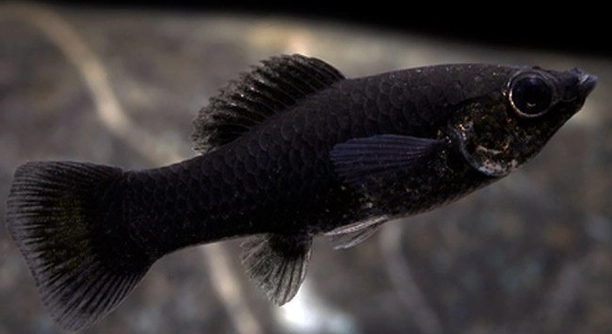
Do you ever find yourself caring for black mollies and noticing a light layer of mucus on their skin, creating gentle concern about their comfort, behavior, and overall health within your calm home aquarium environment.
Excess mucus on black molly skin typically develops due to stress, poor water quality, parasites, bacterial irritation, environmental shifts, chemical exposure, or inadequate nutrition. These factors disrupt the protective slime coat, leading to buildup that signals compromised health requiring attention.
Exploring these causes will help you understand what affects your molly’s skin and encourage steps that support a healthier life.
Stress Related Causes
Stress can trigger noticeable mucus changes on black mollies, especially when their environment shifts too quickly. When these fish experience constant noise, overcrowding, or sudden lighting changes, their bodies respond by producing more protective coating. This reaction helps them defend against irritation, yet it also signals that something in their surroundings needs steady adjustment. I have seen how even small disruptions can influence their behavior, making them swim uneasily or hide more than usual. Maintaining consistent routines becomes important, including gentle handling and thoughtful placement of decorations or plants. Clean water, soft movement around the tank, and predictable feeding schedules all work together to calm their system. When you reduce stressful triggers, the mucus gradually returns to a healthier balance, giving your molly a better chance to stay active and comfortable each day. This simple approach supports stability and helps prevent future flare ups that may unsettle your peaceful aquarium setting.
Reducing stress keeps black mollies safer and more stable, allowing their natural coating to settle into a healthier state. When their environment feels calm and predictable, they respond with smoother movement and clearer skin, giving you a better sense of their overall comfort and general well being each day gently.
Stable conditions play a meaningful role in keeping mucus levels under control, and focusing on these details creates a calmer home for your fish. Clear water, steady temperatures, and balanced stocking limits help prevent unnecessary reactions that may lead to cloudy skin. I try to make small changes gradually, giving the fish time to adjust without feeling overwhelmed. This includes slow filter upgrades, mild lighting shifts, and quiet moments during feeding time. These habits support their overall well being and reduce the chances of recurring issues. When everything remains steady, your molly can thrive with confidence and show healthy patterns.
Water Quality Issues
Poor water conditions often affect the slime coat, creating thicker layers that signal irritation in your molly. Ammonia spikes, leftover food, and unbalanced filtration can build up quickly, making the coating react. Addressing these concerns early keeps your fish steadier and helps maintain cleaner skin each day with ease around.
Maintaining clean and stable water is one of the most important steps when handling excessive mucus on black mollies. Their bodies react quickly to shifts in ammonia, nitrite, or nitrate, and even mild spikes can irritate the skin. I try to keep testing supplies nearby so I can check levels before problems grow. Regular water changes help dilute harmful buildup, especially after heavy feeding days or when plants shed more debris into the tank. It is helpful to clean the filter media gently, keeping beneficial bacteria intact while removing loose waste that may cloud the water. Good aeration also supports healthy balance by moving the water enough to reduce stagnant zones where debris can settle. When the tank stays cleaner, black mollies show smoother movement and clearer skin, giving you peace of mind as you watch them explore their space. Stable water conditions also lower their stress, helping reduce the chance of recurring irritation. By keeping a calm and predictable routine, you create an environment where your molly can feel secure and maintain a healthier coating without frequent flare ups that distract from their natural behavior.
Parasitic Irritation
Parasites can cause thickening of the mucus layer, making the skin look cloudy or uneven. These organisms attach to the surface and irritate the coating, leading to visible changes. I try to keep a close eye on early signs since timely attention helps prevent further discomfort.
When parasites settle on a molly’s skin, the irritation often becomes noticeable through subtle shifts in behavior. You might see increased rubbing against decorations, faster breathing, or hesitation during feeding. These signs tell you the protective layer is reacting to the unwanted disturbance. I focus on quarantine procedures for any new fish, since this reduces the chances of bringing parasites into a stable tank. Medication designed for external parasites helps clear the irritation, but I always pair it with careful water monitoring. Clean, stable conditions support recovery and prevent the skin from becoming overly reactive again.
After treatment, maintaining a tidy environment is important since parasites often thrive in tanks with debris buildup. I prefer to vacuum the substrate more often during recovery, removing leftover waste that may harbor eggs or larvae. Gentle filter maintenance also helps keep the water cleaner without disrupting helpful bacteria. As the tank becomes more stable, the slime coat slowly settles back to normal. Watching these improvements gives a reassuring sense of progress, letting your molly move calmly and show clearer skin once the irritation fades.
Bacterial Influence
Bacteria can trigger excess mucus when the skin becomes sensitive to their presence. Even mild imbalances may cause a noticeable reaction. I try to stay consistent with tank maintenance so the fish can recover more easily, building a more comfortable environment while keeping flare ups from returning over time.
When bacterial irritation begins, the slime coat often thickens to shield the skin from discomfort. This change can appear alongside redness, slower swimming, or a slight loss of color. I always check water parameters first, since unstable conditions give bacteria more opportunities to irritate delicate tissue. A combination of partial water changes and gentle filtration support helps remove lingering waste that feeds bacterial growth. Treatment may be necessary in stubborn cases, but clean surroundings make recovery smoother and reduce stress on the fish. Adjusting feeding habits, removing uneaten food quickly, and keeping plant debris under control help prevent recurring issues, giving your molly a better chance to maintain clear and healthy skin.
Environmental Shifts
Sudden environmental changes can make the mucus layer react quickly, leaving the skin looking cloudy or uneven. I try to keep adjustments slow, since rapid temperature or pH swings often overwhelm black mollies and lead to extra coating that signals discomfort within their surroundings.
Stable conditions keep the slime coat from becoming overly reactive. Gradual changes in lighting, filtration, or water parameters help the fish stay relaxed and adjust without strain. I prefer small, steady tweaks rather than big changes, giving the molly time to settle comfortably and keep its skin looking clearer.
Chemical Exposure
Strong chemicals in the water can irritate the skin and trigger noticeable mucus buildup. Even small amounts from cleaning products or untreated tap water may disturb the coating. I make sure everything entering the tank is gentle and properly conditioned, lowering the chance of unwanted reactions that unsettle the fish.
Nutritional Factors
Poor nutrition can affect the slime coat and make black mollies more reactive to everyday stress. I try to offer balanced meals with steady variety, keeping the fish healthier and less prone to excessive mucus that forms when important nutrients are missing from their diet.
Why does my black molly have so much mucus on its skin?
Excess mucus on black mollies often forms in response to stress, poor water quality, parasites, or irritation from bacteria. I have noticed that even small environmental changes, like sudden temperature shifts or new tankmates, can trigger this reaction. The slime coat is their natural defense, so when it thickens, it’s usually a sign something is affecting their comfort or health.
Can poor water conditions really affect the slime coat?
Yes, water quality plays a huge role. Ammonia, nitrite, and nitrate spikes irritate the skin and prompt the molly to produce extra mucus. I make it a habit to test water regularly, clean filters gently, and perform partial water changes to keep conditions stable. Clean water helps their coating remain smooth and prevents unnecessary stress.
How do parasites influence mucus production?
External parasites attach to the skin, causing irritation and prompting the molly to produce more slime as a protective response. I always quarantine new fish to reduce the risk of introducing parasites. If I spot rubbing against decorations or unusual swimming, I check closely and treat early to prevent more serious problems.
Does diet impact mucus levels?
Yes, nutrition affects the skin’s condition. A poor diet can weaken the molly, making its protective layer more reactive. I provide a balanced mix of high-quality flakes, occasional live food, and plant matter. Proper nutrition supports a healthy slime coat and helps prevent excess mucus caused by stress or minor infections.
Can stress alone trigger mucus overproduction?
Absolutely. Stress from overcrowding, sudden lighting changes, or loud vibrations can lead to thicker mucus. I notice my mollies react even to small disturbances, so keeping their environment calm and consistent makes a big difference. Simple steps like gentle feeding routines and minimal sudden movement help keep them at ease.
Is bacterial irritation common in black mollies?
It is more common than many realize. When the water or tank substrate becomes unclean, bacteria can irritate the skin, prompting a thicker slime layer. I pay close attention to leftover food and plant debris, keeping the tank tidy. Bacterial irritation is often preventable with regular maintenance.
How can I safely reduce excess mucus?
Addressing the cause is key. I start with water testing and gradual adjustments to stressors. Parasites or bacteria may require targeted treatment, but I always combine this with stable water and clean surroundings. Nutrition and gentle care also help the slime coat return to normal. Patience is important, as recovery can take time.
Will black mollies recover fully from thick mucus buildup?
Yes, with consistent care, they usually do. I’ve seen mollies return to clear, healthy skin once water quality improves, stress is minimized, and proper nutrition is restored. Ongoing monitoring prevents recurrence and keeps their protective layer functioning normally.
Are there long-term effects if mucus buildup isn’t addressed?
Ignoring excessive mucus can lead to skin damage, infections, or higher stress levels. I always try to intervene early. Healthy slime protects against bacteria and parasites, so maintaining it is essential for long-term wellbeing. Regular observation ensures issues don’t escalate and helps keep the molly thriving.
How often should I check for mucus problems?
Daily observation is best. I look for changes in swimming, hiding, or skin appearance. Catching early signs allows me to act before irritation worsens. Checking water quality and behavior regularly ensures the slime coat stays healthy and my mollies remain active and comfortable.
Black mollies are delicate fish, and their slime coat is an important part of their health. Excess mucus on their skin can indicate several underlying issues, from stress and poor water quality to parasites, bacteria, or dietary problems. I have observed that even small changes in their environment can cause noticeable reactions in the coating. Maintaining clean water, stable conditions, and a balanced diet helps reduce these reactions and supports overall wellbeing. By paying attention to their behavior and appearance, you can catch potential problems early before they become serious, allowing your molly to thrive in a calm and safe space.
It is important to understand that excess mucus is usually a symptom rather than the main issue. For example, stress can be caused by overcrowding, sudden temperature changes, or aggressive tankmates, while water problems often result from unbalanced filtration, leftover food, or improper testing. Parasites and bacteria take advantage of weakened or stressed fish, causing the slime layer to thicken as a protective response. I have found that addressing each factor methodically produces the best results. Regular water tests, gentle filter cleaning, gradual changes, and proper feeding routines help mollies maintain healthy skin. Quarantining new fish and observing them closely also prevents the spread of parasites or infections, keeping the entire tank environment safer for all inhabitants.
Recovery from excess mucus takes time, patience, and consistent care. I have seen mollies gradually return to normal appearance once water quality improves, stressors are reduced, and nutrition is balanced. Observing their behavior daily, noting any changes in swimming, hiding, or feeding, provides helpful insight into their wellbeing. Even small improvements, like smoother movement or clearer skin, indicate progress. With ongoing attention and proper care, mollies can maintain a stable, protective slime coat, supporting both their health and comfort. Creating a calm, clean, and consistent environment is the best way to prevent mucus issues and ensure your fish remain active, healthy, and at ease.

Hello,
If you enjoy the content that we create, please consider saying a "Thank You!" by leaving a tip.
Every little bit helps us continue crafting quality advice that supports the health, happiness, and well-being of pets around the world, for pets of all shapes, sizes, and species.
We really appreciate the kindness and support that you show us!