
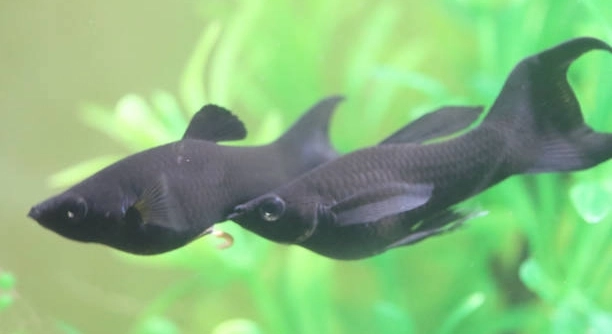
Have you ever noticed your Black Molly swimming around a freshly cleaned tank and wondered how it reacts to frequent changes? These lively fish are sensitive to their environment, and tank maintenance can affect their daily behavior. Understanding their needs helps ensure a healthier aquarium.
Black Mollies can adapt to frequent tank cleaning if changes are gradual and water parameters remain stable. Maintaining consistent temperature, pH levels, and avoiding sudden disruptions allows the fish to acclimate without experiencing significant stress.
Observing your Black Molly’s behavior during cleaning can reveal subtle signs of stress or comfort. These insights help maintain a balanced and healthy aquatic environment for long-term wellbeing.
Understanding Black Molly Sensitivity
Black Mollies are naturally sensitive to changes in their environment. Frequent tank cleaning can stress them if not done carefully. They rely on stable water parameters, including temperature, pH, and hardness. Sudden changes in these factors may lead to erratic swimming, hiding, or loss of appetite. Observing your fish after a cleaning can help you notice any early signs of stress. Maintaining a consistent routine with partial water changes instead of full cleanings allows the tank to stay clean without shocking the fish. Adding water conditioners and checking chemical levels regularly also supports their wellbeing. Over time, the fish can become more comfortable with routine maintenance, though sudden major changes should always be avoided. Their behavior during and after cleaning provides important feedback, helping you adjust your schedule to suit their tolerance. Proper preparation and observation ensure your Black Mollies remain healthy and active.
Adapting cleaning frequency gradually helps mollies cope with new routines without significant stress or behavioral changes.
Consistency in tank maintenance is key. Frequent cleaning can be manageable if water parameters remain steady, and partial water changes reduce disruption. Slowly increasing the cleaning schedule while monitoring fish behavior allows them to get used to the process. Using gentle filtration adjustments and avoiding harsh scrubbing prevents sudden shocks. Over time, Black Mollies learn that the cleaning routine does not threaten their safety, leading to calmer swimming patterns and more predictable feeding behavior. Watching how they react after each cleaning provides guidance on the pace of changes. This approach ensures both a clean tank and a healthy, stress-free fish environment.
Best Practices for Frequent Cleaning
Partial water changes prevent stress by keeping the tank’s environment stable and predictable.
When cleaning more often, it is important to focus on gradual adjustments. Start with small water replacements and avoid disturbing the substrate too much. Keep decorations and plants in place to provide familiar hiding spots. Testing water parameters before and after cleaning helps maintain consistency and prevents sudden shifts in pH or temperature. Feeding routines should remain consistent, as changes can further stress fish. Observing behavior over several cleanings helps determine how often your mollies tolerate maintenance without stress. Avoid deep cleaning that removes beneficial bacteria from the filter, as this bacteria supports the tank’s ecological balance. By keeping changes slow and steady, Black Mollies can remain comfortable and healthy, even with a frequent cleaning schedule. Proper preparation, observation, and attention to water quality make a significant difference in their long-term wellbeing.
Signs of Stress in Black Mollies
Black Mollies show stress through hiding, erratic swimming, or reduced appetite. Sudden changes in water or tank conditions often trigger these behaviors. Noticing these signs early helps prevent long-term health issues and allows for adjustments to cleaning routines.
Stress can also appear as faded coloration or increased aggression among tank mates. These signs indicate the fish are uncomfortable with their environment, often due to sudden water changes, temperature shifts, or overcleaning. Keeping track of behavior after each maintenance session helps identify patterns. Adjusting water changes gradually and maintaining stable conditions reduces stress. Using a thermometer, pH strips, and gentle filtration keeps conditions predictable. Avoiding harsh cleaning methods ensures the fish feel secure. Consistent feeding and minimal disturbance during cleaning further support a calm tank. Over time, Black Mollies become more resilient to frequent maintenance.
Even small signs like slower swimming or less interaction with plants can indicate stress. Monitoring these subtle behaviors allows for timely intervention. Observing group behavior helps identify if individual fish are struggling or if the whole tank is affected. Proper timing of cleaning, avoiding full water changes, and maintaining consistent conditions encourage calmer, healthier fish. The fish will gradually learn the tank remains safe despite frequent maintenance. Patience and careful observation are key to their adaptation.
Adjusting Cleaning Routines
Gradually increasing cleaning frequency allows Black Mollies to adjust without major stress. Sudden full cleanings should be avoided to protect their comfort.
Starting with partial water changes every few days minimizes disruption. Slowly incorporating filter maintenance and substrate cleaning helps maintain a healthy tank without shocking the fish. Observing how the fish respond allows adjustments to the schedule. Using water conditioners and ensuring the temperature remains stable prevents stress. Keeping hiding spots consistent provides security, reducing anxiety during maintenance. Feeding at the same time daily also promotes stability. Over time, this careful approach allows mollies to become accustomed to more frequent cleanings without negative effects on behavior or health. Gradual adaptation ensures the tank remains clean while supporting the fish’s wellbeing.
Preparing the Tank for Cleaning
Removing decorations and plants carefully prevents sudden disturbances that stress Black Mollies. Keeping familiar hiding spots intact helps the fish feel secure during maintenance.
Checking water parameters before starting ensures stable temperature, pH, and hardness. Gradual adjustments reduce stress and support overall fish health.
Using Gentle Cleaning Methods
Soft brushes and sponges prevent damage to beneficial bacteria. Avoid strong chemicals or harsh scrubbing that can upset the tank’s balance. Regular filter maintenance with minimal disruption keeps the ecosystem stable. Observing fish behavior during cleaning helps gauge if methods are effective or need adjustment.
Feeding Considerations During Cleaning
Feeding should remain consistent and undisturbed. Avoid overfeeding or sudden changes to diet, as stress from cleaning can make digestion harder.
Monitoring Fish After Cleaning
Observing Black Mollies closely after maintenance helps detect stress or discomfort. Early intervention maintains long-term health and ensures adaptation to cleaning routines.
FAQ
Can Black Mollies get stressed from frequent cleaning?
Yes, they can. Black Mollies are sensitive to sudden changes in water conditions. Frequent cleaning can cause stress if water temperature, pH, or hardness fluctuate too much. Gradual changes, partial water replacements, and keeping decorations in place help reduce stress. Observing behavior during and after cleaning is essential.
How often should I clean a Black Molly tank?
The frequency depends on tank size, fish population, and filtration efficiency. Partial water changes weekly or biweekly are usually sufficient. Full cleanings should be rare and done gently. Adjust the schedule based on fish behavior, water clarity, and chemical testing results. Overcleaning can be more harmful than letting the tank get slightly cloudy.
Is it okay to remove all decorations during cleaning?
It’s best to avoid removing everything at once. Decorations and plants provide hiding spots that make fish feel safe. If you need to clean them, do so gradually, one section at a time, and return them promptly to maintain familiarity. This reduces anxiety for the mollies.
Can Black Mollies adapt to frequent water changes?
Yes, with careful management. Frequent cleaning is possible if changes are small and consistent. Using conditioned water at the same temperature and maintaining stable pH and hardness levels helps the fish adjust. Watching their response after each cleaning guides the pace of adaptation.
What are the signs my Black Molly is stressed?
Stress can show as hiding, erratic swimming, loss of appetite, faded color, or increased aggression. Even subtle behaviors like slower movement or reduced interaction with the environment are important signals. Early recognition helps prevent long-term health issues and allows adjustments to cleaning routines.
Should I change feeding schedules during cleaning?
No, it’s better to keep feeding consistent. Stress from cleaning can affect digestion, so feeding at the same time each day helps maintain stability. Avoid overfeeding or introducing new foods right after a cleaning session to minimize additional stress.
How do I maintain beneficial bacteria during cleaning?
Avoid scrubbing filter media too harshly or replacing all filter material at once. These bacteria support the tank’s ecological balance. Rinse media gently with tank water instead of tap water to preserve bacterial colonies and prevent spikes in ammonia or nitrites.
Can I use strong chemicals to clean the tank?
No, chemicals can harm Black Mollies and destroy beneficial bacteria. Stick to fish-safe cleaning tools and conditioners. Use soft brushes or sponges and clean surfaces carefully. Rinse decorations thoroughly with water to remove debris without introducing toxins.
How long does it take for Black Mollies to get used to frequent cleaning?
Adaptation varies by individual fish and tank conditions. With gradual water changes, stable parameters, and minimal disturbance, mollies can adjust within a few weeks. Monitoring behavior and making slow adjustments ensures they remain comfortable and healthy during routine maintenance.
Is partial water change enough for tank maintenance?
Yes, partial changes are usually sufficient. They remove waste and keep water quality stable without shocking the fish. Full cleanings should be rare and done gently. Partial changes support beneficial bacteria and reduce stress while keeping the tank clean and safe for Black Mollies.
What should I do if a Molly seems stressed after cleaning?
Check water parameters immediately for temperature, pH, and hardness fluctuations. Offer hiding spots and reduce disturbances for a few hours. Observe behavior for improvement, and adjust cleaning methods to be more gradual next time. Quick interventions help prevent long-term health problems.
Can frequent cleaning improve fish health?
Yes, when done correctly. Regular cleaning removes waste, prevents algae, and maintains water quality. The key is consistency and gentleness. Overcleaning or sudden changes can be harmful, but careful maintenance promotes a healthy environment and supports Black Mollies’ wellbeing over time.
Black Mollies are delicate fish that respond strongly to changes in their environment. Frequent tank cleaning can cause stress if not handled properly, but with careful planning, it is possible to maintain a clean tank while keeping your fish healthy. Observing their behavior before, during, and after maintenance is key to understanding how they cope with changes. Hiding, erratic swimming, or reduced appetite are common signs of stress, and noticing these early can help prevent more serious health problems. Keeping water parameters consistent, such as temperature, pH, and hardness, provides a stable environment that mollies can adjust to more easily. Gradual adjustments in cleaning routines allow them to become comfortable with regular maintenance over time.
Maintaining a proper cleaning schedule is important for the overall health of the tank. Partial water changes remove waste without shocking the fish, and gentle cleaning of filters and decorations preserves beneficial bacteria that keep the ecosystem balanced. Overcleaning or using harsh chemicals can harm the fish and disrupt the natural balance of the tank. Consistent feeding schedules, familiar hiding spots, and minimal disturbance during cleaning all contribute to a calmer, healthier environment. By observing how your mollies react to each maintenance session, you can tailor the cleaning process to fit their tolerance level. This approach ensures the fish remain active, colorful, and healthy while the tank stays clean and safe.
Adjusting to frequent cleaning takes patience, but it is possible when done gradually and carefully. Black Mollies can become accustomed to a routine if changes are predictable and gentle. Preparing the tank properly, monitoring water quality, and using fish-safe methods all contribute to their comfort. Even small adjustments, like partial water changes and careful handling of decorations, make a significant difference in reducing stress. Over time, your mollies will learn that the maintenance process does not threaten their safety, allowing them to remain relaxed and active. Understanding their needs and responding to their behavior ensures that frequent cleaning supports both the health of the fish and the overall condition of the aquarium. Regular observation and thoughtful care make frequent maintenance a manageable and beneficial practice for Black Mollies.

Hello,
If you enjoy the content that we create, please consider saying a "Thank You!" by leaving a tip.
Every little bit helps us continue crafting quality advice that supports the health, happiness, and well-being of pets around the world, for pets of all shapes, sizes, and species.
We really appreciate the kindness and support that you show us!