
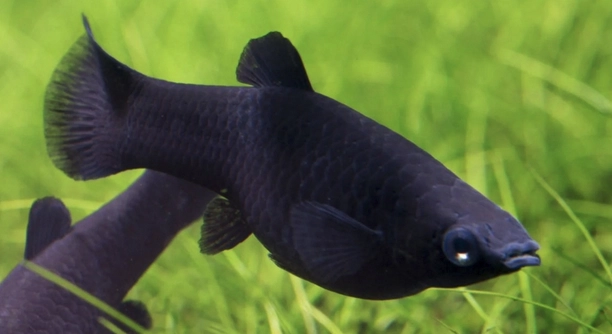
Have you ever noticed how black mollies seem to linger around natural decorations in your aquarium? Many aquarists find that certain additions can make their fish feel more comfortable and active in their tanks.
Driftwood offers several benefits for black mollies, including water softening, pH stabilization, providing hiding spots, promoting natural behaviors, and contributing to a healthy microbial environment that supports overall well-being and reduces stress in freshwater aquariums.
Learning how driftwood affects your black molly’s habitat can help improve their health and create a more balanced, natural environment in your aquarium.
Softening Water Naturally
Driftwood slowly releases tannins into aquarium water, which helps to soften it. Softer water is closer to the natural habitats of black mollies, making them more comfortable and active. Over time, this gradual change can reduce stress and improve overall fish health. Tannins also give the water a slight amber tint, creating a more natural appearance. Many aquarists notice their black mollies exploring more freely when driftwood is present. Additionally, softened water can make certain minerals less concentrated, which benefits the delicate gill tissues of these fish. It also supports beneficial bacteria that thrive in slightly acidic conditions, contributing to a stable ecosystem. Regular monitoring of water parameters is recommended to ensure levels remain suitable. Choosing the right type of driftwood is important, as some can release excessive tannins or unwanted chemicals if not properly prepared. Boiling or soaking driftwood before placing it in the tank can prevent sudden water changes that might shock your fish.
Softened water improves fish activity and supports beneficial bacteria that maintain a balanced aquarium environment.
Proper driftwood placement allows black mollies to swim around and hide, reducing stress and promoting natural behaviors. The wood also provides surfaces for algae and biofilm growth, which fish can nibble on, adding variety to their diet.
Hiding Spots and Territory
Driftwood creates natural hiding spots for black mollies, making them feel secure in their tank. Even if the aquarium is small, a few pieces of driftwood can break up open spaces, giving fish private areas.
These hiding areas reduce aggression and stress, especially if multiple fish share the same tank. Black mollies are territorial to some extent, and driftwood helps define spaces while preventing constant chasing. Hiding spots also encourage breeding behavior, as mollies prefer secluded areas to lay eggs. Combining driftwood with plants enhances these sheltered zones. The shapes and textures of wood vary, offering vertical and horizontal retreats. Some pieces can float initially, creating shaded spaces near the surface. Fish can interact with the driftwood, swimming under, around, and even resting on it. This interaction mimics natural habitats where mollies encounter driftwood, rocks, and plant roots. Over time, these structures can accumulate biofilm, giving the mollies natural grazing areas. Properly anchored driftwood ensures stability and prevents accidental tank damage while maintaining an organized layout that feels safe for the fish.
Promoting Natural Behavior
Driftwood encourages black mollies to explore, swim, and interact with their surroundings more actively. It allows them to hide, forage, and rest in ways that mimic their natural habitat, supporting healthier behavior patterns.
Black mollies use driftwood to navigate their environment, investigating crevices and surfaces. This promotes mental stimulation and reduces boredom, which can otherwise lead to stress or aggression. The wood also provides surfaces for algae and biofilm, giving the fish a natural source of grazing. Swimming around and under driftwood helps mollies exercise, supporting their muscle tone and overall fitness. Driftwood placement can guide movement in the tank, helping distribute fish evenly and preventing overcrowding in specific areas. Observing these behaviors can reveal much about fish health and comfort, showing when they feel secure or stressed.
In addition to physical activity, driftwood offers visual barriers that reduce conflicts. Black mollies often chase or nip each other when space is limited, but driftwood creates partitions, giving each fish a sense of territory. It also encourages breeding behavior, as mollies prefer secluded spots to lay eggs. Driftwood can act as a natural indicator of environmental conditions, showing algae growth or water changes over time, which helps maintain a stable and engaging tank.
Supporting Water Chemistry
Driftwood helps maintain slightly acidic water conditions, which black mollies thrive in. Its tannins slowly adjust pH levels, keeping the aquarium environment more stable and suitable for these fish.
Stable water chemistry reduces stress and supports the immune system of black mollies. Fluctuations in pH or hardness can lead to weakened defenses, making fish more prone to disease. The tannins from driftwood also have mild antimicrobial properties, helping to prevent harmful bacteria growth. Maintaining a consistent chemical environment encourages natural feeding and social behaviors, as mollies are less focused on stress responses. Driftwood works best when combined with regular water testing and controlled additions, ensuring that parameters remain within optimal ranges. The gradual release of tannins avoids sudden water changes that could shock the fish, creating a steady, predictable environment. Overall, driftwood serves both aesthetic and functional roles, enhancing tank stability while promoting the health and well-being of black mollies.
Encouraging Grazing
Driftwood surfaces support the growth of algae and biofilm, which black mollies naturally nibble on. This provides them with extra nutrients and stimulates natural feeding behavior.
Grazing on driftwood supplements their diet, offering proteins and minerals that contribute to overall health. It keeps fish engaged and prevents boredom, making their environment more dynamic.
Reducing Stress
Driftwood creates shaded areas and visual barriers, giving black mollies private spaces. This reduces stress caused by constant exposure or aggression from other fish. Stress reduction improves immune function, promotes natural behavior, and enhances overall vitality, making mollies more active and healthier in their tanks.
Aesthetic and Environmental Appeal
Driftwood adds a natural look to the aquarium, blending with plants and rocks. Its textures and shapes create a visually appealing layout while offering functional benefits for fish, including hiding spots and grazing surfaces, contributing to a balanced, natural aquarium environment.
Easy Maintenance Benefits
Driftwood is low-maintenance and long-lasting once prepared correctly. It requires occasional cleaning but continues to support fish health without frequent replacement, making it a practical choice for aquarists.
FAQ
What type of driftwood is best for black mollies?
Not all driftwood is safe for aquariums. Hardwood varieties like Malaysian, Mopani, and Manzanita are popular because they are dense, durable, and release tannins slowly. Softwoods, like pine or cedar, can release harmful resins and should be avoided. Proper preparation, including soaking or boiling, ensures any driftwood is safe for your fish.
How should I prepare driftwood before adding it to the tank?
Boiling or soaking driftwood removes excess tannins, dirt, and potential pathogens. Boiling for one to two hours is ideal for smaller pieces, while larger pieces may need soaking for several days. Change the water frequently until it runs clear. This prevents sudden water discoloration and protects your black mollies from stress caused by abrupt chemical changes.
Can driftwood change my aquarium’s pH?
Yes, driftwood naturally lowers pH slightly due to tannins. Black mollies prefer slightly acidic to neutral water, so driftwood can help create a suitable environment. Monitor your water regularly to ensure the pH remains within safe levels. If the pH drops too much, partial water changes can help balance it.
How often should I clean driftwood in my aquarium?
Driftwood requires minimal maintenance. Light scrubbing with a soft brush during routine water changes is usually enough. Avoid harsh chemicals, as these can harm fish. Cleaning removes excess algae and detritus while preserving beneficial biofilm that black mollies can graze on, supporting both nutrition and tank health.
Can driftwood affect the color of my black mollies?
Indirectly, yes. Driftwood’s tannins create a more natural environment, reducing stress and promoting vibrant coloration. Fish in comfortable, stable conditions often display stronger colors. While driftwood does not directly change pigmentation, it helps mollies look their best by supporting overall health.
Is driftwood suitable for all aquarium sizes?
Driftwood works in both small and large aquariums, but placement is important. In small tanks, choose compact pieces to prevent overcrowding and allow free swimming. In larger tanks, multiple pieces can create natural zones, encourage exploration, and reduce territorial aggression among black mollies.
Can black mollies eat driftwood?
Black mollies do not eat driftwood itself, but they nibble on the biofilm, algae, and microorganisms that grow on its surface. This grazing adds variety to their diet and supports natural feeding behavior. Driftwood also encourages foraging, keeping the fish active and mentally stimulated.
How long does driftwood last in an aquarium?
Properly prepared hardwood driftwood can last many years. It may darken over time and continue releasing tannins gradually. Softwoods or improperly cured wood can decay faster and may need replacement. Observing your driftwood for soft spots, mold, or unusual odors helps determine if it is still safe.
Does driftwood benefit other tank inhabitants besides black mollies?
Yes, many fish and invertebrates benefit from driftwood. It provides hiding spaces for shrimp, snails, and small fish. It also encourages natural grazing and promotes a balanced ecosystem, supporting beneficial bacteria that improve overall water quality for all aquarium inhabitants.
Can I combine driftwood with live plants?
Absolutely. Driftwood complements live plants, offering attachment surfaces for mosses, ferns, and anubias. It creates natural-looking aquascapes and helps define shaded areas. This combination benefits black mollies by providing shelter, grazing areas, and stimulating their natural behaviors while enhancing the visual appeal of the tank.
Will driftwood stain my tank water?
Some discoloration is normal due to tannins, giving the water a soft amber tint. This is safe for black mollies and often mimics their natural habitat. If the color is too strong, extended soaking before adding the wood or regular partial water changes can reduce staining.
How many pieces of driftwood should I add to my aquarium?
The number depends on tank size and fish population. One or two pieces may be sufficient in small tanks, while larger setups can support multiple pieces for varied hiding spots and exploration areas. Avoid overcrowding, ensuring enough open swimming space for black mollies to thrive.
Can driftwood help with breeding black mollies?
Yes, driftwood provides secluded spots and surfaces for laying eggs. Combined with plants, it creates ideal environments for spawning. Hiding areas reduce stress and aggression, encouraging healthier breeding behavior and increasing the likelihood of fry survival in community or dedicated tanks.
Is there any risk in keeping driftwood long-term?
Long-term risks are minimal if the wood is properly prepared. Monitor for soft spots, mold, or excessive algae growth. Remove or replace pieces that show decay. Well-maintained driftwood can support a stable, natural environment for black mollies for many years.
Can I use multiple types of driftwood in one tank?
Yes, combining different types adds variety in texture, color, and shape. This encourages exploration, provides diverse hiding spots, and enhances aesthetics. Ensure all pieces are safe for aquariums and properly prepared before placement to maintain water quality and protect your black mollies.
Does driftwood affect water hardness?
Driftwood has a mild softening effect on water, reducing mineral content over time. This is beneficial for black mollies, which prefer softer water. Regular testing ensures levels remain optimal. Driftwood’s influence helps maintain a more natural environment, supporting fish health and behavior.
Can I boil large pieces of driftwood?
Large driftwood may be difficult to boil completely. In this case, soaking in water for several days, with frequent water changes, is an effective alternative. This leaches tannins and prepares the wood safely for the aquarium while preventing sudden water chemistry shifts.
Are there alternatives if I don’t have driftwood?
Other natural decorations, like rocks, caves, or ceramic ornaments, provide hiding spots and surfaces for grazing, but they won’t release tannins or soften water. Driftwood offers unique benefits for water chemistry, fish behavior, and aesthetics that alternative decorations can’t fully replicate.
How long before my black mollies use the driftwood?
Fish often explore new driftwood immediately, but full use, including hiding and grazing, may take a few days. Black mollies adapt quickly to enriched environments. Observing them interact with the wood over time shows they are comfortable and using it naturally.
Can driftwood cause disease in aquariums?
Improperly prepared driftwood can harbor bacteria or fungi. Boiling or soaking before adding it eliminates most risks. Healthy, prepared wood promotes beneficial microbial growth instead, supporting a balanced aquarium and reducing the likelihood of disease among black mollies.
How does driftwood affect tank maintenance?
Driftwood slightly increases maintenance due to occasional cleaning of algae or debris, but its benefits outweigh the effort. It supports natural behaviors, improves water chemistry, and creates hiding spots, ultimately making the tank easier to manage and healthier for black mollies over the long term.
Is it safe to move driftwood once placed?
Yes, but move it carefully to avoid disturbing fish or plants. Sudden repositioning can stress black mollies. Plan placement in advance and make adjustments gradually, giving fish time to acclimate to new hiding spots and swimming routes.
Does driftwood help with algae control?
Indirectly, yes. By providing surfaces for grazing, it encourages black mollies and other tank inhabitants to consume algae and biofilm naturally. This contributes to a cleaner tank while still supporting fish nutrition and natural behaviors.
Can driftwood leach harmful substances over time?
Properly cured driftwood from trusted sources is generally safe. Untreated or improperly prepared wood can leach chemicals or toxins. Regular observation and water testing ensure the driftwood remains safe for black mollies and other aquarium inhabitants.
What size of driftwood is appropriate for my tank?
Choose pieces proportionate to tank dimensions. Large driftwood may overwhelm small tanks, while very small pieces might not provide adequate hiding spaces. The right size enhances aesthetics, supports natural behavior, and maintains swimming areas for black mollies.
Can I combine driftwood with artificial decorations?
Yes, driftwood can coexist with artificial items. Natural and synthetic elements can complement each other, providing hiding spots and surfaces for grazing while allowing creative aquarium layouts. Ensure artificial decorations are safe for water chemistry and fish health.
Will driftwood affect water clarity?
Some discoloration is normal due to tannins but does not harm black mollies. If water becomes too dark, pre-soak wood or perform partial water changes. The slightly amber tint often enhances the natural appearance of the aquarium and mimics black molly habitats.
How do I know if my driftwood is harming the fish?
Signs of stress include hiding excessively, loss of color, or unusual swimming patterns. Test water parameters regularly and inspect wood for sharp edges, mold, or soft spots. Adjust placement or replace driftwood if negative effects persist to ensure black mollies remain healthy and comfortable.
Is driftwood compatible with all water types?
Driftwood works best in freshwater aquariums with slightly acidic to neutral pH. It is less suitable for very hard, alkaline water, as its softening and tannin effects are reduced. Testing water regularly ensures driftwood supports the intended environment for black mollies.
How long does it take for driftwood to affect water chemistry?
Effects are gradual, typically over several days to weeks. Tannins slowly lower pH and soften water. Monitor water parameters to track changes and maintain stability, ensuring a safe, natural environment for black mollies without sudden chemical shifts.
Can driftwood be used in breeding tanks?
Yes, driftwood offers sheltered spots and surfaces for egg laying, reducing stress during breeding. Combined with plants, it creates a secure environment, improving fry survival and supporting natural reproductive behaviors of black mollies.
Does driftwood attract bacteria?
Driftwood supports beneficial bacteria that help maintain water quality. While it may host microorganisms, these are generally helpful and promote a balanced ecosystem. Regular cleaning and monitoring ensure bacterial growth remains safe for black mollies and other tank inhabitants.
Are there any fish that do not tolerate driftwood?
Most freshwater fish tolerate driftwood well, but species requiring very hard or alkaline water may not thrive if tannins lower pH. Research specific species needs before adding driftwood to ensure compatibility with the tank’s inhabitants.
How often should I test water when using driftwood?
Testing weekly is a good practice when adding new driftwood. Monitor pH, hardness, and ammonia to ensure the environment remains safe. Once water stabilizes, routine testing every two to four weeks is sufficient.
Can driftwood help with territorial disputes?
Yes, driftwood provides visual barriers and partitions, reducing aggression among black mollies. Multiple hiding spots allow fish to establish personal spaces, minimizing chasing and stress while promoting a more harmonious aquarium environment.
Is driftwood safe for fry and juvenile black mollies?
Properly prepared driftwood is safe for all life stages. It offers shelter and surfaces for biofilm grazing, supporting nutrition and growth. Juveniles benefit from hiding areas, which reduce predation risk from larger tank mates and encourage natural exploration.
Can driftwood affect water hardness long-term?
Yes, driftwood gradually softens water over months or years. This is beneficial for black mollies in freshwater setups, promoting conditions closer to their natural habitats. Long-term monitoring ensures water remains within optimal parameters for fish health.
Are all pieces of driftwood safe straight from the outdoors?
No. Outdoor wood can carry pests, fungi, or chemicals harmful to fish. Proper cleaning, soaking, and boiling are essential before introducing it to the aquarium to protect black mollies and maintain water quality.
Can driftwood be combined with sand or gravel substrate?
Yes, driftwood works well with both. Anchoring wood in sand or gravel stabilizes it, prevents floating, and provides natural hiding spots. The combination supports grazing, territorial behavior, and aesthetic appeal for black mollies.
How long does it take for black mollies to start grazing on biofilm?
Fish may start nibbling within a few days to a week. Biofilm growth depends on tank conditions, light, and nutrient levels. Observing black mollies interact with driftwood shows when they engage in natural grazing behaviors.
Can driftwood prevent algae overgrowth?
Indirectly, yes. By encouraging grazing on algae and biofilm, driftwood helps control buildup naturally. It does not eliminate algae completely but contributes to a balanced, healthy ecosystem while providing nutrition for black mollies.
Does driftwood affect water temperature?
Driftwood has minimal impact on temperature. Ensure it is placed securely away from heaters or filters to avoid affecting circulation or creating cold spots. Its main role is chemical and behavioral support rather than thermal influence.
How can I tell if my driftwood is fully soaked?
Water runs clear, and the wood no longer floats or releases excess tannins. Fully soaked driftwood is safe to add to the aquarium, reducing sudden water changes and protecting black mollies from stress.
Can driftwood attract snails or other invertebrates?
Yes, driftwood can provide surfaces for snails and shrimp to graze and hide. This can be beneficial in community tanks, supporting a balanced ecosystem and offering additional foraging opportunities for black mollies.
Is driftwood suitable for planted tanks with black mollies?
Absolutely. It provides attachment points for moss, ferns, and anubias while creating shade and hiding areas. This combination encourages natural behavior and promotes a visually appealing, functional aquarium environment.
How do I prevent driftwood from floating?
Boiling, soaking, or anchoring driftwood with rocks or aquarium-safe weights helps prevent floating. Ensuring it is fully waterlogged before placement maintains stability and prevents disruption in the tank while supporting natural behaviors.
Can driftwood leach harmful tannins?
Tannins are generally safe for black mollies in moderate amounts, creating slightly acidic water. Excessive leaching may darken water too much or lower pH excessively. Pre-soaking or partial water changes control tannin levels while maintaining fish safety.
How often should I replace driftwood?
Well-prepared hardwood driftwood can last many years. Replace only if it decays, softens, or develops mold. Long-lasting driftwood continues to provide hiding spots, grazing surfaces, and chemical benefits, making replacement rarely necessary.
Does driftwood affect filtration needs?
Driftwood does not directly affect filtration but may slightly increase debris from biofilm or algae. Regular maintenance and filter checks ensure clean water while preserving the benefits driftwood provides to black mollies.
Can driftwood be painted or treated for decoration?
No, paint, varnish, or chemical treatments are unsafe for aquariums. Use only natural, untreated, and properly cured wood to protect black mollies and maintain water quality.
Is driftwood compatible with all freshwater fish?
Most freshwater species tolerate driftwood, but check water chemistry requirements. Fish needing high pH or very hard water may not thrive with driftwood that softens water or releases tannins.
Can driftwood harbor parasites?
Improperly cleaned wood can carry parasites or bacteria. Boiling and soaking before placement remove most risks. Properly prepared driftwood supports beneficial microbes while keeping black mollies safe from harmful organisms.
How do I position driftwood for optimal use?
Place driftwood to create hiding spots, shaded areas, and grazing surfaces without blocking swimming space. Balance functionality with aesthetics, ensuring black mollies can explore, rest, and feed naturally.
Does driftwood require special care with saltwater setups?
Driftwood is generally not suitable for saltwater tanks. Saltwater accelerates decay and can release harmful compounds. It is best used in freshwater setups like those for black mollies.
Can driftwood improve fish coloration over time?
Yes, by reducing stress, providing a natural habitat, and supporting health, driftwood indirectly helps black mollies display brighter, more vibrant colors.
Is driftwood safe for juvenile black mollies in community tanks?
Yes, it offers shelter and grazing surfaces, reducing predation risk. Juveniles benefit from shaded hiding areas while still being able to explore and feed alongside other tank inhabitants.
Can driftwood be sterilized without boiling?
Soaking in hot water or using mild aquarium-safe disinfectants can help, but boiling is the most effective method. Proper preparation ensures safety and prevents harmful substances from entering the tank.
Does driftwood affect oxygen levels in the tank?
Driftwood has minimal impact on oxygen. Proper water circulation and aeration maintain oxygen levels, while the wood primarily influences water chemistry and fish behavior.
How do I know when driftwood is fully integrated into the tank?
When black mollies freely swim around, use it for hiding and grazing, and water chemistry stabilizes, driftwood is fully integrated. Observing fish behavior confirms its effectiveness in supporting a natural, healthy environment.
Can driftwood help prevent aggression in mixed-species tanks?
Yes, providing visual barriers and hiding spots reduces territorial disputes and stress. This benefits black mollies and other fish, promoting a more peaceful community aquarium.
What are signs that driftwood is starting to decay?
Soft spots, unusual odors, mold, or excessive algae indicate decay. Remove or replace wood to maintain safety, water quality, and the health of black mollies.
Can driftwood be used with artificial plants?
Yes, it offers natural surfaces for attachment, even for artificial decorations, improving aesthetics and creating diverse hiding and grazing areas for black mollies.
Does driftwood affect fish appetite?
By providing natural grazing surfaces and a comfortable environment, driftwood can enhance feeding behavior, encouraging black mollies to explore and consume biofilm, algae, and prepared foods.
Can driftwood be shared between tanks?
Only if fully cleaned, soaked, and free from pests or pathogens. Cross-contamination can harm fish, so proper preparation is essential before moving wood between aquariums.
How do I prevent driftwood from harboring mold?
Regular cleaning, proper water circulation, and pre-soaking or boiling prevent mold growth. Minor surface growth is normal and often edible for black mollies, supporting natural grazing behavior.
Does driftwood affect the growth of live plants?
Yes, driftwood provides attachment points and shade, benefiting plants like mosses, ferns, and anubias. It enhances layout design while promoting natural interactions between fish and vegetation.
Can driftwood be used in quarantine tanks?
Yes, if properly prepared. It offers hiding spots for stressed or sick black mollies without introducing harmful substances. Ensure monitoring of water quality and fish health during quarantine.
How long before I see behavioral changes in black mollies?
Changes like increased exploration, grazing, and hiding often appear within days. Full adaptation to the driftwood environment may take a few weeks as fish become comfortable and engage in natural behaviors.
Is driftwood safe for all ages of black mollies?
Yes, driftwood benefits fry, juveniles, and adults alike. It provides grazing surfaces, shelter, and stimulation, supporting growth, natural
Driftwood is more than just a decorative element in a black molly aquarium. Its presence affects both the environment and the fish in multiple ways. One of the key advantages is its role in water chemistry. Driftwood naturally releases tannins into the water, which can slightly lower the pH and soften the water. Black mollies thrive in slightly acidic to neutral water, so this helps create conditions closer to their natural habitats. Over time, the gentle changes in water chemistry contribute to a stable environment, reducing stress on the fish and supporting overall health. Unlike artificial additives, driftwood provides a natural and gradual adjustment, which is safer for sensitive species like black mollies. Additionally, the tannins give the water a soft amber tint, which is not harmful and often makes the tank appear more natural and calming for the fish.
Another important benefit of driftwood is the physical structure it adds to the tank. Black mollies are active fish that enjoy exploring and using their surroundings. Driftwood provides hiding spots, shaded areas, and surfaces for grazing. These features encourage natural behavior, such as foraging and seeking shelter, which helps reduce stress and aggression. Even in smaller tanks, well-placed driftwood can create multiple zones for the fish to establish territories or retreat when needed. It also acts as a surface for biofilm and algae, which black mollies can nibble on for supplemental nutrition. The variety of textures, shapes, and positions of the wood makes the tank more engaging for the fish, promoting movement, mental stimulation, and overall vitality. Over time, driftwood integrates into the aquarium ecosystem, supporting beneficial bacteria that help maintain water quality, making it a functional addition rather than just an aesthetic one.
Maintenance and long-term care of driftwood are manageable, making it a practical choice for aquarists. Once properly prepared through soaking or boiling, driftwood can last for many years without causing harm to the tank. Occasional cleaning to remove excess algae or debris is sufficient, and the wood continues to provide hiding spaces and support natural behavior. Regular monitoring of water parameters ensures that any changes in pH or hardness remain within safe ranges. Combining driftwood with plants, rocks, and other decorations creates a balanced and natural environment that supports the health, activity, and appearance of black mollies. By adding driftwood to an aquarium, you are not only enhancing the visual appeal but also providing long-lasting benefits that contribute to the well-being and happiness of your fish. Over time, the fish will show more natural behaviors, maintain better coloration, and enjoy a more secure and enriched habitat, making driftwood an essential part of any black molly tank.

Hello,
If you enjoy the content that we create, please consider saying a "Thank You!" by leaving a tip.
Every little bit helps us continue crafting quality advice that supports the health, happiness, and well-being of pets around the world, for pets of all shapes, sizes, and species.
We really appreciate the kindness and support that you show us!