
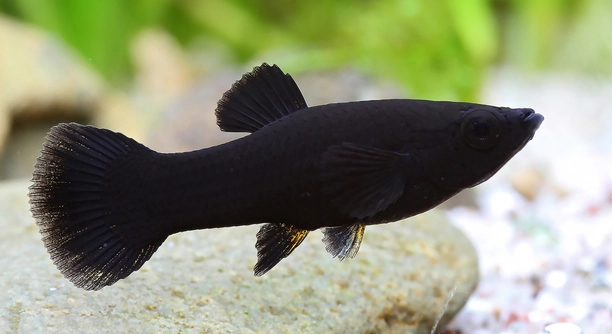
Do you ever find yourself wondering if your Black Molly tank water is flowing the right way for your fish? Keeping the water balanced is key to having healthy, active fish in your aquarium.
Good water flow for Black Mollies is indicated by consistent circulation without strong currents, minimal debris accumulation, even oxygen distribution, gentle surface movement, proper filter function, stable temperature, and clear water clarity, ensuring optimal living conditions for the fish.
Maintaining the right flow is more than just running a filter; these indicators show that your tank is truly supporting your fish’s health.
Steady Circulation Throughout the Tank
A steady water circulation ensures that your Black Mollies receive oxygen evenly and waste does not settle in corners. I noticed that when my tank had uneven flow, some fish lingered at the surface while others hid in the corners. A gentle, uniform current allows all areas to receive fresh water, preventing stagnant spots that can harm fish health. Adjusting the filter and observing the movement helps keep the flow consistent. Using a small powerhead or repositioning decorations can also guide the water evenly. Watching your fish’s behavior is a subtle sign of whether the water is circulating correctly. Too strong a flow can tire them out, while too weak can cause debris to settle. Regular maintenance, like checking the pump and removing blockages, ensures the current stays reliable. Steady circulation also supports beneficial bacteria growth, which keeps the water cleaner and healthier for your Black Mollies.
Good circulation keeps your tank clean and fish active. It also helps prevent algae buildup and maintains oxygen levels naturally.
Keeping the water moving correctly is essential not only for the fish’s comfort but also for the overall ecosystem of the tank. Black Mollies tend to be more active in moderate currents, exploring plants and swimming freely. Uneven water can stress the fish, reducing appetite and causing illness over time. By observing their swimming patterns and adjusting the filter, you can create a balanced flow that mimics their natural habitat. Decorations like rocks and plants can be arranged to guide water movement without creating harsh currents. Regular water checks and filter cleaning help maintain the right flow, ensuring debris does not accumulate. This approach prevents stagnant zones where waste might settle, reducing the risk of harmful bacteria growth. With consistent circulation, oxygen is distributed evenly, and beneficial bacteria thrive, creating a stable environment for feeding, breeding, and daily activity. The result is a tank where the fish are calm, healthy, and fully active.
Gentle Surface Movement
The water surface should move gently, creating a thin ripple without splashing or strong currents. This movement helps gas exchange and keeps the water healthy for your Black Mollies.
A calm surface allows oxygen to enter the water efficiently while preventing stress.
Too little surface movement can reduce oxygen levels, affecting the fish’s energy and activity. By positioning your filter outlet near the surface, you can encourage subtle ripples that refresh the water. Over time, you’ll notice your Black Mollies swimming more actively and displaying natural behaviors. Surface movement also prevents debris from sitting on top of the water, which keeps the tank cleaner and reduces the need for constant skimming. Maintaining this gentle flow requires checking the filter and adjusting the flow rate carefully, especially in tanks with lots of plants. When done correctly, the water remains clear, oxygen-rich, and comfortable for your fish, supporting their growth and overall well-being. A well-managed surface ripple is a simple yet effective way to maintain a balanced and healthy aquarium environment.
Minimal Debris Accumulation
Debris should not gather in corners or under decorations. I noticed my Black Mollies swim more freely when the substrate and surfaces stay clean, which keeps the water quality steady.
Debris buildup can harm water quality and stress your fish. Regular siphoning of the substrate and removing leftover food prevents waste from accumulating. Even small amounts of debris can change water chemistry over time. Using a fine filter and occasional vacuuming ensures that particles are removed before they cause problems. Proper placement of plants and rocks also helps water circulate under them, preventing hidden debris pockets. Consistent maintenance keeps the tank clean, reduces algae growth, and supports healthy bacteria that naturally process waste.
Black Mollies are sensitive to their environment, and debris can make them sluggish or hide more often. I noticed when debris built up, water clarity decreased and the fish seemed less energetic. By keeping the tank clear and cleaning regularly, I created a healthier environment that encouraged swimming and natural behavior. Even simple actions, like stirring the substrate gently during cleaning, prevent waste from compacting and creating stagnant areas. Over time, the tank remained balanced, and the fish appeared more comfortable and active, showing brighter colors and consistent feeding habits.
Proper Filter Function
A properly working filter maintains water clarity and prevents stagnant zones. My tank improved noticeably after checking flow and cleaning the filter regularly.
Filters remove waste, oxygenate water, and circulate it evenly. A weak or clogged filter disrupts these processes. Checking impellers, rinsing media in tank water, and monitoring output ensures the filter operates efficiently. Filter placement affects flow direction, helping maintain consistent currents throughout the tank. Regular maintenance prevents blockages that could reduce water quality, ensuring Black Mollies remain active and healthy.
Consistent filter performance is essential for long-term tank health. I learned that even small changes, like slightly repositioning the filter or replacing worn media, made a big difference in water clarity and circulation. A well-functioning filter distributes nutrients and oxygen evenly, preventing dead spots where debris and bacteria could build up. Observing my Black Mollies’ behavior after maintenance showed a noticeable improvement in swimming patterns and activity levels. Keeping the filter running properly reduces the need for frequent water changes and helps stabilize temperature and pH. Regular attention to filter upkeep keeps the aquarium environment safe, clear, and supportive of the fish’s natural behaviors.
Even Oxygen Distribution
Oxygen should reach all areas of the tank, keeping Black Mollies active. I noticed they stay near corners with poor flow when oxygen is uneven, which can stress them over time.
Bubblers, surface agitation, and proper filter placement help oxygen spread evenly. Observing bubbles and fish movement shows if some areas are lacking airflow.
Stable Temperature
Maintaining a steady temperature prevents stress and supports healthy metabolism. I keep a reliable heater and monitor the thermometer daily. Sudden changes make the fish sluggish and more prone to disease, so I adjust settings carefully to maintain consistency.
Clear Water
Clear water indicates proper filtration and balanced flow. Cloudy or discolored water signals waste accumulation or poor circulation, which affects Black Mollies’ health. Regular cleaning and monitoring clarity keep the environment safe and comfortable.
FAQ
How often should I check the water flow in my Black Molly tank?
I check my tank daily, even if everything seems fine. Observing fish behavior and surface movement helps me spot problems early. Weekly, I inspect the filter and adjust flow if needed. Consistent monitoring prevents stagnant areas and keeps the fish healthy.
Can too strong a flow harm Black Mollies?
Yes, strong currents can stress Black Mollies and tire them out. I noticed my fish hiding behind decorations when the flow was too strong. Reducing the filter output or using flow deflectors helps create a gentle current that they can swim comfortably in.
What’s the best way to maintain clear water?
Clear water comes from proper filtration and regular cleaning. I siphon the substrate weekly, remove leftover food, and rinse filter media in tank water. Avoid overfeeding and ensure decorations don’t trap debris. Proper circulation prevents dead zones and keeps the water transparent.
How can I tell if oxygen is distributed evenly?
Watch your Black Mollies’ behavior. If they gather at the surface or corners, some areas may lack oxygen. Using bubblers or adjusting filter output can improve circulation. I also check surface ripples to make sure water moves gently across the tank.
Is surface movement really important for Black Mollies?
Yes, gentle surface movement promotes gas exchange and keeps water healthy. I noticed better activity and feeding behavior when the surface has small ripples but no splashing. Adjusting filter position or adding a small powerhead helps maintain the right flow.
What are signs of poor circulation?
Uneven swimming, sluggish behavior, and debris accumulation indicate poor circulation. I once saw my Black Mollies staying in one corner. Rearranging plants and adjusting filter direction helped balance the flow. Regular observation is key to preventing long-term issues.
How do decorations affect water flow?
Rocks and plants can block or redirect flow. I make sure decorations don’t create stagnant pockets. Positioning them carefully ensures even movement throughout the tank. Flow deflectors can also help guide water around obstacles without stressing the fish.
How often should I clean the filter?
I clean mine every two to three weeks, rinsing media in tank water only. This preserves beneficial bacteria while preventing blockages. Over-cleaning can reduce flow and harm water quality, so I stick to a gentle routine.
Can temperature changes affect water flow?
Indirectly, yes. Warmer or cooler water can change fish activity, making them appear stressed even if the flow is fine. I monitor temperature daily and adjust heaters to maintain a stable environment, which keeps circulation effective and fish comfortable.
What’s the easiest way to maintain proper flow long-term?
I find a combination of regular filter checks, debris removal, and observing fish behavior works best. Adjusting decorations and flow direction prevents dead zones. Consistent care creates a balanced environment, keeping Black Mollies active, healthy, and thriving.
Do small tanks need the same attention as larger ones?
Yes, small tanks can have stagnant spots quickly. I pay close attention to corners and plant clusters in my smaller setups. Even gentle circulation adjustments can make a big difference in oxygen distribution and debris control.
How do I prevent debris from accumulating under plants?
I gently stir the substrate during weekly cleaning and prune plants when needed. Using a siphon under dense areas ensures waste doesn’t settle. This simple habit keeps water clearer and reduces stress for my Black Mollies.
Can poor water flow cause disease?
Indirectly, yes. Stagnant areas encourage bacteria and algae growth, which can stress fish and make them more susceptible to illness. Proper flow keeps water moving, waste minimal, and the tank environment stable, which supports long-term health.
What’s the best way to adjust flow without stressing the fish?
I reduce filter output gradually or add flow deflectors. Sudden changes can startle Black Mollies, so I adjust slowly over a few hours. Observing their swimming behavior helps me find the right balance that keeps them comfortable.
How do I know if my filter placement is effective?
Effective placement results in even circulation, minimal debris accumulation, and active fish. I experiment with positions until all areas have gentle movement. Watching fish distribution and surface ripple patterns shows me if the setup is working properly.
Does water clarity always indicate good flow?
Not always. Clear water can hide dead zones or low oxygen pockets. I use fish behavior, surface movement, and debris checks to confirm that flow is balanced, even if the water appears crystal clear.
Can adding plants affect circulation positively?
Yes, plants can guide water gently and create microcurrents that improve oxygenation. I arrange them to prevent stagnant pockets while still allowing swimming space. This makes the environment more natural and comfortable for Black Mollies.
How long does it take to correct poor water flow?
It depends on the adjustments. Minor filter repositioning can improve circulation within hours. Larger changes, like moving plants or adding deflectors, may take a few days for fish behavior to stabilize and for the tank to balance naturally.
What is the most common mistake people make with water flow?
Overestimating filter power or ignoring dead zones is common. I used to rely solely on the filter without checking corners or under decorations. Observing fish behavior and surface movement ensures the flow supports healthy, active Black Mollies consistently.
How can I keep flow consistent as the tank ages?
Regular maintenance, adjusting filter output, and repositioning decorations help maintain flow over time. I also monitor for debris buildup and trim plants to prevent blockage. These habits keep circulation steady and the tank environment stable for the fish.
Are there tools that help monitor water flow?
Small flow meters or observing floating particles can indicate speed and direction. I use bubbles and surface ripples as a simple, effective way to track circulation. This helps me make adjustments without overcomplicating the setup.
What small changes make the biggest difference?
Even minor tweaks, like shifting the filter slightly or cleaning under plants, significantly improve circulation. I’ve noticed these small adjustments lead to more active, healthier Black Mollies and clearer water in just a few days.
How do I balance flow with plants and decorations?
I position plants to allow swimming paths while guiding water gently. Rocks and ornaments are arranged to prevent dead zones but still create hiding spots. Adjusting filter direction complements these placements, resulting in a harmonious tank environment.
Can flow issues affect breeding?
Yes, stagnant water or strong currents can stress breeding pairs and fry. I maintain gentle, even flow to provide calm areas for spawning and protection for young Black Mollies. This encourages natural breeding behavior without additional interventions.
Is it necessary to adjust flow seasonally?
Temperature or environmental changes can slightly alter water movement. I check flow and temperature during seasonal shifts and adjust heaters or filter output as needed. This ensures consistent conditions and keeps Black Mollies comfortable year-round.
How do I know when flow is perfect?
The fish are active, swim evenly across the tank, debris is minimal, and the surface has gentle ripples. I also notice stable temperature and water clarity. These signs together confirm that circulation supports a healthy and balanced environment.
How important is consistency over perfection?
Consistency matters more than achieving a perfect current. I focus on maintaining steady flow and observing fish behavior. Even if minor dead zones exist briefly, regular adjustments and monitoring keep the tank stable and the Black Mollies thriving.
Can filter upgrades improve flow significantly?
Upgrading to a more suitable filter or adding a small powerhead can correct weak currents. I replaced an old filter and immediately noticed better circulation, improved oxygen distribution, and healthier, more active Black Mollies throughout the tank.
How do I prevent debris in hard-to-reach areas?
I reposition decorations slightly and use a long siphon during cleaning. Even small adjustments prevent buildup in corners or under plants. Consistent attention ensures water quality remains high and reduces stress for the fish.
Does flow affect algae growth?
Yes, stagnant zones encourage algae accumulation. I maintain gentle, even circulation, which prevents debris buildup and discourages excessive algae. Observing areas prone to algae helps me adjust flow or clean strategically to keep the tank balanced.
How do I check flow without tools?
I watch surface ripples, floating particles, and fish behavior. Areas where fish linger or debris collects indicate low flow. Simple observation combined with slight adjustments to filters or decorations is often enough to balance circulation effectively.
What’s the simplest routine for maintaining flow?
Daily observation of fish and surface movement, weekly debris removal, and monthly filter inspection keeps flow steady. I stick to this routine, and my Black Mollies remain active, healthy, and stress-free without overcomplicating maintenance.
Can small fish like Black Mollies handle strong currents?
They can swim in moderate flow, but strong currents tire them quickly. I adjust filter output and use deflectors to create gentle, navigable currents. Observing their swimming patterns shows whether the flow is comfortable or too challenging.
How do I maintain flow in heavily planted tanks?
I position plants to allow water to pass freely and prevent trapped debris. I also use adjustable filters or small powerheads to circulate water evenly. This ensures oxygen reaches all areas without harming the fish or disturbing plant growth.
Is it necessary to adjust flow for different tank sizes?
Yes, smaller tanks require careful placement to avoid dead zones, while larger tanks may need multiple circulation points. I adjust filter position and output according to tank dimensions to maintain even flow and proper oxygen distribution.
Can poor flow affect feeding habits?
Yes, stagnant areas reduce oxygen and stress fish, making them less active during feeding. I maintain gentle currents and even circulation, which encourages Black Mollies to swim, explore, and feed normally.
What long-term benefits come from proper water flow?
Consistent flow reduces stress, promotes healthy growth, prevents disease, and keeps water clear. I noticed my Black Mollies live longer, are more energetic, and display vibrant colors when circulation is maintained carefully over time.
How do I know when it’s time to replace a filter?
If circulation weakens, debris builds quickly, or water clarity declines despite cleaning, it may be time. I replace old filters when they no longer maintain steady flow, ensuring a healthy environment for my fish.
Are there risks to over-circulating the tank?
Yes, strong currents can tire fish and disrupt plants. I adjust filter output gradually and observe fish behavior. Gentle, even flow ensures that circulation supports tank health without stressing Black Mollies.
Can filter media affect water flow?
Yes, clogged or compacted media reduces output. I rinse media in tank water regularly and replace worn parts as needed. This maintains consistent flow and prevents dead spots in the aquarium.
Do surface skimmers help with circulation?
Yes, they remove debris and create gentle surface movement. I use a small skimmer to enhance oxygen exchange and prevent stagnant areas, which helps maintain clear water and a healthy environment for Black Mollies.
How often should I reassess flow as fish grow?
As fish increase in size or number, flow dynamics change. I observe behavior weekly and adjust the filter or decorations to accommodate growth, keeping circulation balanced and stress-free for the entire tank.
Can flow impact breeding success?
Yes, proper circulation ensures calm areas for spawning while maintaining oxygen-rich water. I adjust flow to create gentle currents, which supports fry survival and encourages natural breeding behavior.
What’s the most reliable way to maintain consistent oxygen levels?
Even flow, gentle surface ripples, and proper filter placement work best. I check fish behavior, observe debris accumulation, and maintain equipment regularly to ensure oxygen reaches all areas of the tank consistently.
How do I balance flow with multiple Black Mollies?
I ensure the filter output creates gentle currents throughout the tank. Adjusting decorations and adding small deflectors prevents overcrowding in certain areas and keeps all fish comfortable and active, even in a busy tank.
Can uneven flow cause aggression?
Yes, fish may compete for areas with better oxygen or calmer water. I adjust currents and rearrange decorations to provide equal conditions, reducing stress and territorial behavior.
Is it necessary to monitor flow after water changes?
Yes, water changes can temporarily alter currents. I observe the tank afterward and adjust the filter if needed to maintain steady, even flow for the Black Mollies’ comfort.
How does flow affect tank plants?
Proper flow delivers nutrients and oxygen while preventing debris buildup. I place plants to allow gentle water movement around them without causing damage, which supports healthy growth and contributes to balanced circulation.
What’s the best method to test circulation in a new tank?
I watch floating particles, surface ripples, and fish distribution. Small adjustments to filter placement or decorations help achieve even movement, which establishes a healthy environment for Black Mollies from the start.
How do I maintain flow during power outages?
Temporary battery-operated air pumps or manual water stirring can keep circulation minimal until power returns. I make sure the water remains oxygenated and debris-free to prevent stress on Black Mollies.
Can water additives impact flow?
Most do not directly affect circulation, but thickening agents or excessive treatments can alter water consistency. I monitor the tank closely after adding products to ensure flow remains gentle and even.
Is flow more important than water changes?
Both matter, but steady circulation supports oxygen, debris removal, and healthy bacteria, making water changes more effective. I maintain consistent flow while performing regular partial water changes to maximize benefits.
Can uneven flow lead to cloudy water?
Yes, stagnant areas can cause waste accumulation and cloudiness. I adjust filter output and clean the tank regularly to maintain clear, healthy water throughout the aquarium.
How do I know when adjustments are needed?
Observing fish behavior, surface ripples, debris accumulation, and water clarity tells me when to adjust flow. Minor tweaks keep circulation balanced without stressing Black Mollies.
What is the easiest long-term approach to maintain flow?
Daily observation, regular filter maintenance, careful placement of plants and decorations, and gradual adjustments ensure consistent circulation. I follow this routine to create a stable, healthy, and comfortable environment for Black Mollies.
Can overstocking affect flow?
Yes, too many fish can reduce effective circulation and oxygen availability. I ensure proper stocking levels and monitor behavior to maintain a healthy, balanced environment.
Are certain filters better for Black Mollies?
Filters with adjustable flow and gentle output are ideal. I prefer models that allow fine-tuning, ensuring the water circulates evenly without creating strong currents that stress the fish.
Does tank shape affect circulation?
Yes, long or narrow tanks may have dead zones. I position filters and decorations strategically to create even flow, ensuring all areas receive oxygen and remain free of debris.
Can I rely on fish behavior alone to judge flow?
Behavior is a strong indicator, but I combine it with water clarity, debris observation, and surface movement. This gives a complete picture of circulation effectiveness.
How important is gradual adjustment of flow?
Sudden changes stress fish. I adjust filter output or move decorations slowly, allowing Black Mollies to adapt while maintaining healthy circulation throughout the tank.
What small tools help maintain proper flow?
Flow deflectors, small powerheads, and air stones assist in creating gentle, even currents. I use these tools along with regular observation for consistent circulation.
Can over-cleaning the tank disrupt flow?
Yes, removing too much beneficial bacteria or repositioning decorations abruptly can alter circulation. I clean gently and preserve natural water movement to maintain balance.
How do I ensure flow in heavily planted tanks?
I combine careful plant placement, gentle filtration, and occasional water stirring to prevent stagnant areas. This approach keeps oxygen and nutrients evenly distributed without stressing the fish.
Do surface ripples indicate good flow?
Yes, gentle ripples show circulation and oxygen exchange. I watch for calm, consistent movement rather than splashing, which ensures a comfortable environment for Black Mollies.
Can water hardness affect flow?
Indirectly, yes. Hard water may influence filter efficiency or plant growth, which can change circulation patterns. I monitor tank conditions to maintain steady, even flow.
How do I manage flow in multi-level aquariums?
I position filters and decorations to ensure water reaches all heights. Adjusting output and adding gentle bubblers helps maintain oxygen distribution throughout vertical spaces.
Are dead zones inevitable?
Minor stagnant areas can occur, but regular observation and adjustments reduce their impact. I reposition decorations, adjust filters, and ensure even circulation to minimize dead zones for my Black Mollies.
Does flow affect feeding competition?
Yes, uneven currents can favor fish in calmer areas. I maintain gentle, consistent flow to give all Black Mollies equal access to food and reduce stress during feeding times.
Can a small powerhead improve flow significantly?
Yes, it helps distribute water evenly, especially in corners or heavily planted areas. I often use a low-output powerhead to support gentle circulation without stressing the fish.
How do I know if circulation is balanced long-term?
Consistent fish behavior, clear water, minimal debris, and gentle surface ripples indicate stable, balanced flow. Regular checks ensure long-term tank health.
What’s the simplest daily check for flow?
Observing fish activity, surface ripples, and floating debris is enough. I adjust only if I notice sluggish behavior or accumulation, keeping maintenance simple yet effective.
Can plants grow too dense and block flow?
Yes, thick plant growth can create dead zones. I trim plants regularly and arrange them to allow gentle currents, ensuring water moves freely throughout the tank.
Does flow affect Black Molly coloration?
Indirectly, yes. Healthy circulation reduces stress and supports oxygenation, which can enhance coloration. I’ve noticed my fish display brighter colors when the tank has balanced, consistent flow.
Is it necessary to test flow with equipment?
Not always. Observing fish behavior, surface ripples, and debris patterns usually provides enough information. Tools can help in tricky setups, but careful observation often suffices.
Can filter type influence oxygen distribution?
Yes, filters with uneven output or low flow may leave areas with less oxygen. I use filters with adjustable output to ensure gentle, even circulation across the tank.
How do I balance flow and hiding spots?
I place rocks and plants to create shelter while allowing water to move freely. Adjusting filter direction complements these spots without creating stagnant zones, keeping fish comfortable.
Can debris under plants indicate poor flow?
Yes, trapped waste signals stagnant areas. I gently stir the substrate and reposition decorations to maintain even circulation and prevent buildup.
Is regular observation enough to maintain flow?
Yes, daily monitoring of fish behavior, water clarity, and surface movement is usually sufficient. I make small adjustments as needed to ensure steady, healthy circulation.
How can I prevent stress from sudden flow changes?
I adjust filter output gradually and reposition decorations slowly. Sudden changes can startle Black Mollies, so I make small, careful tweaks to maintain comfort.
**Do algae blooms relate to poor flow
Maintaining proper water flow in a Black Molly tank is one of the most important steps to ensuring the health and comfort of your fish. I have found that paying attention to small details, like surface movement and even oxygen distribution, makes a big difference. Black Mollies are active fish, and they rely on gentle currents to swim naturally without stress. When water moves consistently and evenly, it not only prevents debris from settling but also supports beneficial bacteria that help keep the water balanced. Even small adjustments to the filter output or repositioning decorations can improve circulation significantly. Over time, these careful changes create a tank environment where the fish are more active, eat regularly, and display brighter colors. Observing their behavior daily provides valuable insight into whether the flow is adequate or needs further adjustment.
In my experience, combining proper filtration, regular cleaning, and consistent monitoring leads to the best results. Debris accumulation is one of the first signs that circulation may be uneven, and attending to it promptly prevents bigger problems. Ensuring that all areas of the tank receive adequate flow helps maintain clear water, prevents algae growth, and supports oxygen levels for all fish. The filter is central to this process, and keeping it clean and functioning properly is essential. Even in tanks with plants or decorations, gentle adjustments can guide water through hidden corners without creating strong currents that tire the fish. Paying attention to these factors consistently builds a stable environment. Over time, this approach reduces stress, prevents disease, and keeps Black Mollies energetic and comfortable.
Proper water flow also supports long-term tank health and makes daily maintenance easier. Once the circulation is balanced, the tank becomes more predictable, and the fish thrive with minimal intervention. Observing small cues, like where fish tend to swim or whether debris settles in certain areas, allows you to maintain an effective flow without overcomplicating the setup. Using simple tools like surface agitation, small powerheads, or flow deflectors can help achieve the right current while keeping the fish safe. In addition, maintaining steady temperature and monitoring water clarity complement these efforts, ensuring the environment remains healthy. Consistency is key. By dedicating time to monitoring water movement and making gradual adjustments as needed, your Black Mollies will enjoy a stable, clean, and comfortable tank that encourages natural behavior, healthy growth, and vibrant colors. Regular care and careful observation make all the difference, creating a tank where both the fish and the aquatic ecosystem remain balanced and thriving.

Hello,
If you enjoy the content that we create, please consider saying a "Thank You!" by leaving a tip.
Every little bit helps us continue crafting quality advice that supports the health, happiness, and well-being of pets around the world, for pets of all shapes, sizes, and species.
We really appreciate the kindness and support that you show us!