
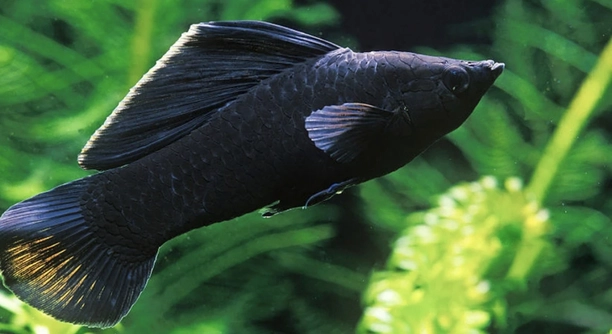
Are your Black Molly fish reacting strangely to the lighting in your aquarium? Many fish owners notice subtle changes in their behavior when lights shift, which can sometimes signal adjustments in their environment or routine.
Black Molly fish are moderately sensitive to changes in light. Sudden increases or decreases can stress them, affecting feeding, swimming patterns, and overall behavior. Consistent, gradual lighting adjustments help maintain their health and reduce stress responses.
Keeping an eye on light exposure and observing behavior closely can make a noticeable difference in your Black Molly’s wellbeing.
How Light Affects Black Molly Behavior
Black Molly fish respond noticeably to changes in lighting. Too much light can make them swim nervously or hide more often, while too little light can slow their activity and affect their appetite. In my experience, gradual adjustments are essential. Sudden shifts in brightness can startle them, causing stress and occasional erratic swimming. Observing their behavior over a week helps identify patterns linked to light. Some fish may become less social or spend more time near plants or decorations when lighting changes. Maintaining a regular day-night cycle, typically 10 to 12 hours of light, supports their natural rhythm. I noticed that introducing dim lighting before turning lights fully on reduced stress responses significantly. Aquarium plants also play a role, as they offer shaded areas that help Black Mollies feel secure. Keeping the tank environment stable is crucial for both their mental and physical health.
Consistent lighting schedules prevent stress and help Black Mollies thrive in a home aquarium.
Monitoring light carefully also reduces sudden behavioral changes, making your fish feel safer and more comfortable.
Tips for Adjusting Aquarium Lighting
Small, incremental changes in light intensity are safer for Black Mollies than abrupt shifts.
When adjusting lighting, consider dimmers or timers. Start with small increases or decreases over several days rather than turning lights on or off suddenly. Observing their swimming patterns and activity levels during changes helps identify any stress signs. Plants and decorations can create natural shaded areas that make the transition smoother. Using a timer ensures consistent light cycles, reducing stress and maintaining feeding and sleeping patterns. I found that Black Mollies became noticeably calmer when their environment included both bright areas and shaded spots. Adjusting the angle of light and avoiding reflections on the tank glass can also prevent sudden glare that might disturb them. Over time, they adapt well to controlled light changes, maintaining natural behavior and a healthy appetite. A stable and predictable lighting routine supports their wellbeing and overall tank harmony, keeping your fish active and balanced in their environment.
Recognizing Stress from Light Changes
Black Mollies often hide or stay near decorations when lighting changes suddenly. They may also swim faster or show reduced appetite, which are common stress indicators in these fish.
In my experience, observing how Black Mollies react to light shifts can prevent long-term stress. If they dart around the tank or cling to shaded areas, it usually means the lighting is too strong or abrupt. Gradual adjustments help them acclimate. Plants and other hiding spots reduce anxiety, providing safe zones during transitions. Keeping a consistent day-night cycle is also critical, as irregular lighting can disrupt their natural rhythm. Over time, careful observation allows you to identify subtle behavioral changes before they escalate into health issues.
Black Mollies also react to reflections or sudden flashes in the room. Avoid placing the aquarium near windows with direct sunlight or in areas with frequent light interruptions. Monitoring their behavior closely after adjustments ensures they stay comfortable. I noticed my fish became calmer when lights were dimmed slowly, showing more natural swimming and feeding behavior.
Choosing the Right Lighting for Black Mollies
LED lights with adjustable intensity work well for Black Mollies. They allow for gradual changes without shocking the fish.
I prefer lights that mimic natural daylight because they maintain a balanced environment and highlight the colors of my Black Mollies. Timers help regulate on and off periods consistently, ensuring the fish have a predictable day-night cycle. Using floating plants or tall decorations provides shaded areas, giving them choices in lighting preference. I’ve observed that Black Mollies thrive when they have both bright and dim zones. Overly bright light for long periods can cause stress, while very dim light reduces activity and appetite. Adjusting intensity gradually over several days allows them to adapt naturally, keeping behavior normal and preventing sudden stress reactions. Consistent lighting, shaded zones, and proper timer use all contribute to healthier, calmer fish that display natural behavior patterns in the aquarium.
Adjusting Light Gradually
Gradually changing light intensity helps Black Mollies adapt without stress. Sudden shifts can cause erratic swimming or hiding behaviors that affect feeding and overall health.
Using timers or dimmers allows for small daily changes. I noticed my fish adjusted much faster when the environment shifted slowly over several days, keeping them calm and active.
Observing Behavioral Changes
Black Mollies display stress through reduced activity, hiding, or clinging to shaded areas. These subtle cues indicate they are uncomfortable with current lighting conditions. Observing them closely helps you respond before stress affects health or appetite.
Light Duration Matters
Maintaining a consistent day-night cycle of 10 to 12 hours supports natural rhythms, feeding, and overall wellbeing for Black Mollies.
Shaded Areas and Plants
Providing plants and decorations offers natural shaded zones. Black Mollies use these areas to feel secure and reduce stress during brighter lighting periods.
How sensitive are Black Mollies to light changes?
Black Mollies are moderately sensitive to light changes. Sudden increases or decreases in brightness can stress them, causing hiding, erratic swimming, or changes in feeding habits. In my experience, small, gradual adjustments allow them to adapt without disrupting their normal behavior. Timers and dimmers make transitions smoother.
Can too much light harm Black Mollies?
Excessive light can overstimulate Black Mollies. Prolonged exposure to bright light often leads to stress, which may result in reduced appetite, fatigue, or frequent hiding. I’ve noticed that when lights are too strong, my fish spend most of the day near shaded areas or behind plants, avoiding open swimming spaces. Using adjustable lighting helps maintain balance.
What happens if the light is too dim?
Insufficient light can reduce activity and interfere with normal feeding patterns. Black Mollies may become lethargic and less social when light levels are too low. Adding floating plants or using dimmable lights ensures they have enough visibility while still feeling safe in shaded spots.
How long should Black Mollies have lights on each day?
A consistent day-night cycle of 10 to 12 hours works best. I follow this routine with timers to avoid abrupt changes. Consistent lighting supports natural behavior, feeding schedules, and overall health, helping Black Mollies stay active and stress-free throughout the day.
Do reflections or sudden flashes of light affect them?
Yes, reflections and sudden light flashes can startle Black Mollies. I keep my aquarium away from windows with direct sunlight and areas with frequent disturbances. Even small glare or reflections can trigger hiding or rapid swimming, so controlling external light is essential for a calm environment.
Can lighting affect their coloration?
Proper lighting enhances their natural colors, while inconsistent or extreme lighting can dull them. I’ve observed that stable light schedules and moderate intensity help Black Mollies maintain their dark, glossy appearance. Plants and shaded areas also contribute by providing balance between bright and dim zones.
How quickly do they adapt to new lighting?
Adaptation depends on the speed of changes. Gradual adjustments over several days allow Black Mollies to acclimate without stress. I usually increase or decrease intensity slowly and watch their behavior closely. They tend to normalize activity and feeding when the changes are subtle and consistent.
Are there signs of long-term stress from lighting?
Yes, long-term stress can manifest as constant hiding, poor appetite, or weakened immunity. I noticed my Black Mollies become less interactive when lighting was inconsistent. Consistent schedules, shaded areas, and careful monitoring prevent prolonged stress and support healthier fish.
Is it okay to use a timer for the lights?
Timers are highly recommended. They provide predictable on and off periods, which helps Black Mollies follow a natural rhythm. I rely on timers for both morning and evening transitions, and they significantly reduce stress by maintaining consistency in daily light exposure.
Do plants help with light sensitivity?
Plants create shaded areas that offer comfort during bright periods. Black Mollies often retreat to these zones to regulate their exposure. In my tank, both floating and rooted plants have been crucial in helping them adapt naturally to light changes while still encouraging normal activity.
Can lighting affect tank mates as well?
Yes, other fish can also be sensitive to light changes. Maintaining a balanced environment with gradual adjustments benefits the whole aquarium. I make sure lighting changes are slow and predictable so all fish can thrive together without stress or disrupted behavior.
Should lights be turned off completely at night?
Turning lights off completely at night supports their natural day-night rhythm. I ensure no background lighting from the room reaches the tank. Darkness at night helps Black Mollies rest, recover, and maintain healthy behavior patterns for the following day.
What type of light is best for Black Mollies?
LED lights with adjustable intensity work best. They provide consistent, energy-efficient illumination and allow for gradual changes. I prefer daylight-mimicking LEDs because they support natural behavior, enhance coloration, and prevent stress compared to overly harsh or inconsistent lighting sources.
How do I know if adjustments are working?
Monitor behavior closely. If Black Mollies swim normally, feed regularly, and use both shaded and open areas, the adjustments are effective. I track changes daily and notice improvements in activity and interaction within a week of gradual light modifications.
Is it necessary to dim lights gradually every time?
Gradual changes are always safer. Even small increases or decreases can be stressful if done abruptly. I’ve found that dimming or brightening in small increments over several days helps Black Mollies stay calm and maintain normal swimming and feeding patterns.
Can lighting impact breeding behavior?
Yes, consistent and moderate lighting encourages natural breeding behavior. Sudden changes or inconsistent schedules may delay spawning or reduce activity. In my experience, maintaining predictable light cycles and providing shaded areas supports healthy reproductive behavior in Black Mollies.
Are there any quick fixes for light stress?
Providing immediate shaded zones, lowering intensity, and returning to gradual adjustments can relieve stress quickly. I often add floating plants temporarily or adjust dimmers slowly, allowing the fish to feel secure without causing abrupt disruptions to their environment.
How often should I check for light-related stress?
Daily observation is ideal. I monitor swimming patterns, feeding, and use of shaded areas to catch early signs. Regular checks help prevent prolonged stress and maintain a healthy, balanced aquarium for Black Mollies and their tank mates.
Can artificial light completely replace natural light?
Yes, with proper intensity and scheduling, artificial light can mimic natural daylight effectively. I rely on LEDs with timers to ensure a stable day-night cycle, keeping Black Mollies healthy and active even without direct sunlight exposure.
Do lighting changes affect water temperature?
Some lights generate heat, which can slightly raise water temperature. I monitor temperature closely when adjusting lights. LEDs produce minimal heat, making them safer for consistent lighting without affecting water conditions that could stress Black Mollies.
Black Mollies are moderately sensitive to changes in light, and understanding their needs can make a noticeable difference in their wellbeing. Consistent lighting schedules, gradual adjustments, and proper intensity help maintain their natural behavior and reduce stress. In my experience, abrupt changes in light often cause hiding, erratic swimming, or reduced feeding. By observing their reactions closely, you can identify the best approach to lighting and create a stable environment. Timers and dimmable lights are very helpful tools, allowing for smooth transitions that mimic natural day-night cycles. Black Mollies rely on a predictable routine, and small adjustments over several days usually work better than sudden changes. Shaded areas created by plants or decorations give them control over how much light they experience, which helps them feel secure and reduces anxiety. Providing these safe zones allows them to balance activity and rest naturally, supporting both physical health and mental wellbeing.
Light intensity also plays an important role in maintaining their color, activity, and appetite. Too bright or prolonged lighting can overstimulate them, causing stress and less interaction, while very dim conditions can slow their movement and reduce feeding. In my tank, I noticed that moderate, consistent light with natural-looking brightness produced the healthiest behavior and most vibrant coloration. Floating plants and taller decorations help create areas with softer light, giving Black Mollies options to explore the tank while controlling exposure. Gradual adjustments in lighting intensity over several days or weeks allow them to adapt without stress. Observing their swimming patterns, appetite, and interaction with tank mates is a reliable way to determine if the lighting is appropriate. This careful observation and adjustment make it easier to prevent long-term problems that can arise from repeated stress.
Maintaining a stable light schedule also supports the overall health of the aquarium ecosystem. Plants benefit from consistent light, which improves water quality and creates a more natural environment for Black Mollies. Tank mates respond similarly to predictable lighting, reducing overall stress in the community. Using LED lights with timers ensures both the fish and plants receive steady light without excessive heat, which can affect water temperature. Over time, these small steps create a balanced and healthy environment where Black Mollies feel safe and behave naturally. Regular monitoring and minor adjustments help address any issues before they become serious, ensuring the fish remain active, colorful, and healthy. By keeping lighting consistent, providing shaded areas, and adjusting gradually, Black Mollies can thrive in a home aquarium and display their natural behaviors with minimal stress.

Hello,
If you enjoy the content that we create, please consider saying a "Thank You!" by leaving a tip.
Every little bit helps us continue crafting quality advice that supports the health, happiness, and well-being of pets around the world, for pets of all shapes, sizes, and species.
We really appreciate the kindness and support that you show us!