
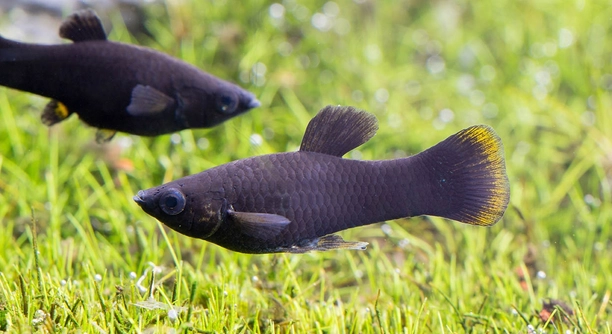
Caring for black mollies can feel simple at first, yet their oxygen needs can shift quickly when their environment changes, creating small challenges that many fish keepers notice during routines each day near the tank.
Black mollies exhibit reduced activity, surface gasping, and increased stress when dissolved oxygen levels decline, indicating suboptimal aquatic conditions that require prompt intervention to restore adequate aeration, maintain stable water parameters, and support proper physiological function within their controlled habitat.
These early signals reveal more than simple behavior shifts, offering insights that help you understand what your black mollies need.
Understanding Low Oxygen Signs
When oxygen starts to drop, black mollies react in subtle ways that are easy to overlook during normal tank care. Their colors may appear slightly duller, and their movements might seem slower or less coordinated. You might also notice them hovering near the water surface longer than usual, trying to catch more air from the upper layer. These changes can develop steadily, especially if the tank is overcrowded or the filter flow is too weak to keep water moving. Paying attention to these early signs helps you respond before the situation becomes stressful for your fish, keeping their environment safer. Understanding how black mollies behave when oxygen levels shift makes it easier to spot issues quickly, adjust your setup, and support their overall comfort. A tank that stays well-aerated gives your mollies a healthier space where they can swim actively, interact gently, and show their natural behaviors more clearly daily.
Improving oxygen levels begins with simple steps, like increasing surface movement, reducing excess waste, and maintaining steady water parameters. These actions help your black mollies settle into a more stable environment where breathing feels easier and stress stays low.
As you continue observing your mollies, you’ll start noticing how small adjustments create gradual improvements. Keeping their water fresh, steady, and well-oxygenated helps them stay active and calm, offering them a safer space to swim comfortably without unnecessary strain.
What Helps Your Mollies Breathe Better
Raising oxygen levels often requires a mix of better aeration, thoughtful tank upkeep, and strong filtration. Each element supports healthier water and smoother breathing for your mollies, making their daily activity feel natural and relaxed.
A well-aerated tank begins with movement. When water stays still for too long, oxygen struggles to enter the surface layer, leaving fish with limited access. Adding an airstone or adjusting the filter output helps break the surface tension so oxygen can circulate more freely. Good filtration is equally important because it removes organic waste that slowly reduces oxygen availability as it accumulates. Regular cleaning prevents these materials from building up and keeps your system balanced. Overcrowding is another factor that quietly reduces oxygen, especially in smaller tanks. Reducing the number of fish or upgrading to a larger setup gives each molly enough space and ensures the oxygen supply stays sufficient. With steady care, the tank becomes a calmer environment where your mollies breathe easily and stay more active.
Spotting Behavioral Changes
Black mollies often shift their behavior when oxygen drops, and these patterns become easier to notice once you know what to look for. They may linger near the surface, slow their movements, or avoid areas with weak water flow.
When oxygen stays low for too long, these small patterns turn into clearer signs of discomfort. You might see your mollies swimming less throughout the tank, choosing quiet corners where movement is easier. Some may begin breathing faster, showing a light flutter in their gills as they work harder to pull oxygen from the water. These behaviors can appear gradually, especially in tanks that have limited surface movement or older filters that no longer circulate effectively. Watching their daily routine closely helps you catch these signs before they grow into bigger issues, keeping your tank stable.
Once you understand these shifts, adjusting the environment becomes much easier. Improving surface agitation, reducing waste, and keeping your filter clean can create gentle but steady improvements in their breathing. Over time, your mollies will start showing more normal activity, exploring different areas of the tank instead of staying near the surface. Their colors may brighten again, and their swimming will look smoother as breathing becomes less strenuous. These slow improvements help keep your fish comfortable as conditions stabilize.
Improving Water Movement
A steady current helps oxygen spread through the entire tank, letting your mollies breathe with less effort. When water becomes still, oxygen levels fall quickly, making it harder for fish to stay active and calm during regular daily routines.
Increasing movement can be done with simple adjustments that keep the tank safer. Raising your filter’s output slightly helps break the surface layer so oxygen enters more easily. Adding an airstone provides gentle bubbles that improve circulation without overwhelming your mollies. Cleaning the filter regularly keeps flow strong, preventing waste from building up and slowing the water. Reducing decorations that block circulation also helps oxygen move through each section of the tank. When these elements work together, the tank stays balanced, giving your mollies a healthier space where breathing feels natural and their activity remains steady.
Managing Tank Overcrowding
Too many fish in one tank reduces available oxygen and puts extra strain on your mollies. Giving them more room helps them breathe easier and move comfortably. A less crowded tank also keeps stress levels lower, making their daily routines feel smoother and calmer overall.
Adjusting stocking levels makes a clear difference in how stable your tank feels. When you reduce the number of fish, oxygen spreads more evenly, and waste builds up slower. This helps your filter keep up with demand, allowing your mollies to stay active without struggling for air. A balanced population keeps the environment more reliable.
Maintaining Clean Water
Clean water supports stronger oxygen levels by preventing waste from breaking down and lowering quality. Regular water changes remove debris that slows oxygen movement. Staying consistent with simple upkeep keeps the tank healthier and helps your mollies breathe without added strain. Clear water also allows your filter to work at its best.
Avoiding Excess Waste
Removing leftover food and keeping the substrate clean helps protect oxygen levels. Less waste means fewer changes in water quality and smoother breathing for your mollies. Simple habits like light feeding and routine cleaning keep conditions stable and support their comfort.
FAQ
Why do my black mollies stay near the surface so often?
They stay near the surface because that layer holds the highest oxygen concentration. When the water below becomes low in oxygen, your mollies move upward where breathing feels easier. This behavior often becomes more frequent in tanks with weak circulation or too much waste. If you notice them spending long periods at the top, it usually means the water needs better movement or a quick cleaning. Improving surface agitation helps oxygen spread more evenly so your mollies can swim comfortably throughout the entire tank again without relying on the upper layer.
What causes oxygen levels to drop in a tank with black mollies?
Oxygen drops for several reasons that build up quietly over time. Warm water holds less oxygen, so tanks that run hotter tend to struggle faster. Overfeeding leaves extra waste that breaks down and reduces water quality. Filters that slow down or get clogged also limit circulation, keeping oxygen from spreading. Even overcrowding plays a role because more fish use more oxygen. When these factors combine, your mollies begin to feel stressed. Keeping the tank clean, cool, and moving helps maintain steady oxygen levels. Consistent upkeep keeps the environment safer for your fish and reduces unnecessary strain.
Do black mollies need an airstone to breathe comfortably?
They do not always need an airstone, but it helps a lot in tanks with slow water movement. Airstones boost oxygen by breaking the surface gently, making it easier for the water to stay fresh and balanced. If your mollies show signs of low oxygen, adding one can offer reassuring support. It keeps water moving without overwhelming their swimming patterns and helps your filter work more effectively. Even if the tank seems stable, an airstone provides extra reliability that becomes helpful during warm weather or busier feeding days when oxygen levels drop faster.
How often should I check the oxygen levels in my tank?
You do not need to measure oxygen every day, but watching your mollies is enough to catch changes early. Their behavior gives clear hints long before the tank reaches dangerous levels. When you see slow swimming, surface hovering, or fast gill movement, it is time to make adjustments. Testing once in a while gives you reassurance, especially during seasonal temperature shifts or after adding new fish. Keeping a simple routine helps you prevent problems instead of reacting to them later. Regular checks also make it easier to understand how your tank responds to small changes.
Can plants help raise oxygen for black mollies?
Plants can help, but only during the daytime when they release oxygen. At night, plants consume oxygen just like fish, so they do not work as a full solution. They support overall health by improving water quality and offering calm areas for mollies to explore. To rely on plants for oxygen, you still need good water movement and a stable filter. Plants work best as part of a balanced setup rather than the main source of oxygen. When paired with clean water and steady circulation, they create a more natural space where your mollies feel relaxed.
Why do waste levels affect oxygen availability?
Waste breaks down into materials that reduce water quality and slow oxygen movement. When leftover food and debris collect, bacteria use more oxygen to process it, leaving less available for your mollies. This process works silently in the background, which is why tanks with more waste often show oxygen problems sooner. A clean substrate, careful feeding, and regular filter maintenance help protect the oxygen balance. Reducing waste also keeps the tank from feeling heavy or cloudy, which keeps your mollies more comfortable. Clean water supports smoother breathing and helps your fish stay active without added stress.
How can I tell if my black mollies are breathing normally?
Normal breathing looks smooth, steady, and quiet. Their gill movements stay gentle, and they explore the tank without effort. When something is off, their breathing becomes noticeably faster or more forceful. You may see them stopping more often to rest or moving less through the middle and bottom areas. These changes can be subtle at first, which makes daily observation valuable. Once you become familiar with their usual pace, shifts in breathing stand out more clearly. Calm, consistent behavior means your mollies feel comfortable in their environment. Keeping conditions stable helps them maintain those natural rhythms.
Final Thoughts
Caring for black mollies becomes easier when you understand how sensitive they are to oxygen levels and how quickly their behavior can shift when the water changes. Their comfort depends on steady circulation, clean water, and a setup that stays stable from day to day. Even small adjustments, like increasing surface movement or cutting back on feeding, can make a noticeable difference in how relaxed your mollies appear. Watching their patterns helps you understand what they need, and over time you start noticing slight changes that signal when the tank needs attention. Each step you take builds a safer environment where your mollies can move freely, breathe without strain, and show more natural activity. Creating this stability does not have to be complicated. It simply requires a bit of awareness and regular care that keeps the water fresh and balanced.
As you manage the tank, you may find that oxygen levels tie into almost every part of maintenance. Clean water helps oxygen circulate, healthy plants support better balance during the day, and a strong filter keeps everything moving smoothly. When all these parts work together, the tank stays more predictable, which makes caring for your mollies feel less stressful. Understanding the way waste, temperature, and stocking levels influence oxygen helps you stay ahead of potential issues. This awareness allows you to react sooner, preventing situations where your mollies become uncomfortable or struggle to breathe. A stable tank also keeps other fish healthier, since good oxygen supports better immunity and calmer behavior. Each improvement creates a ripple effect that benefits the entire setup, making your care routines more rewarding and steady.
Over time, you will likely notice that your mollies communicate a lot through their actions. They show comfort by exploring every part of the tank, maintaining bright coloration, and keeping a steady swimming pace. When they stop doing these things, the tank is usually asking for attention. Responding to these early signs keeps the environment healthier, and it helps you build stronger habits that support long-term stability. Whether you use an airstone, rely on steady filtration, or simply maintain a consistent cleaning schedule, each choice contributes to better oxygen levels and greater comfort for your fish. Caring for black mollies becomes a gentle rhythm once you understand how interconnected everything is. A well-maintained tank offers them a calm space where they can thrive peacefully, and it offers you the reassurance that their needs are truly being met.

Hello,
If you enjoy the content that we create, please consider saying a "Thank You!" by leaving a tip.
Every little bit helps us continue crafting quality advice that supports the health, happiness, and well-being of pets around the world, for pets of all shapes, sizes, and species.
We really appreciate the kindness and support that you show us!