
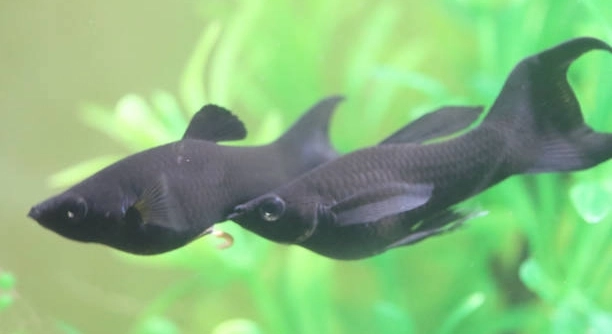
Do you ever notice how your Black Molly swims around and seems aware of its surroundings? Observing their behavior can be fascinating, especially when they respond differently to familiar faces or new visitors in the tank.
Research indicates that Black Mollies are capable of recognizing human faces to some extent. They can distinguish between familiar and unfamiliar individuals, showing different reactions based on prior interactions, which reflects their ability to process visual cues and memory.
Understanding this behavior can help improve your interactions and care routines, making your aquarium a more engaging and enriching environment for your fish.
How Black Mollies Recognize Faces
Black Mollies rely heavily on their vision to interact with their environment. They can notice differences in shapes, colors, and movement, which helps them identify familiar humans. When a person they recognize approaches the tank, they often swim closer or display calmer behavior. Over time, they learn to connect faces with feeding or gentle interaction. This recognition is not the same as human memory but shows that these fish can remember visual cues. Daily routines, like feeding at the same time, reinforce their ability to recognize patterns, including faces. Observing their responses can be rewarding, as they may approach more confidently or follow your hand along the glass. Their eyes are adapted to detect small changes in light and movement, which allows them to distinguish different people. Through consistent interaction, they form a type of memory that supports face recognition and strengthens their comfort in the tank.
Repeated exposure helps the fish remember familiar humans more effectively, improving their overall tank behavior.
Regular interactions with your Black Molly are more than feeding time. They learn patterns and can even anticipate actions, such as when food is being prepared. By consistently showing your face and movements, the fish begins to associate specific humans with positive experiences. Over weeks, this can lead to more predictable, relaxed responses. It also means that introducing new people to the tank can cause a temporary cautious behavior until recognition is established. Understanding their learning process allows you to create a stable environment that encourages natural curiosity without causing stress. Additionally, observing their recognition skills can give insight into their intelligence and memory capacity. Maintaining routine interactions can improve trust and comfort, making your tank a lively and engaging place for both the fish and yourself. These small connections demonstrate that even tiny fish have ways to perceive and remember humans.
Signs Your Molly Recognizes You
A Black Molly may follow your movements across the tank or swim closer during feeding times.
When a Molly recognizes you, its behavior changes subtly but noticeably. It may approach the glass when you come near, appear more relaxed, or show excitement when food is present. These responses indicate memory retention and visual recognition. Over time, repeated interactions strengthen these behaviors, and the fish can differentiate between familiar and unfamiliar people. Not every reaction is immediate, as some fish take longer to adjust or remember, but consistency in interaction helps reinforce recognition. Watching these patterns can be satisfying and provides a better understanding of their cognitive abilities. Observing and noting these behaviors ensures your tank interactions remain positive, which supports the fish’s natural learning processes and reduces stress.
Careful observation and patience are key when building recognition with Black Mollies. By approaching the tank in consistent ways, using the same feeding routines, and minimizing sudden disturbances, you allow the fish to feel secure. Over several weeks, you may notice clear signs of recognition, such as the fish swimming toward your hand, responding to your presence without hesitation, or distinguishing between different people. Each fish may display unique responses based on personality, past experiences, and environmental factors. These behaviors demonstrate their capacity to remember visual cues and link them to specific outcomes. Beyond feeding, recognition can extend to general presence, movement, and even subtle gestures, showing that their memory and perception are more advanced than commonly assumed. Understanding these signs can improve care practices, making the aquarium a more interactive and less stressful space, while fostering a quiet connection that benefits both the fish and your observation experience.
Factors That Influence Recognition
Black Mollies respond better to familiar routines, consistent feeding, and repeated interactions. Sudden changes in the tank or new people can make them cautious, slowing their recognition learning.
Consistency in daily interactions significantly impacts a Molly’s ability to recognize humans. They rely on visual cues, so regular exposure to the same person helps them form memories. Changes in tank layout, lighting, or feeding times can confuse the fish, making recognition less reliable. Social behavior also matters; if multiple fish are present, individual recognition may take longer. Stress factors like overcrowding or poor water quality can reduce attention and responsiveness. Observing behavior during calm, predictable routines provides the best chance to see recognition in action.
Each Molly may respond differently depending on age, personality, and prior experiences. Some fish quickly approach familiar humans, while others remain cautious for weeks. Patience and consistency are key. Feeding at regular times, maintaining predictable movements, and limiting sudden disturbances allow them to build recognition. Over time, even shy fish may show subtle acknowledgment, such as swimming closer or following your hand. Understanding these factors helps you create a supportive environment, encouraging natural learning and interaction without causing stress. Recognition develops gradually, and respecting each fish’s pace ensures the process is positive.
Visual and Behavioral Cues
Black Mollies use eye movement, body positioning, and swimming patterns to signal recognition. These cues show comfort or interest toward a familiar human.
Subtle gestures reveal a Molly’s recognition. They may approach the glass, change swimming speed, or orient their body toward a person. Increased fin movement or gentle circling near your hand often indicates attention. These behaviors are reinforced through repeated interactions and positive experiences, showing the fish can remember and differentiate between people. Over time, these visual and behavioral cues become more predictable, allowing you to gauge their response reliably. Environmental conditions, including lighting and water clarity, also affect how clearly these behaviors are displayed.
Observing these cues closely improves understanding of your fish’s recognition skills. Eye tracking, subtle tilts, or following motions provide insight into their memory and attentiveness. When multiple fish are present, individual responses may vary, making careful observation important. Recognized humans may trigger calmer or more exploratory behavior, while unfamiliar people may cause hesitation. Recognizing these patterns allows you to adapt your interactions, creating a stable environment where fish feel secure. Over weeks, repeated positive experiences strengthen these behaviors, enhancing the connection between the fish and their daily routines. Consistency, patience, and attention to detail are essential for interpreting these signs accurately.
Training Your Black Molly
Regular interaction helps a Molly recognize you more easily. Consistent feeding times and gentle movements improve familiarity.
Repetition is important. Approaching the tank the same way each day, using predictable hand motions, and maintaining calm energy helps the fish associate your presence with positive experiences, strengthening recognition over time.
Environmental Support
Clear water and a stable tank environment enhance recognition. Minimal disturbances reduce stress and make the fish more attentive.
Signs of Stress
Hiding, erratic swimming, or avoiding the glass indicates stress. Recognizing these behaviors helps maintain a supportive environment.
Benefits of Recognition
When a Black Molly recognizes humans, interactions become calmer and more engaging. Consistency in care leads to improved trust and reduced stress.
FAQ
Can Black Mollies truly remember human faces?
Yes, Black Mollies can remember human faces to a certain degree. They rely on visual cues, movements, and patterns to distinguish between familiar and unfamiliar people. This ability is reinforced through repeated interactions, feeding routines, and consistent tank activity. Over time, the fish learn to associate certain humans with positive experiences, such as feeding or gentle handling, which encourages approach behaviors and reduces stress. Their recognition is not like human memory, but it reflects an ability to process and retain visual information. Observing consistent responses to specific individuals confirms this recognition ability.
How long does it take for a Molly to recognize someone?
Recognition develops gradually, typically over several weeks. Daily interactions, such as approaching the tank, feeding at the same time, and using predictable hand motions, help reinforce memory. Younger or more curious fish may learn faster, while shy or stressed Mollies may require longer to show signs of recognition. Consistency is the most important factor. Frequent exposure under calm conditions strengthens memory, while irregular feeding or sudden changes can slow the process. Patience ensures the fish remains comfortable while gradually learning to recognize familiar humans, making interactions smoother and more predictable over time.
Do all Mollies recognize humans equally?
No, recognition can vary between individual fish. Personality, past experiences, and age all influence how quickly and accurately a Molly identifies humans. Some fish approach immediately when a familiar person appears, while others may remain cautious for extended periods. Environmental factors, like water clarity, tank size, and presence of other fish, can also affect recognition behaviors. Observing each Molly individually is important to understand their unique patterns. Over time, consistent interaction and gentle handling help all fish develop recognition, but the speed and strength of this memory will differ for each Molly.
What behaviors indicate recognition?
Approaching the glass, following hand movements, or swimming closer during feeding are common signs. Subtle gestures, like orienting the body toward a person, gentle fin movement, or circling near a hand, also indicate awareness. Calm, relaxed swimming and reduced hiding are additional indicators. Over repeated exposure, these behaviors become more predictable and easier to notice. Recognizing these cues helps you adjust interactions, ensuring the fish remains comfortable and engaged. Positive reinforcement through feeding or gentle presence strengthens these behaviors, allowing the Molly to form stronger associations between humans and favorable experiences.
Can stress affect recognition?
Yes, stress can significantly reduce a Molly’s ability to recognize humans. Factors like poor water quality, overcrowding, sudden movements, or unfamiliar people can make the fish more cautious or withdrawn. When stressed, they may hide, swim erratically, or avoid approaching the glass. Maintaining a stable environment, clear water, and consistent feeding routines reduces stress and allows recognition behaviors to develop naturally. Observing stress signals ensures that interactions remain positive and that the fish’s cognitive abilities are not compromised by environmental pressures.
Is it safe to try training multiple Mollies at once?
Training multiple Mollies simultaneously is possible, but individual differences should be considered. Fish may compete for attention or feeding, which can affect recognition patterns. Observing each Molly’s behavior helps identify which fish respond quickly and which need more time. Patience and consistent routines are key. Providing sufficient space and food ensures that all fish remain calm, reducing stress and promoting successful recognition across the group. Gradually, multiple Mollies can learn to recognize familiar humans without negative competition or anxiety.
Do feeding routines improve recognition?
Yes, feeding routines are the most effective way to reinforce recognition. Fish associate predictable actions with food, linking visual cues, like a person approaching the tank, to positive outcomes. Regular feeding times, consistent movements, and calm handling strengthen memory and encourage approach behaviors. Random feeding or sudden changes can confuse the fish, slowing recognition. By maintaining predictable routines, Mollies learn to respond more reliably to familiar humans, which makes daily interactions smoother, reduces stress, and enhances the overall well-being of the fish.
How can I tell if recognition is getting stronger?
Stronger recognition is shown by increased attention, closer swimming, and predictable responses to your presence. The fish may anticipate feeding, follow your movements, or display calm behavior rather than hiding. Over time, reactions become faster and more consistent. Observing these patterns regularly confirms that memory and visual recognition are improving. Consistency in interaction, gentle presence, and a stable tank environment further reinforce these behaviors, making recognition a reliable part of daily fish care.
Can recognition fade over time?
Yes, recognition can weaken if interactions become inconsistent or stressful. Long gaps between contact, changes in routine, or environmental disruptions can cause the fish to forget or become cautious. Maintaining regular presence, feeding, and calm behavior helps preserve recognition. Positive reinforcement ensures the fish continues to associate familiar humans with favorable experiences, preventing memory decline. Consistency is key to long-term recognition, and even brief lapses can be corrected with patient, predictable interaction.
Do Black Mollies recognize different people differently?
Yes, Mollies can distinguish between different humans. They may respond positively to those who feed or interact gently, while showing caution toward unfamiliar people. Visual memory, repeated exposure, and learned associations shape these responses. Consistent, calm interaction ensures they form clear distinctions, allowing for reliable recognition of multiple individuals.
Black Mollies are more aware than most people realize. Their ability to recognize human faces shows that they can form memories based on repeated interactions and visual cues. This recognition is not complex in the way humans experience it, but it is meaningful for their daily behavior. Fish that recognize familiar humans often swim closer, appear more relaxed, or follow predictable routines around feeding times. These behaviors show that the fish are paying attention and associating certain people with positive experiences. Understanding this aspect of their behavior can make aquarium care more rewarding, as it provides a chance to observe subtle signs of memory and awareness in the fish. Over time, noticing these behaviors can deepen your understanding of how Black Mollies perceive their environment and the people around them.
Creating a supportive environment is essential to encourage recognition. Consistent routines, clear water, and minimal sudden disturbances help the fish feel secure and attentive. Stress can interfere with memory and recognition, so maintaining stable conditions is important. When fish feel safe, they are more likely to respond positively to familiar humans. Regular feeding schedules and gentle interaction reinforce these behaviors, allowing Mollies to form stronger associations. Each fish will develop recognition at its own pace, depending on personality, age, and prior experiences. Patience and observation are key. Watching for subtle cues, such as following hand movements or swimming toward the glass, helps you understand each fish individually. Recognizing these patterns not only improves interaction but also contributes to overall fish welfare, creating a calmer and more engaging tank environment.
The relationship between humans and Black Mollies demonstrates that even small fish are capable of learning and memory. While the recognition is simple, it shows intelligence and adaptability. Approaching tank care with awareness of their memory can improve daily interactions, reduce stress, and make feeding and observation more enjoyable. Over weeks and months, consistent interaction allows the fish to respond confidently, indicating a level of trust and familiarity. Understanding that each Molly has a unique personality and pace of recognition can make aquarium care feel more connected and thoughtful. These small, observable behaviors highlight the importance of patience, routine, and calm handling. By paying attention to how Mollies respond and adapting care accordingly, you can create a positive environment where the fish feel secure and engaged. Recognition is one of the many ways these small creatures demonstrate their awareness, and appreciating it can enhance the experience of keeping Black Mollies in your home aquarium.

Hello,
If you enjoy the content that we create, please consider saying a "Thank You!" by leaving a tip.
Every little bit helps us continue crafting quality advice that supports the health, happiness, and well-being of pets around the world, for pets of all shapes, sizes, and species.
We really appreciate the kindness and support that you show us!