
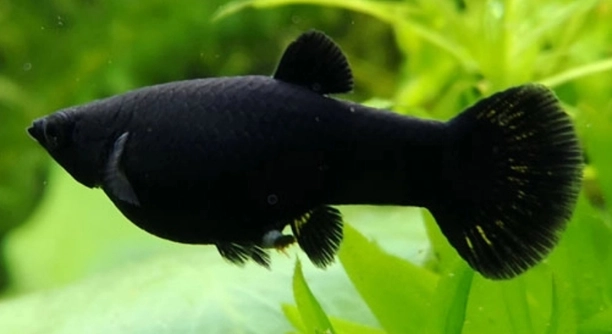
Do you ever find yourself adjusting your fish tank routine and wondering how your black molly will respond? Black mollies are lively, social fish that can react to changes in their environment in subtle ways.
Black mollies can adapt to occasional schedule changes, but frequent disruptions in feeding or lighting may stress them. Consistent routines support their health, behavior, and growth, helping them maintain normal activity levels and overall wellbeing in a home aquarium.
Understanding how black mollies respond to shifts in their daily routine can help you create a more stable and healthy environment for them.
Understanding Black Molly Behavior
Black mollies are active fish that enjoy exploring their environment. They are sensitive to changes in light, feeding times, and water conditions. When schedules shift frequently, black mollies may show signs of stress, such as hiding, reduced swimming, or decreased appetite. Their behavior is a reflection of how comfortable they feel in the tank, and maintaining a stable routine helps them remain healthy. Observing them daily can reveal patterns in activity, feeding habits, and interactions with other tank mates. Stress from irregular schedules can also weaken their immune system, making them more prone to illness. It is important to monitor water quality, as even minor fluctuations in temperature or pH can compound the effects of a disrupted routine. Providing hiding spots and consistent feeding times can improve their sense of security. Over time, black mollies may adjust to moderate changes, but extreme fluctuations often lead to behavioral and physical issues that are preventable with care.
Maintaining some level of consistency in daily care reduces stress and supports healthy behavior in black mollies.
Black mollies thrive in environments where their needs are predictable. Regular feeding schedules ensure they receive the right nutrition and avoid overeating or food scarcity. Consistent lighting mimics natural day-night cycles, helping them regulate activity and rest. Changes in water temperature, filtration, or tank cleaning routines should be gradual to prevent sudden stress. When planning schedule adjustments, it is helpful to observe how each fish reacts, as individual responses can vary. Some black mollies may quickly adapt, while others need more time to feel secure. Enrichment, such as plants and decorations, provides hiding spaces and promotes natural behavior. Ensuring social interactions are stable is also important, as black mollies are schooling fish and can be affected by shifts in group dynamics. Overall, balancing consistency with minor adjustments allows these fish to remain active, healthy, and engaged in their environment without compromising their wellbeing.
Adapting Feeding and Lighting Schedules
Frequent changes to feeding or lighting can confuse black mollies and affect their energy levels.
Gradual adjustments are more effective than sudden changes. Introduce new feeding times in small increments to help the fish acclimate. Similarly, slowly modifying lighting duration or intensity reduces stress and preserves normal behavior. Monitor the fish closely during these changes. Watch for signs of fatigue, loss of appetite, or unusual hiding patterns, as these indicate the schedule may be too disruptive. Pairing schedule adjustments with stable water conditions is crucial, as even minor disturbances in temperature, pH, or cleanliness can amplify the effects of routine changes. Providing consistent food quality, fresh water, and a balanced diet supports their adaptation. Over time, black mollies can tolerate moderate variability in care routines, but maintaining an underlying structure ensures long-term health, reduces stress, and encourages natural behavior patterns in the aquarium. Planning changes thoughtfully allows the fish to adjust without compromising their wellbeing.
Managing Stress in Black Mollies
Stress in black mollies often appears as hiding, reduced swimming, or loss of appetite. Frequent schedule changes can trigger these behaviors, especially when combined with poor water conditions or overcrowding. Observing these signs early helps prevent serious health issues.
To reduce stress, maintain a consistent feeding schedule and stable water environment. Provide hiding spaces like plants or decorations, which give the fish a sense of security. Avoid sudden changes in lighting or tank maintenance, and ensure the tank is not overcrowded. Monitoring interactions between tank mates is also important, as aggressive behavior can increase stress. Small, gradual adjustments in care routines allow black mollies to adapt without feeling threatened. Keeping water quality optimal and minimizing disruptions in their daily environment supports overall health.
Black mollies respond well to predictable routines, but minor variations can be tolerated if introduced slowly. Gradual changes in feeding times, lighting, or tank cleaning allow them to adjust naturally. Consistent nutrition and water conditions reinforce stability, helping mollies maintain normal behavior. Regular observation ensures that any signs of stress are addressed quickly, preventing long-term effects. By combining structure with careful flexibility, black mollies can thrive even with moderate schedule changes while staying active, social, and healthy in the aquarium.
Water Quality and Tank Conditions
Poor water quality amplifies the stress from frequent schedule changes. Maintaining stable temperature, pH, and filtration is critical to black molly health.
Consistent water monitoring ensures a healthy environment. Regular water tests, partial water changes, and proper filtration prevent harmful buildup of ammonia, nitrites, or nitrates. Black mollies are sensitive to rapid changes, so keeping parameters within safe ranges reduces stress and supports natural behavior. Decorations and plants not only create hiding spots but also help stabilize water conditions by providing surface area for beneficial bacteria. Overcrowding should be avoided, as it increases waste and competition, further stressing fish. A clean, balanced tank allows black mollies to thrive even if daily routines shift moderately.
Feeding Adjustments
Black mollies thrive on consistent feeding, but gradual changes can help them adapt. Introduce new feeding times slowly to prevent stress and maintain normal activity. Avoid skipping meals or overfeeding, as both can impact their health.
Providing high-quality, balanced food at predictable times keeps black mollies energetic and healthy. Small adjustments, like shifting feeding by 15–30 minutes, are easier for them to handle than sudden changes. Consistency in portion size and diet quality ensures they receive proper nutrition while minimizing stress. Watching their behavior during adjustments helps identify any negative effects early, allowing for corrections in care.
Lighting Changes
Gradual changes in lighting support natural behavior patterns and reduce stress. Sudden shifts in day-night cycles can confuse black mollies and alter activity levels. Maintaining a stable schedule promotes normal swimming and feeding behaviors while helping regulate rest periods.
Tank Environment
Providing plants, decorations, and hiding spots allows black mollies to feel secure. These elements reduce stress and encourage exploration, even when routines change.
FAQ
How often can I change my black molly’s feeding schedule?
Feeding times should remain mostly consistent to avoid stress. Small, gradual changes of 15–30 minutes are generally tolerated, but frequent or sudden shifts can lead to reduced appetite or erratic behavior. Observe how the fish respond before making further adjustments.
What signs indicate my black molly is stressed?
Stress often shows as hiding, lethargy, loss of appetite, or unusual swimming patterns. Aggression between tank mates, rapid gill movement, or clamped fins are also indicators. Early observation allows you to correct conditions before serious health problems develop.
Can black mollies adapt to different lighting schedules?
Yes, but gradual adjustments are crucial. Sudden changes in light duration or intensity can confuse their natural activity patterns. Introduce changes slowly over several days and maintain a predictable day-night cycle for stability.
Will tank decorations help my black molly adjust to routine changes?
Decorations, plants, and hiding spots provide security and reduce stress. They give fish places to retreat if changes in feeding or lighting cause anxiety. A well-structured environment supports exploration and natural behavior even when schedules vary slightly.
How important is water quality during schedule changes?
Maintaining stable water conditions is critical. Fluctuations in temperature, pH, or ammonia levels can worsen the effects of schedule disruptions. Regular water testing, partial water changes, and proper filtration are essential for keeping black mollies healthy.
Can I adjust feeding and lighting at the same time?
Yes, but introduce both gradually. Sudden changes in multiple aspects of care can be stressful. Adjust one factor first and observe the fish’s response before modifying the other. This approach allows them to adapt without overwhelming stress.
Do black mollies need extra care when other fish are present?
Yes, social dynamics affect stress levels. Aggressive or territorial tank mates can amplify the effects of routine changes. Ensuring compatible species, monitoring behavior, and providing enough space helps mollies feel secure and reduces stress during adjustments.
How long does it take for black mollies to adapt to a new routine?
Adaptation varies by individual fish, but small gradual changes often take several days to a week. Sudden or large disruptions may require longer recovery, especially if stress signs appear. Patience and careful observation are key to supporting their adjustment.
Is skipping a feeding occasionally harmful?
Occasional skipped feedings are not usually harmful if the fish are healthy and well-nourished. However, frequent skipping or unpredictable timing can lead to stress, reduced energy, or health issues. Consistency is more important than minor missed meals.
Should I change water parameters when adjusting schedules?
No, water parameters should remain stable. Changing temperature, pH, or filtration at the same time as feeding or lighting adjustments can increase stress. Keep water conditions constant while making gradual schedule changes to allow black mollies to adapt safely.
Can black mollies recover from stress caused by frequent schedule changes?
Yes, if stress is detected early and routines are stabilized. Restoring consistent feeding, lighting, and tank conditions allows them to regain normal behavior. Hiding spots, compatible tank mates, and optimal water quality support recovery and long-term health.
How do I monitor black molly adaptation effectively?
Observe daily behavior, appetite, swimming patterns, and interactions with other fish. Take note of hiding tendencies or sudden inactivity. Regular monitoring allows timely adjustments in care to ensure mollies adapt successfully without long-term stress or health issues.
What is the most effective way to introduce schedule changes?
Small, incremental adjustments over several days work best. Change feeding times or lighting duration gradually, observe the fish, and avoid multiple major changes at once. Supporting stable water conditions and providing hiding spots helps black mollies adapt smoothly.
Can enrichment activities reduce stress during schedule changes?
Yes, enrichment like plants, decorations, and varied swimming areas provides stimulation and security. This helps mollies maintain natural behaviors even when minor routine adjustments occur, reducing stress and supporting overall wellbeing.
How do black mollies respond to minor versus major schedule changes?
Minor, gradual changes are usually tolerated with little impact on behavior or health. Major or sudden changes can cause stress, hiding, reduced appetite, or aggression. Careful planning and slow introduction of new routines help mollies adjust safely.
Are all black mollies equally adaptable?
Individual fish vary in adaptability. Some adjust quickly to changes, while others need more time and consistent care. Observing each fish and adjusting schedules according to their response ensures better health and behavior outcomes.
How does tank population affect adaptability to schedule changes?
Overcrowded tanks increase competition for food and hiding spaces, making mollies more sensitive to routine changes. Maintaining an appropriate number of fish and providing enough space reduces stress and supports smoother adaptation to new schedules.
Is there a risk of long-term health issues from frequent schedule changes?
Yes, chronic stress from repeated disruptions can weaken the immune system, reduce growth, and affect behavior. Consistent routines, stable water quality, and careful observation minimize the risk of long-term health problems.
What role does diet play in adaptation to schedule changes?
A balanced, high-quality diet supports energy levels and resilience. Predictable feeding with proper nutrition helps mollies handle minor adjustments without negative effects on health or behavior. Sudden changes in diet alongside schedule shifts can increase stress and reduce adaptation success.
Can I combine multiple strategies to help black mollies adjust?
Yes, combining gradual feeding changes, stable lighting, optimal water quality, hiding spots, and careful observation creates an environment that supports adaptation. Coordinating all aspects of care ensures stress is minimized and health is maintained.
How important is observation during adaptation periods?
Observation is critical. Daily monitoring of behavior, appetite, and interaction with other fish allows early detection of stress. Quick responses to signs of distress prevent long-term effects and ensure black mollies adjust safely to routine changes.
What should I do if my black molly shows prolonged stress?
Stabilize feeding, lighting, and water conditions immediately. Provide hiding spaces and reduce environmental disturbances. If stress persists, consider consulting an aquatic specialist to check for health issues or environmental factors affecting adaptation.
Are there any preventive measures to reduce stress from schedule changes?
Yes, maintain consistency in feeding and lighting, provide hiding spots, ensure compatible tank mates, monitor water quality, and introduce any changes gradually. Preventive care reduces stress and supports long-term health for black mollies.
How does temperature affect adaptability?
Stable temperature is essential. Sudden fluctuations can increase stress and reduce the ability to adapt to other routine changes. Maintaining a consistent range appropriate for black mollies supports healthy behavior and overall wellbeing.
Can black mollies adapt to changes in social dynamics?
Yes, but social stability is important. Aggressive or new tank mates can amplify stress during schedule changes. Ensuring compatible species and observing interactions helps mollies adjust more easily while maintaining normal social behavior.
What is the best way to introduce minor schedule changes without causing stress?
Change feeding or lighting in small increments, monitor the fish, maintain stable water quality, and provide secure hiding spots. Avoid multiple major changes at once to allow black mollies to adapt naturally and maintain health.
How long should I monitor black mollies after schedule changes?
Observe daily for at least one to two weeks after adjustments. Look for normal swimming, feeding, and interaction patterns. Prolonged stress signs indicate that changes may need to be slowed or reversed to support their wellbeing.
Do black mollies adapt better to gradual or sudden changes?
Gradual changes are far more effective. Sudden changes can cause immediate stress, reduce appetite, and trigger abnormal behavior. Incremental adjustments allow fish to acclimate naturally while maintaining overall health and activity levels.
How does tank size affect adaptation to schedule changes?
Larger tanks with adequate space and hiding areas help mollies cope with minor disruptions. Crowded tanks increase stress and competition, making adaptation to feeding or lighting changes more difficult and potentially harmful.
Can I combine feeding, lighting, and enrichment changes at once?
Combining changes is possible if done gradually. Introduce each change incrementally, monitor responses, and maintain water stability. Abrupt simultaneous changes increase stress and reduce the fish’s ability to adapt successfully.
How do I know if my adjustments are successful?
Successful adjustments show consistent feeding, normal swimming, social interactions, and reduced hiding. Fish remain active, alert, and healthy. Monitoring behavior over several days confirms that changes are well-tolerated and not causing stress.
What is the most effective long-term strategy for schedule changes?
Plan gradual, incremental adjustments, maintain water quality, provide hiding spots, ensure compatible tank mates, and observe behavior. Combining these strategies supports healthy adaptation, reduces stress, and promotes normal activity and growth in black mollies.
Can black mollies recover fully from stress caused by past schedule disruptions?
Yes, with stable routines, consistent care, and a secure environment, black mollies can recover. Early intervention and ongoing monitoring ensure they regain normal behavior, energy, and appetite, supporting long-term health and resilience.
How do I balance flexibility and consistency in care?
Minor, gradual changes allow flexibility, while maintaining core feeding, lighting, and water routines provides stability. Combining careful adjustments with consistent care reduces stress and ensures black mollies remain healthy and active despite occasional schedule shifts.
What are the key takeaways for adapting black mollies to schedule changes?
Gradual adjustments, stable water conditions, hiding spaces, consistent nutrition, and careful observation are essential. Supporting both environmental and social stability ensures black mollies tolerate changes without compromising health or behavior. Patience and attention to detail are critical for long-term success.
How important is routine for black molly health?
Routine is fundamental. Predictable feeding, lighting, and water maintenance reduce stress, support normal behavior, and strengthen immune response. While minor variations are manageable, consistent care is crucial for overall wellbeing and long-term adaptation to changes in their environment.
Final Thoughts
Black mollies are sensitive and intelligent fish that benefit greatly from a stable and predictable environment. Their behavior, health, and overall wellbeing are closely tied to consistency in feeding, lighting, and water conditions. Frequent changes in their routine can lead to stress, which may show as hiding, reduced activity, or a loss of appetite. Even minor disruptions can affect their behavior if introduced too quickly or without care. Observing their reactions to small changes can help identify how much variation they can tolerate. Over time, this attention allows you to adjust schedules in ways that do not compromise their health, while still accommodating occasional variations in your own routine. A thoughtful approach ensures the fish remain active, social, and healthy in the tank.
Providing structure in their environment is crucial, but it is equally important to recognize that black mollies can adapt to gradual changes. Feeding times can be shifted in small increments, and lighting schedules adjusted carefully over several days, allowing the fish to acclimate naturally. Tank enrichment, such as plants, decorations, and hiding spots, offers security and reduces stress, helping mollies feel safe even when small adjustments occur. Maintaining water quality is also critical, as fluctuations in temperature, pH, or filtration can amplify the effects of schedule changes. A combination of environmental stability and gradual adaptation promotes resilience in black mollies, allowing them to thrive despite minor variations in their daily routine. Regular observation of their behavior ensures any signs of stress or discomfort are addressed promptly, preventing long-term health issues.
Ultimately, caring for black mollies requires balancing consistency with flexibility. While they do best with predictable routines, minor adjustments can be managed safely if introduced thoughtfully and monitored closely. Supporting their adaptation involves maintaining clean water, providing proper nutrition, and creating a secure, enriched environment. Social dynamics within the tank also play a role, as compatibility with other fish affects how well mollies respond to changes. Patience and careful observation are key to understanding their needs and ensuring they remain healthy and active. By combining stable care practices with gradual adjustments when necessary, black mollies can live comfortably and flourish in a home aquarium, maintaining natural behaviors and overall wellbeing over time.

Hello,
If you enjoy the content that we create, please consider saying a "Thank You!" by leaving a tip.
Every little bit helps us continue crafting quality advice that supports the health, happiness, and well-being of pets around the world, for pets of all shapes, sizes, and species.
We really appreciate the kindness and support that you show us!