
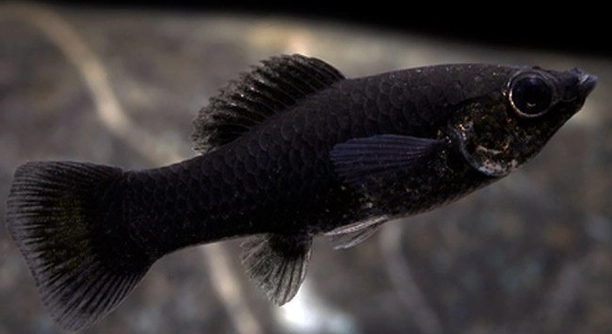
Are you preparing to add a Black Molly fry to your aquarium but want to make sure everything is ready for a smooth transition? Small adjustments can make a big difference in the survival and health of your new fry.
Before introducing Black Molly fry, it is crucial to assess water quality, temperature stability, filtration efficiency, and existing tank population. Adjusting these factors ensures a safe environment, reduces stress, and promotes healthy growth for the fry.
Making these preparations can prevent common problems and help your fry thrive in their new home. Proper care from the start is essential.
Check Water Quality
Maintaining stable water quality is the first step before adding Black Molly fry. Test for ammonia, nitrite, and nitrate levels regularly, and ensure they are within safe ranges. Sudden changes can stress fry and make them more susceptible to disease. A partial water change can help correct imbalances, and using a dechlorinator ensures chlorine or chloramine does not harm the fry. Monitoring pH is equally important; Mollies prefer slightly alkaline water between 7.0 and 8.0. Keep an eye on hardness as well, since soft or overly acidic water can hinder growth. Regularly cleaning the substrate and removing uneaten food helps prevent waste buildup, which can affect water quality. Even small adjustments, like fine-tuning the water temperature or using a gentle filtration system, can improve survival rates. Consistency matters more than perfection, so maintain a routine that supports stable, clean conditions. Observing your tank daily helps catch issues early and reduces stress for the fry.
Water quality directly affects fry health. Proper testing, cleaning, and maintenance will give Black Molly fry the best chance to thrive.
Keeping water clean requires diligence. Regular testing, small water changes, and careful monitoring create an environment where fry can grow steadily and remain healthy. This ongoing attention ensures they stay active and strong.
Adjust Tank Temperature
Black Molly fry are sensitive to temperature changes. Keep your aquarium between 76°F and 80°F for optimal growth. Sudden drops or spikes can weaken fry, reduce feeding activity, and increase susceptibility to disease. Using a reliable heater and thermometer helps maintain consistent conditions. Avoid placing the tank near windows, vents, or direct sunlight, as these can create fluctuations. Small tanks are especially prone to rapid temperature changes, so extra care is needed. Observe the fry’s behavior; lethargy or hiding may indicate stress from improper temperature. Gradual adjustments are better than sudden changes if the water needs warming or cooling. A stable temperature supports digestion, immune function, and activity levels, all of which are critical in the early days. Consistency is key; even a few degrees outside the recommended range can affect survival rates. Proper setup ensures fry have the best chance to grow healthy and strong.
A steady temperature keeps fry active and supports overall health. Sudden changes can cause stress or illness.
Monitoring and adjusting the tank temperature creates a reliable environment. A consistent heat level allows fry to feed, grow, and develop without unnecessary stress. Gradual changes and careful observation are essential for long-term stability.
Ensure Proper Filtration
A gentle filtration system is essential for Black Molly fry. Strong currents can exhaust or injure them, while stagnant water leads to waste buildup and poor oxygen levels.
Choosing the right filter helps maintain clean water without disturbing fry. Sponge filters or filters with reduced flow are ideal. Position the outlet to avoid strong currents directly in the fry’s swimming area. Regular maintenance, like rinsing filter media in tank water, prevents clogging and preserves beneficial bacteria. Avoid overcleaning, as this can disrupt the biological balance and increase ammonia or nitrite levels. Monitoring the filter’s performance daily ensures it is functioning correctly and supports a healthy environment.
Filters also help circulate oxygen and evenly distribute heat, supporting fry growth. A properly adjusted filter reduces stress and keeps water conditions stable. Consistent care prevents sudden water quality changes, giving fry a safe and supportive environment.
Observe Tank Population
Overcrowding can be dangerous for Black Molly fry. Too many fish create stress, reduce feeding opportunities, and increase waste.
Monitor the tank regularly to ensure the population is balanced. Remove aggressive or overly large fish that may harm fry. Fry need space to swim freely and find food without competition. Keeping adult Mollies or other fish that may eat fry separate prevents accidental losses. Consider adding hiding spots like plants or small decorations, allowing fry to retreat when threatened. Observing feeding behavior is important; if fry cannot access food, growth and survival rates decline. Regular checks help identify potential threats early.
Maintaining a balanced population ensures fry can thrive. Space, safety, and access to food support healthy development. Proper observation reduces stress and prevents injuries, keeping fry active and growing steadily.
Prepare Hiding Spots
Fry need areas to hide to feel safe. Dense plants, moss, or small decorations provide protection from larger fish.
Creating multiple hiding spots reduces stress and gives fry space to explore safely. This encourages natural behavior and improves survival rates.
Monitor Feeding
Feed Black Molly fry small, frequent meals. Overfeeding can pollute the tank, while underfeeding slows growth. Use finely crushed flakes, powdered food, or specialized fry food. Observe how much they consume within a few minutes and adjust portions to avoid waste.
Separate Sick Fish
Any fish showing signs of illness should be removed immediately. Sick fish can quickly spread disease to fry, endangering their survival. Quarantine or treat them separately to maintain a healthy tank environment.
Maintain Consistent Light
Consistent lighting helps fry establish feeding and activity patterns. Use a timer to provide a stable day-night cycle, which supports healthy growth and reduces stress.
FAQ
How often should I change the water when raising Black Molly fry?
Frequent water changes are essential for fry health. Change 10–15% of the water every two to three days to maintain stable conditions. Larger changes can stress fry, so small, consistent adjustments are better. Always use dechlorinated water at the same temperature as the tank to prevent sudden shocks. Monitoring water parameters helps determine if additional changes are needed, especially in smaller tanks where waste accumulates quickly. Keeping the water clean supports growth and reduces disease risks.
What should I feed Black Molly fry?
Fry require small, easily digestible foods. Finely crushed flakes, powdered fry food, or specially formulated liquid fry food works best. Feed tiny portions multiple times per day, ensuring they consume the food within a few minutes. Overfeeding leads to water pollution and increases the risk of ammonia spikes. Rotate food types occasionally to provide balanced nutrition. Observing the fry during feeding helps identify if they are eating enough and allows adjustments to portions or frequency.
Can I keep adult Mollies with fry?
Adult Mollies can eat fry if not carefully managed. If the tank is small or lacks hiding spots, separation is safer. Using a breeding box or a heavily planted section of the tank can provide refuge for fry. Monitoring interactions is essential to prevent aggression. Overcrowding with adults reduces food access for fry, impacting growth. Keeping fry separate during their early weeks ensures better survival rates. Gradually introducing them to the main tank later helps them adapt safely.
How do I know if fry are stressed?
Stressed fry may hide excessively, swim erratically, or refuse food. Signs also include rapid gill movement or clinging to surfaces. Stress often results from poor water quality, strong currents, overcrowding, or sudden temperature changes. Observing fry behavior daily allows early detection of issues. Correcting water parameters, reducing currents, and providing hiding spots can relieve stress. Stress-free fry feed better, grow faster, and have stronger immune systems, improving their chances of survival.
How long does it take for Black Molly fry to grow?
Growth varies depending on water quality, food, and tank conditions. Under optimal care, fry show visible growth within a few weeks. By three months, they are usually recognizable as small adults and can tolerate slightly more adult-like conditions. Maintaining proper feeding, stable water conditions, and a stress-free environment supports steady growth. Regular observation helps track development and ensures any problems are addressed early. Patience is key, as rushing changes or overcrowding can slow growth and increase mortality.
Is it necessary to use a sponge filter?
A sponge filter is highly recommended for fry. It provides gentle filtration without strong currents that can exhaust or injure small fry. Sponge filters also support beneficial bacteria that help maintain water quality. Position the filter carefully so it circulates water evenly but does not create turbulence. Cleaning the sponge gently in tank water preserves bacterial colonies. Proper filtration ensures a stable environment, reduces waste buildup, and supports healthy development of fry.
Can I use tap water directly for water changes?
Tap water must be treated before adding it to the tank. Chlorine and chloramine are harmful to fry and can cause stress or death. Use a water conditioner to neutralize chemicals and ensure water temperature matches the tank. Testing pH and hardness helps avoid sudden changes that could shock fry. Properly prepared water protects fry health and supports growth, making consistent care easier.
How many fry can I keep in a tank?
Avoid overcrowding to give each fry enough space to swim and access food. Tank size, hiding spots, and filtration determine how many fry can safely live together. Overcrowding increases stress, competition, and the risk of disease. A general guideline is one fry per gallon in the early weeks, adjusting as they grow. Regular observation ensures fry are feeding, active, and healthy, preventing losses from overcrowding issues.
Can fry survive without hiding spots?
Hiding spots are critical for fry. Plants, moss, or small decorations reduce stress and provide protection from larger fish or siblings. Without hiding areas, fry may be more prone to injury, stress, and stunted growth. Providing multiple areas to retreat encourages natural behavior and improves survival rates. Fry use these spaces to rest and avoid aggression, promoting steady growth.
What is the best temperature range for fry?
Maintain a stable temperature between 76°F and 80°F. Consistent heat supports digestion, immune function, and activity levels. Sudden drops or spikes increase stress and can reduce feeding. Using a reliable heater and thermometer ensures the tank remains within this range. Gradual adjustments are safer than sudden changes. Proper temperature management promotes healthy growth and reduces vulnerability to illness.
This FAQ covers the essential care points for successfully raising Black Molly fry, from feeding and water quality to tank setup and stress prevention.
Adding Black Molly fry to your aquarium requires careful preparation and consistent attention. The early days are critical, and small adjustments can make a big difference in their survival and growth. Ensuring the water quality is stable, the temperature is consistent, and the filtration is gentle creates a safe environment. Fry are sensitive to sudden changes, so monitoring ammonia, nitrite, and nitrate levels regularly is important. Maintaining slightly alkaline water with proper hardness and pH helps support healthy development. Simple steps like using a dechlorinator, performing partial water changes, and removing uneaten food can prevent harmful spikes in waste levels and reduce stress for the fry. Observing their behavior daily helps detect any early signs of stress or illness, allowing prompt corrective actions.
Providing hiding spots and controlling the tank population are equally important. Fry need spaces to retreat and feel secure, whether that is dense plants, moss, or small decorations. Overcrowding increases competition for food and space, which can slow growth and increase mortality. Separating aggressive or larger fish helps ensure fry have access to food and reduces injuries. Feeding should be frequent and in small portions using finely crushed flakes, powdered food, or specialized fry food. Overfeeding can pollute the tank, while underfeeding may stunt growth. Maintaining a consistent light cycle also supports healthy feeding patterns and reduces stress. A stable environment where fry can swim freely, feed adequately, and retreat when needed contributes to better overall survival and stronger, healthier fish.
Monitoring fry and making small, consistent adjustments is more effective than sudden, large changes. Regularly checking temperature, water quality, and feeding routines helps prevent common issues before they become serious problems. Removing sick fish promptly or treating them in quarantine protects the rest of the tank. Sponge filters or other gentle filtration methods ensure clean water without creating strong currents that can exhaust fry. Maintaining all these elements requires diligence but provides the best chance for healthy development. With patience and consistent care, Black Molly fry can thrive in a safe, supportive environment. Proper attention in the early stages lays the foundation for strong, active adult fish, giving you a rewarding experience as your fry grow successfully.

Hello,
If you enjoy the content that we create, please consider saying a "Thank You!" by leaving a tip.
Every little bit helps us continue crafting quality advice that supports the health, happiness, and well-being of pets around the world, for pets of all shapes, sizes, and species.
We really appreciate the kindness and support that you show us!