
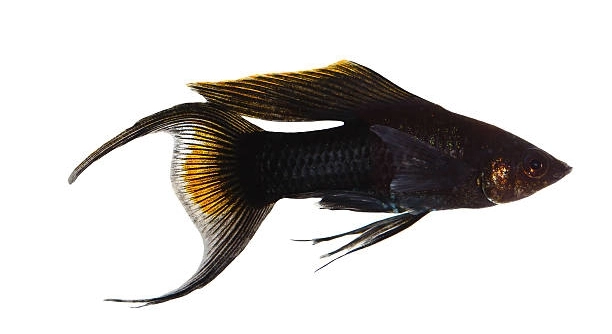
Black Mollies are popular freshwater fish that bring life and color to home aquariums. They are usually active swimmers, but sometimes they may start sinking slowly, which can worry any fish owner.
The slow sinking of a Black Molly is commonly caused by swim bladder issues, constipation, or poor water conditions. Maintaining proper diet, stable water temperature, and clean aquarium conditions can help prevent and address this problem effectively.
Observing your Black Molly carefully can reveal subtle signs that indicate its health status and help you act before minor issues become serious.
Common Causes of Slow Sinking in Black Mollies
When I first noticed my Black Molly sinking slowly, I was worried it might be seriously ill. After observing closely, I realized that overfeeding was one major factor. Black Mollies can easily become constipated if their diet is heavy in dry flakes or high-protein foods. Poor water conditions, like sudden temperature changes or high ammonia levels, also play a role. Swim bladder problems are another frequent issue. The swim bladder is an internal organ that controls buoyancy. If it is affected by infection, injury, or diet, the fish may struggle to maintain its position in the tank. Additionally, stress from overcrowding or aggressive tank mates can cause unusual behavior, including slow sinking. Keeping the tank clean, monitoring water parameters, and offering a balanced diet with occasional vegetables can help prevent these issues. Observation is key to catching problems early and supporting your fish’s health effectively.
Swim bladder problems usually appear gradually, allowing careful observation to catch early signs and act promptly.
Consistency in tank maintenance and a varied diet can stabilize buoyancy. Adding fresh vegetables like zucchini or peas helps prevent constipation, while maintaining proper temperature and regular water changes reduce stress on the fish.
Diet and Water Management
Adjusting feeding habits is essential for healthy swimming patterns.
Black Mollies thrive on a mix of high-quality flakes, occasional frozen or live foods, and plant matter. Overfeeding can quickly lead to constipation, which directly impacts buoyancy. A small portion twice a day is enough for most adult fish. Water quality is equally important. Stable temperature, around 24–26°C, and regular partial water changes help maintain an environment that supports normal swim bladder function. Testing for ammonia, nitrite, and nitrate ensures toxic compounds stay at safe levels. Observing fish after feeding can reveal subtle issues, such as sluggish movement or unbalanced swimming, indicating a need for diet adjustments or water monitoring. For constipation, feeding peas that have been boiled and peeled is effective. Combining proper feeding, regular water checks, and occasional health monitoring can prevent slow sinking and support the long-term wellbeing of Black Mollies. A little care every day goes a long way in keeping them healthy and active.
Tank Environment and Stress
Overcrowded tanks can make Black Mollies stressed, which affects swimming. Decorations and hiding spots help reduce tension and encourage normal movement.
Stress from aggressive tank mates can lead to unusual behavior, including sinking. Ensuring enough space and hiding areas allows your fish to feel secure. Proper water flow and stable temperature also reduce stress. Observing interactions among fish helps identify issues early, and separating aggressive individuals can prevent ongoing problems. A calm environment supports natural swimming and buoyancy control. Maintaining cleanliness, adding plants, and monitoring tank dynamics keeps the fish comfortable and healthy.
Poor water conditions, such as high ammonia or nitrate levels, often contribute to slow sinking. Regular water testing and partial changes are essential to maintain a safe habitat. Sudden temperature fluctuations can also disrupt buoyancy, so keeping consistent warmth is key. Proper filtration, avoiding overstocking, and reducing stressors like loud noise or frequent disturbances help your Black Mollies thrive. These measures prevent disease and support overall health, ensuring your fish swim confidently throughout the tank.
Observing Symptoms and Taking Action
Slow sinking is often accompanied by other symptoms like clamped fins or lethargy. Immediate attention helps prevent more serious issues.
Careful observation can reveal if the problem is diet-related, stress-induced, or caused by swim bladder infection. Isolation in a small quarantine tank sometimes helps the fish recover faster. Feeding a high-fiber diet, such as boiled peas, can relieve constipation and improve buoyancy. Monitoring water parameters ensures a safe environment, reducing the risk of disease. In severe cases, consulting a vet experienced with fish may be necessary to diagnose infections. Taking prompt action supports recovery and prevents worsening conditions, keeping your Black Mollies active.
Maintaining a Balanced Diet
Feeding Black Mollies a mix of flakes, vegetables, and occasional live food keeps them healthy. Avoid overfeeding to prevent constipation and buoyancy issues.
Introducing boiled peas or blanched zucchini occasionally helps with digestion. A varied diet supports swim bladder function and overall vitality.
Proper Water Temperature
Keeping the tank temperature steady between 24–26°C helps Black Mollies maintain buoyancy. Sudden changes can stress the fish and affect swimming patterns. Regular monitoring ensures a stable environment, which is crucial for their health.
Cleaning and Filtration
Regular water changes and effective filtration reduce harmful toxins. Clean tanks minimize stress and help Black Mollies swim normally, maintaining their energy and overall health.
FAQ
Why is my Black Molly sinking slowly even though the water seems fine?
Even if the water appears clean, small imbalances in temperature, pH, or ammonia levels can affect buoyancy. Black Mollies are sensitive to subtle changes. Stress, minor infections, or early swim bladder issues may not be obvious at first but can cause slow sinking. Regular monitoring and partial water changes help maintain stable conditions.
Can overfeeding cause slow sinking?
Yes. Overfeeding often leads to constipation, which directly impacts swim bladder function. Flake food or pellets high in protein can be difficult to digest. Feeding small portions twice a day and adding boiled peas or other fibrous vegetables can improve digestion and buoyancy.
How can I tell if it’s a swim bladder problem?
Signs include difficulty staying upright, tilting to one side, or floating at the top or sinking at the bottom. Swim bladder problems can result from infection, injury, or poor diet. Observing swimming patterns over a few days helps determine the cause. Quarantine and diet adjustments may help.
Are temperature changes a factor?
Yes. Black Mollies prefer stable temperatures between 24–26°C. Sudden drops or spikes can stress them, slowing their movements or causing sinking. Using a reliable aquarium heater and thermometer ensures consistent conditions. Gradual adjustments are necessary if changes are needed.
Do tank mates affect buoyancy?
Aggressive or overly active fish can stress Black Mollies, making them swim abnormally or sink slowly. Overcrowding reduces space and increases competition for food, which can worsen stress. Providing hiding spots and monitoring fish interactions can reduce this problem.
Can water quality alone cause this issue?
Absolutely. Ammonia, nitrites, or nitrates at unsafe levels can weaken your fish and affect swimming. Even small fluctuations can have an impact. Regular testing, partial water changes, and maintaining proper filtration are critical for a healthy environment.
How long does it take for a Black Molly to recover?
Recovery depends on the cause. Minor constipation or stress may improve in a few days with diet and water adjustments. Swim bladder infections or injuries might take weeks and sometimes need professional care. Early intervention improves recovery chances.
Should I isolate a sinking Black Molly?
Isolation in a small quarantine tank can help monitor symptoms and prevent further stress. It also reduces the risk of disease spreading and allows for controlled feeding. Providing clean water and a calm environment supports faster recovery.
Are there signs that it’s not serious?
If the fish occasionally sinks but swims normally after a short time, it may be minor stress or diet-related. Consistent swimming difficulties, tilting, or gasping indicate a more serious problem requiring attention. Observation over several days gives a clearer picture.
Can diet changes alone fix the issue?
Diet adjustments often improve buoyancy if constipation is the cause. Adding fibrous foods like peas and reducing high-protein flakes helps digestion. However, if stress, water quality, or swim bladder infections are involved, diet alone may not be enough.
Is medication ever needed?
Medication is sometimes required if a bacterial infection affects the swim bladder. Only use fish-specific treatments and follow instructions carefully. Misuse can harm your fish or disrupt the tank’s ecosystem. Quarantine before treatment is recommended.
How can I prevent slow sinking in the future?
Regular maintenance, balanced diet, stable temperature, clean water, and stress-free tank conditions are key. Observing behavior daily helps catch early signs of issues. Consistency in care greatly reduces the chances of slow sinking recurring.
Can environmental enrichment help?
Yes. Plants, hiding spots, and gentle water flow reduce stress and encourage natural swimming. Black Mollies feel safer and maintain better buoyancy when their environment feels secure.
Is age a factor in sinking?
Older fish may naturally swim more slowly or have weaker swim bladder function. Young and healthy Black Mollies usually recover quickly from minor issues, while older ones may need more consistent care and monitoring.
How often should I check my Black Molly?
Daily observation is ideal. Look for changes in swimming, appetite, or appearance. Early detection of sinking, unusual swimming, or signs of disease allows for timely interventions. Small adjustments can prevent serious problems from developing.
Can seasonal changes affect buoyancy?
Seasonal temperature swings in the home can stress Black Mollies. Even small drops in winter or heat in summer may slow swimming. A heater, thermometer, and monitoring help maintain a steady environment year-round.
Is slow sinking always health-related?
Not always. Temporary buoyancy changes can occur after feeding, during breeding, or after mild stress. Persistent sinking accompanied by other symptoms usually indicates a health or environmental issue that requires attention.
How do I know if it’s diet or water-related?
Observe after feeding and monitor water parameters. If sinking occurs after meals and improves with fibrous foods, diet is likely the cause. If it happens at other times, check temperature, ammonia, nitrite, nitrate, and stress factors. Both can be addressed simultaneously for best results.
Can breeding affect buoyancy?
Yes. Pregnant female Black Mollies may swim differently or sink slowly due to the added weight of developing fry. This is generally normal, but sudden or severe sinking alongside other symptoms should still be monitored.
Is it normal for Black Mollies to sink occasionally?
Occasional slow sinking can happen, especially after feeding or minor stress. Frequent or prolonged sinking, tilted swimming, or clamped fins indicates an underlying problem needing correction through diet, water quality, or medical care.
Can I use a water conditioner to help?
Yes. Using a dechlorinator or water conditioner reduces stress from tap water chemicals, making the environment safer. This supports swim bladder health and general buoyancy, especially after water changes.
Does tank size matter?
Smaller tanks with overcrowding increase stress and reduce swimming space, contributing to slow sinking. A spacious tank with proper filtration and hiding spots allows Black Mollies to swim naturally and maintain buoyancy.
Are live foods better than flakes?
Live foods like brine shrimp or daphnia add variety and stimulate natural hunting behavior. They also aid digestion and can prevent constipation. Flakes are fine if used in moderation and balanced with fibrous foods.
How do I handle persistent swim bladder issues?
Persistent issues may require isolation, diet changes, water optimization, and in some cases, veterinary consultation. Early recognition and consistent care improve recovery chances and prevent long-term problems.
Can adding salt help?
Adding aquarium salt in small doses can reduce stress and improve overall health. It may aid in mild swim bladder problems, but excessive salt can harm freshwater fish. Use carefully according to guidelines.
How long should quarantine last?
A typical quarantine period is 2–4 weeks, depending on symptoms. It allows monitoring for improvement and prevents disease spread. Adjust care based on observation and recovery progress.
Is exercise important?
Gentle swimming and open areas allow Black Mollies to exercise, keeping muscles and swim bladder functional. Restricted movement or strong currents can worsen buoyancy issues. Providing enough space and calm water promotes natural activity.
Can temperature fluctuations be sudden killers?
Sudden temperature drops or spikes can shock Black Mollies, sometimes leading to rapid sinking or death. Gradual adjustments and monitoring reduce the risk, ensuring stable, safe conditions.
Do seasonal diet changes matter?
Not usually, but ensuring variety and fiber content year-round helps digestion. Avoid sudden switches to high-protein foods, as they can trigger constipation and buoyancy problems.
Are there signs of permanent damage?
Persistent tilting, uneven swimming, or inability to stay upright despite proper care may indicate permanent swim bladder damage. Supportive care and minimizing stress improve quality of life, but full recovery may not always be possible.
What are the most important steps to prevent slow sinking?
Stable water, balanced diet, proper temperature, clean environment, and minimal stress are key. Observing behavior daily and acting quickly when changes occur keeps Black Mollies healthy and buoyant, reducing the risk of chronic issues.
Can stress alone cause sinking?
Yes. Stress from aggressive tank mates, overcrowding, loud noise, or sudden changes can slow swimming. Reducing stressors and providing safe hiding spots helps restore normal buoyancy.
Is it safe to treat at home?
Many minor cases can be managed with diet, water changes, and careful observation. Serious infections or persistent swim bladder issues may need professional advice. Always follow safe treatment guidelines to avoid harm.
Can older fish recover fully?
Recovery is possible but may take longer. Older Black Mollies have slower metabolism and weaker swim bladder function. Consistent care, proper diet, and gentle handling improve chances of regaining buoyancy.
How do I balance diet and water care together?
Feeding small, varied portions and maintaining clean, stable water work hand in hand. Both factors influence digestion, buoyancy, and stress. Regular observation ensures adjustments are effective and keeps your Black Mollies healthy.
Is slow sinking reversible?
In most cases, yes. Identifying the cause, adjusting diet, improving water quality, reducing stress, and treating infections all contribute to recovery. Early action increases the likelihood of reversing buoyancy problems and restoring normal swimming behavior.
How do I monitor progress?
Track swimming patterns, appetite, and appearance daily. Note improvements after diet changes or water adjustments. Persistent issues may require further intervention, but careful observation provides valuable insight into recovery and overall health.
Can pregnant females sink more often?
Yes, carrying fry adds weight and changes buoyancy. This is usually temporary, but monitoring for other symptoms ensures the sinking isn’t related to disease or swim bladder problems.
Does lighting affect buoyancy?
Indirectly. Bright, stressful lighting may make fish hide or swim erratically, increasing stress. Moderate, consistent lighting helps maintain normal behavior and reduces stress-induced sinking.
How do I know if the fish is comfortable?
Comfortable Black Mollies swim steadily, explore the tank, and respond to feeding. Sinking, clamped fins, or hiding may indicate stress, illness, or environmental issues that need correction.
Can diet supplements help?
Occasional supplements like vitamins or probiotics can aid digestion and swim bladder function. They should complement, not replace, a balanced diet with vegetables and high-quality flakes or live food.
Are there long-term risks if ignored?
Chronic buoyancy issues can lead to poor feeding, stress, secondary infections, or early death. Addressing problems promptly prevents long-term damage and supports overall health and lifespan.
Do water changes really make a difference?
Yes. Regular partial changes remove toxins, stabilize water parameters, and reduce stress. Clean water supports digestion, swim bladder function, and normal swimming patterns.
Is it normal for some sinking to happen at night?
Mollies may rest near the bottom at night, which is generally normal. Persistent daytime sinking or abnormal swimming indicates a problem that requires attention.
How important is quarantine for new fish?
Quarantining new additions prevents disease spread, allows monitoring for buoyancy issues, and reduces stress for established fish. A separate tank for 2–4 weeks is recommended.
Can tank decorations help?
Plants, rocks, and hiding spots reduce stress and provide a natural environment. This encourages normal swimming and helps maintain buoyancy, especially for shy or stressed Black Mollies.
Do water hardness or pH affect swimming?
Yes. Black Mollies prefer slightly alkaline water with moderate hardness. Extreme shifts in pH or hardness can stress fish and affect buoyancy. Regular testing ensures safe parameters.
What should I do if the fish is not improving?
If buoyancy issues persist after diet, water, and stress adjustments, consult a vet experienced with fish. Professional advice ensures proper diagnosis and treatment.
How often should I feed to avoid sinking issues?
Small meals twice daily are sufficient. Avoid overfeeding, and include fibrous vegetables occasionally. Consistent feeding habits support digestion and buoyancy.
Can bacterial infections be prevented?
Maintaining clean water, reducing stress, and quarantining new fish minimize bacterial infections. Prompt action at the first signs of illness improves recovery chances.
Is it safe to mix Black Mollies with other species?
Yes, if tank mates are peaceful and similar in size. Aggressive or fast-moving species can stress Mollies and affect swimming. Observation is important.
Can adding floating plants help?
Yes. Floating plants provide cover and reduce stress. They also create calmer water areas, allowing Black Mollies to swim comfortably and maintain buoyancy.
Are homemade remedies effective?
Homemade remedies are often risky. Diet and water adjustments are safer and more reliable. Medical issues like infections require proper treatment to avoid harm.
How do I know if it’s diet or illness?
Observe response to fibrous foods. Improvement suggests diet-related issues. If symptoms persist, consider infections, swim bladder damage, or water-related problems. Both may need attention.
Can exercise help recovery?
Encouraging gentle swimming in open tank areas strengthens muscles and supports swim bladder function. Avoid strong currents that may increase stress.
How do I maintain long-term buoyancy health?
Consistent feeding, clean water, stable temperature, stress reduction, and daily observation maintain healthy swim bladder function and prevent slow sinking over time.
Are there common mistakes to avoid?
Overfeeding, sudden temperature changes, overcrowding, ignoring water testing, and skipping observation are frequent mistakes. Addressing these prevents slow sinking and supports overall fish health.
What if more than one fish is sinking?
Check water quality and tank conditions first. Diet, temperature, and stress affect multiple fish. Addressing environmental issues promptly helps all affected fish recover.
Can water flow affect buoyancy?
Yes. Strong currents may tire Black Mollies, making them sink. Gentle flow supports natural swimming while reducing stress.
Are young fish more resilient?
Young Black Mollies usually recover faster from minor issues. Older or weaker fish may need more attention and slower adjustments to diet, temperature, and environment.
Do seasonal maintenance changes matter?
Yes. Temperature, lighting, and feeding may need adjustments during seasonal shifts to maintain stable conditions and prevent buoyancy problems.
How do I avoid overfeeding accidentally?
Measure portions, feed small amounts, and remove uneaten food. Consistent feeding routines prevent constipation and buoyancy issues.
Can water aeration help?
Aeration improves oxygen levels, reduces stress, and supports overall health. Proper oxygenation helps maintain normal swimming and buoyancy.
Is frequent observation necessary?
Daily checks help spot changes in swimming, appetite, or appearance. Early detection allows timely intervention before problems worsen.
Do different Black Molly strains behave differently?
Minor behavioral differences exist, but buoyancy issues affect all strains similarly. Diet, water, and stress management remain the main factors.
How important is gradual temperature change?
Gradual adjustments prevent shock, stress, and sinking. Sudden changes can worsen swim bladder problems and overall health.
Are natural foods better than processed ones?
Natural or live foods improve digestion and swimming behavior. Flakes are fine if balanced with fibrous foods. Variety is key.
Can tank location impact stress?
Yes. Noise, vibrations, and frequent activity near the tank can stress fish, causing slow sinking. A quiet, stable location is ideal.
What is the best overall approach?
Balanced diet, clean water, stable temperature, minimal stress, daily observation, and timely intervention are essential. Combining these steps ensures healthy buoyancy and long-term wellbeing for Black Mollies.
How do I handle recurring slow sinking?
Track patterns, adjust diet and water, reduce stress, and consult a professional if needed. Consistency and careful observation prevent repeat problems.
Can stress from handling cause sinking?
Yes. Frequent or rough handling can shock Black Mollies. Gentle, minimal interaction is best to maintain normal buoyancy and reduce risk.
Is slow sinking reversible for all cases?
Most diet- or stress-related cases are reversible. Chronic swim bladder damage or infections may require long-term care, with recovery varying by severity.
Can water conditioners prevent buoyancy problems?
They help by neutralizing harmful chemicals, reducing stress, and supporting overall health. This indirectly supports swim bladder function and normal swimming.
How do I track improvements effectively?
Use notes or photos to record swimming behavior, appetite, and response to diet or environment changes. Monitoring over time clarifies progress.
What are key signs of full recovery?
Steady swimming, upright posture, normal appetite, and active behavior indicate improved buoyancy. Consistent observation confirms recovery and helps maintain health.
Can multiple minor issues combine to cause sinking?
Yes. Small diet errors, minor water fluctuations, and slight stress can collectively affect swim bladder function. Addressing all factors is essential for resolution.
Are there preventive supplements worth using?
Occasional vitamins or probiotics support digestion but should complement a balanced diet and proper water care. They are not a replacement for core care practices.
Does lighting duration matter?
Consistent day-night cycles reduce stress and encourage normal activity. Irregular lighting may contribute to erratic swimming or hiding behaviors.
Can a new tank trigger sinking?
Yes. New or recently cycled tanks can stress fish, affecting buoyancy. Gradual acclimation and observation help them adjust safely.
Is slow sinking ever harmless?
Occasional sinking after meals or minor stress is normal. Persistent or abnormal sinking indicates an underlying issue needing intervention.
Can tank mates help recovery?
Peaceful companions reduce stress and create a natural environment. Avoid aggressive species that can worsen buoyancy problems.
How do I balance multiple factors at once?
Address diet, water quality, stress, and environment simultaneously. Consistent care and observation ensure all potential causes are managed effectively.
Are there seasonal diet adjustments that help?
Maintaining variety and fiber content year-round prevents constipation. Avoid sudden protein-heavy changes, especially during temperature fluctuations.
Can over-filtration harm swimming?
Strong currents from over-filtration can tire Black Mollies, making them sink. Adjust flow for gentle movement while keeping water clean.
How do I prevent constipation long-term?
Feed small, balanced portions, include fibrous foods like peas, and maintain stable water conditions. Regular observation ensures early detection of digestive issues.
Can hiding spots improve buoyancy indirectly?
Yes. Reduced stress from shelters allows fish to swim calmly, supporting normal buoyancy and preventing erratic sinking behavior.
Is monitoring water chemistry really necessary?
Yes. Even minor imbalances in pH, hardness, or ammonia can impact swim bladder health and overall wellbeing. Regular testing prevents hidden problems.
Can environmental stress alone cause permanent issues?
Chronic stress may weaken swim bladder function over time. Minimizing stressors and maintaining consistent care reduces the risk of long-term problems.
Do Black Mollies need more attention than other fish?
They are sensitive to diet, water, and stress. Daily observation, stable conditions, and proper feeding routines are important to prevent slow sinking and support health.
**
Final Thoughts
Watching a Black Molly slowly sink in your aquarium can be worrying, but understanding the main reasons behind this behavior makes it easier to address. In most cases, the problem comes from diet, water conditions, stress, or swim bladder issues. Paying attention to what your fish eats is important. Overfeeding or providing foods that are too dense can cause constipation, which affects buoyancy. Including vegetables like peas or blanched zucchini occasionally can help digestion. A balanced diet with moderate portions keeps the fish healthy and prevents minor problems from becoming serious. I have found that even small adjustments in feeding habits can make a noticeable difference in how actively my Mollies swim.
Maintaining the tank environment is just as crucial. Water temperature, cleanliness, and stability play a big role in swim bladder function. Sudden temperature changes or high levels of ammonia, nitrites, or nitrates can stress the fish, making them sink or swim irregularly. Regular partial water changes, testing water parameters, and keeping the tank clean help create a stable and safe habitat. Providing enough space, hiding spots, and moderate water flow reduces stress, which also contributes to normal swimming behavior. When these environmental factors are addressed consistently, most minor sinking problems improve within a few days to weeks. Observing your Black Mollies daily can help catch early signs of stress or illness before it worsens.
Even with the best care, some issues can be more serious, such as swim bladder infections or injuries. In these cases, additional steps may be needed, including isolation, careful monitoring, and sometimes medical treatment. Paying attention to subtle signs like tilting, clamped fins, or unusual lethargy is important. Quick action can prevent long-term health problems and help your fish recover faster. Overall, keeping Black Mollies healthy requires a combination of consistent feeding, clean water, stable conditions, and careful observation. By addressing the main causes of slow sinking and maintaining a calm, supportive environment, you can ensure your Mollies remain active, comfortable, and thriving in your aquarium for a long time.

Hello,
If you enjoy the content that we create, please consider saying a "Thank You!" by leaving a tip.
Every little bit helps us continue crafting quality advice that supports the health, happiness, and well-being of pets around the world, for pets of all shapes, sizes, and species.
We really appreciate the kindness and support that you show us!