
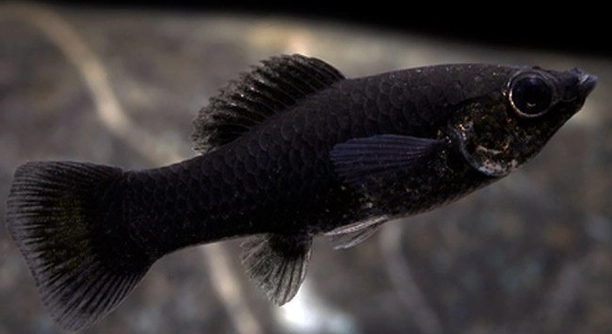
Black Molly fish are popular in home aquariums because of their striking color and peaceful nature. Many fishkeepers appreciate how they interact calmly with other species and bring life to a tank without much hassle.
Black Mollies can adapt to new environments relatively quickly due to their hardy nature and flexible dietary and habitat requirements. They adjust to varying water conditions, temperatures, and tank setups, making them suitable for both beginner and experienced aquarists.
Understanding the ways Black Mollies adjust can help you maintain a healthy aquarium and support their well-being from the start. Their adaptability is just one key factor in a thriving tank.
Understanding Black Molly Behavior
Black Mollies are known for their calm and social behavior, which makes them easy to keep with other non-aggressive fish. They enjoy swimming in groups and explore their environment actively, often investigating plants, decorations, and the corners of a tank. Despite being small, they are confident and will adjust to new tank setups without much stress if introduced gradually. Observing their movements and interactions can help you identify stress or discomfort, which is important for maintaining their health. Feeding patterns are also telling, as Black Mollies tend to be opportunistic eaters. They accept a variety of foods, from flakes to live or frozen options. Water quality is key to their behavior and well-being; consistent maintenance and monitoring of temperature, pH, and cleanliness reduce the chances of illness or lethargy. Overall, their behavioral adaptability supports their survival in diverse aquarium conditions.
Their calm and social nature allows Black Mollies to adapt quickly while maintaining interaction with tank mates.
When introducing Black Mollies to a new tank, gradual acclimation is important. Start by floating their transport container in the tank for 15–30 minutes, allowing water temperatures to equalize. Slowly add small amounts of tank water into the container every 10 minutes, helping them adjust to water chemistry differences. Observing their response during this period can indicate readiness for full release. Provide plenty of hiding spots and plants to reduce stress and allow them to explore at their own pace. Monitoring feeding behavior and swimming activity in the first few days helps detect any issues early. With proper acclimation, they settle quickly and begin interacting with the environment, showing their characteristic energetic and social behavior. This method ensures that the transition does not shock their system, supporting long-term health and adaptation to new surroundings.
Water Conditions and Adaptation
Maintaining stable water conditions is critical for Black Molly adaptation. They tolerate a range of pH and hardness levels but thrive in moderate, stable conditions.
Temperature, salinity, and cleanliness directly impact their health. Ideal temperatures range from 24–28°C, with slightly brackish water sometimes improving breeding and growth. Sudden changes in pH, hardness, or chemical levels can stress the fish, making them more vulnerable to disease. Regular water changes and filtration keep the environment consistent. Black Mollies also adjust feeding habits based on water quality and food availability. Observing how they respond to changes helps aquarists fine-tune conditions for optimal health. Salinity can be gradually increased in freshwater tanks, as they tolerate low levels well. Proper monitoring and gradual adjustments ensure they remain active and show natural behavior, minimizing risk. Understanding water chemistry and maintaining stability is essential for their successful adaptation and long-term survival. This knowledge allows you to create an environment where Black Mollies can thrive and maintain their vibrant appearance.
Feeding Habits and Adaptation
Black Mollies are flexible eaters, accepting flakes, pellets, and live foods. Their ability to adjust quickly to different diets supports their survival in new tanks and prevents stress when switching environments.
Feeding patterns play a crucial role in how Black Mollies adapt. They are omnivorous and can eat a mix of plant-based and protein-rich foods. Offering a balanced diet with occasional live or frozen treats encourages healthy growth and activity. Monitoring how they respond to new food types can reveal their comfort level in the tank. Overfeeding can harm water quality, so small, frequent meals are best. Their adaptability to diet changes is an advantage for aquarists managing different tank setups.
Black Mollies often explore new foods with curiosity. When introduced to unfamiliar food, they may inspect and nibble before eating fully. This behavior indicates cognitive flexibility and helps maintain nutrition even when conditions change. Observing their feeding interactions also allows you to assess overall health. Their responsiveness to varied diets supports long-term survival and makes them suitable for mixed-species tanks. Over time, they learn feeding routines, recognizing feeding times and preferred locations, which further demonstrates their adaptability. This dietary flexibility is one of the key reasons they handle new environments effectively.
Tank Setup and Environmental Factors
Providing a well-structured tank helps Black Mollies adapt faster. Hiding spots, plants, and open swimming areas reduce stress and encourage exploration.
Environmental stability is essential for adaptation. Water parameters, tank size, and decorations influence behavior and comfort. Black Mollies benefit from moderate water flow, consistent temperature, and stable pH. Plants and ornaments create shelter, allowing them to retreat if stressed. Monitoring these factors during initial introduction helps prevent sudden shocks. Regular maintenance, including water changes and filtration, supports their health and reduces the risk of disease. Observing their movement and interactions with the environment indicates their adjustment level. Adequate space and proper layout ensure they swim freely while feeling secure.
Lighting, temperature, and tank companions impact adaptability. Black Mollies tolerate a range of light cycles but prefer consistent schedules. Sudden changes in lighting can increase stress, so gradual adjustments are better. They are peaceful and coexist well with similarly sized, non-aggressive fish. Tank mates influence feeding behavior and social interactions, affecting adaptation speed. Observing how they respond to companions helps manage compatibility and reduces conflicts. By maintaining stable conditions and providing sufficient hiding spots, Black Mollies demonstrate their natural adaptability, adjusting efficiently to environmental changes while staying active, healthy, and visually vibrant.
Stress and Adaptation
Black Mollies show visible signs of stress when introduced to new environments. Rapid swimming, hiding, or loss of appetite are common indicators that adjustments are needed to support their well-being.
Gradual acclimation and maintaining stable water conditions help reduce stress. Providing plants, decorations, and consistent feeding schedules allows them to settle more comfortably and encourages natural behavior.
Breeding in New Environments
Black Mollies can reproduce even after being moved to a new tank if conditions are stable. Temperature, water quality, and hiding spaces influence mating behavior and fry survival. They often give birth to multiple fry, and careful observation ensures the young receive proper care.
Social Interaction
Black Mollies rely on group dynamics to adapt. Being with other Mollies or compatible species helps reduce stress, encourages natural activity, and supports confidence in exploring new surroundings.
FAQ
How quickly can Black Mollies adapt to a new tank?
Black Mollies usually adjust within a few days to a week if introduced carefully. Gradual acclimation, stable water conditions, and appropriate tank setup are crucial. Providing hiding spots and monitoring their behavior during the first days ensures they settle without stress or health issues.
What water conditions are best for their adaptation?
They thrive in moderately hard water with a pH around 7.0–8.0 and temperatures between 24–28°C. Slightly brackish water is tolerated and sometimes helps with breeding. Stable conditions, regular water changes, and proper filtration support faster adaptation and reduce stress.
How should I acclimate Black Mollies to a new tank?
Start by floating the transport container in the tank for 15–30 minutes to equalize temperature. Gradually add small amounts of tank water to the container every 10 minutes to help them adjust to water chemistry. Only release them fully once they swim calmly and show normal behavior.
What should I feed them in a new environment?
Black Mollies are omnivores and eat flakes, pellets, and live or frozen foods. Offer small, frequent meals to avoid overfeeding and water quality issues. Observe their response to new foods, as their willingness to eat indicates comfort and successful adaptation.
Can they live with other fish during adaptation?
Yes, they coexist well with peaceful, similarly sized fish. Avoid aggressive or very active species that may stress them. Observing interactions during the first days helps ensure compatibility and reduces conflicts that could hinder adaptation.
Do hiding spots affect adaptation?
Providing plants, ornaments, or other hiding areas helps Black Mollies feel secure. This reduces stress and encourages exploration. Even in small tanks, a few well-placed hiding spots make a significant difference in their comfort and confidence in a new environment.
How do I know if they are stressed?
Signs of stress include rapid swimming, hiding excessively, loss of appetite, or clamped fins. Monitoring behavior closely in the first few days after introduction helps identify stress early. Adjusting water conditions, adding shelter, or limiting tank disturbances can help them settle.
Will they breed in a new environment?
Black Mollies can reproduce in a new tank if conditions are stable. They give birth to live fry, and providing plants or hiding spaces increases survival rates. Monitoring water quality, temperature, and diet supports healthy breeding behavior.
Can they handle sudden changes in water?
Sudden shifts in temperature, pH, or salinity can stress or harm them. Gradual changes are necessary. Small, incremental adjustments allow Black Mollies to maintain activity, appetite, and natural behavior without compromising health.
How important is regular maintenance for adaptation?
Regular water changes, filtration, and tank cleaning are essential. Clean water supports health, reduces stress, and helps Black Mollies explore and feed normally. Neglecting maintenance can delay adaptation and increase susceptibility to disease, especially during the first week in a new tank.
Do Black Mollies need a specific tank size for better adaptation?
A tank of at least 20 gallons is ideal for small groups. Ample swimming space, combined with hiding spots and decorations, helps them adjust faster. Overcrowded tanks increase stress and limit natural behavior, slowing adaptation and potentially causing health problems.
How long does it take for them to show normal behavior?
With proper acclimation and stable conditions, most Black Mollies show normal swimming, feeding, and social interaction within 3–7 days. Observing their comfort level and gradually introducing changes helps maintain consistent activity and reduces stress during adaptation.
Do lighting and temperature schedules matter?
Consistent lighting and temperature cycles reduce stress. Sudden changes can cause hiding or lethargy. Maintaining stable day-night light patterns and gradual temperature adjustments support activity, feeding, and overall well-being, helping Black Mollies adapt more smoothly.
Are there any signs that indicate poor adaptation?
Lethargy, loss of appetite, excessive hiding, or signs of illness indicate poor adaptation. Reviewing water quality, diet, and tank layout can resolve issues. Prompt adjustments help Black Mollies regain normal behavior and thrive in their new environment.
How can I make adaptation easier for multiple Black Mollies?
Introduce them gradually as a group and ensure sufficient space, hiding spots, and food. Monitor interactions to prevent stress. Stable conditions, consistent feeding, and observation encourage social behavior and quicker adjustment for all fish in the tank.
Do they respond to human presence during adaptation?
Black Mollies are curious but cautious initially. They may swim away or hide when approached. Over time, as they settle, they show confidence and routine behavior. Regular observation without sudden disturbances supports their adaptation and comfort in the new environment.
What is the role of diet variety in adaptation?
Offering a mix of plant-based and protein-rich foods helps maintain energy and encourages natural behavior. Variety ensures balanced nutrition, supports growth, and increases willingness to feed, which is a key indicator of successful adaptation to a new tank.
Can salt in the water aid adaptation?
A small amount of aquarium salt can help reduce stress and support osmoregulation. It may improve overall health and make adaptation smoother. However, gradual addition and monitoring are essential to avoid sudden changes that could harm the fish.
How do I monitor their adaptation progress?
Track feeding habits, swimming activity, social interaction, and coloration. Increased activity, normal eating, and regular interaction with other fish indicate successful adaptation. Adjustments to water parameters, tank setup, or feeding routines may be needed if signs of stress persist.
What mistakes slow adaptation?
Rapid water changes, overcrowding, aggressive tank mates, inconsistent feeding, or sudden environmental shifts can delay adjustment. Maintaining stability, proper acclimation, and a balanced diet ensures Black Mollies settle efficiently and remain healthy in a new environment.
Black Mollies are resilient fish that can adapt to new environments with proper care and attention. Their hardiness, combined with flexible dietary habits and social nature, makes them suitable for a variety of tank setups. Understanding how they respond to changes in water quality, temperature, and tank layout is essential for successful adaptation. Observing their behavior closely in the first days after introduction can help detect stress early and guide adjustments. Simple steps such as providing hiding spots, monitoring feeding patterns, and maintaining stable water conditions go a long way in ensuring that they settle comfortably. With patience, Black Mollies will display their natural activity, interact with tank mates, and thrive in a new environment. Their ability to adapt quickly is one of the reasons they are popular in home aquariums.
Proper acclimation is critical for ensuring that Black Mollies adjust efficiently. Gradual introduction to a new tank helps prevent shock from sudden temperature or pH changes. Floating the transport container in the tank, slowly mixing tank water into it, and observing their initial response reduces the risk of stress. Feeding them small, consistent meals during this period encourages normal behavior and supports overall health. Their diet flexibility is another factor that aids adaptation, as they can accept both plant-based and protein-rich foods. Tank structure also influences comfort levels; decorations, plants, and open swimming spaces provide security and encourage exploration. Maintaining consistent lighting and temperature schedules further reduces stress. Each of these measures contributes to a smoother transition and ensures that Black Mollies remain active, healthy, and visually vibrant.
Observing social behavior is equally important for long-term adaptation. Black Mollies are social fish that feel more confident when kept with compatible species or other Mollies. Group dynamics help reduce stress and encourage natural activity. It is also important to monitor water quality, temperature, and cleanliness regularly, as poor conditions can delay adaptation and impact health. Recognizing signs of stress, such as hiding, clamped fins, or loss of appetite, allows for timely intervention. Providing a balanced diet, stable environment, and adequate space ensures that Black Mollies not only adapt but thrive over time. Their resilience, combined with proper care, makes them an excellent choice for aquarists looking for an active, peaceful, and adaptable species. When all factors are considered, Black Mollies can settle quickly, maintain healthy behavior, and become a vibrant addition to any aquarium.

Hello,
If you enjoy the content that we create, please consider saying a "Thank You!" by leaving a tip.
Every little bit helps us continue crafting quality advice that supports the health, happiness, and well-being of pets around the world, for pets of all shapes, sizes, and species.
We really appreciate the kindness and support that you show us!