
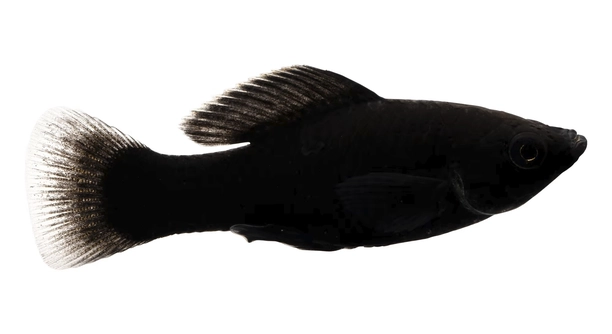
Black mollies are sensitive fish that notice every detail in their tank. Small changes in water, decorations, or lighting can make them uneasy and affect their behavior. Observing how they react helps keep them comfortable and healthy.
Black mollies respond negatively to sudden or frequent tank modifications. Changes in water temperature, pH, decorations, or filtration disrupt their environment, causing stress and altered behavior. Maintaining stability is crucial for their well-being and minimizing confusion.
Recognizing these triggers can help you create a calmer, more predictable environment for your black mollies to thrive and feel secure in their aquarium.
Changing Water Too Often
Frequent water changes can confuse black mollies. These fish get used to the chemical balance in their tank, and suddenly altering it can make them stressed or shy. Even if the water is clean, abrupt changes in temperature, pH, or hardness can be unsettling. When I first tried changing half the tank at once, my mollies hid for hours, and some refused to eat. Over time, I learned that small, gradual water adjustments work better. Using a thermometer and testing kits helps monitor conditions. Adding new water slowly, in small amounts, allows fish to adapt without panic. Even decorations or plants that touch the new water can impact their comfort. Patience is key because their behavior improves when the environment feels predictable. Gradual adaptation maintains their health and prevents unnecessary stress.
Making water changes slowly prevents shock and keeps black mollies comfortable. Small, incremental adjustments protect their health and reduce stress.
Creating a routine for water maintenance improves the tank’s stability. By observing the fish after each change, you can notice subtle signs of stress and adjust your methods. Consistent care ensures mollies remain active and display natural behaviors.
Rearranging Decorations
Rearranging plants, rocks, or ornaments can make black mollies nervous. They rely on familiar structures for hiding and swimming, so sudden changes can disturb them. Even moving a single rock can cause hesitation and erratic swimming. I remember when I added a new plant and moved their favorite hiding spot—it took days for them to explore confidently again. Gradually introducing new elements or rearranging slowly lets them adjust naturally. Avoid moving everything at once; change one section at a time. Observing their reaction helps you know if the adjustment is acceptable. Providing familiar hiding spaces while changing decorations keeps stress low. Their confidence returns quicker when they have familiar reference points, and feeding routines stay effective. Small, incremental changes are far better than big shifts for black mollies. Patience and observation make the tank feel secure.
Black mollies need familiar environments to feel safe. Sudden decoration changes disrupt their comfort and routine.
When planning tank updates, start with minor adjustments and watch how your mollies respond. Introduce new plants or ornaments in stages, leaving familiar objects intact to provide reassurance. If you must move several items, try spacing the changes over days, giving the fish time to explore and adapt. Observe their behavior closely: hesitation, hiding, or reduced eating indicates stress. Avoid combining multiple major changes at the same time. By keeping at least one familiar hiding spot, you give them a safe reference while the rest of the tank evolves. This approach minimizes stress, encourages normal swimming, and helps maintain feeding routines. Over time, black mollies become comfortable with gradual updates without showing signs of confusion or fear. Maintaining stability with small, steady changes ensures a healthy, lively tank environment.
Sudden Lighting Changes
Black mollies are sensitive to light intensity and schedules. Turning lights on or off abruptly can startle them, causing erratic swimming or hiding. Sudden bright or dim lighting disrupts their normal behavior and may increase stress, especially if they rely on consistent day-night patterns.
I once replaced my aquarium lights with a brighter set without adjusting gradually. My mollies spent hours hiding and avoiding the open areas. Gradually increasing the brightness over several days would have helped them adjust. Consistent light schedules, ideally using a timer, keep their internal rhythms stable. Observing their behavior when changing lights is important. Slow adjustments reduce stress and help mollies feel secure. Proper lighting also affects plant growth, which indirectly supports their comfort.
Maintaining predictable lighting helps mollies swim confidently and maintain normal eating habits. Avoid sudden shifts in intensity, and introduce any new bulbs slowly, monitoring their response. Gradual transitions allow the fish to adapt naturally, ensuring both their safety and comfort.
Temperature Fluctuations
Black mollies thrive in stable temperatures. Sudden increases or decreases can confuse them and weaken their immune system. Even minor shifts over a short period may cause stress, hiding, or decreased activity. Consistency is more important than constant perfect temperatures.
I learned this after adjusting my heater too quickly. The temperature dropped a few degrees at night, and the mollies stopped swimming actively. Slowly increasing or decreasing temperature over several hours gives them time to adapt. Using a reliable thermometer helps track changes accurately. Pairing temperature adjustments with partial water changes prevents shock. Avoiding sudden spikes or drops ensures that mollies maintain normal behavior and feeding patterns. Gradual acclimation supports their long-term health.
Stable temperature creates a comfortable environment for mollies to thrive. Pairing careful adjustments with proper monitoring helps maintain their activity, feeding, and overall well-being. Observing their reactions ensures they are adapting without stress.
Adding New Tank Mates
Introducing new fish suddenly can stress black mollies. They may become shy, hide more, or act defensively. Gradual introductions and monitoring interactions prevent confusion and aggression in the tank, keeping everyone calmer and healthier.
I added a few guppies without proper acclimation, and my mollies immediately hid for hours. Giving new fish a separate quarantine tank first helps them adjust. Slowly letting them see each other through a divider reduces shock. Observing body language ensures no bullying or territorial fights occur. Gradual integration allows mollies to regain confidence while the tank remains stable and stress-free.
Overfeeding
Excess food can cloud water and affect black mollies’ behavior. Uneaten food decomposes quickly, altering water chemistry and increasing stress.
Feeding smaller amounts more often prevents leftover food. Monitoring eating habits ensures they receive enough nutrition without overloading the tank. Adjusting portions based on activity helps maintain water quality and keeps mollies comfortable.
Moving the Tank
Relocating the aquarium can confuse black mollies. Changes in surroundings, lighting, and vibration make them hide or swim erratically. Proper preparation and careful handling reduce stress and maintain their comfort in a new location.
Water Chemistry Shifts
Rapid changes in pH, hardness, or other chemical levels disturb black mollies. Maintaining stable water chemistry is essential to prevent stress and keep their behavior predictable.
How do I know if my black molly is stressed?
Stressed black mollies often hide more than usual, swim erratically, or stop eating. Color changes, clamped fins, and sluggish behavior are common signs. I noticed that after moving my tank, my mollies became unusually pale and stayed at the bottom. Stress can be subtle at first, so daily observation is important. Tracking their normal patterns helps you notice small changes quickly. Maintaining stable water conditions, consistent lighting, and a predictable routine can reduce stress. Providing hiding spaces and avoiding sudden changes also helps them feel secure. If signs persist, testing water parameters and checking for illnesses ensures they remain healthy and comfortable in their environment.
How often should I change the water for black mollies?
Water changes should be done gradually and consistently. I usually replace 20-30% of the water weekly. Sudden large changes can shock the fish, even if the water is clean. Using a dechlorinator and matching temperature and pH levels to the tank helps prevent confusion. Frequent partial changes are better than occasional large ones. Observing how the fish react after each change helps adjust the routine. Maintaining water quality supports their health, reduces stress, and keeps them active. Monitoring ammonia, nitrite, and nitrate levels ensures the water remains safe. Gradual water replacement allows mollies to adapt while keeping the tank balanced.
Can black mollies live with other fish?
Yes, but careful selection is needed. Peaceful fish of similar size and temperament are ideal. Aggressive or overly active species can scare or stress black mollies. I once added fast-moving tetras, and my mollies hid for days. Introducing new fish slowly and observing interactions is essential. Quarantining new fish before adding them helps prevent diseases and sudden behavioral stress. Providing plants, rocks, or hiding spots gives the mollies a secure area to retreat. Balanced feeding ensures all fish get food without competition causing stress. Keeping compatible species creates a calm and harmonious environment. Gradual introductions and stable conditions are key for cohabitation.
What temperature is best for black mollies?
Black mollies thrive in water between 72°F and 78°F. Sudden shifts outside this range can stress them. I once had my heater drop a few degrees at night, and the mollies slowed swimming and hid more. Using a reliable heater and thermometer maintains stability. Gradual changes are crucial when adjusting the temperature. Stable warmth supports metabolism, immunity, and activity levels. Avoid placing the tank near drafts or direct sunlight to prevent fluctuations. Consistent temperature paired with steady water parameters ensures mollies remain healthy and comfortable. Regular monitoring prevents surprises and keeps their behavior predictable.
How do I introduce new decorations safely?
Introduce new plants or ornaments gradually. I added a new rock and noticed my mollies were hesitant to swim near it. Placing one new item at a time allows them to explore safely. Keeping some familiar areas intact reduces stress. Avoid sharp or unstable decorations. Rinse all items thoroughly before adding them to prevent chemical contamination. Observing their reaction over several hours helps determine if adjustments are needed. Slowly changing tank layout maintains their sense of security. Balanced introduction of new decorations ensures the tank feels familiar while gradually adding variety.
How can I prevent overfeeding my black mollies?
Feed small amounts twice daily and remove leftovers promptly. Overfeeding clouds the water and changes chemistry, causing stress. I noticed my mollies became sluggish when uneaten food accumulated. Adjust portions according to their activity and number of fish. Monitor their eating habits and remove excess to keep the tank clean. Balanced feeding supports health, reduces aggression, and maintains water quality. Small, controlled portions help prevent digestive issues and keep the fish energetic. Feeding routines that are consistent and moderate prevent water problems and keep mollies comfortable.
Why do my black mollies hide after changes?
Black mollies hide when their environment changes suddenly. I saw this after rearranging plants and moving rocks. Hiding is a natural response to uncertainty. Gradual introductions, maintaining familiar areas, and minimizing sudden shifts in water, lighting, or decorations help reduce hiding. Providing multiple hiding spots and observing their behavior ensures they feel secure. Over time, they explore more confidently as adjustments become familiar. Recognizing triggers and taking small, incremental steps prevents prolonged stress. Consistency in their habitat encourages normal swimming, feeding, and social behaviors.
How important is water chemistry for black mollies?
Water chemistry is critical. pH, hardness, and nitrates affect their health and behavior. I noticed odd swimming patterns when pH drifted slightly. Regular testing, partial water changes, and avoiding sudden shifts maintain stability. Gradual adjustments prevent stress. Balanced water chemistry supports immunity, activity, and long-term well-being. Tracking parameters daily or weekly ensures any issues are corrected early. Stable chemistry reduces hiding, increases appetite, and promotes natural coloration. Maintaining appropriate levels creates a secure environment where mollies thrive. Consistent water care is essential to prevent behavioral confusion and physical health problems.
Black mollies are sensitive fish that respond strongly to changes in their environment. They rely on consistency in water quality, temperature, lighting, and tank layout to feel secure. Even small adjustments, like moving a decoration or introducing a new plant, can make them hide or swim nervously. Observing their daily behavior helps identify when they are stressed or uncomfortable. Over time, you learn the subtle signs of distress, like reduced activity, clamped fins, or hesitation around certain areas of the tank. Creating a stable environment is the most effective way to keep black mollies healthy and active. This includes maintaining regular water changes, monitoring water chemistry, and avoiding sudden fluctuations in temperature or light. A predictable routine and gradual changes make a noticeable difference in how comfortable they feel in their tank.
Feeding and social interaction also play important roles in their well-being. Overfeeding or introducing incompatible tank mates can create stress and even illness. Small, measured portions of food given consistently help maintain both water quality and fish health. Choosing compatible species that share similar temperament and size helps reduce territorial disputes and anxiety. Black mollies benefit from having hiding spots and familiar areas to retreat to when they feel uneasy. Plants, rocks, and decorations should be added or rearranged slowly, keeping some familiar structures intact to maintain a sense of security. Even lighting adjustments should be gradual, and sudden shifts should be avoided. Gradual adaptation allows them to explore confidently, maintain normal swimming habits, and continue eating without hesitation. These small efforts create a calm and predictable environment where black mollies can thrive.
Maintaining a stable, carefully monitored tank provides long-term benefits for black mollies. Consistency in water parameters, temperature, lighting, feeding, and decorations reduces stress and encourages natural behaviors. Observing their reactions to changes is an essential part of keeping them healthy, and patience is crucial when introducing new elements. Gradual adjustments, like slow water changes, careful relocation of decorations, and step-by-step introductions of new tank mates, prevent confusion and support their well-being. Over time, these strategies create a secure and comfortable environment where mollies feel safe and active. Their natural behaviors, like exploring, schooling, and interacting, return quickly when the environment feels predictable. A stable tank not only supports their physical health but also encourages mental comfort, reducing hiding and erratic swimming. By respecting their sensitivity and providing a consistent habitat, you create conditions where black mollies can live comfortably and flourish for years.

Hello,
If you enjoy the content that we create, please consider saying a "Thank You!" by leaving a tip.
Every little bit helps us continue crafting quality advice that supports the health, happiness, and well-being of pets around the world, for pets of all shapes, sizes, and species.
We really appreciate the kindness and support that you show us!