
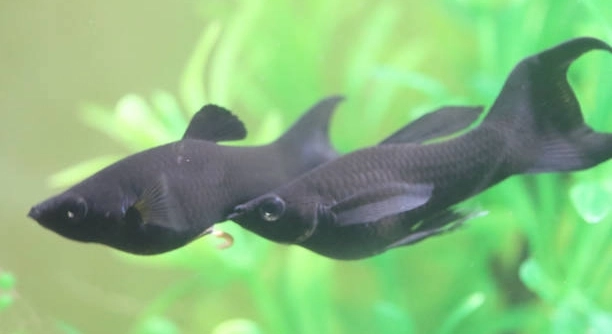
Are your black molly fish swimming in a tank that feels a little too crowded? Over time, these lively fish can start showing signs of stress if their environment does not give them enough room to move comfortably.
A black molly tank that is too small can limit growth, increase aggression, and elevate stress levels. Providing adequate space allows for proper swimming, healthier social interactions, and a stable environment essential for the fish’s overall well-being.
Recognizing the signs of crowding early ensures your fish remain healthy and active, while helping you maintain a balanced and thriving aquarium environment.
Signs of Overcrowding in Your Black Molly Tank
When your black molly tank becomes too crowded, the fish often start showing subtle signs. They may swim erratically, hide more than usual, or seem less active. Aggression can increase, with fin nipping or chasing becoming common. Growth may slow because limited space can restrict movement and stress the fish. Water quality also declines faster in crowded tanks, leading to cloudy water or algae growth. Even with proper filtration, a tank that is too small cannot maintain stable conditions, affecting your molly’s health. Observing your fish daily helps you notice changes in behavior early. Small shifts in swimming patterns, appetite, or social interaction can indicate the need for more room. Adding more space not only improves physical health but also reduces stress. A well-sized tank allows the fish to display natural behaviors, swim freely, and maintain proper social hierarchy, which is important for a peaceful aquarium.
Overcrowding can lead to stress, illness, and stunted growth, making it essential to monitor fish behavior and tank conditions closely.
Providing your molly fish with more space enhances their activity and mood. With proper tank size, feeding, and maintenance, your fish are calmer, healthier, and more likely to thrive. Watching them explore freely is rewarding, and tank expansion prevents future health problems before they become serious.
Changes in Feeding Habits
When molly fish feel cramped, their eating patterns may shift noticeably. They might eat less or seem reluctant to come out during feeding times.
Reduced feeding or competition over food is a common consequence of a tank that is too small. Fish may miss meals due to stress or bullying from other tank mates. Over time, this can lead to nutritional deficiencies, weight loss, and weaker immune systems. Molly fish naturally need space to swim and forage comfortably. Limited room can cause dominant fish to claim prime feeding spots, leaving others undernourished. Monitoring feeding behavior and ensuring all fish have access to food helps prevent long-term health issues. Sometimes, splitting feeding areas or adding more hiding spaces temporarily mitigates the problem, but the real solution is increasing tank size. Proper nutrition supports growth, vibrant coloration, and overall vitality. Expanding the living environment allows every fish to eat without fear or stress, promoting better digestion and stronger resistance to disease. With extra space, feeding becomes a calm, predictable part of daily life for all your black mollies.
Increased Aggression
Black mollies in tight spaces often become more aggressive. Chasing, nipping, and territorial fights happen more frequently. Even normally calm fish may start acting hostile toward tank mates.
Aggression rises because limited space prevents fish from establishing personal territory. In a crowded tank, dominant mollies claim prime spots while weaker fish are forced into corners. Constant stress from harassment can lead to injuries, faded coloration, and even illness. Mollies need room to escape and rest; without it, they are on high alert constantly. Adding more swimming space reduces conflict, allowing each fish to have its own area and interact peacefully. Observing aggression patterns helps determine when tank expansion is necessary, ensuring your fish live in a calmer environment. Providing plants or decorations for hiding spaces also helps temporarily, but increasing overall tank size is the most effective solution.
Stress from crowding can also affect breeding behavior. Female mollies may hide excessively, and males can become overly persistent, leading to exhaustion. Proper spacing promotes natural social interactions and healthier reproductive cycles, improving the overall well-being of the aquarium community.
Rapid Water Quality Decline
A small tank with many black mollies struggles to maintain stable water conditions. Waste accumulates faster, raising ammonia and nitrate levels.
Frequent water changes become necessary in overcrowded tanks because high fish density produces more waste than the filtration system can handle. Even with strong filters, water chemistry fluctuates quickly, leading to cloudy water and algae overgrowth. Stress from poor water quality makes fish more prone to illness, including fin rot and fungal infections. Regular monitoring of pH, ammonia, and nitrite levels is essential in a crowded tank, but the most effective measure is increasing tank size. A larger environment dilutes waste naturally, helping maintain stable conditions and promoting healthy growth.
When water quality is poor, black mollies can lose color, swim irregularly, and display lethargy. Keeping the tank spacious ensures cleaner, clearer water, reduces stress, and minimizes the need for constant maintenance. Adding aeration or plants can help slightly, but only a bigger tank provides the long-term solution for a thriving aquarium ecosystem.
Stunted Growth
Black mollies in cramped tanks often stop growing at their normal rate. Limited swimming space and constant stress affect their development.
Nutrient competition in a crowded environment can also slow growth. Smaller fish may struggle to access enough food, and the stress of constant interaction prevents proper metabolism.
Constant Stress
Fish confined in small tanks show signs of ongoing stress. Rapid movements, hiding, and tense postures are common.
Stress affects immune systems, making black mollies more susceptible to disease. Chronic stress can lead to faded colors, lethargy, and shorter lifespans. A larger tank reduces these issues and promotes a healthier, calmer environment.
Frequent Illness
Overcrowded tanks increase the risk of illness. Bacteria and parasites spread faster when fish are too close.
Reduced Reproduction
Stress and lack of space can interfere with breeding behaviors. Female mollies may avoid males, and eggs may not develop properly. Adequate space supports healthier reproduction and ensures a thriving fish population in the tank.
How do I know if my black molly tank is too small?
If your mollies seem stressed, hide often, or show aggressive behavior, your tank may be too small. Stunted growth, faded colors, and frequent illness are also signs. Observing daily interactions helps spot overcrowding early.
What size tank do black mollies need?
Adult black mollies need at least 20 gallons for a small group, with an extra 5 gallons per additional fish. This allows room for swimming, exploration, and establishing territories, which helps reduce aggression and stress. A larger tank also stabilizes water quality naturally.
Can overcrowding affect water quality?
Yes, more fish produce more waste. In a small tank, ammonia and nitrate levels rise quickly. Even strong filters struggle to maintain balance. Poor water quality leads to cloudy water, algae growth, and makes fish more prone to disease.
What health issues arise from a crowded tank?
Stress from limited space can cause stunted growth, weakened immune systems, and faded colors. Frequent illness like fin rot or fungal infections is common. Aggression injuries also become more likely. Proper spacing reduces these problems.
How does tank size affect behavior?
In small tanks, black mollies may become territorial or aggressive. Stress alters swimming patterns, feeding habits, and social interactions. With more space, mollies swim freely, interact calmly, and establish natural hierarchies.
Is it possible to temporarily fix overcrowding without a bigger tank?
Adding hiding spots, plants, or decorations can reduce stress temporarily. Feeding in multiple areas helps ensure all fish get food. However, these are short-term solutions; the long-term fix is increasing tank size.
How often should I check water conditions in a crowded tank?
Daily observation is recommended. Testing for ammonia, nitrite, nitrate, and pH helps identify issues early. Crowded tanks require more frequent water changes to prevent toxic buildup and maintain a healthy environment.
Can black mollies reproduce in a small tank?
Breeding may still occur, but stress from crowding can reduce reproductive success. Females may hide or reject males, and fry survival rates drop. A larger tank supports healthier breeding behavior and fry development.
What is the best way to expand my tank setup?
Gradually moving fish to a larger tank is safest. Ensure water parameters match to prevent shock. Provide hiding spots and decorations in the new space to help fish acclimate and reduce stress.
How quickly do black mollies show signs of needing more space?
Signs like aggression, hiding, and reduced appetite can appear within weeks of overcrowding. Monitoring daily behaviors and tank conditions helps catch problems early, preventing long-term health issues.
Can tankmates influence the need for more space?
Yes, active or aggressive species require more room to reduce conflict. Black mollies are peaceful but may become stressed when forced into small areas with other dominant fish. Proper spacing ensures all species coexist comfortably.
Is filtration enough to handle a crowded tank?
Strong filtration can help maintain water quality temporarily, but it cannot replace proper space. Overcrowding overwhelms filters, causing chemical imbalances and higher disease risk. Adequate tank size is essential for stability and fish health.
Do black mollies need plants in a small tank?
Plants provide hiding spots and reduce stress, especially in crowded tanks. They can also help absorb excess nutrients. While beneficial, plants alone cannot solve space issues, but they improve comfort and security temporarily.
How do I gradually increase tank space?
Move fish to a larger tank with similar water conditions. Introduce decorations and plants for hiding, and monitor behavior for stress. Gradual adjustments prevent shock and ensure a smooth transition to a healthier environment.
What is the ideal number of black mollies per gallon?
A general rule is one inch of fish per gallon, but activity levels matter. Adult mollies are about 3 inches, so a small group needs at least 20 gallons. Extra space prevents aggression and maintains water quality.
How does overcrowding affect feeding behavior?
Fish may compete aggressively, leaving some underfed. Others may eat too quickly, causing digestive issues. Crowded tanks also increase stress, reducing appetite. Proper spacing ensures fair access to food and better nutrition.
What long-term effects does a small tank have on black mollies?
Chronic stress, stunted growth, frequent illness, and shorter lifespan are common. Behavior problems like aggression and hiding persist. A well-sized tank ensures healthier, longer-lived fish with natural behaviors.
Can adding more water temporarily help overcrowding?
Adding water slightly dilutes waste but does not provide space. Fish still cannot swim freely, and stress remains. Only expanding tank size resolves overcrowding effectively.
How do I balance tank size with maintenance?
Larger tanks reduce stress and improve water quality, but require more cleaning initially. Regular monitoring and maintenance keep conditions stable. Proper setup ensures mollies thrive without constant emergency care.
Are baby mollies affected by small tanks?
Yes, fry struggle in crowded spaces. Limited swimming room, stress, and competition for food reduce survival rates. Providing a larger tank or separate breeding area supports healthy growth and higher survival.
How can I tell if adding tankmates is safe?
Observe interactions carefully. If aggression increases or shy fish hide constantly, the tank may be too small. Ensure each fish has enough space before adding more. Proper planning prevents stress and illness.
Do black mollies need different care in a crowded tank?
Yes, crowded tanks require more frequent water changes, careful feeding, and monitoring for illness. Stress reduction strategies help, but space remains the most important factor for long-term health and well-being.
What is the simplest way to prevent overcrowding?
Plan tank size according to fish number and growth. Avoid adding too many fish at once. A larger tank allows each molly to swim freely, interact naturally, and stay healthy over time.
Final Thoughts
Keeping black mollies healthy and happy starts with giving them enough space. Small tanks may seem convenient, but they can create problems that affect every aspect of your fish’s life. Limited swimming room causes stress, aggression, and stunted growth. Even with regular water changes and proper feeding, a crowded tank can’t provide the environment your mollies need to thrive. Stress from overcrowding impacts their immune systems, making them more likely to get sick. Providing extra space allows fish to swim freely, explore their surroundings, and interact naturally with each other. It also gives them room to rest and hide when needed, which reduces tension in the tank.
Water quality is closely tied to tank size. Overcrowded tanks fill with waste more quickly, and filtration systems can only do so much. Poor water conditions lead to cloudy water, algae growth, and increased risk of disease. A larger tank dilutes waste more effectively, stabilizing pH levels and making the environment healthier overall. Fish in a well-sized tank are less stressed, eat better, and display brighter colors. You may notice calmer behavior and improved social interactions once mollies have the space they need. Even small changes, like adding plants or hiding spots, help temporarily, but increasing the tank size remains the most effective solution. Regular observation of behavior and water quality ensures that problems are caught early, preventing long-term issues.
Expanding your black molly tank is an investment in their health and longevity. A properly sized tank reduces aggression, allows for normal feeding habits, and improves reproduction success. Female mollies can avoid males when needed, fry survive more easily, and all fish experience less stress overall. Planning for growth is important because black mollies are active fish that continue to grow as adults. When you provide a larger tank, you also reduce the effort needed for constant maintenance, as water quality remains more stable. In the end, the goal is a calm, balanced aquarium where your fish can live longer and healthier lives. A spacious tank encourages natural behavior, vibrant coloration, and a strong immune system, giving your black mollies the best chance to thrive in your care.

Hello,
If you enjoy the content that we create, please consider saying a "Thank You!" by leaving a tip.
Every little bit helps us continue crafting quality advice that supports the health, happiness, and well-being of pets around the world, for pets of all shapes, sizes, and species.
We really appreciate the kindness and support that you show us!